
Best Tours

Atauro Island Tours
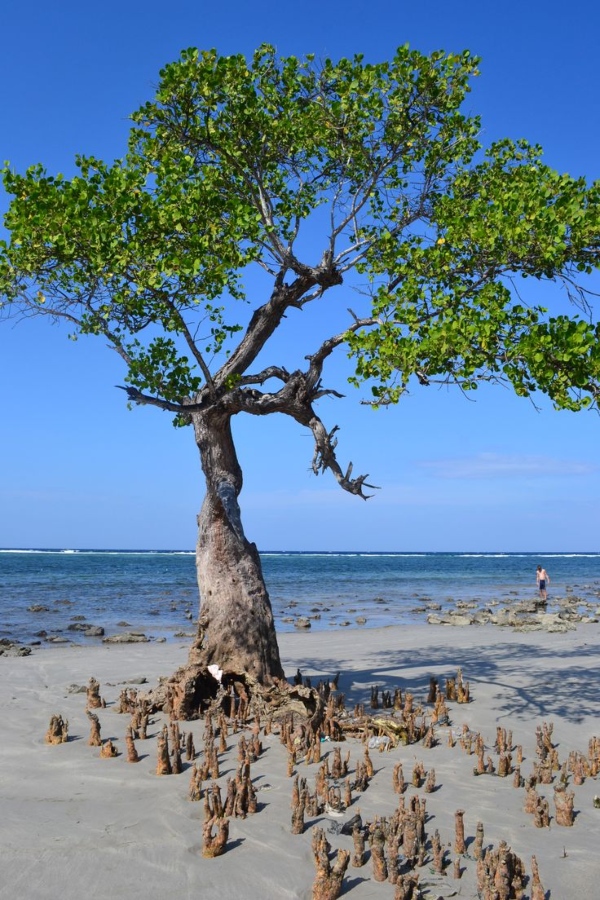
Just 30 km north of Dili, Atauro Island is a peaceful tropical retreat renowned for its extraordinary marine biodiversity, with the highest recorded reef fish diversity on Earth. Located within the Coral Triangle, the island is home to some of the world's richest coral reefs and an incredible variety of marine life, making it one of Southeast Asia's premier diving and snorkeling destinations. Crystal-clear waters, vibrant coral gardens, colorful tropical fish, sea turtles, reef sharks, dolphins, and seasonal whales await beneath the surface. Many spectacular coral reefs begin just offshore, making them easily accessible without long boat rides. Beyond its underwater wonders, Atauro boasts pristine white-sand beaches, secluded turquoise coves, and scenic hiking trails that lead to breathtaking viewpoints overlooking the island, the Ombai Strait, and the mountains of mainland Timor-Leste. Visitors can also experience authentic Timorese culture in traditional villages such as Beloi and Biqueli, where warm hospitality and a relaxed way of life remain deeply rooted. With limited development, few vehicles, and an unhurried pace, Atauro Island offers an idyllic escape for nature lovers, adventure seekers, and anyone looking to experience one of the region's last unspoiled island paradises.
How to reach
By ferry or speedboat from Dili
Read more ...



Other Timor-Leste DestinationS
Dili
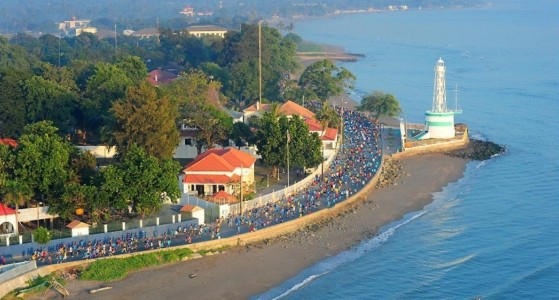
Dili, the capital and largest city of Timor-Leste, is a relaxed coastal city nestled between the mountains and the turquoise waters of the Ombai Strait. Known for its Portuguese heritage, friendly atmosphere, and excellent diving opportunities, it remains one of Southeast Asia's most underrated destinations. Set along the picturesque Bay of Dili, the city boasts a scenic waterfront promenade, beautiful sunsets, and crystal-clear waters ideal for snorkeling and diving. One of its most iconic landmarks is the towering Cristo Rei statue, which overlooks the sea and rewards visitors with panoramic views of the coastline after a short climb. Dili's colonial-era architecture reflects its Portuguese past, while sites such as the Santa Cruz Cemetery and the Timorese Resistance Archive & Museum offer meaningful insights into the nation's struggle for independence. Visitors can browse vibrant local markets for traditional tais textiles, handcrafted souvenirs, tropical fruits, and spices, offering a glimpse into everyday Timorese life. With colorful coral reefs and thriving marine life just minutes from the city center, Dili is also one of the region's most accessible diving destinations. Its calm, uncrowded atmosphere makes it an ideal place to unwind and serves as the perfect gateway to explore Timor-Leste's rugged mountains, coffee plantations, traditional villages, and pristine beaches.
Balibo
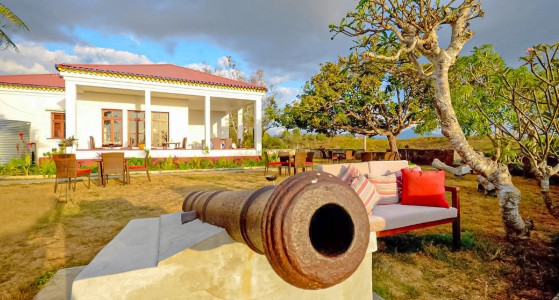
Perched in the cool highlands just 10 km from the border with Indonesian West Timor, Balibo is one of Timor-Leste's most historically significant destinations. This peaceful hilltop town is renowned for its well-preserved Portuguese colonial heritage, dramatic mountain scenery, and rich cultural legacy. At its heart stands the 17th-century Balibo Fort, one of the country's finest colonial landmarks, offering sweeping views of the surrounding hills and valleys. Within its historic walls, part of the 400-year-old fort has been beautifully restored as the Balibo Fort Hotel, a boutique heritage hotel and museum that opened in 2015. Blending colonial charm with modern comforts, it offers visitors a unique and memorable place to stay. Beyond the fort, Balibo's stone churches, traditional buildings, and quiet streets reflect centuries of Portuguese influence, while its location near the international border has made it an important crossroads for trade, culture, and history. Surrounded by rolling hills and blessed with a pleasantly cool climate, Balibo is an ideal destination for travelers seeking history, heritage, scenic landscapes, and an authentic glimpse into the enduring spirit of Timor-Leste.
Maubisse
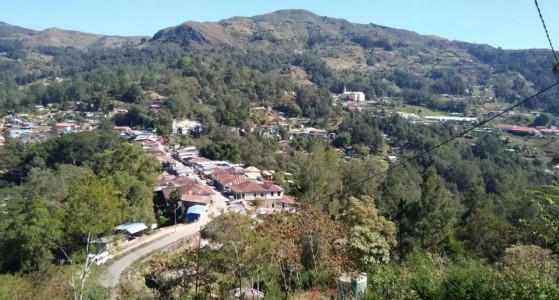
Nestled in the cool central highlands of Timor-Leste, Maubisse is a charming mountain town renowned for its spectacular scenery, rich coffee-growing tradition, and authentic rural culture. Surrounded by rolling hills, terraced farmland, lush forests, and dramatic valleys, it offers a refreshing escape from the country's tropical coastline. As the heart of Timor-Leste's coffee-growing region, Maubisse invites visitors to tour coffee plantations, learn about traditional cultivation methods, and sample locally produced Arabica coffee. The town also serves as a gateway to Mount Ramelau, the country's highest peak and a popular destination for unforgettable sunrise hikes. Its Portuguese colonial heritage is reflected in the historic Pousada de Maubisse, a former Portuguese Governor's retreat perched on a hillside with sweeping views across the valley. Nearby traditional mountain villages offer opportunities to experience local markets, highland customs, and warm Timorese hospitality. With its cool climate, breathtaking landscapes, and a wealth of outdoor activities, from hiking and birdwatching to photography and scenic drives, Maubisse is one of Timor-Leste's most rewarding destinations for nature lovers and cultural explorers alike.
Baucau
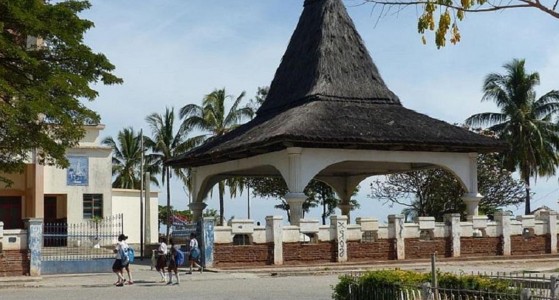
As Timor-Leste's second-largest city, Baucau is celebrated for its well-preserved Portuguese colonial architecture, scenic coastline, natural spring-fed swimming pool, and relaxed atmosphere. Often referred to as Timor-Leste's colonial gem, it offers a peaceful alternative to Dili while preserving much of the country's rich colonial heritage. The city is divided into two distinct areas. Perched on a hilltop, Vila Antiga (Old Town) is home to elegant Portuguese-era buildings, historic churches, the beautifully restored Old Market, and sweeping views of the coast. Below lies Kota Baru (New Town), the city's modern commercial district, where shops, markets, and transport services are concentrated. Among Baucau's highlights is the Piscina de Baucau, a large natural spring-fed swimming pool surrounded by lush greenery and historic stone walls. Just beyond the city, the coastline reveals tranquil beaches, dramatic limestone cliffs, and crystal-clear waters, making it an ideal place to relax and enjoy the natural beauty of eastern Timor-Leste. Baucau also serves as an excellent gateway to the country's eastern region, with easy access to picturesque coastal villages, waterfalls, and the spectacular landscapes leading to Lautém and Jaco Island. Combined with its vibrant local markets, traditional tais weaving, and authentic Timorese culture, Baucau offers a captivating blend of history, nature, and local traditions.
Beloi
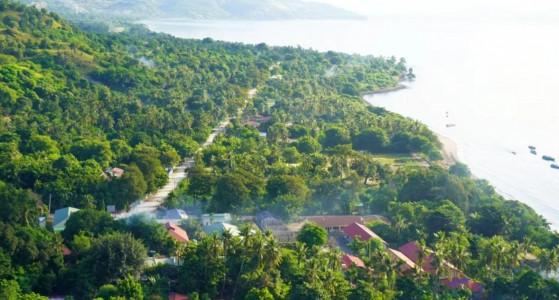
Beloi is the main coastal village and principal gateway to Atauro Island, located north of Dili in Timor-Leste. Home to a welcoming island community, it serves as the island's primary tourism hub and is renowned for its crystal-clear waters, vibrant coral reefs, and excellent opportunities for snorkeling, diving, and scenic coastal hiking. Combining natural beauty with a relaxed atmosphere, Beloi offers an ideal base for exploring the island's remarkable marine biodiversity and traditional village life.
Vila
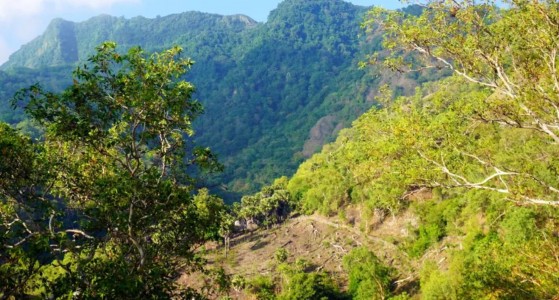
Vila (also known as Vila Maumeta) is the principal settlement and administrative center of Atauro Island, located just north of Dili in Timor-Leste. Perched along the island's picturesque northern coastline, the village serves as the cultural and logistical hub of Atauro, offering visitors a glimpse into traditional island life while providing convenient access to scenic hiking trails, pristine coral reefs, and some of the world's richest marine biodiversity.
Makili
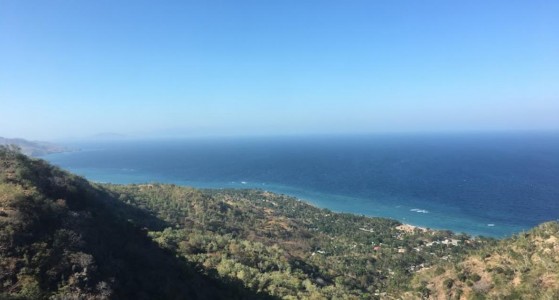
Makili is a charming fishing village on Atauro Island, home to one of the island's largest communities. Renowned for its rich maritime heritage, the village is especially known for its traditional boat-building craftsmanship, a skill passed down through generations. As you stroll along the coastline, you can observe local artisans carefully carving massive tree trunks into handcrafted wooden boats, offering a fascinating glimpse into the enduring traditions and daily life of this vibrant island community.
Jaco Island
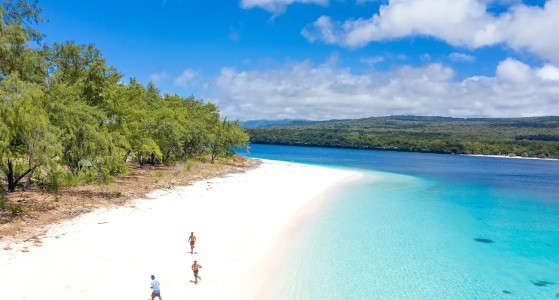
Located off the eastern tip of Timor-Leste, Jaco Island is one of the country's most spectacular natural attractions. Famed for its pristine white-sand beaches, crystal-clear waters, and vibrant coral reefs, the island is a paradise for snorkeling, diving, and marine life enthusiasts. As part of the Nino Konis Santana National Park, Jaco Island remains protected and uninhabited, preserving its pristine landscapes and rich biodiversity. Situated within the Coral Triangle, its surrounding reefs support an extraordinary variety of tropical fish, sea turtles, and other marine species, making it one of Timor-Leste's finest underwater destinations. Beyond its natural beauty, Jaco Island also holds deep cultural and spiritual significance for the local Fataluku people, who consider it a sacred place. Visitors can reach the island by a short boat ride from the nearby village of Tutuala for a day of exploring its unspoiled beaches and crystal-clear waters. Overnight stays are generally discouraged out of respect for local customs. Blending breathtaking scenery, exceptional marine life, and cultural significance, Jaco Island offers an unforgettable glimpse of Timor-Leste's unspoiled natural heritage.
View more

Customize Atauro Island tours











SOUTHEAST ASIA TRAVEL COMPANY LIMITED
Southeast Asia Travel is an award-winning travel company specializing in bespoke, private and luxury tour packages across Vietnam, Laos, Cambodia, Thailand, Singapore, Malaysia, Indonesia, Myanmar, the Philippines and beyond. With over 15 years of industry expertise, we have guided more than 30,000 travelers on unforgettable journeys through the heart of Southeast Asia. Every Southeast Asia Tour we create is fully customized to reflect your interests, whether you seek hidden gems, iconic landmarks or personalized experiences.
Read more Follow us
You can visit us at: