Best Tours

ONLY FROM $2170/person

Enquire Tour
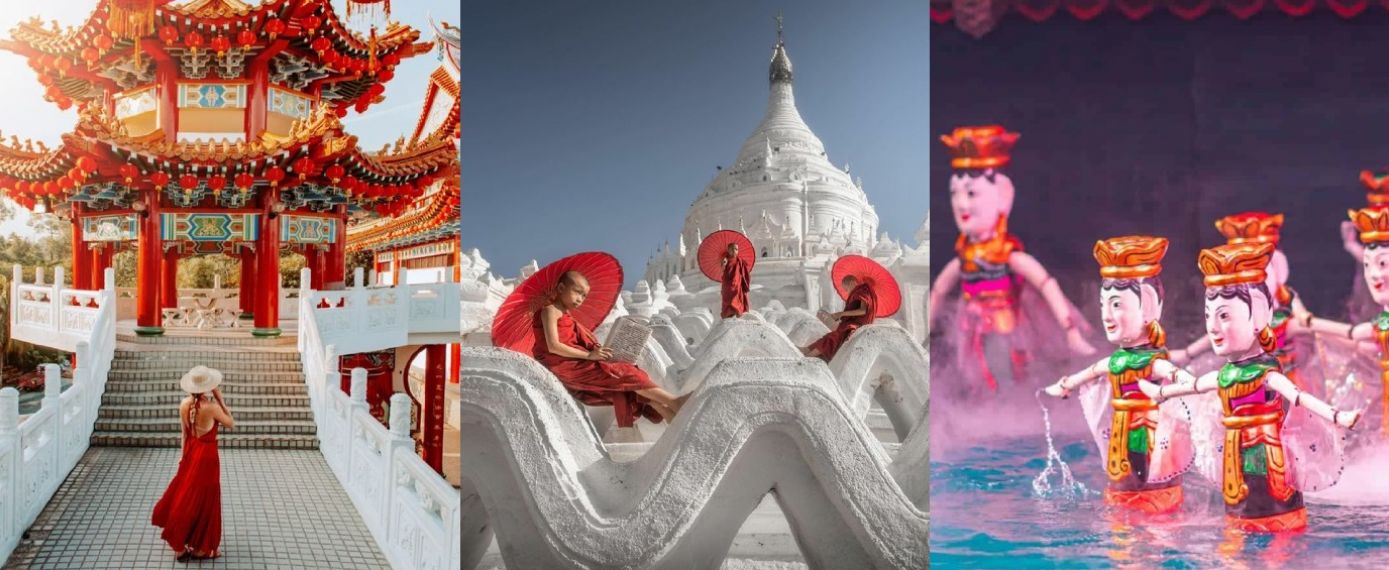
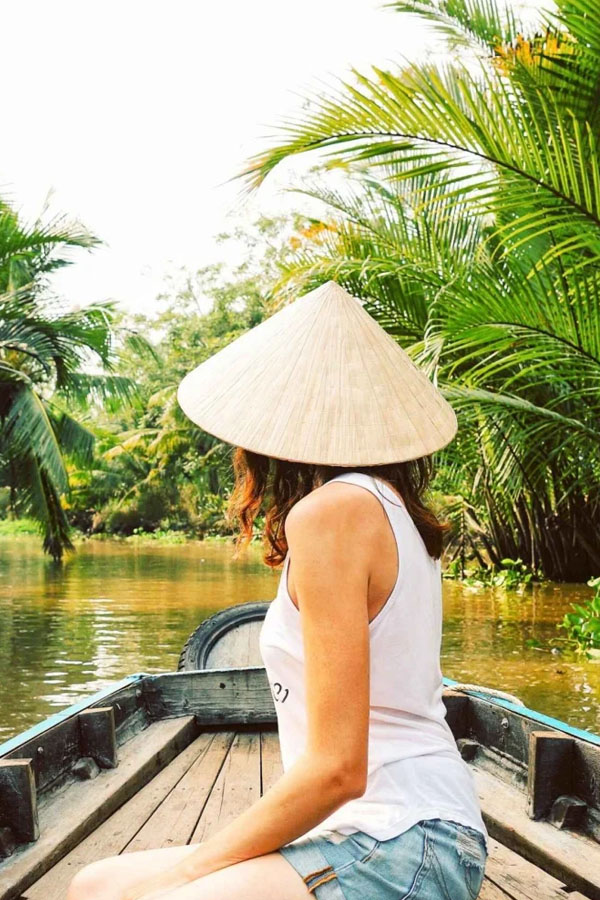
With so many charming destinations and experiences, there is always something for everyone traveling to Southeast Asia. Throughout this classic 15-day journey across Vietnam, Malaysia, and Myanmar, you will be able to see everything for yourself. Start in Vietnam; this trip offers excursions to the country’s most popular sights, like the awe-inspiring Halong Bay, the rustic Mekong Delta, and the vibrant Saigon. Then fly to Kuala Lumpur, where you’ll explore the fascinating mixture of modern marvels in the capital city and historic colonial heritage in UNESCO-designated Malacca. Finally, soak up the ancient atmosphere of Myanmar cities, Yangon and Mandalay, with visits to their gilded temples, pagodas, and local landmarks.
Highlights of this Tour

Our tour includes
Stay at
Hotel(13 nights), Cruise(1 night)
Read more...Transfers
Travel by private & shared vehicle with driver according to daily schedule
Read more...Local Team
Private guides, drivers, your own travel expert
Read more...Meals
Daily scheduled meals including breakfast at hotel and lunch at local restaurant
Read more...Activities
18 Interesting Experiences
Read more...Services
In-tour offerings including entrance fees, boat trips, in-tour flights...
Read more...Trip Overview
Classic Vietnam, Malaysia & Myanmar Tour - 15 days
Hanoi
Halong Bay
Ho Chi Minh
Kuala Lumpur
Yangon
Mandalay

Authentic

Flexible

Persionalized

24/7 Support

With over 16 years of experience, our team will help you choose the perfect for your adventure.
Destinations of this tour
Hanoi
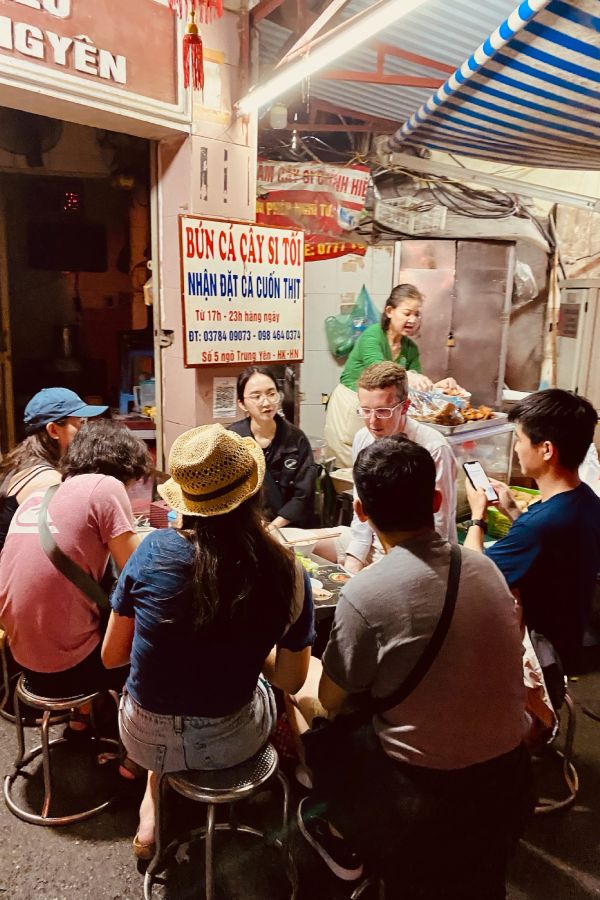
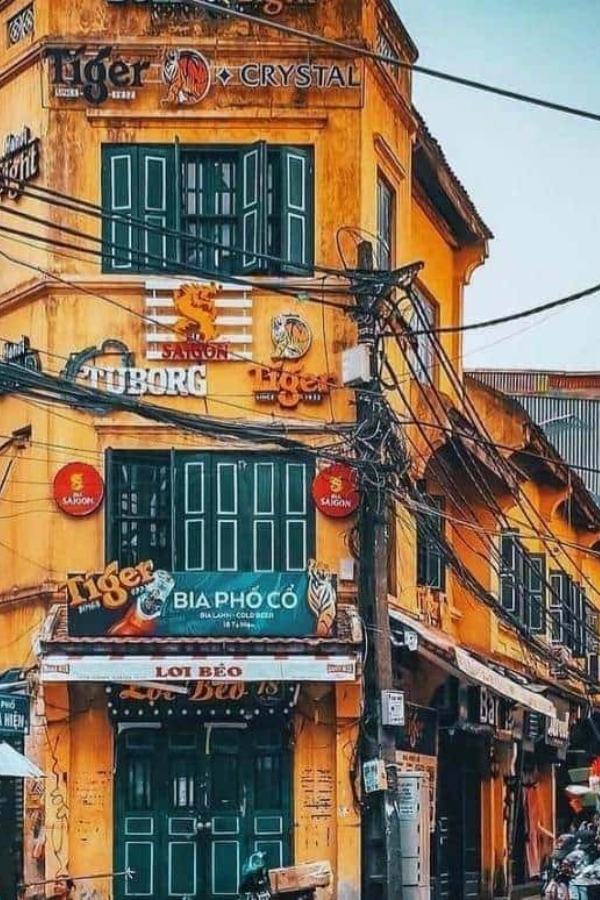
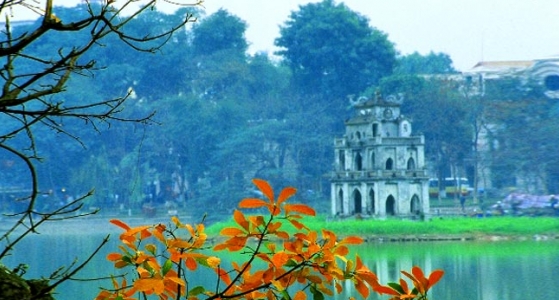
Perched on the banks of the Red River, Hanoi is Vietnam's capital and one of the world's most ancient cities. Its beauty lies in its liveliness of bustling streets where workshops and cafes spill out onto the streets and roadsides. As the intersection point where east meets west, Hanoi is a fascinating mix of old and new, Asian and European. With Chinese and French influences, an ancient culture, colonial architecture, broad tree-lined boulevards and beautiful lakes, the iconic architectural appearance of the Old Quarter and the elegance of the French Quarter, Ho Chi Minh’s Mausoleum and the Temple of Literature, etc... gives Vietnam’s capital city a unique charm of the ancient and modern. Hanoi is also home to one of Asia’s strong indigenous culinary traditions, with bustling wet markets and a rowdy street-food culture, as well as some five star international dining options. It is also very affordable by urban Asian standards, with the majority of hotels and restaurants offering plenty of value.
Halong Bay
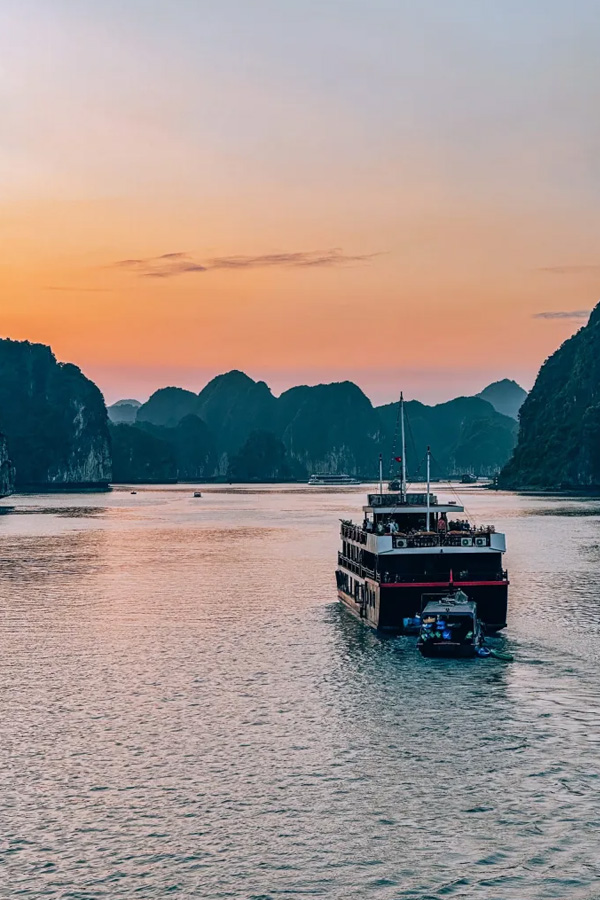
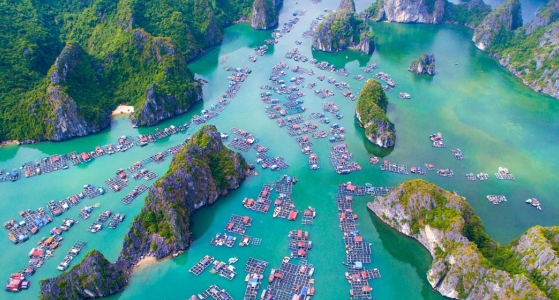
Halong Bay, listed as a UNESCO World Heritage Site in 1994, is located 170km east of Hanoi. It is made up of three neighboring bays: Halong, Lan Ha and Bai Tu Long bays, although Halong Bay is undeniably the most famous and most well-known of the three. Widely considered a natural wonder of the world, the UNESCO World Heritage Site is breathtaking with thousands of majestic limestone, peaks and islets rising dramatically out of the sparkling emerald waters of the bay. The most common way to explore is by taking an overnight night cruise or day-trip which cruises among the limestone pillars and islets. Many also include an island drop off and cave explorations. Visiting floating villages in the area gives a chance to interact with the local community whose livelihoods depend on the waters. Another way to immerse oneself close up in the bay is by kayaking near and around the limestone pillars and some of the caves that are possible to enter by kayak.
Ho Chi Minh
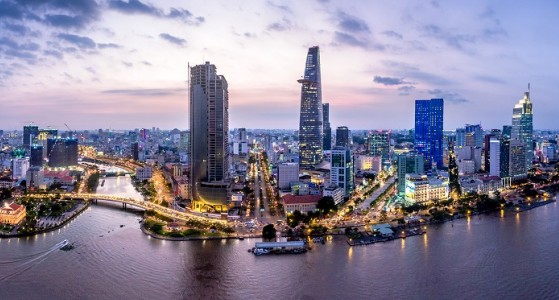
Commonly known as Saigon, Ho Chi Minh City in southern Vietnam is the country’s largest city and the financial and economical capital. This is a city full of surprises. Chaotic traffic blends with peaceful pagodas, parks, multi-style coffee shops and whole neighborhoods hidden down tiny alleyways. Icons of the past endure in the middle of the city’s vast urbanization. The ornate Saigon opera house, Hôtel de Ville - former French city hall, broad boulevards leading to the Saigon River and the gracious stucco villas are reminders of French-colonial times. In addition, the Chinese influence is also evident particularly in Cholon district (the city's Chinatown), while modern skyscrapers and international hotel chains that dot the skyline symbolize Vietnam's fixation on the future.
Kuala Lumpur
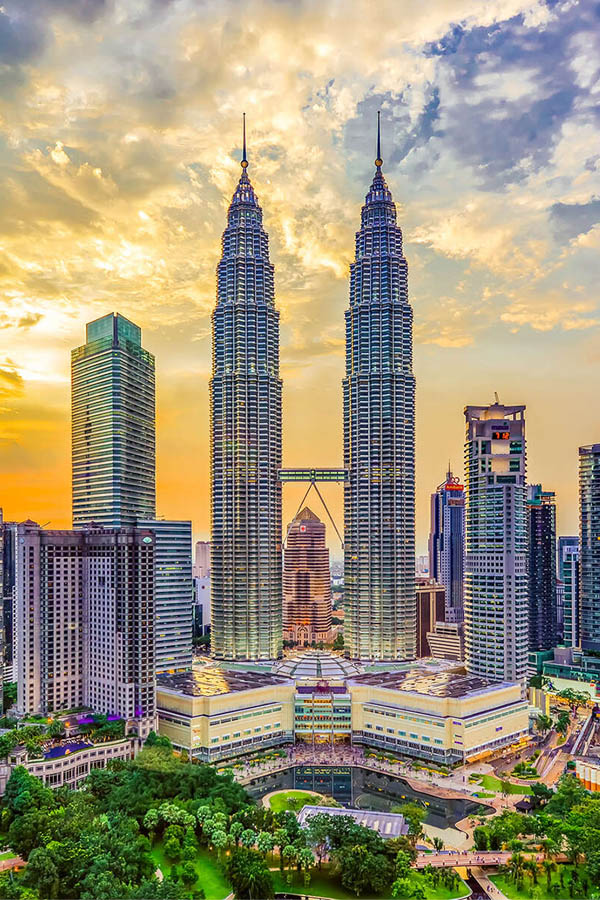
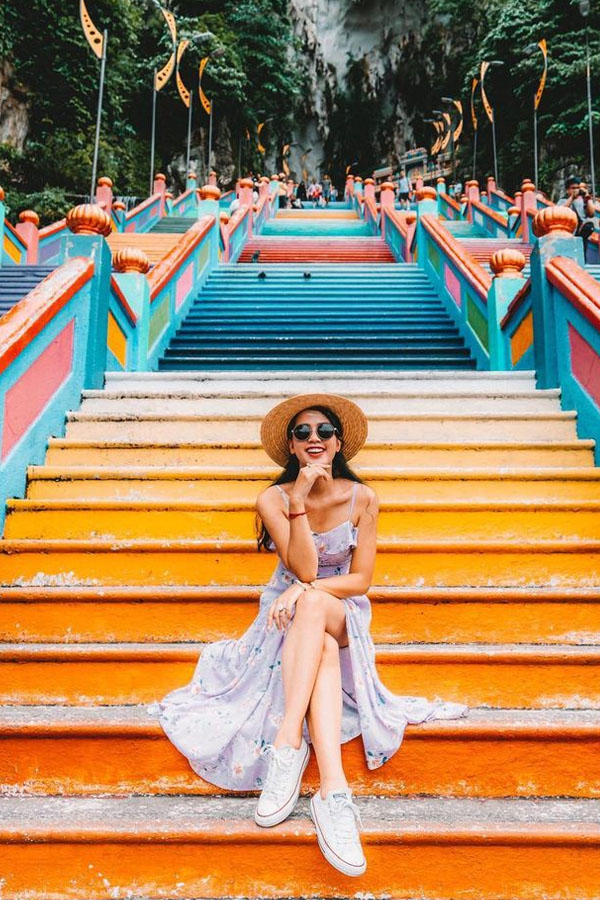
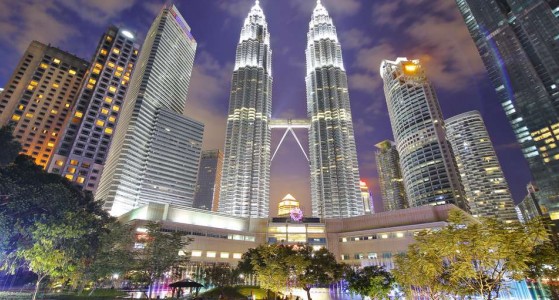
Kuala Lumpur is a diversity cultural melting pot, where jade-topped Chinese gates open out onto palm-lined squares, Indian restaurants serve banana leaf curries in marigold-scented alleyways, and old-fashioned Malay villages lie squeezed between the skyscrapers. Founded in 1857 under British rule as a tin mining outpost, Kuala Lumpur is fairly new as far as Malaysian cities go and does not have the rich history like Georgetown or Malacca. After a couple of decades of fluctuation, Kuala Lumpur began to prosper and was made capital of the Federated Malay States in 1896. Today, Kuala Lumpur is the capital of one of the economic powerhouses of Asia. Kuala Lumpurites come in all sorts. Malaysian and Chinese make up 80 percent of the population, and about 7 percent are Indians. Among the rest are offspring of intermarriages between races. Most Kuala Lumpurites speak at least two languages, one of which is Malay, or Bahasa Malaysia, the national language; some speak up to five – including Chinese and Indian dialects.

Melaka
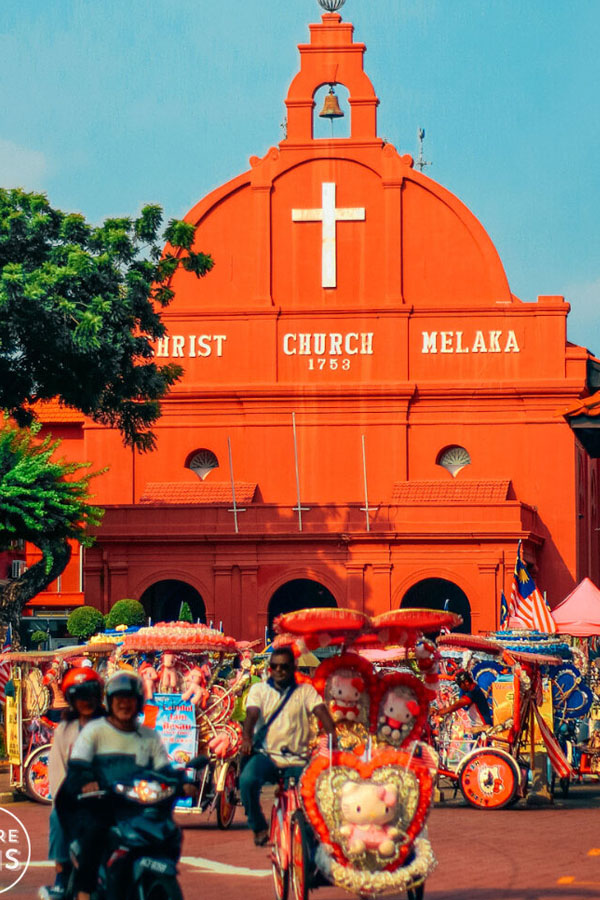
Melaka, or Malacca as it is previously known, is one of the most important port cities in the history of world trade. As a UNESCO World Heritage Site declared in 2008, Melaka showcases a fusion of Asian and European influences. It is also a perfect example of the perfect mix of different cultures and religions in Southeast Asia. Melaka’s history started as an independent sultanate. Later on, the Portuguese conquered it during its explorations in the 16th century. Some signs of Portuguese occupation still remain. After that, it became part of the Dutch empire. Most of the colonial buildings in the city came from that period. Situated in the Malacca Strait that connects the South Asian Sea and Europe to the East, the city was once the seat of the Malay Kingdom and has gone through several periods of prosperity as well as neglect. The city now offers a blend of cultural heritage, vibrant street art, and mouthwatering cuisine. It is well known for its colonial architecture, unique Nyonya traditions and colorful old town. For a visit, the historic city of Melaka is divided into two core zones on either side of the Melaka River. The first is St Paul's Hill Civic Zone with a number of government buildings, museums, churches, urban squares and the original fortress town from the 16th century Portuguese and Dutch periods. The second, on the other side of the river, is the Historic Residential and Commercial Zone, with more than 600 shophouses, commercial and residential buildings, religious buildings and tombs. A visit on foot along the old streets of Melaka past its ruins reflecting the rich history of hundreds of years of Asian and European influence, that will showcase Melaka's cosmopolitan journey over the centuries.
Yangon
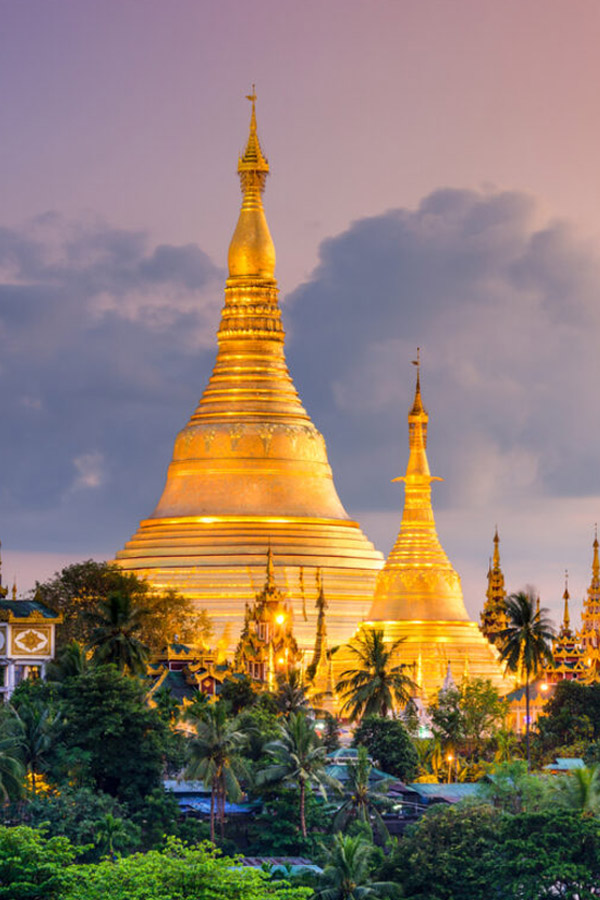
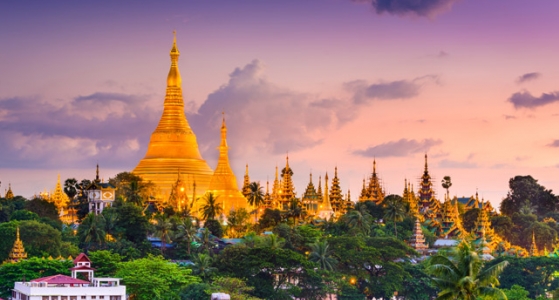
Yangon, or Rangoon as it was once known, is the gateway to Myanmar for most travelers. Though no longer the capital, Yangon remains Myanmar’s commercial heart and also the core of its spiritual life. The city has got a lot of contrasts, with the gentle bustle of traditional shophouses sitting side by side with the stark grandeur of 19th-century facades. A city tour might begin with the gleaming golden Shwedagon Paya, one of Yangon's most compelling attractions. Wandering around the warren of historic streets closer to the waterfront is a great way to learn about the city's colonial-era history. Further afield, visit the intriguing old cities of Amarapura, home to an ancient and famous teak bridge, over a kilometer long, and the incredible stupas from Sagaing. Jump aboard the Yangon Circle train, the most popular form of travel for local Yangonites, as it trundles along 29 miles of bumpy track through the city’s suburbs. Commuters, monks and snack-selling vendors hop on and off; spend time at some stops visiting tea shops and local markets nearby. Explore the Chinatown lying between Shwedaungtan and Shwedagon Pagoda streets. Starting from the 19th street to experience the street food in Yangon; outside seating, bustling local life and a boozy night scene. The Maha Bandula road is one of the busier for street food in Yangon. The area varies from with street food from delicious shan noodles and fried street foods to insects and cooked innards.
Mandalay
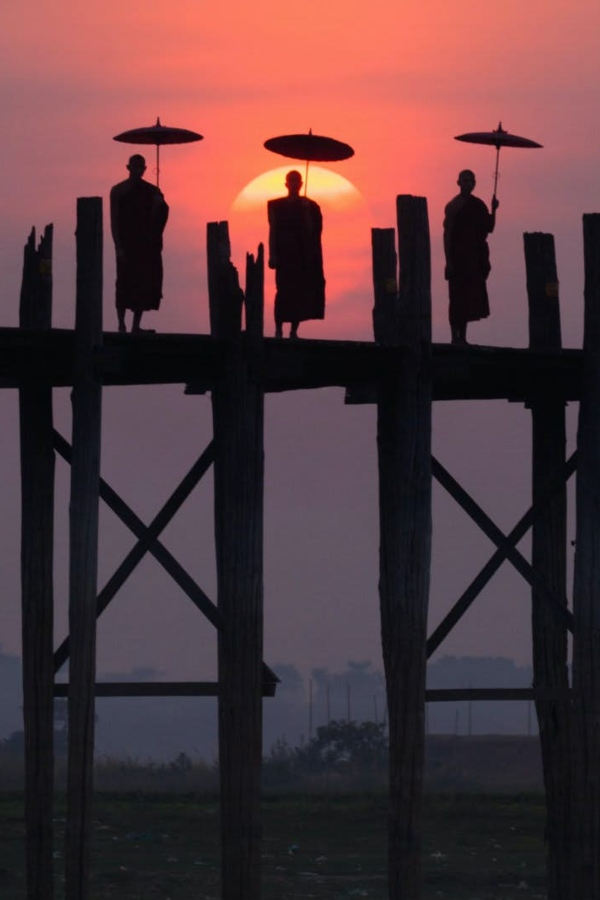
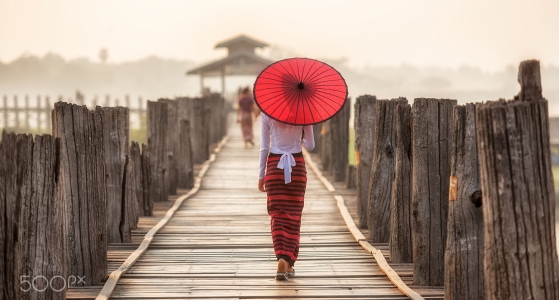
Known as the major destination on travellers’ itineraries after Yangon, Mandalay once served as the last royal city of Burmese kingdom before the country was colonised by Britain in 1885. As a home to fascinating monasteries, gem covered temples and the huge fortifications of the former royal palace, Mandalay now is the country’s second biggest city, a major commercial and cultural center. You can get a great feel for the city and its position in the heart of Myanmar as you watch the sunset from Mandalay Hill. Remember to leave your shoes in a shoebox at the bottom since it is a pilgrimage site not allowed to bring your shoes to the top of the hill. Apart from visiting the pagodas, temples and monasteries, take time to venture off outside of the city for many attractions in the surroundings. Visit the U Bein Bridge, the longest teak bridge in the world, built on Taungthaman Lake in 1849 in Amarupa, a township of Mandalay. From Mandalay, you can take a boat trip on the Irrawaddy River to the village of Mingun, famous for its brick pagoda built by King Bodawpaya in the early 19th century. It is home to one of the largest bells in the world with its 90 ton weight. The village of Sagaing, with its hill offering panoramic views over the Irrawaddy River, is also worth a visit. Like any other big cities, there’s no better way to explore Mandalay than immersing yourself in its sights and sounds of daily life. The cuisine here is an exotic blend of noodles, seafood, and rice, spiced up and enhanced by condiments and salads. Fruits, a feature of the tropical climate, are also an important part of this cuisine. The food has been influenced by the techniques, ingredients and flavors of Myanmar’s neighbors: Thailand, India and China. Head down to Zay Cho market, or one of the many other streets of bustling stalls, to sample an array of traditional Burmese and international dishes.
OTHER TOURS YOU MAY LIKE
Private Tour
Vietnam, Cambodia, Thailand, Myanmar
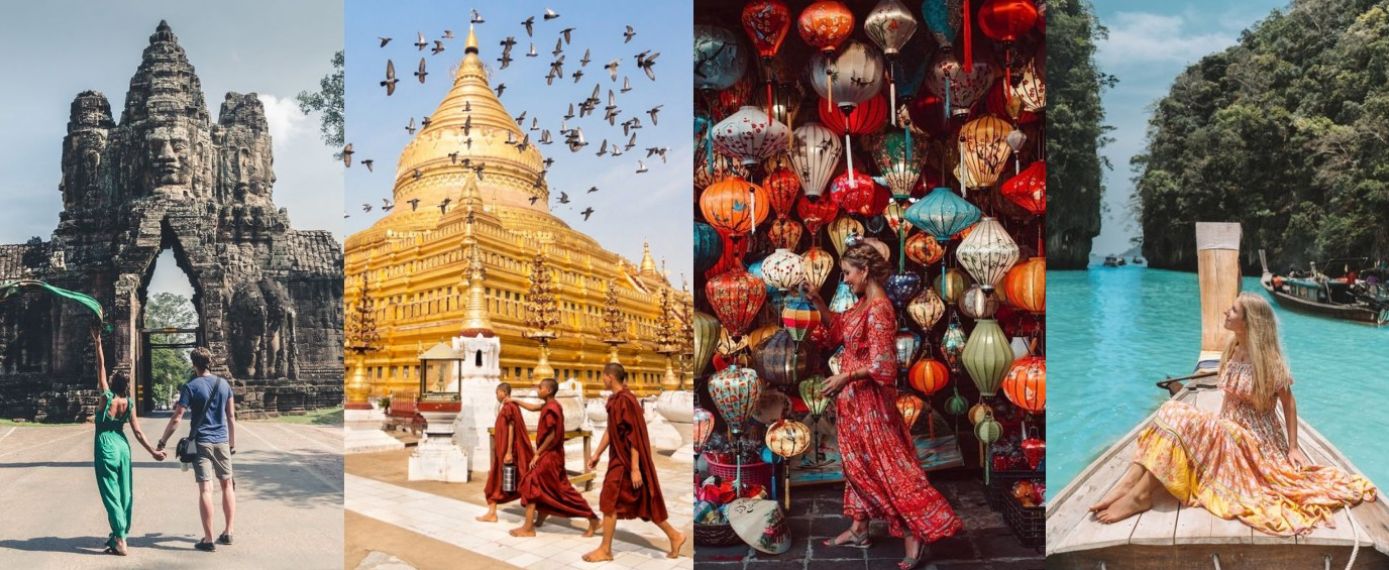
This itinerary is ideal for first-time visitors to Southeast Asia who want to experience the glorious wonders of this mysterious region. In 17 days, you will visit four very distinct countries that showcase the region's deep and colorful history, stunning natural marvels, as well as rich cultures. Begin in Vietnam; from the spectacular UNESCO-listed Halong Bay to the rustic Mekong Delta, you’ll fly to Siem Reap, the gateway to the world-famous ancient temples of Angkor. Then head to Bangkok for a boat ride on the enchanting canals of the Chao Phraya River. The journey ends in Myanmar, where you’ll see Yangon, a dynamic city where old and new meet in a fusion of sights, sounds, and culture, and travel around Mandalay, the last royal capital with some of the country’s most revered religious monuments.
17 days
Private Tour
Brunei, Vietnam, Thailand
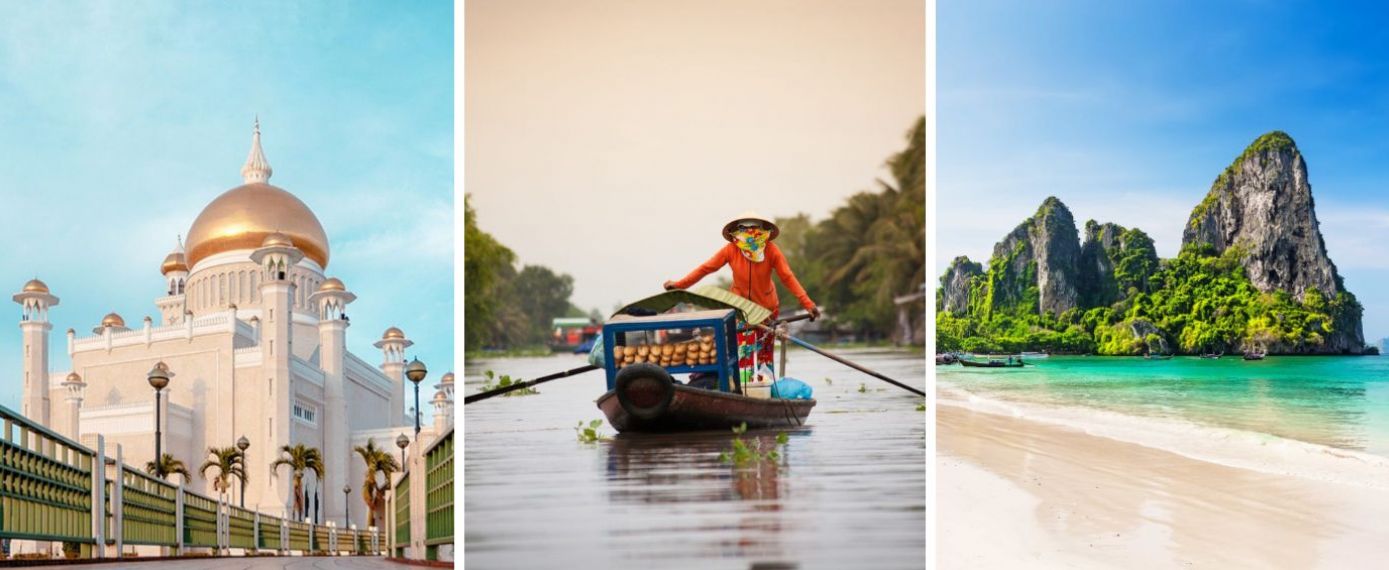
See the many sides of Southeast Asia on this immersive 25-day journey through Brunei, Vietnam, and Thailand. Begin in the tranquil capital of Bandar Seri Begawan, then explore Vietnam's dynamic mix of culture and nature, from the bustling streets of Ho Chi Minh City and the waterways of the Mekong Delta to the lantern-lit charm of Hoi An, the historic capital of Hanoi, and the emerald waters of Halong Bay. Continue to Thailand to experience the energy of Bangkok, discover the rich culture and mountain scenery of Chiang Mai, and unwind on the white-sand beaches and crystal-clear waters of Phuket, creating the perfect balance of discovery, culture, and relaxation.
25 days
Private Tour
Vietnam, Malaysia, Philippines
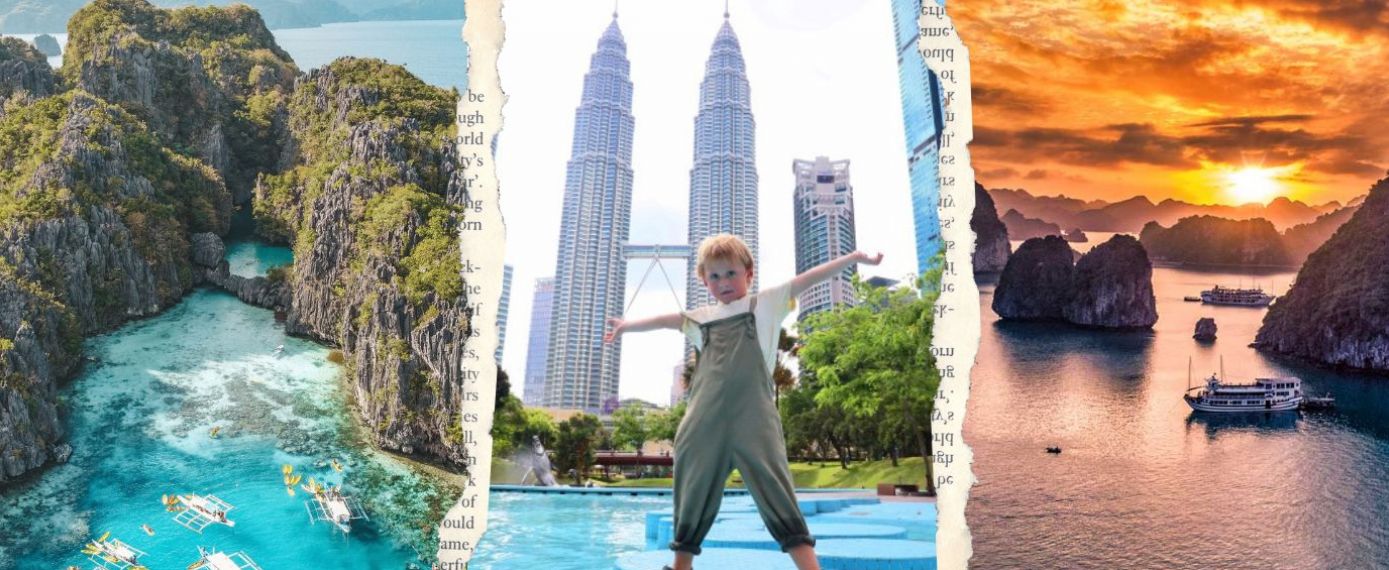
Set off on an incredible 20-day journey designed for families to explore the vibrant cultures, natural wonders, and warm hospitality of Vietnam, Malaysia, and the Philippines. From bustling streets and historic landmarks to tropical beaches and hands-on local experiences, this adventure offers something for every member of the family. Discover the heart of Southeast Asia together, creating memories that will last a lifetime.
20 days










SOUTHEAST ASIA TRAVEL COMPANY LIMITED
Southeast Asia Travel is an award-winning travel company specializing in bespoke, private and luxury tour packages across Vietnam, Laos, Cambodia, Thailand, Singapore, Malaysia, Indonesia, Myanmar, the Philippines and beyond. With over 15 years of industry expertise, we have guided more than 30,000 travelers on unforgettable journeys through the heart of Southeast Asia. Every Southeast Asia Tour we create is fully customized to reflect your interests, whether you seek hidden gems, iconic landmarks or personalized experiences.
Read more Follow us
You can visit us at: