



As global travel continues to evolve, 2026 is shaping up to be a transformative year for tourism in Southeast Asia. Travelers are no longer chasing crowded landmarks or rigid itineraries. Instead, they’re seeking quieter moments, deeper cultural connections, and smarter ways to travel, but balanced by a desire to disconnect.
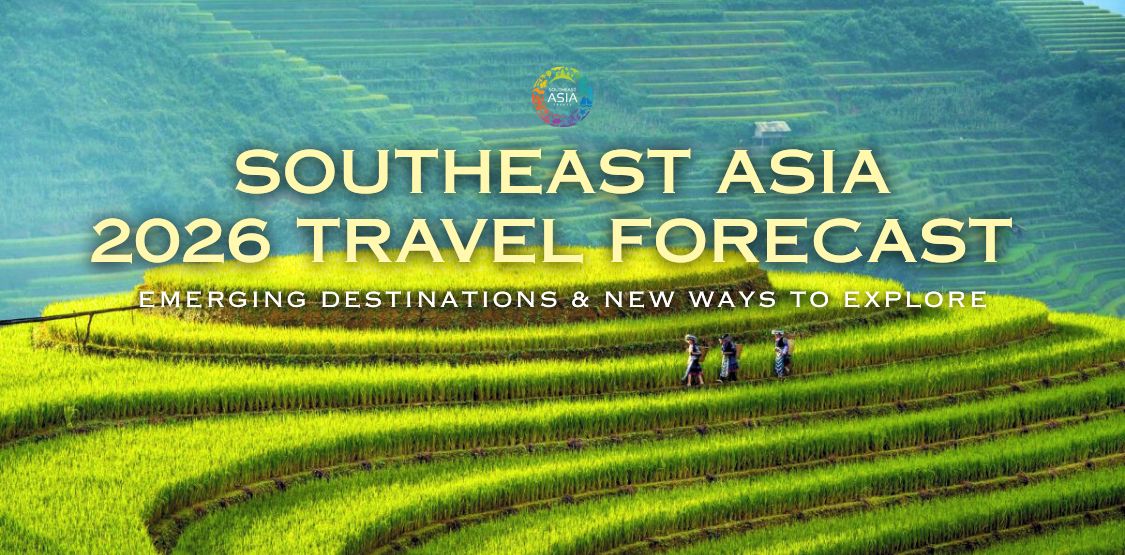
From tucked-away islands to lesser-known river towns, Southeast Asia is perfectly positioned to meet these changing expectations. Here’s a look at the expected travel trends for 2026 and the emerging destinations set to capture travelers’ hearts.
Key Travel Trends Shaping 2026
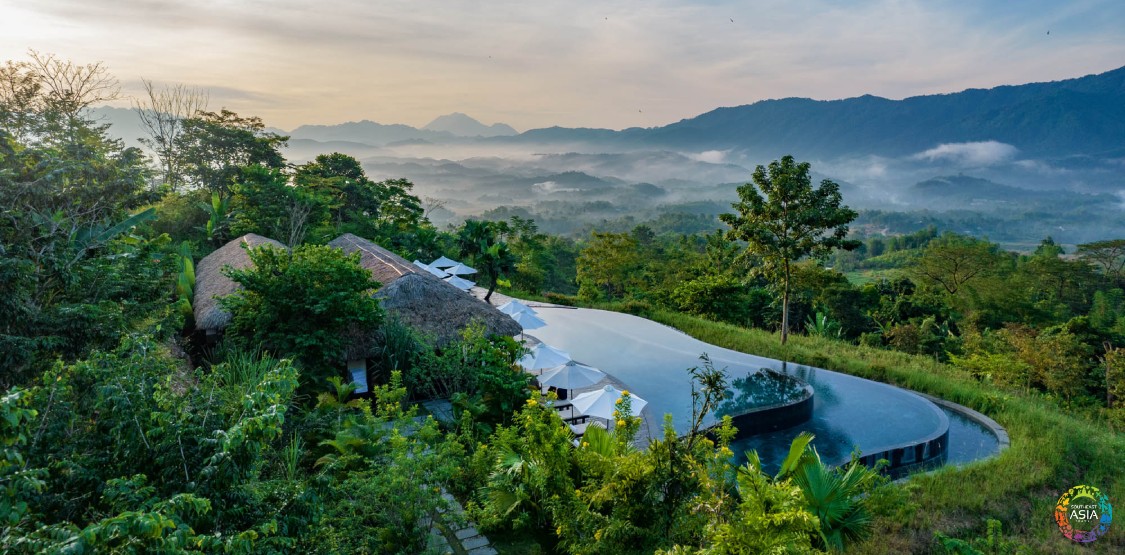
1. Quiet Travel: Slow Down, Tune In
In 2026, travel is less about ticking boxes and more about restoration and presence. Slow travel, wellness journeys, and digital detox experiences are gaining momentum, especially among travelers feeling overwhelmed by constant connectivity.
In Southeast Asia, the phrase translates to:
- Multi-night stays in nature-rich locations
- River cruises, countryside retreats, and island hideaways
- Spa-focused travel, meditation, and holistic wellness programs
- Destinations that offer peace, authenticity, and space will be the true winners.
2. Ultra-Personalized Experiences: Travel That Reflects You
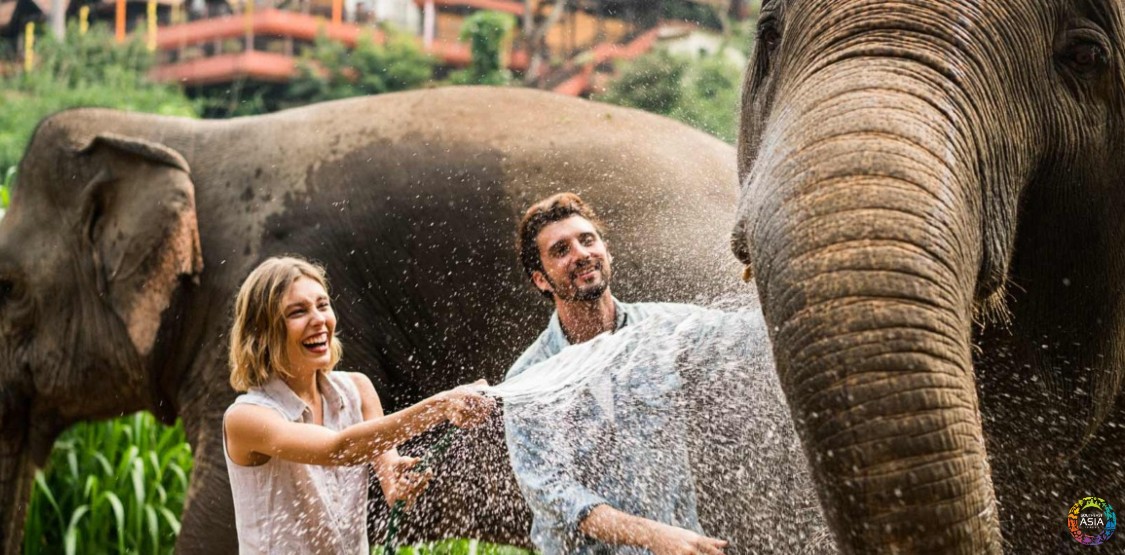
Mass tourism is giving way to highly personalized journeys. Travelers want trips tailored to their interests, whether that’s wildlife conservation, culinary exploration, heritage discovery, or hands-on cultural immersion. Personal storytelling and meaningful interactions matter more than luxury labels.
Expect growing demand for:
- Private guides and custom itineraries
- Wildlife encounters with ethical operators
- Cultural workshops, local markets, and village visits
3. Off-Grid Adventures: Beyond the Beaten Path
With overtourism still a concern, travelers in 2026 are actively seeking less-visited, low-impact destinations. Southeast Asia has countless alternatives to famous hotspots, without sacrificing beauty or depth.
Off-grid travel often includes:
- Secondary cities and rural regions
- Eco-lodges, boutique cruises, and community-based tourism
- Slower transportation routes like rivers and scenic roads
These destinations appeal strongly to conscious travelers and repeat visitors to the region.

4. Shorter but More Frequent Trips (Especially with Family)
Instead of one long annual holiday, travelers are choosing shorter, more frequent getaways, often aligned with school breaks or flexible work schedules.
This trend favors:
- Easy-access destinations
- All-in-one experiences like cruises or resorts
- Family-friendly itineraries with educational value
Southeast Asia’s proximity, affordability, and diversity make it ideal for these bite-sized adventures.
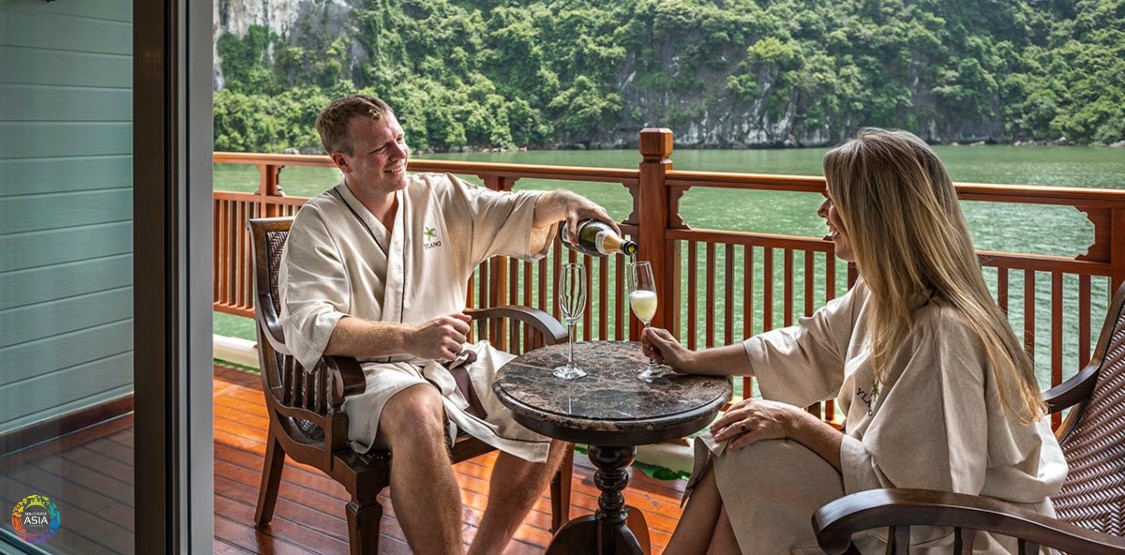
5. AI-Powered Travel: Smart Planning, Real-World Challenges
AI tools are now mainstream in trip planning, helping travelers compare routes, personalize itineraries, and manage budgets. However, 2026 also brings new challenges: over-optimized itineraries, misinformation, and less human interaction.
Savvy travelers are learning to:
- Use AI for inspiration, not full control
- Rely on local expertise for on-the-ground experiences
- Balance digital convenience with authentic discovery
Human touch remains essential, especially in culturally rich destinations like Southeast Asia.
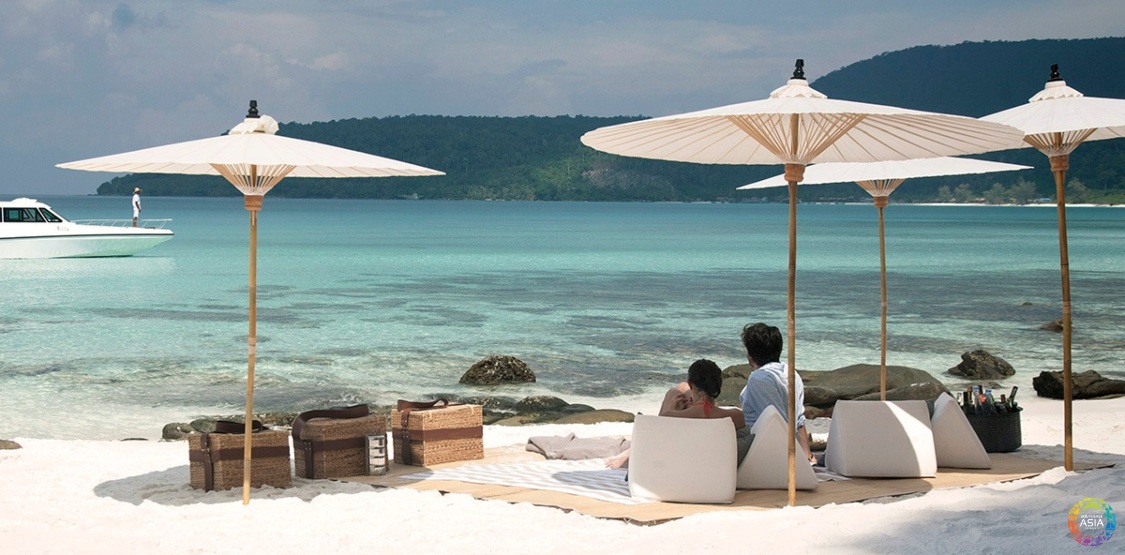
Emerging Destinations in Southeast Asia for 2026
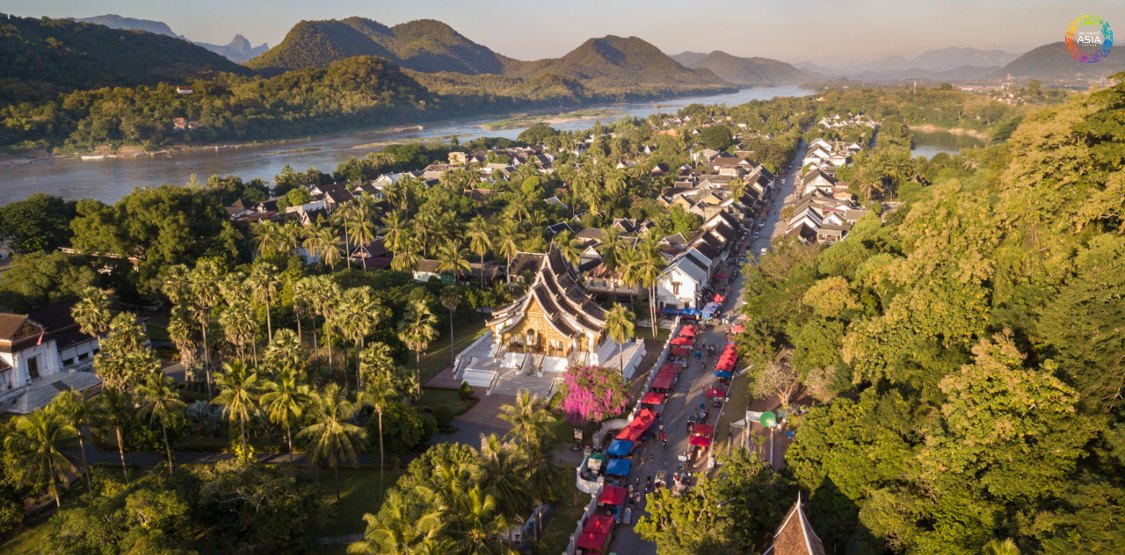
Northern Laos (Luang Prabang & Beyond)
A haven for slow travel lovers, northern Laos offers river journeys, spiritual heritage, and unspoiled landscapes. Luang Prabang remains charming, while nearby villages and Mekong River routes provide deeper immersion.
Why 2026: Sustainable tourism initiatives and boutique river cruises are elevating the region without overwhelming it.
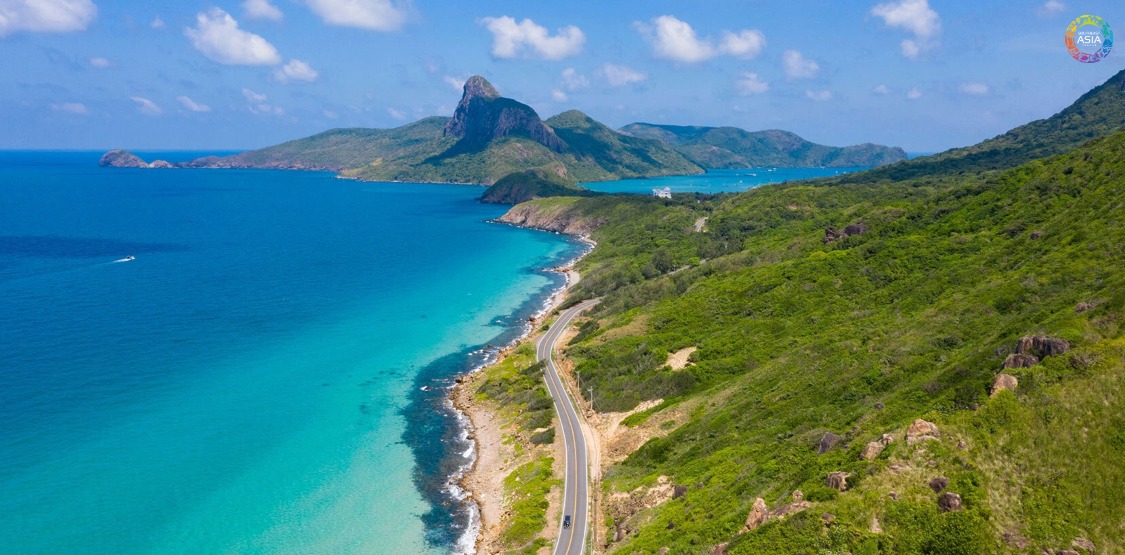
Southern Vietnam’s Lesser-Known Islands (Con Dao & Phu Quy)
Beyond Phu Quoc, islands like Con Dao and Phu Quy are emerging as tranquil alternatives in Vietnam, ideal for far-off escapes, wellness retreats, and marine-focused travel.
Perfect for: quiet luxury, eco-travelers, and mindful beach holidays.
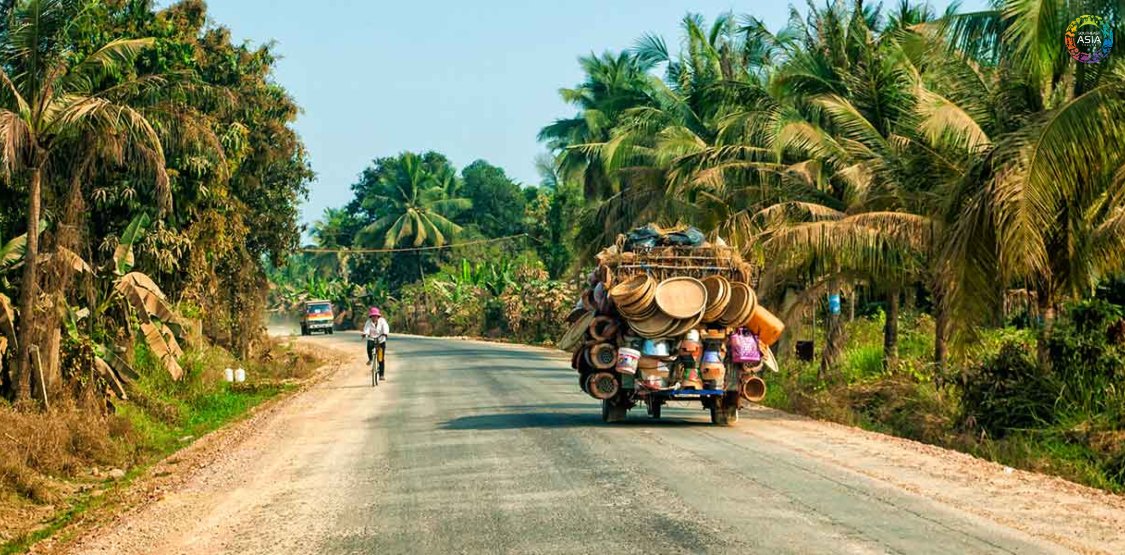
Cambodia Beyond Angkor (Battambang & Upper Mekong)
While Angkor remains iconic, travelers are venturing deeper into Cambodia’s countryside. Battambang’s arts scene and the upper Mekong’s river life deliver authentic cultural experiences.
Trend match: Ultra-personalized and cultural exploration.
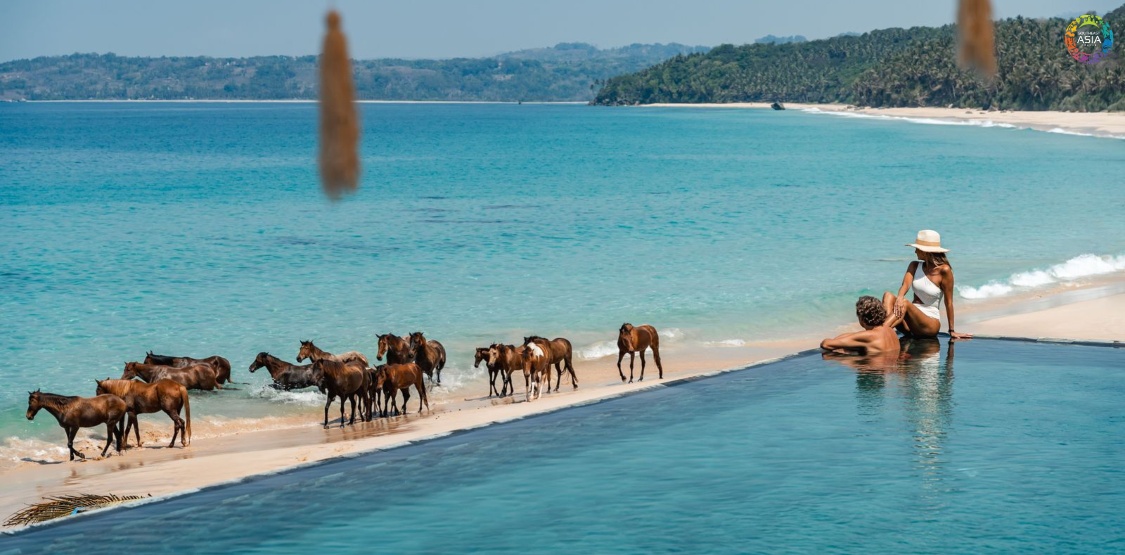
Eastern Indonesia (Flores, Alor, Sumba)
For seasoned travelers, eastern Indonesia delivers raw beauty: dramatic landscapes, traditional villages, and world-class diving, without the crowds of Bali.
Best for: Adventure seekers and thrill explorers in 2026.
Northern Thailand’s Quiet Provinces (Nan & Mae Hong Son)
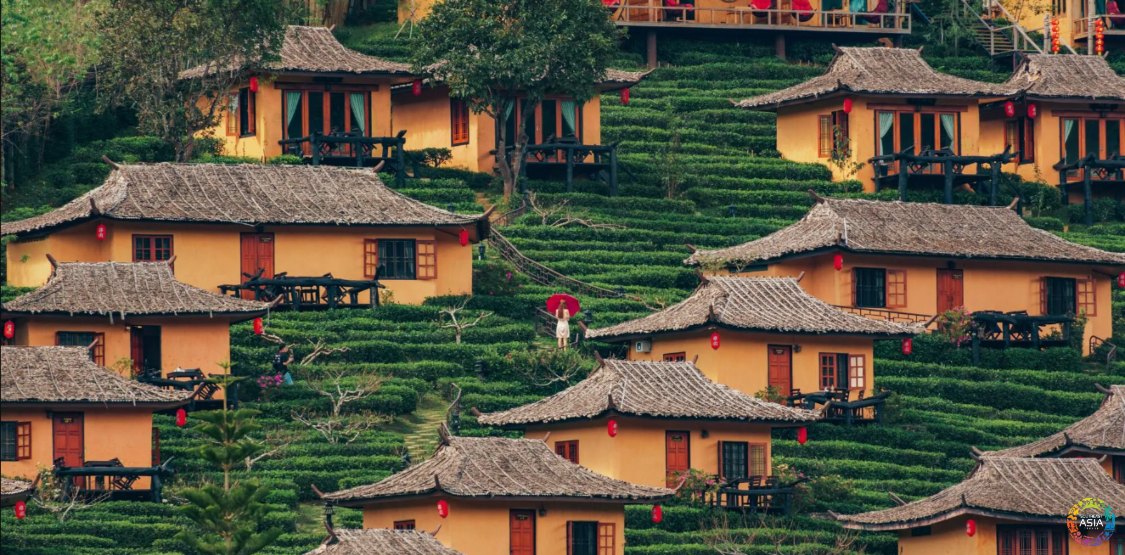
Away from Chiang Mai’s buzz, these provinces show misty mountains, slow village life, and rich ethnic traditions, perfect for short, rejuvenating trips in Thailand.
Ideal for: wellness, slow travel, and family-friendly nature escapes.
Southeast Asia stands at the crossroads of tradition and transformation. Its diversity allows travelers to disconnect without feeling disconnected, to personalize journeys without excess, and to explore responsibly without sacrificing comfort. As 2026 approaches, the region isn’t just keeping up with global travel trends; it’s defining them.
For tailored itineraries, emerging destinations, and future-ready experiences in Southeast Asia Travel, now is the time to start planning ahead.