


Lunar New Year, often called Chinese New Year or Tết in Vietnam, is one of the most meaningful, colorful, and emotionally rich celebrations in Southeast Asia. If you’re planning to travel during Lunar New Year 2026, preparing in advance will make all the difference between a smooth cultural adventure and unexpected travel stress.
-ori.jpg)
A Brief Introduction to Lunar New Year in Southeast Asia
Lunar New Year is widely celebrated by ethnic Chinese communities, people of Chinese heritage, and the Vietnamese, among others. While the customs vary slightly by country, the spirit is the same: welcoming a new year with luck, health, prosperity, and family unity.
In Vietnam, the holiday is known as Tết Nguyên Đán and is the most important festival of the year. Across Singapore, Malaysia, Thailand, Indonesia, and the Philippines, Lunar New Year is equally festive, especially in major cities with strong Chinese cultural roots.
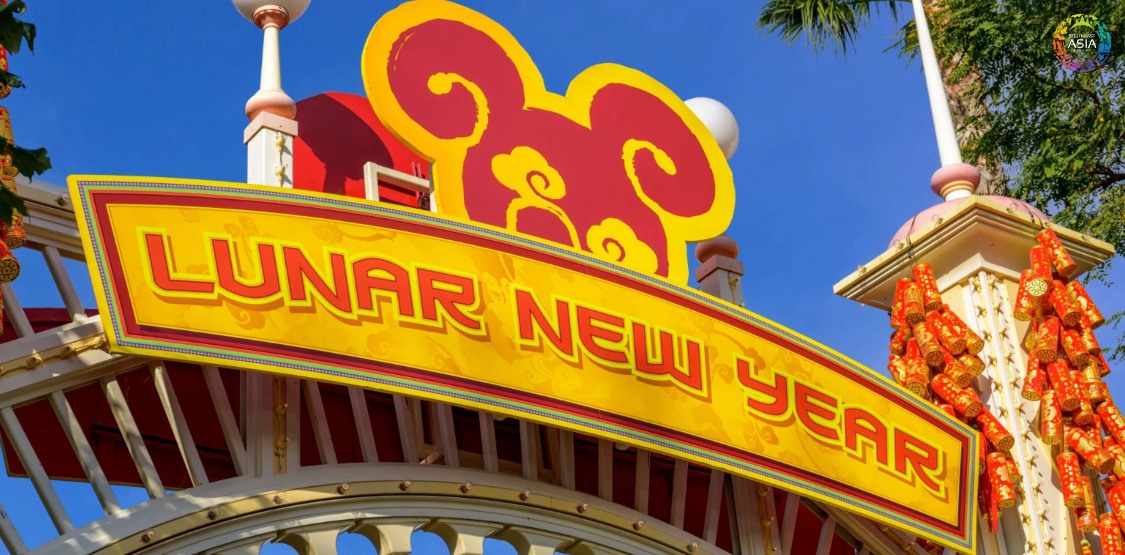
Key Traditions Travelers Should Understand
1. Zodiac Year Meaning
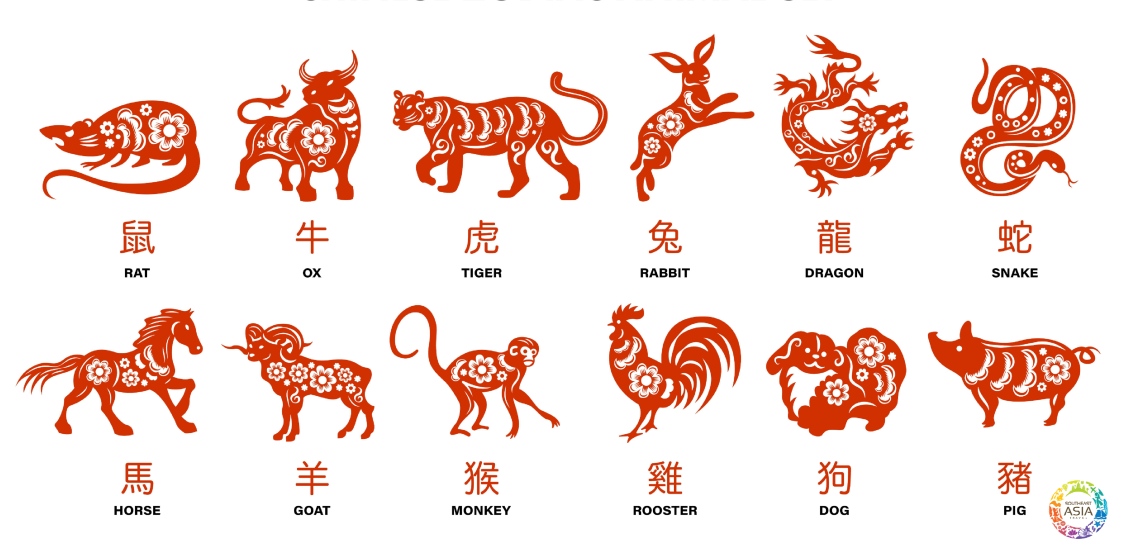
Each Lunar New Year marks a new animal in the 12-year zodiac cycle. The zodiac animal influences beliefs about luck, personality traits, and even travel or business decisions for the year. You’ll often see zodiac symbols in decorations, gifts, and public art throughout the region.
2. House Cleaning & Decorations
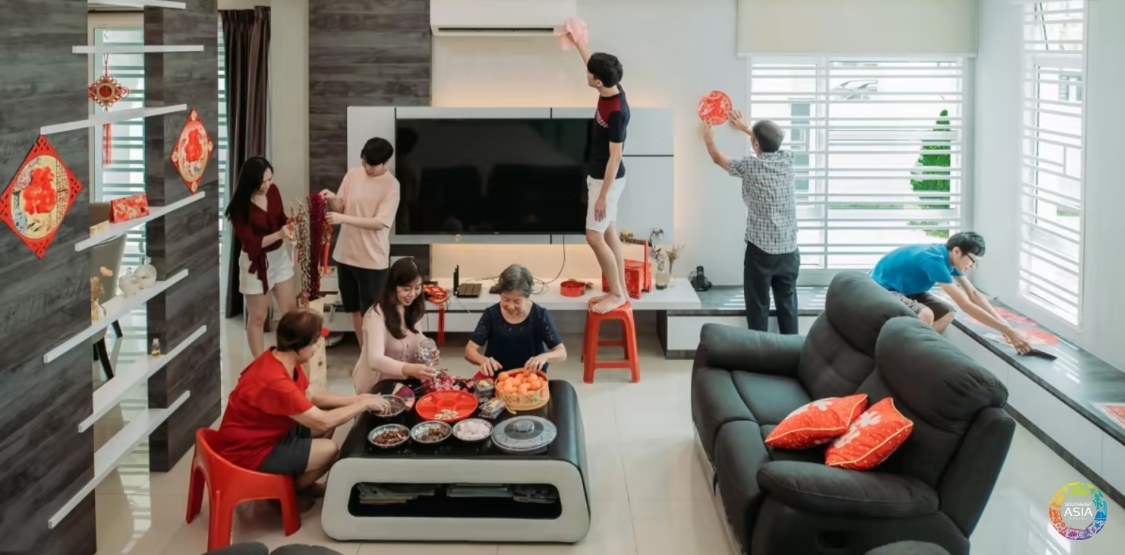
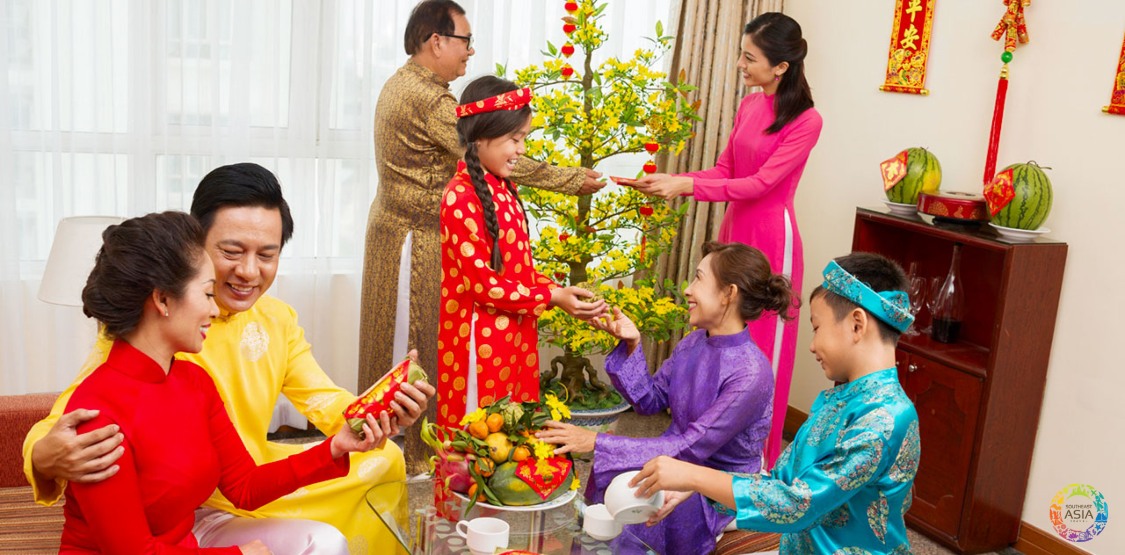
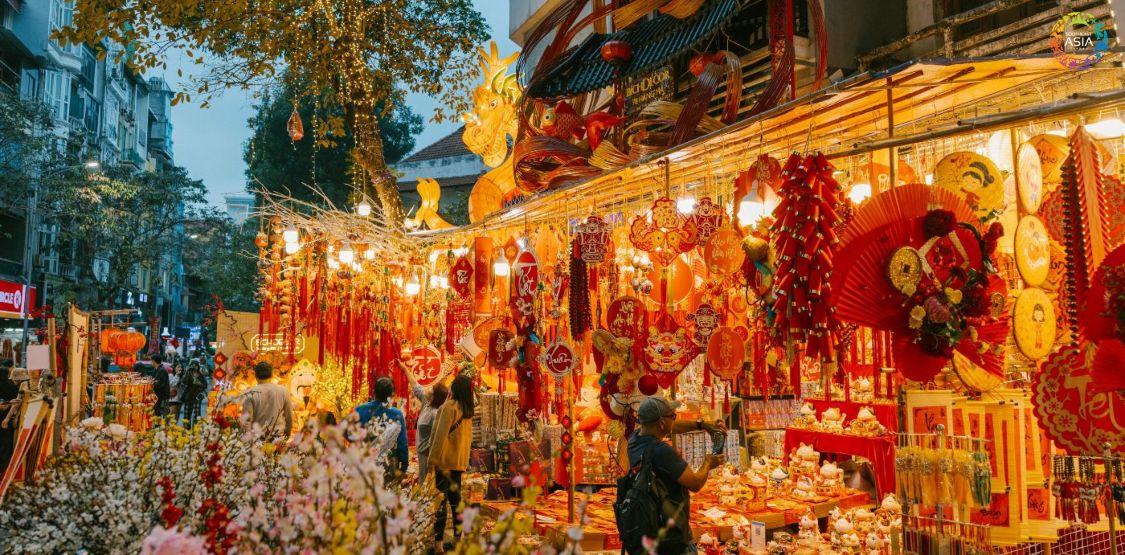
In the weeks before Lunar New Year, families clean their homes thoroughly to sweep away bad luck and welcome new beginnings. Streets, malls, and hotels are decorated with red lanterns, flowers, kumquat trees, peach blossoms, and calligraphy banners.
Tip for travelers: This pre-holiday period is lively and photogenic, but also busy.
3. Red Envelopes (Hongpao/Angpao/Lì Xì)
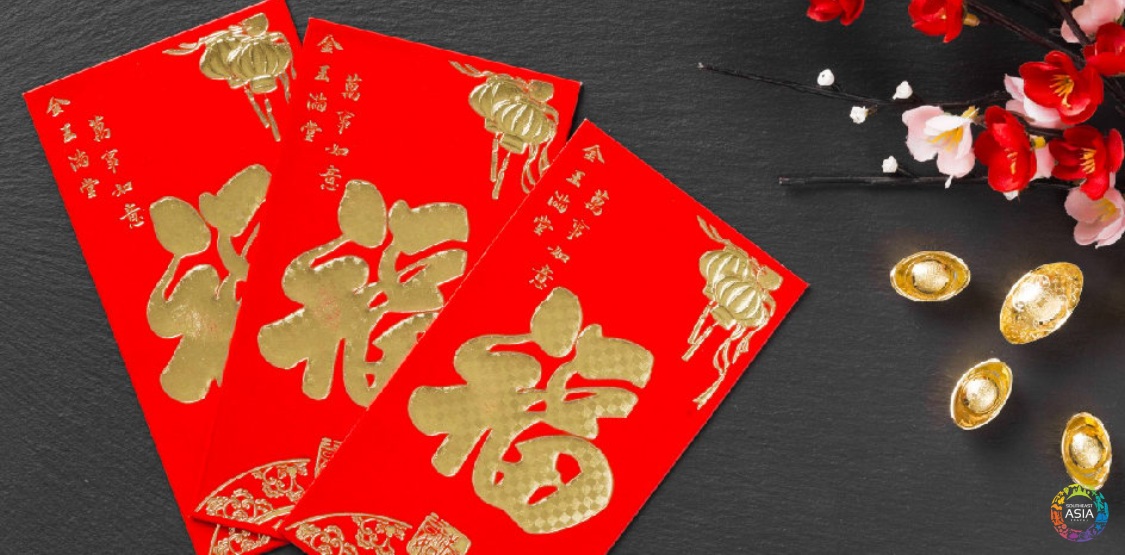
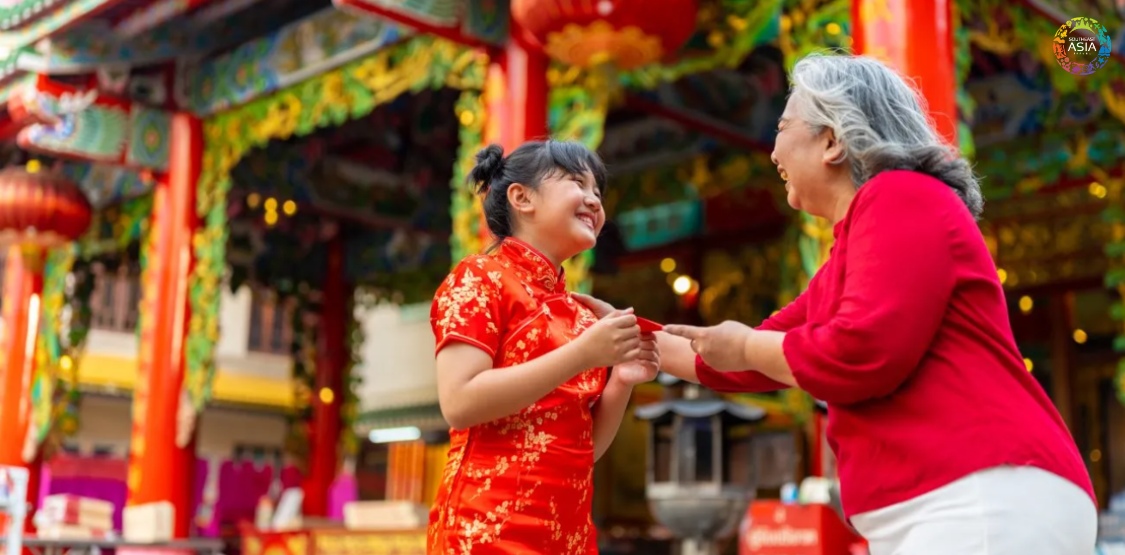
Red envelopes filled with money are traditionally given to children, elders, or staff as a symbol of good fortune and blessings. As a traveler, you’re not expected to give them, but you’ll likely see them exchanged everywhere, especially in hotels, shops, and homes.
4. Lanterns & Light Displays
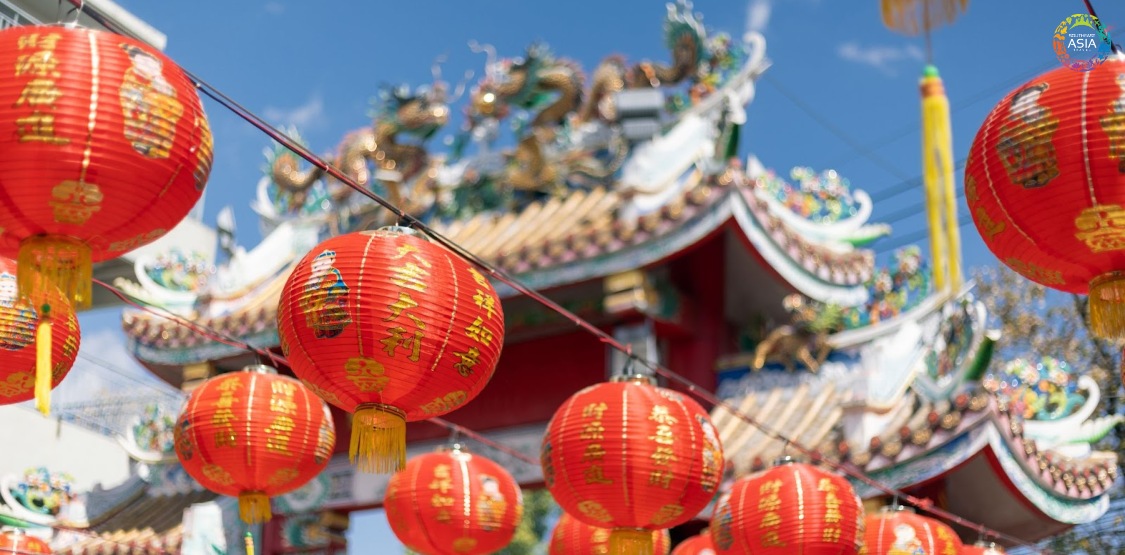
Lanterns play an important role during Lunar New Year, symbolizing hope, prosperity, and the lighting of a new path forward. Cities across Southeast Asia decorate streets, temples, and shopping areas with glowing red lanterns and themed light installations, especially in Chinatowns and cultural districts. Evening walks during this period are particularly magical.
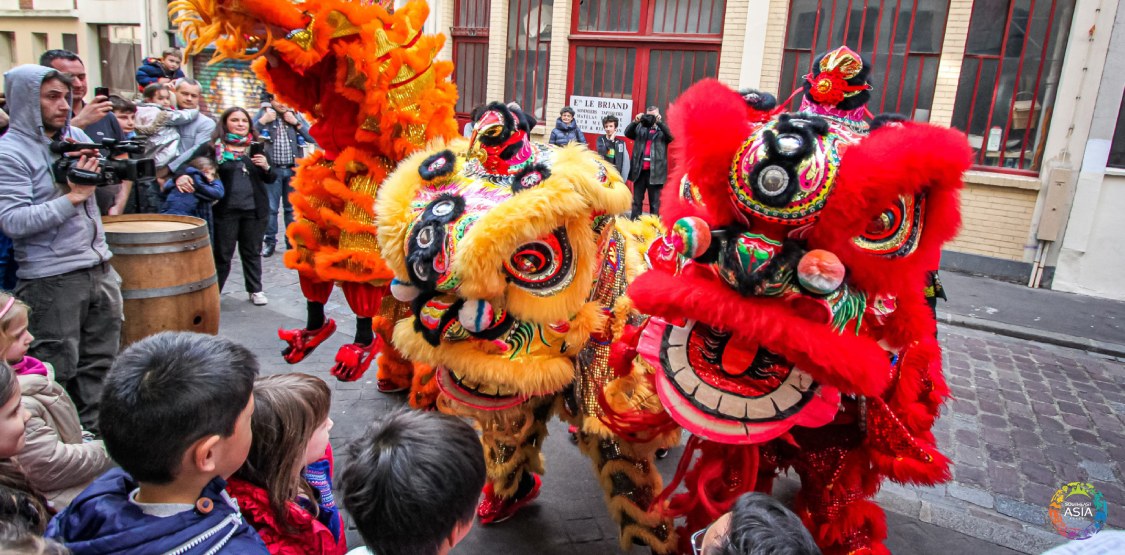
5. Dragon & Lion Dances
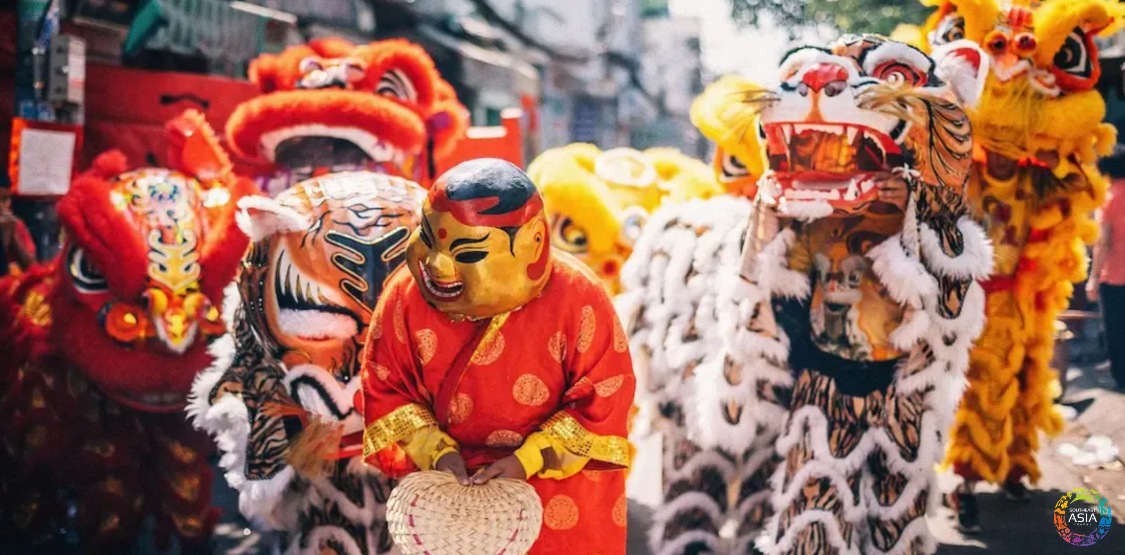
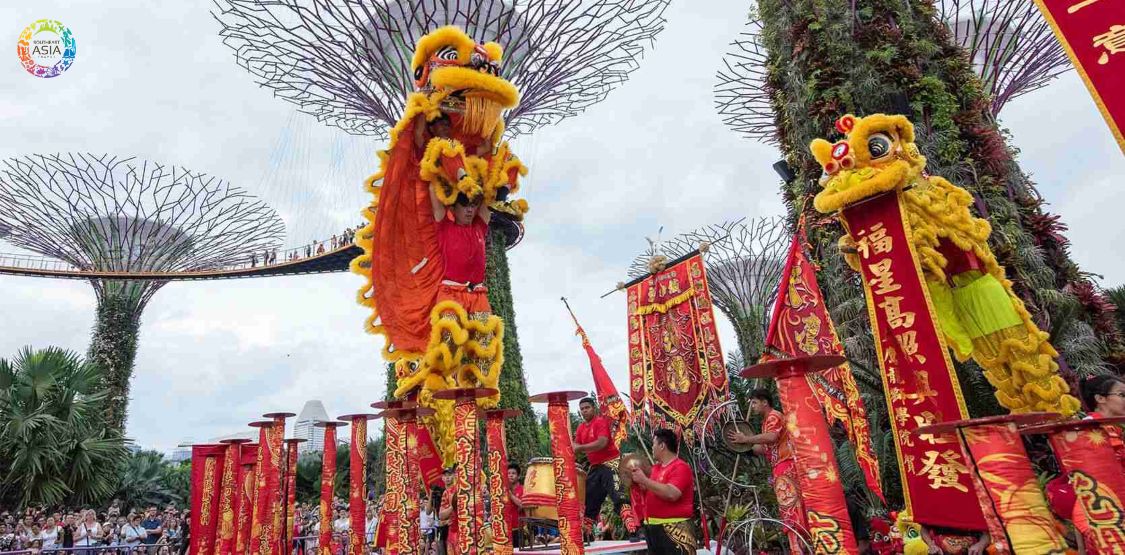
Dragon and lion dances are among the most exciting Lunar New Year traditions. Performed to the rhythm of drums, cymbals, and gongs, these dances are believed to chase away evil spirits and bring good fortune. Travelers can often watch performances in temples, shopping malls, hotels, and main streets, especially during the first few days of the new year.
Traveler tip: If you hear drums and firecrackers, follow the sound; you’re likely about to witness a lively cultural performance.
What to Expect When Traveling During Lunar New Year 2026
Crowds & Closures
- Domestic travel peaks as people return home.
- Some family-run shops and restaurants may close for several days.
- Tourist attractions usually remain open, especially in major cities.
Higher Prices
Flights, trains, and hotels may cost more, particularly around the main holiday dates. Booking early, ideally one month ahead, is essential.
A Slower Pace
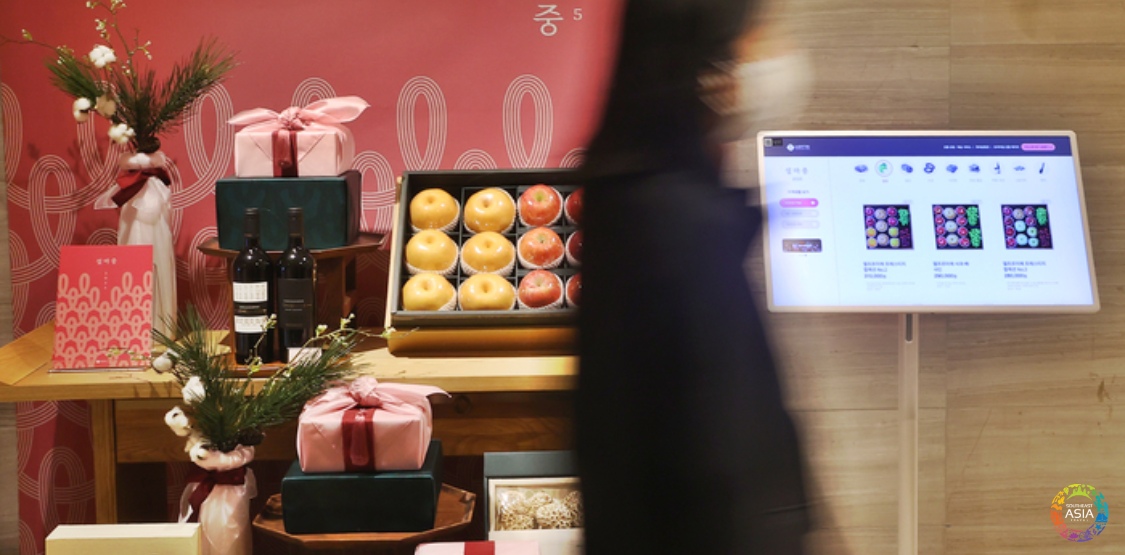
In some destinations, daily life slows down. Expect fewer services in smaller towns but warmer hospitality in tourist areas.
Local Etiquette to Keep in Mind
- Wear red or bright colors if possible; black and white are associated with mourning.
- Avoid negative language or complaints during the holiday period.
- Be respectful at temples: dress modestly and follow local customs.
- Ask before photographing family rituals or religious ceremonies.
- A little cultural sensitivity goes a long way and is often rewarded with smiles and friendly conversations.
Practical Travel Tips Before You Go
- Book flights, cruises, and hotels early (especially in Vietnam and Singapore).
- Confirm holiday schedules for transport, tours, and attractions
- Carry cash; some smaller businesses may pause card payments.
- Plan flexible itineraries in case of sudden closures or traffic congestion
Best Places in Southeast Asia to Celebrate Lunar New Year 2026
Vietnam
Experience Tết at its most authentic. Hanoi and Ho Chi Minh City come alive with flower markets, family gatherings, fireworks, and temple visits. Rural areas offer quieter, deeply traditional experiences.
Thailand
While not a public holiday nationwide, Chinatown in Bangkok (Yaowarat) hosts lively parades, dragon dances, and street food celebrations.
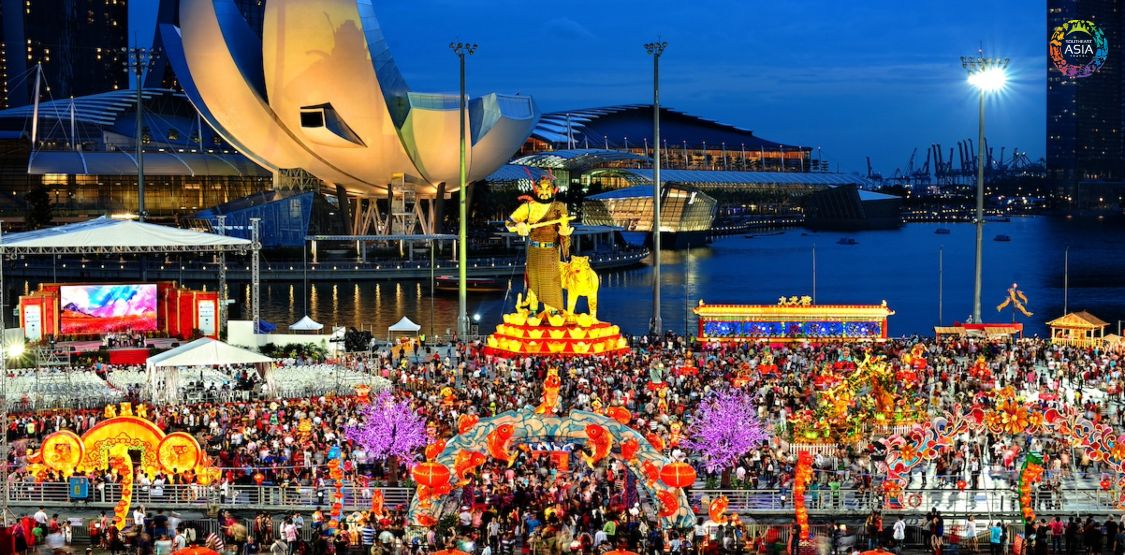
Singapore
One of the best destinations for travelers, expect organized events, clean streets, and stunning festivities in Chinatown, Marina Bay, and shopping districts.
Malaysia
Kuala Lumpur and Penang blend Chinese, Malay, and Indian influences. Open houses, lantern displays, and food festivals are highlights.
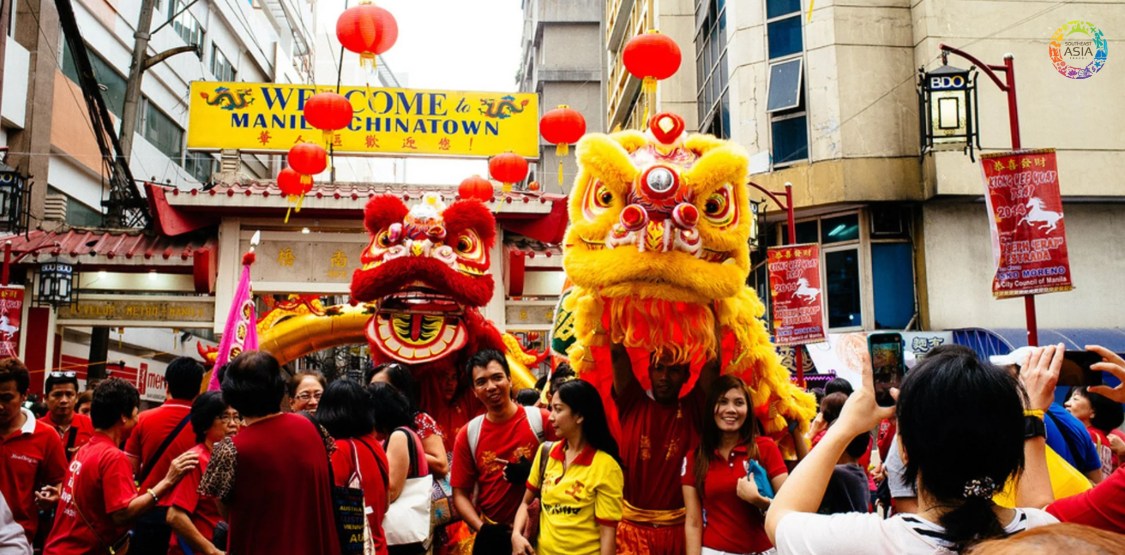
Philippines
In Manila and cities like Cebu, Lunar New Year is celebrated in Chinese communities with parades, fireworks, and cultural shows.
Indonesia
Jakarta and Medan host colorful celebrations in Chinese temples and heritage areas, offering a quieter but meaningful holiday experience.
FAQs: Lunar New Year 2026 Travel in Southeast Asia
When is Lunar New Year 2026?
Lunar New Year 2026 begins on February 17, 2026, with celebrations typically lasting from several days up to two weeks, depending on the country and local traditions. Travel demand usually increases from late January through mid-February.
What is the animal of Lunar New Year 2026?
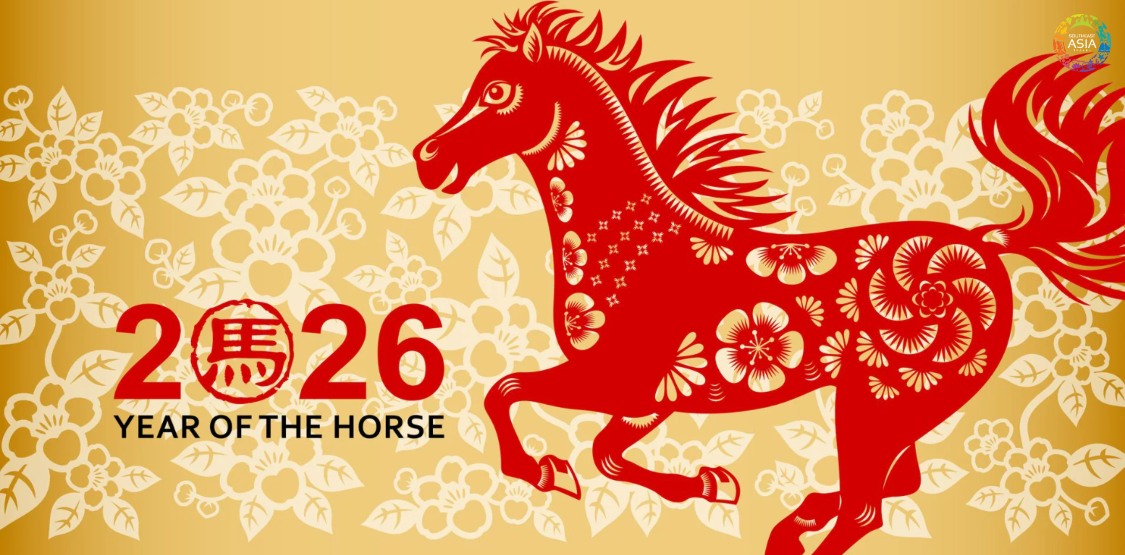
According to the Chinese zodiac, 2026 is the Year of the Horse. The horse symbolizes energy, independence, movement, and adventure, a fitting theme for travelers planning journeys across Southeast Asia during the new year.
What should travelers do during Lunar New Year?
Travelers can:
- Visit temples and pagodas to observe local rituals
- Explore flower markets and street decorations
- Enjoy festive foods and New Year menus
- Watch dragon dances, fireworks, and cultural performances
- Experience local traditions while respecting family-focused moments
- Being observant and respectful is often the best way to participate.
What should travelers avoid during Lunar New Year?
- Avoid negative language or confrontations during the holiday.
- Do not photograph private family ceremonies without permission.
- Expect limited services in small towns during the main holiday days.
- Avoid last-minute bookings due to high demand and surcharges.
Is Lunar New Year a good time to travel to Southeast Asia?
Yes, if planned in advance. While transport and accommodation may be busier and more expensive, Lunar New Year offers a unique cultural experience that many travelers consider a highlight of their trip.