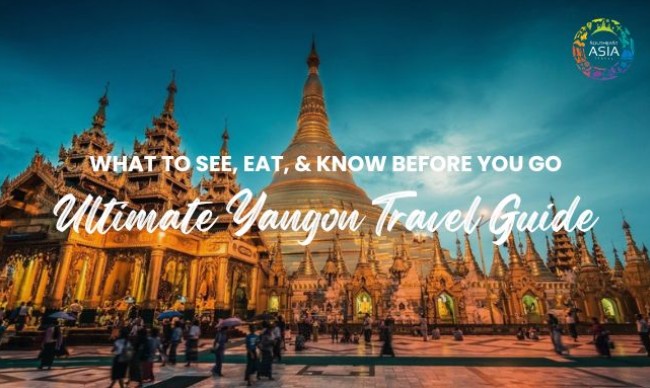

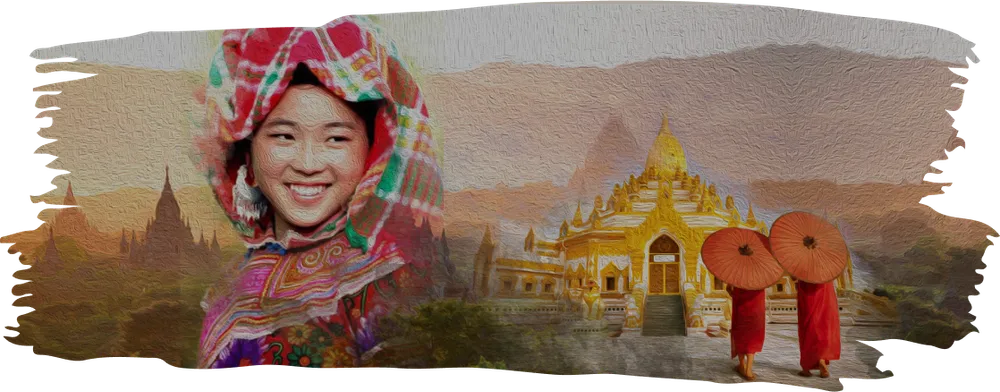


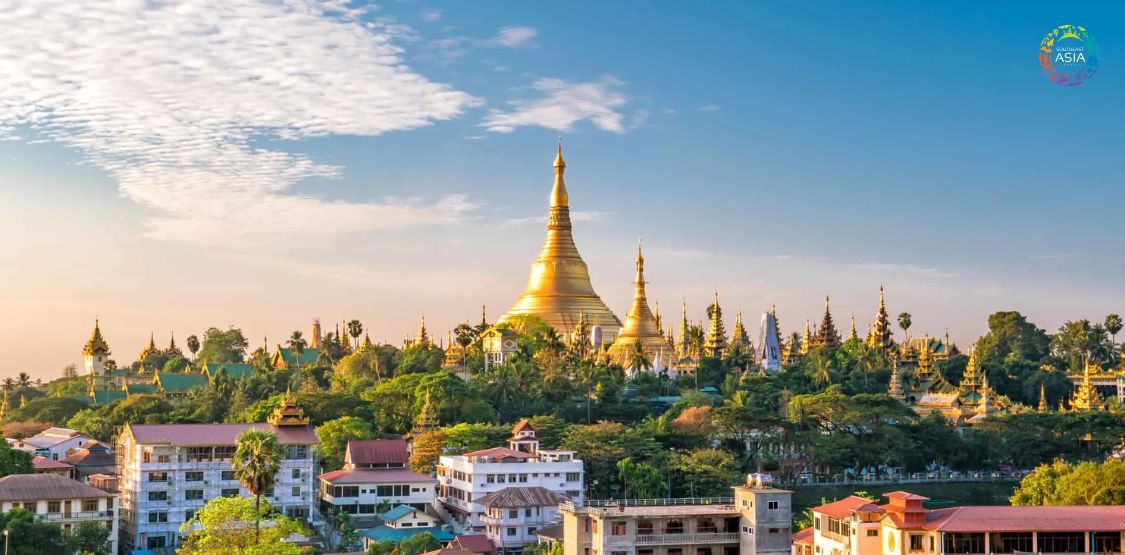
Yangon does not announce itself with futuristic skylines or a nonstop party scene. Instead, it reveals itself slowly: through the golden glow of Shwedagon Pagoda at sunset, the scent of tea drifting from a tiny roadside shop, colonial buildings weathered by time, crowded markets, and ordinary streets where monks, office workers, vendors, and families share the same rhythm.
Once the capital of Myanmar, Yangon remains the country's largest city and one of Southeast Asia's most fascinating urban destinations. It feels distinctly different from Bangkok, Singapore, or Ho Chi Minh City. There are no motorbikes filling every intersection, old colonial buildings stand beside Buddhist shrines, and traditional life remains remarkably visible beneath the surface of a modern city.
For travelers interested in history, culture, food, photography, and authentic local experiences, Yangon can be especially rewarding.
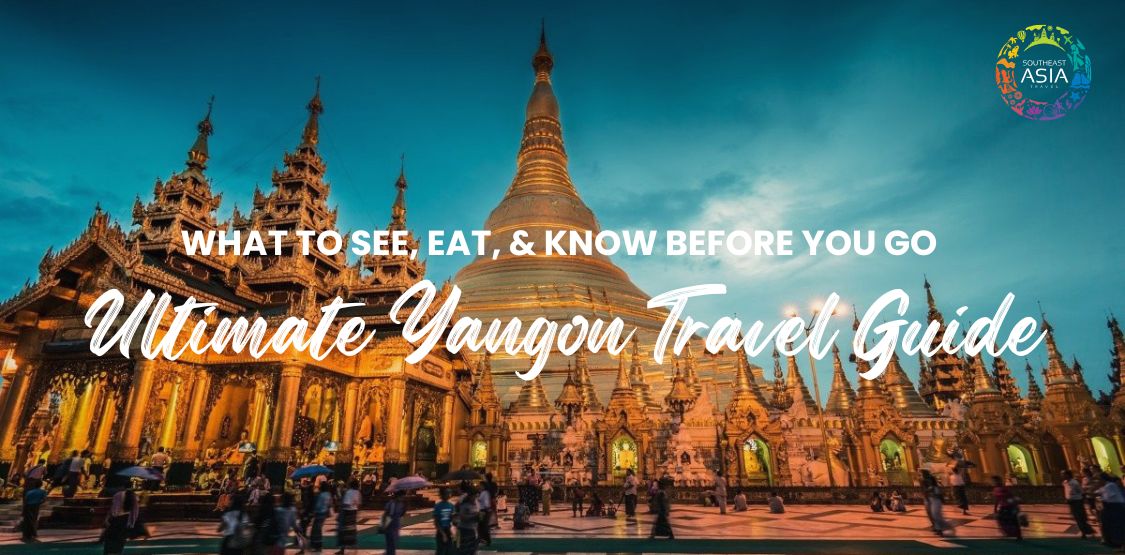
This Yangon travel guide covers everything you need to plan a visit, from the best time to go and where to stay to what to eat, how to get around, local etiquette, and important safety considerations.
1. Yangon at a Glance
- Country: Myanmar
- Former capital: Yes, Yangon was Myanmar's capital until 2006
- Best known for: Shwedagon Pagoda, colonial architecture, markets, and street food
- Recommended stay: 2-3 days
- Currency: Myanmar kyat (MMK)
- Language: Burmese
- Time zone: Myanmar Standard Time (UTC+6:30)
- Main airport: Yangon International Airport
Yangon is generally easy to explore in two or three days, although travelers who enjoy photographing streets, trying local food, or simply wandering without a strict schedule may happily stay longer.
2. Best Time to Visit Yangon
Yangon has a tropical monsoon climate, with a cooler and drier period, a hot season, and a long rainy season. The most comfortable months for sightseeing are generally November to February, when rainfall is lower, and humidity is more manageable.
November to February: The best weather
This is the most pleasant time to explore Yangon's temples, markets, and historic streets. Days are warm but generally more comfortable than during the hot season, while rain is relatively limited. It is also a good time for long walking tours and photography.
March to April: Hot season
Yangon becomes considerably hotter, with high temperatures and humidity making midday sightseeing tiring. If you visit during these months, start early, take breaks in tea shops or cafés, and save outdoor activities for morning and late afternoon.
May to October: Monsoon season
Rain becomes a major part of everyday life. A tropical downpour can arrive suddenly, sometimes transforming streets into rivers within a short time. On the positive side, the city can feel quieter and beautifully green.
If you travel during the monsoon, bring lightweight rainwear, waterproof bags for electronics, and shoes that can cope with wet streets.
Best overall choice: November to February for comfortable sightseeing.
3. How Many Days Do You Need in Yangon?
For most first-time visitors, 2-3 days is ideal. We recommend spending three days if your itinerary allows it. Yangon is not a city you need to rush through. Some of its most memorable moments happen between the major attractions: sitting in a tea shop, watching a market come alive, or simply walking beneath the city's old trees.
1 Day in Yangon
With only one day, concentrate on the city's greatest highlights:
- Morning: Downtown Yangon and Sule Pagoda
- Lunch: Local Burmese food
- Afternoon: Bogyoke Aung San Market
- Late afternoon: Shwedagon Pagoda
- Evening: Burmese dinner or tea shop
2 Days in Yangon
Two days allow you to combine the major sights with more local experiences.
Day 1: Downtown + colonial architecture + Sule Pagoda + Shwedagon Pagoda
Day 2: Bogyoke Market + Yangon Circular Railway + local neighborhoods + Kandawgyi Lake
3 Days in Yangon
Three days are ideal if you prefer to travel slowly. Add Chauk Htat Gyi Pagoda, Nga Htat Gyi Pagoda, museums, parks, cafés, and longer neighborhood walks.
A Simple Yangon Route
A useful mental map for first-time visitors is:
Downtown → Sule Pagoda → Bogyoke Market → Kandawgyi → Chauk Htat Gyi → Shwedagon Pagoda
The attractions are not all within walking distance of one another, so use taxis between clusters rather than walking the entire route.
4. How to Get to Yangon
By Air
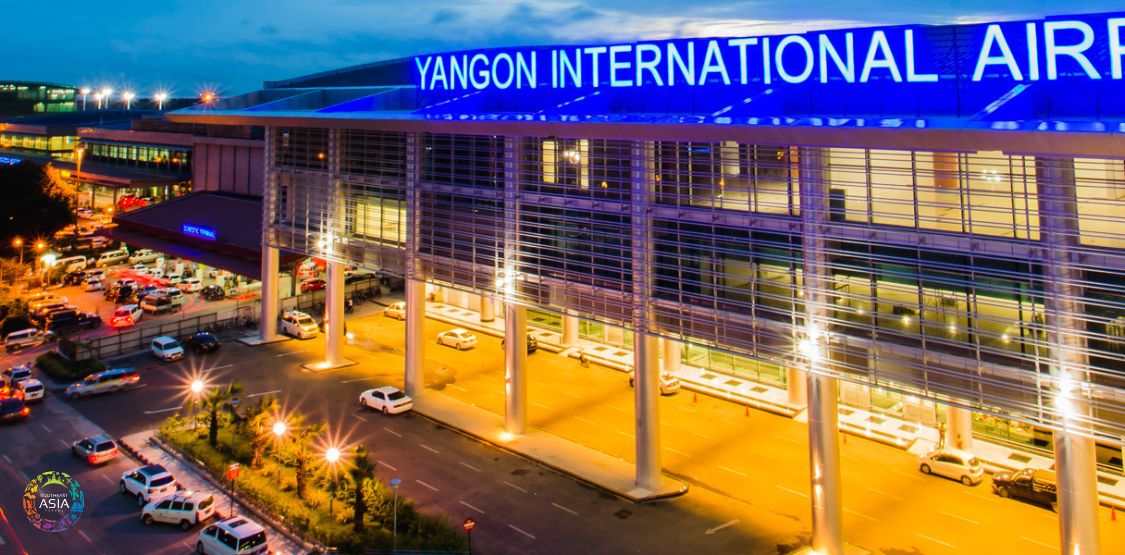
Most international visitors arrive at Yangon International Airport (RGN). From the airport, taxis and ride-hailing services are the main options for reaching the city. Yangon is also connected by domestic flights to other destinations in Myanmar.
By Bus
Long-distance buses connect Yangon with other major cities. Bus travel can be useful for budget travelers, but journey times and road conditions can vary.
For longer journeys, consider a reputable operator and check the latest departure information rather than relying on an old timetable.
By Train
Yangon is the country's main railway hub. Arriving by train can be an interesting experience for travelers who enjoy slow travel, though rail journeys are generally more about the journey than about speed or efficiency.
5. How to Get Around Yangon
Yangon is surprisingly distinctive when it comes to transportation.
Taxis and ride-hailing
Taxis are among the easiest ways to get around the city. GrabTaxi currently operates in Yangon and offers upfront fares through its app, which can be particularly convenient for visitors who do not want to negotiate every journey.
Street taxis are also available, but agree on the fare before setting off if the taxi does not use a meter.
Public buses
Yangon Bus Service provides an inexpensive way to travel around the city. However, routes can be confusing for first-time visitors, especially if you cannot read Burmese.
Yangon Circular Railway
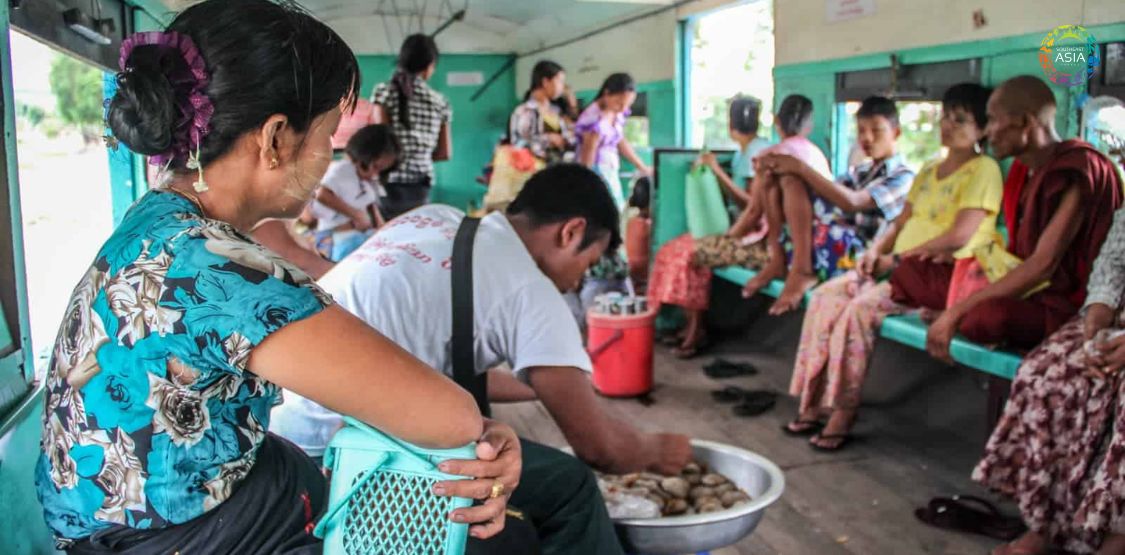
For an authentic local experience, take the Circular Railway. It is less about getting somewhere quickly and more about seeing everyday Yangon.
Walking
Downtown is the best part of Yangon for walking. Give yourself time to explore side streets rather than following only the main tourist route.
Private driver
A private car and driver can make sense for families, photographers with equipment, or travelers visiting several attractions in one day.
One unusual fact: Where are the motorcycles?
If you've traveled elsewhere in Southeast Asia, you may immediately notice something strange: Yangon has remarkably few motorcycles.
Fuel-powered motorcycles have been banned from most of Yangon since 2003, making the city an unusual exception in a region famous for two-wheelers. The result is a city dominated by cars, taxis, and buses, which unfortunately also means traffic congestion can be significant. So allow extra travel time during busy periods.
6. Where to Stay in Yangon
Downtown Yangon
Best for: first-time visitors, history, food, and walking.
Downtown is the most atmospheric choice if you want colonial buildings, markets, street food, and lively urban scenes close to your hotel.
Bahan
Best for: Shwedagon Pagoda, quieter surroundings, and upscale accommodation.
Bahan places you closer to Shwedagon and several important religious sites while offering a calmer ambiance than central downtown.
Kandawgyi and the surrounding areas
Best for: families, parks, and a more relaxed stay.
The area around Kandawgyi Lake provides easier access to green spaces and several attractions.
Budget, mid-range, or luxury?
Yangon has accommodation ranging from simple guesthouses to international-standard luxury hotels. When choosing, consider more than the hotel itself. Location, transport access, air conditioning, backup power, Wi-Fi, and recent guest reviews can be particularly important practical considerations.
7. Top Things to Do in Yangon
Visit Shwedagon Pagoda
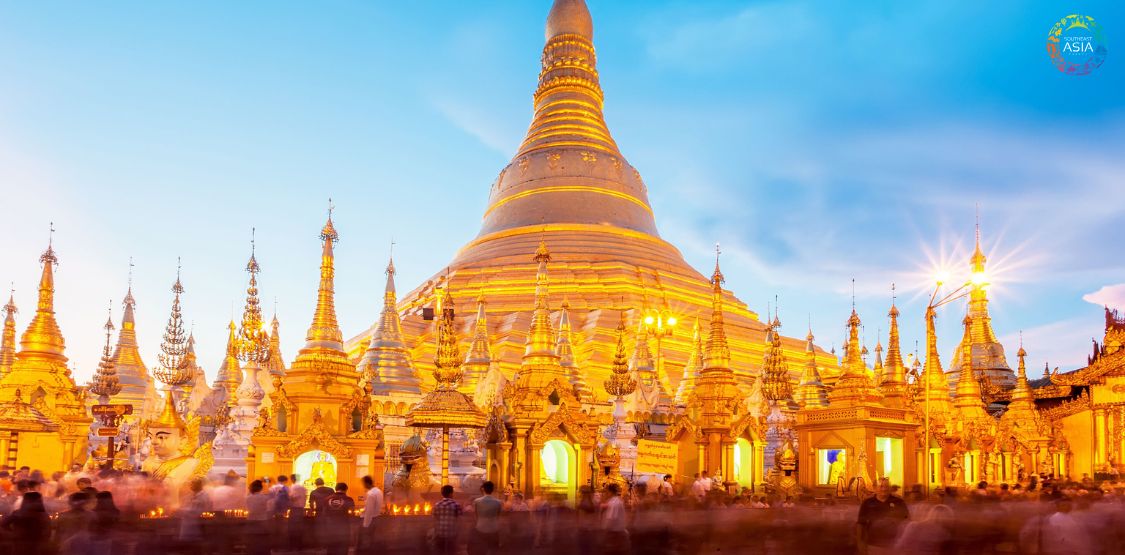
If there is one place you should not miss in Yangon, it is the Shwedagon Pagoda.
The enormous golden stupa rises above the city and is one of Myanmar's most important Buddhist sites. But its appeal is not simply architectural. Visit around sunset, and you will see devotees praying, families walking around the platform, and the golden surface gradually changing color as daylight fades.
- Opening hours daily: from 4:00 to 22:00, with the last admission at 21:45.
- Allow: around 2-3 hours.
- Wear: clothing that covers the shoulders and knees.
- Remember: shoes and socks must be removed before entering the pagoda platform.
Early morning is peaceful and cooler; sunset and evening offer the most dramatic atmosphere. Whichever time you choose, allow yourself enough time to simply sit and observe.
Explore Downtown Yangon
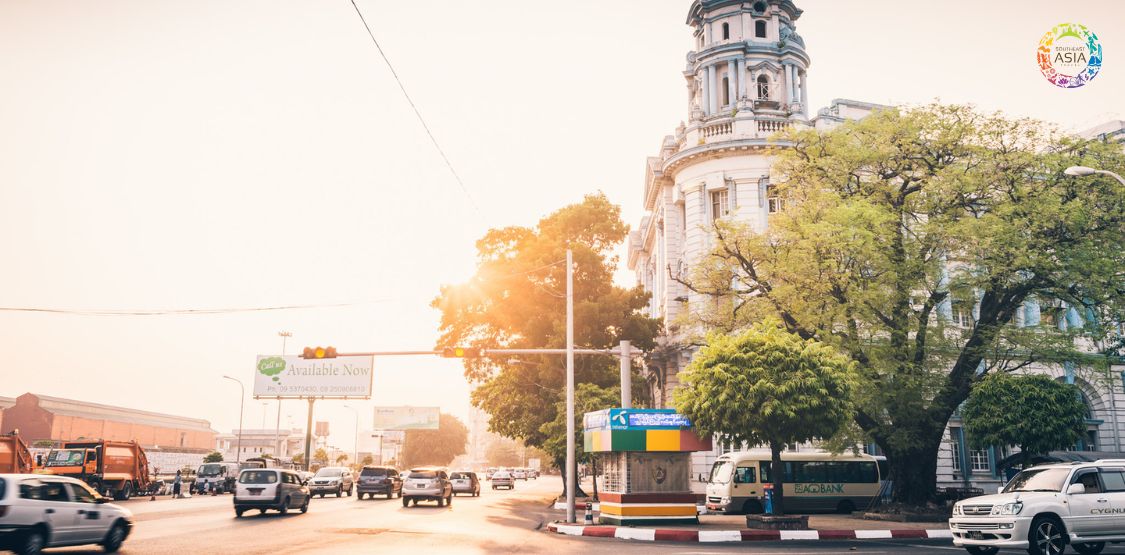
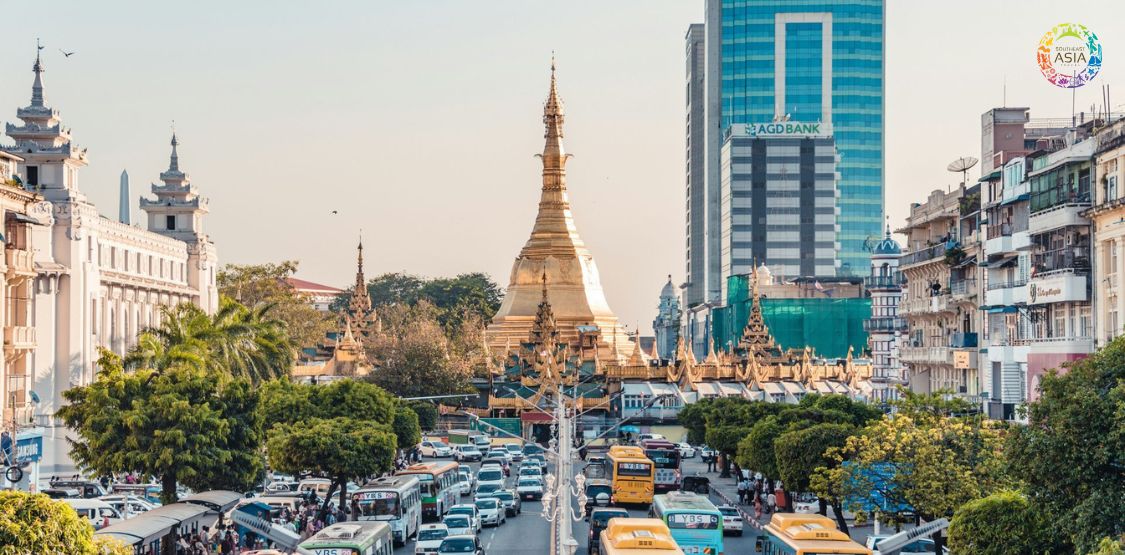
Downtown Yangon is where the city's history feels particularly tangible. Start around Sule Pagoda and Mahabandoola Park, then explore the surrounding streets on foot.
Along the way, you'll see impressive colonial-era buildings, including Yangon City Hall and the former Secretariat, alongside bustling markets, tea shops, street vendors, religious buildings, and modern businesses.
Take your time and look beyond the main landmarks. The contrast between Yangon's colonial heritage and everyday local life is what makes downtown so fascinating.
Browse Bogyoke Aung San Market
Bogyoke Aung San Market, formerly Scott Market, is one of Yangon's best places for shopping and people-watching. Its more than 1,600 shops sell everything from textiles and handicrafts to jewelry, gemstones, food, and traditional clothing.
If you're interested in local culture, don't simply shop. Take time to appreciate the market's historic architecture and observe how locals use the space.
Tip: Bargain politely where bargaining is customary, but do not treat it as a competition to get the absolute lowest price.
Ride the Yangon Circular Railway
The Circular Railway offers one of the most authentic ways to experience everyday Yangon. Instead of looking for monuments, watch ordinary life unfold outside the window: markets, residential neighborhoods, commuters, and vendors moving through stations.
It is not the fastest way around town, and that's exactly the point.
For photographers, sit near a window and keep your camera ready, but always ask before photographing people closely.
Relax Around Kandawgyi Lake
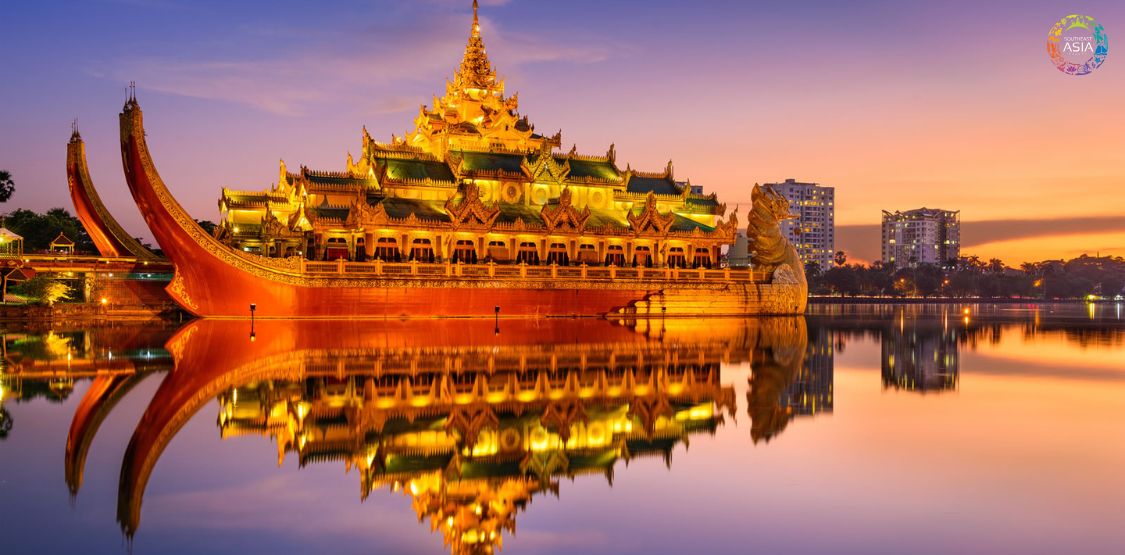
Kandawgyi provides a welcome change of pace after busy downtown streets. Come in the late afternoon for lakeside views, greenery, and a slower atmosphere. It is particularly pleasant around sunset, when the light softens over the water.
See the Reclining Buddha at Chauk Htat Gyi Pagoda
Chauk Htat Gyi is home to a huge reclining Buddha image and is one of Yangon's better-known religious sites.
The scale of the statue is impressive, but pay attention to the devotees around you as well. Religious sites in Yangon remain active places of worship rather than simply tourist attractions.
Visit Nga Htat Gyi Pagoda
Not far away, Nga Htat Gyi Pagoda is known for its enormous seated Buddha image. It tends to receive less attention than Shwedagon, making it a worthwhile stop if you want to explore Yangon's religious heritage beyond the city's most famous landmark.
8. What to Eat in Yangon
Food is one of the best reasons to slow down in Yangon. Myanmar cuisine reflects influences from neighboring India, China, and Thailand while retaining its own distinctive flavors.
Traditional Myanmar Foods to Try
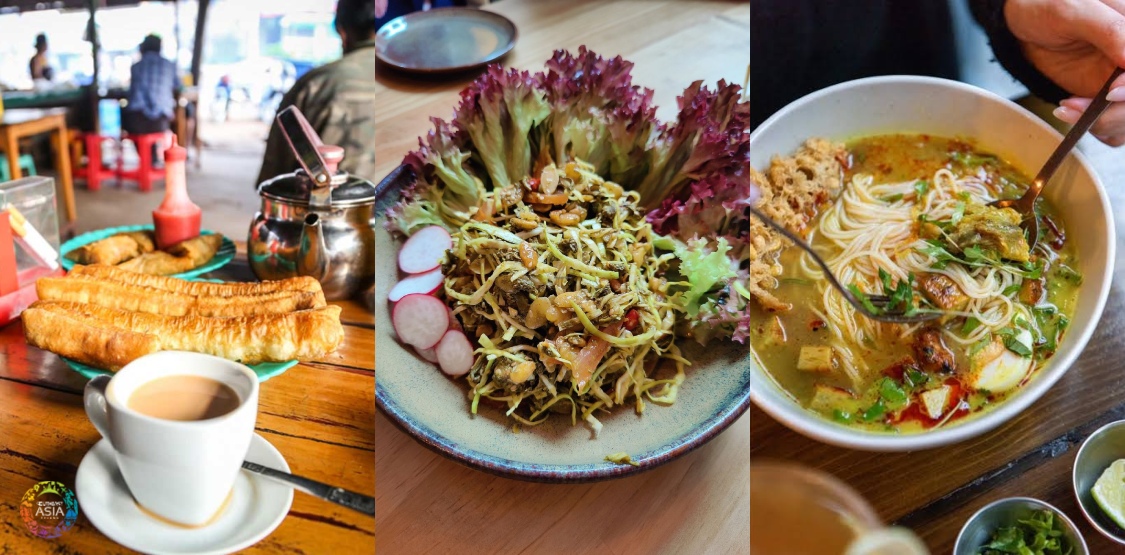
- Mohinga: Often considered Myanmar's national dish, mohinga is a comforting rice-noodle soup traditionally served with fish broth and herbs. It is especially popular for breakfast.
- Shan noodles: A lighter noodle dish from Shan State, often served with meat, tomato-based sauce, and fresh herbs.
- Tea-leaf salad: Known locally as lahpet thoke, this unusual salad combines fermented tea leaves with crunchy nuts, seeds, and other ingredients.
- Burmese curry: Myanmar-style curries tend to be rich and aromatic without necessarily being overwhelmingly spicy. They are commonly accompanied by rice and several side dishes.
- Naan and pea: A simple but satisfying combination found at local Indian-influenced eateries and breakfast spots.
- Samosas: Crispy, inexpensive, and perfect as a quick street snack.
- Mont lin ma yar: These small rice-flour snacks are cooked in a special pan and are a fun street-food discovery.
Yangon Street Food
You will find street food around markets, busy intersections, and local neighborhoods. Look for stalls with high turnover and plenty of local customers. Food that is cooked thoroughly and served hot is generally a safer choice than items sitting uncovered for long periods.
During the rainy season, pay extra attention to cleanliness and food storage.
Don't Skip Myanmar Tea Shops
Tea shops are more than places to grab a drink. They are social spaces where people meet, eat breakfast, read newspapers, talk, and watch the city go by.
Order Burmese tea, find a seat, and resist the temptation to rush. Sometimes a cup of tea tells you more about Yangon than another monument does.
9. Yangon Culture & Local Etiquette
A little cultural awareness will make your visit more comfortable.
- At pagodas: Dress modestly, remove shoes where required, and follow signs or local instructions.
- Around monks: Give monks appropriate personal space and avoid casual physical contact. Women should be particularly careful about touching or handing objects directly to monks.
- Photography: Ask before photographing people closely, especially monks, worshippers, and ceremonies.
- Clothing: Lightweight clothing is practical in Yangon, which can be hot and humid, but shoulders and knees should be covered when visiting religious sites.
- Public behavior: Keep voices low in temples and avoid public behavior that could be considered disrespectful.
- Eating: In informal restaurants and tea shops, observe what locals do. Some foods may traditionally be eaten with the hands, while others are served with utensils.
A simple smile and a polite attitude will take you a long way.
10. Internet, SIM Cards & Connectivity
Mobile connectivity is available in Yangon, but travelers should not assume it will always be as seamless as in Singapore or Thailand. Local operators such as ATOM and MPT offer physical SIMs, with local data, call, and SMS allowances.
For practical travel:
- Download offline maps before exploring
- Save your hotel address in Burmese if possible
- Keep important booking details offline
- Carry a physical copy of essential information
- Do not rely entirely on mobile data for navigation
11. Money & Costs in Yangon
Myanmar uses the Myanmar kyat (MMK). Cash remains widely used, while card acceptance is more common at larger hotels and businesses. Travelers should carry smaller denominations for tea shops, markets, snacks, and short taxi rides.
Because exchange rates, cash availability, and prices can change quickly, it is better to check current rates shortly before your trip rather than relying on figures from an old travel blog.
A simple budget guide:
Budget travel ($): guesthouse, local meals, public transport, and occasional taxis.
Mid-range travel ($$-$$$): comfortable hotel, restaurant meals, regular taxis, and paid attractions.
Luxury travel ($$$-$$$$): upscale hotel, private transportation, fine dining, and private tours.
12. Useful Burmese Phrases
A few words can make everyday interactions much warmer. Even attempting a Burmese greeting is usually appreciated.
- Hello = Mingalaba
- Thank you = Kyeizu tin ba de
- Yes = Hote-ke
- No = Ma hote bu
- How much? = Beh lauk le?
- Delicious = A-ya-tha shi de
- Please = Kyeizu pyu ywe
- Help = Ku-nyi ba

13. Yangon Travel Tips
- Keep these practical reminders handy:
- Keep smaller kyat notes for everyday purchases
- Dress respectfully at religious sites
- Remove shoes when required
- Allow extra time for traffic
- Carry drinking water, particularly in hot weather
- Download offline maps and important addresses
- Ask permission before photographing people
- Keep valuables secure in crowded places
- Don't build your entire day around a rigid timetable
- Check current local conditions before traveling outside Yangon
- Most importantly, don't rush
14. Yangon FAQs
Is Yangon safe for tourists?
Safety requires particular attention right now. Travel situation checked: August 11, 2026. Myanmar remains a high-risk destination, and official travel advisories differ in their exact recommendations.
For anyone considering Yangon, check your own government's latest Myanmar advisory immediately before departure. Avoid demonstrations, military or security installations, political gatherings, and unfamiliar areas, especially after dark. Township-specific restrictions can also be introduced at short notice.
This is a section worth updating regularly rather than leaving unchanged for years.
What is Yangon famous for?
Yangon is best known for the Shwedagon Pagoda, colonial architecture, Buddhist heritage, markets, tea shops, and Burmese food.
Is Yangon expensive?
Yangon can be relatively affordable for accommodation and local food, but costs vary considerably depending on the hotel, transportation, and travel style. Exchange-rate volatility also means old price guides can become outdated quickly.
Can I walk around Yangon?
Yes, particularly in downtown Yangon. Walking is one of the best ways to appreciate the city's architecture and street life. However, traffic, heat, rain, and road conditions often make taxis more practical for longer distances.
What should I wear in Yangon?
Wear lightweight, breathable clothing for the climate, but cover shoulders and knees when visiting pagodas and religious sites.
Is Yangon good for solo travelers?
Yangon can be rewarding for independent travelers who enjoy food, culture, and photography. However, given Myanmar's current security situation, solo travelers should be especially careful to monitor advisories and local conditions.
Can I use credit cards in Yangon?
Some hotels, restaurants, and larger businesses accept cards, but cash remains important. Carry sufficient kyat for smaller establishments and transport.
Do I need a guide in Yangon?
Though downtown Yangon is manageable on your own, a knowledgeable local guide can add significant value to your experience of historical sites, religious traditions, food tours, and neighborhoods.
Is Yangon Worth Visiting?
Yangon is the country's great urban crossroads, where history, religion, food, and everyday life meet.
Yangon is particularly rewarding for:
- First-time visitors who want to understand Myanmar's modern character
- Food lovers who want to explore Burmese cuisine
- History enthusiasts drawn to colonial architecture and religious heritage
- Photographers looking for architecture, markets, and authentic street scenes
- Slow travelers who prefer observing everyday life rather than rushing between attractions
Why Yangon Deserves a Place on Your Myanmar Itinerary
Yangon is not a city that needs to impress you every five minutes. Its charm is quieter than that. For travelers who want more than just famous landmarks, Yangon offers something particularly valuable: a chance to observe everyday life in Myanmar in a historic, ever-changing city.
Just remember that Myanmar's current security environment is very different from the country portrayed in older travel guides. Check the latest official advice before planning or beginning your journey, and be prepared to adjust your itinerary if local conditions change.
If conditions allow you to visit, give Yangon time to unfold at its own pace. You may find that the moments you remember most are not necessarily the ones you planned, but the ones you simply stopped to notice.
Ready to discover Yangon? Get in touch with our Southeast Asia travel specialists for expert guidance and tailor-made Myanmar tour ideas.