

Brunei Darussalam may be small in size, but this peaceful Southeast Asian nation offers a travel experience unlike many of its neighbors. Located on the island of Borneo, Brunei welcomes visitors with magnificent Islamic architecture, royal heritage, traditional water villages, lively food markets, and vast stretches of tropical rainforest.
Whether you are planning an independent holiday, a short cultural stopover, a family trip, or an extension to a wider Borneo adventure, this Brunei travel guide covers the essentials. From visa requirements and the best time to visit to transportation, accommodation, food, and local customs, here is everything you need to plan your first trip to Brunei with confidence.
1. Where Is Brunei, and Why Visit?
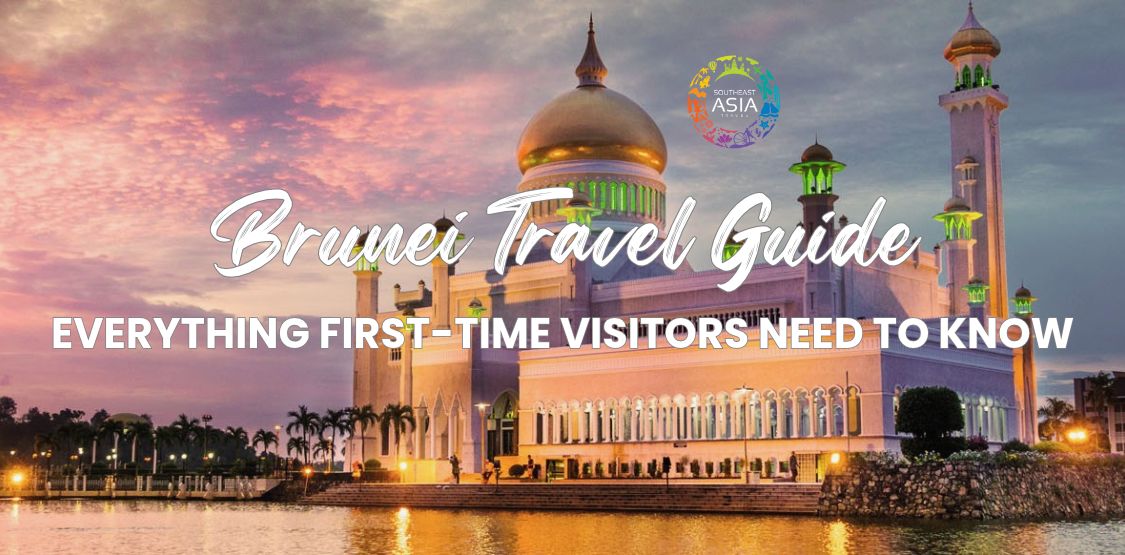
Brunei is a small sovereign country on the northern coast of Borneo, the world's third-largest island. It shares a land border with the Malaysian state of Sarawak and faces the South China Sea.
The country consists of two separate sections of territory, with the Temburong District in the east separated from the main western part by Malaysian land. Bandar Seri Begawan, the capital, is the country's principal urban center and the usual starting point for visitors.
What Is Brunei Famous For?
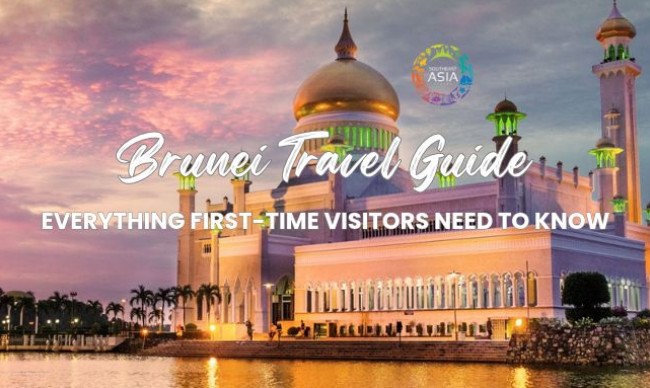
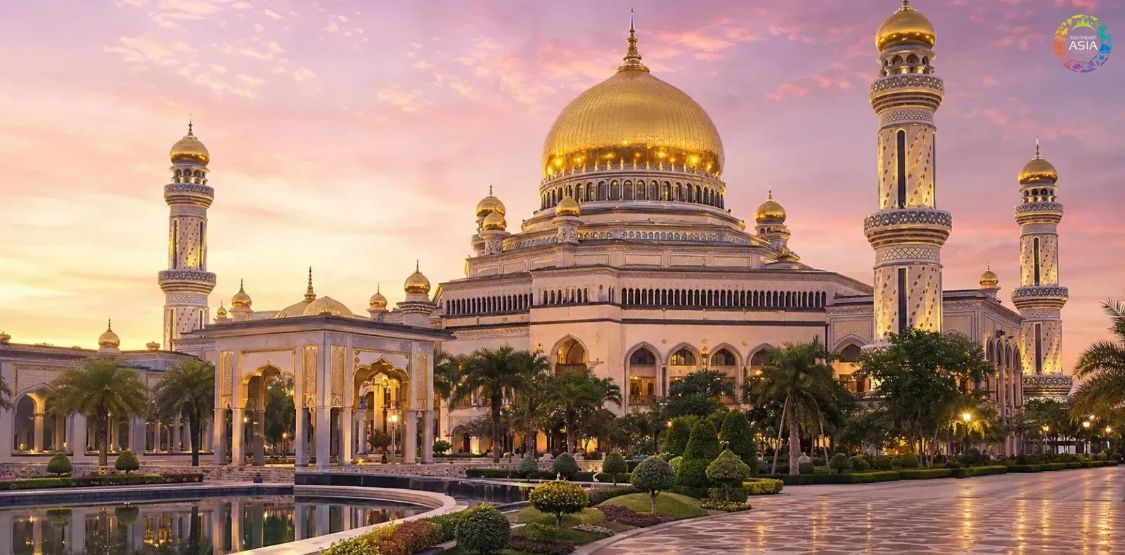
Brunei is particularly known for its Islamic heritage and royal traditions. The magnificent Sultan Omar Ali Saifuddien Mosque, with its golden dome and lagoon setting, is one of the country's most recognizable landmarks. The impressive Jame' Asr Hassanil Bolkiah Mosque and the Royal Regalia Museum provide further insight into the nation's architecture, monarchy, and history.
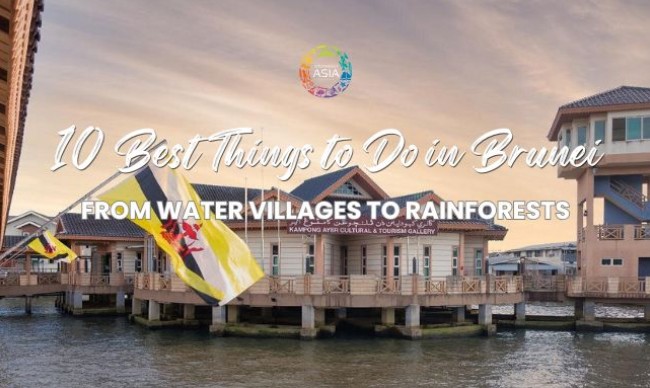
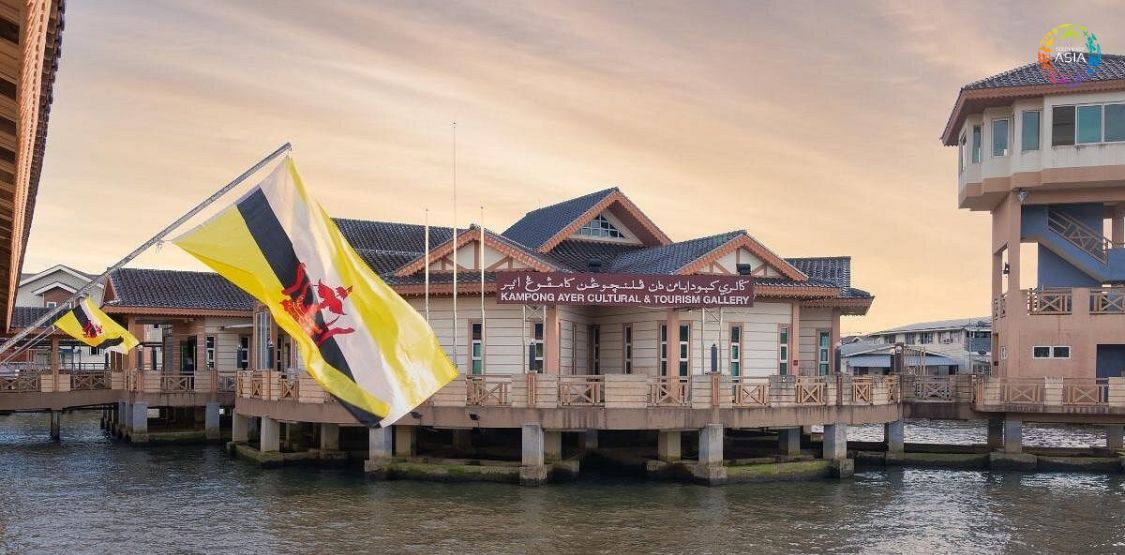
Another highlight is Kampong Ayer, a historic settlement of houses and community buildings built on stilts above the Brunei River. Often described as a water village, it offers a fascinating glimpse into a way of life closely connected to the river.
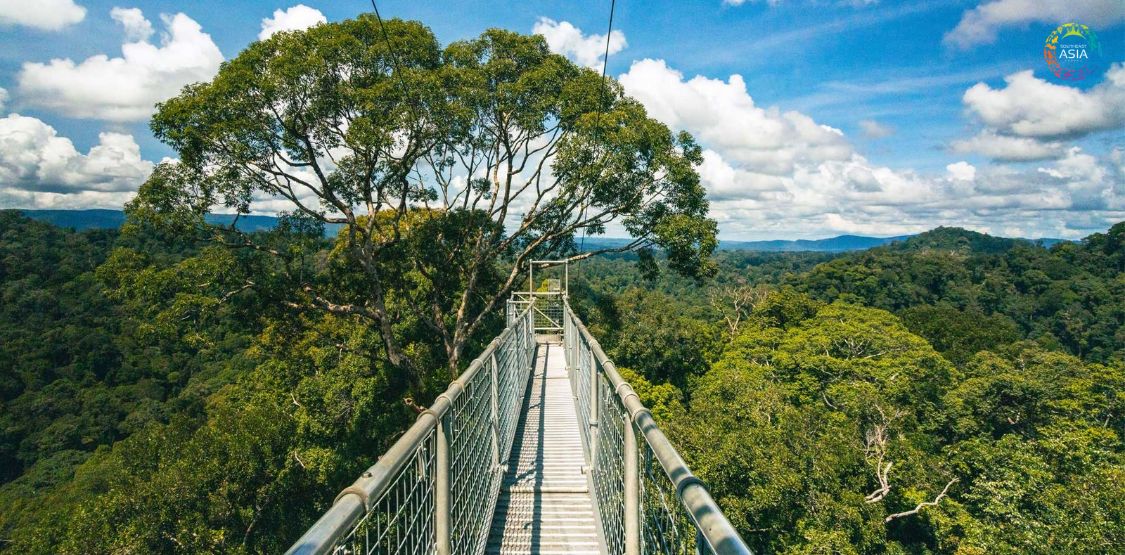
Nature is equally important to Brunei's identity. Much of the country remains forested, and Ulu Temburong National Park is a major attraction for travelers interested in tropical biodiversity, river journeys, jungle walks, and canopy views.
What Kind of Travelers Will Enjoy Brunei?
Brunei is well-suited to culturally curious travelers, couples, families, photographers, and independent visitors who enjoy exploring destinations at a comfortable pace. Nature lovers will appreciate its rainforest experiences, while travelers visiting Sabah or Sarawak can make Brunei an interesting addition to a broader Borneo itinerary.
It is also a good option for short stopovers between international flights, provided you allow enough time to explore beyond the airport.
2. Entry Requirements and Visa Information
Before booking flights or planning your itinerary, check Brunei's current entry requirements. The rules depend on your nationality, passport type, purpose of travel, and intended length of stay.
Do You Need a Visa to Visit Brunei?
Some nationalities can enter Brunei visa-free for a specified period, while others need to obtain a visa in advance or may qualify for a visa on arrival under applicable arrangements.
Check the latest information through the Brunei Ministry of Foreign Affairs and the nearest Brunei diplomatic mission before departure.
Passport Validity and Required Travel Documents
Travelers are generally advised to hold a passport with at least six months of validity remaining at the time of entry. Your airline or immigration authorities may also require evidence of onward or return travel and accommodation arrangements.
Keep the following documents accessible:
- A valid passport and visa, if required
- Return or onward travel details
- Hotel reservations or accommodation information
- Evidence of sufficient funds, if requested
- Travel insurance and any relevant medical documents
Requirements can vary, so confirm the exact conditions that apply to your passport.
E-Arrival Card Requirement
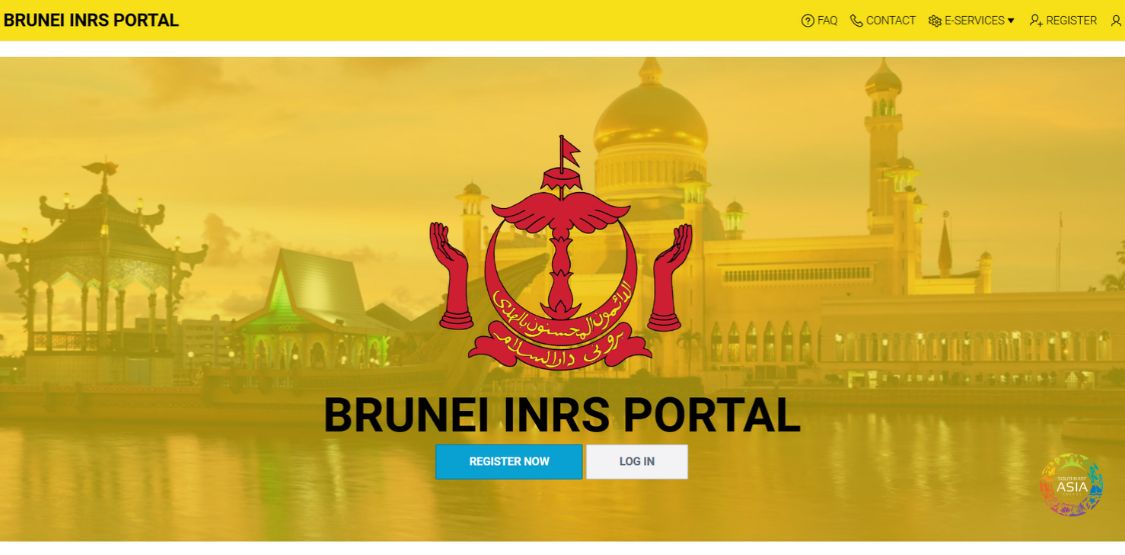
Foreign visitors entering Brunei by air, land, or sea are generally required to register for the E-Arrival Card via the official immigration portal. This registration is separate from a visa, and the official service does not charge a registration fee.
Check how to register the E-Arrival Card.
Customs Rules and Restricted Items
Brunei has strict regulations concerning prohibited goods, controlled substances, tobacco, alcohol, and certain medicines. Visitors should review customs allowances carefully before packing.
For detailed guidance, consult the Brunei Tourism customs and border information and the relevant customs authorities.
Travel Insurance and Other Pre-Departure Requirements
Travel insurance is strongly recommended, particularly if you plan to visit remote rainforest areas, take boat trips, or participate in outdoor activities. Check that your policy covers medical treatment, emergency evacuation, trip cancellation, and the activities you intend to undertake.
Before leaving home, confirm your flight, accommodation, transport arrangements, mobile connectivity, and any guided excursions that require advance booking.
3. Best Time to Visit Brunei
Brunei's Climate and Weather throughout the Year
Brunei has a tropical equatorial climate, with warm temperatures, high humidity, and year-round rainfall. Daytime temperatures are typically around 30–33°C, while evenings remain warm.
Rainfall varies throughout the year, with wetter periods typically occurring from October to January and from May to July.
Even during relatively drier spells, showers remain possible. Heavy rain may affect jungle trails, river excursions, and outdoor sightseeing, so check local forecasts before traveling to remote areas.
What to Pack for Brunei's Tropical Climate
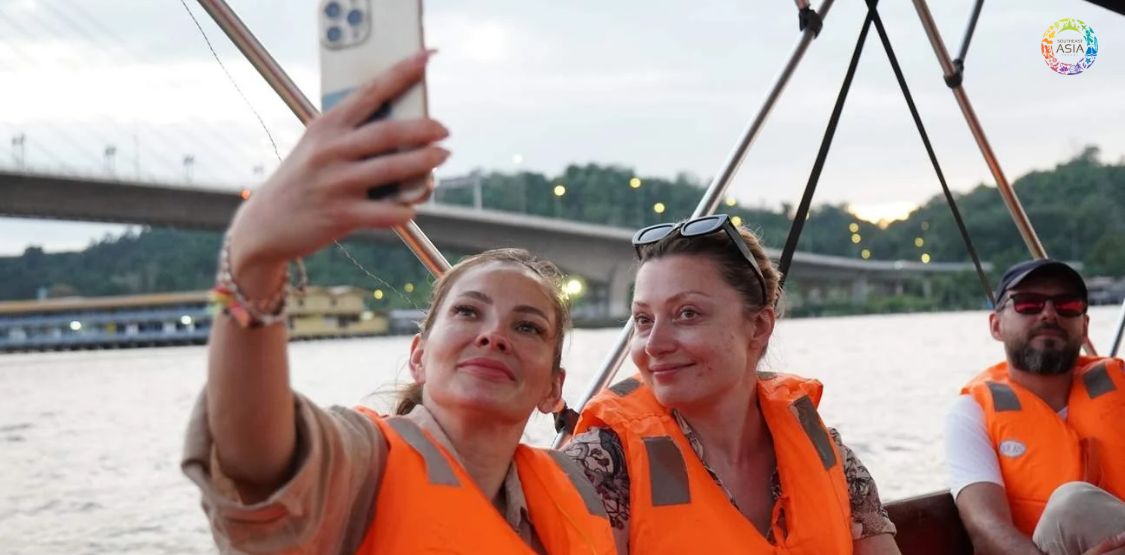
Pack lightweight, breathable clothing, comfortable walking shoes, sandals, a compact umbrella, and a waterproof jacket. Sunscreen, sunglasses, insect repellent, and a refillable water bottle are useful for both city sightseeing and outdoor adventures.
Include modest clothing for mosque visits and other religious sites. Long trousers, skirts, or dresses and tops that cover the shoulders are practical choices.
Bring a reusable water bottle, any necessary medication, a universal travel adapter if needed, and a portable power bank. Travelers heading into the rainforest should also pack quick-drying clothes, suitable footwear, and a waterproof bag for electronics.
Visiting Brunei During Ramadan and Major Holidays
During Ramadan, the pace of daytime life may slow, and visitors can experience evening food bazaars and the atmosphere surrounding the breaking of the fast.
However, restaurant arrangements, attraction hours, and public services may differ from normal schedules. Eating, drinking, or smoking in public during daylight hours may also be restricted by law, so check the current rules and follow local guidance.
Hari Raya Aidilfitri, which marks the end of Ramadan, is another important celebration. The country may feel especially festive, although some businesses and attractions may adjust their schedules. Check the calendar before finalizing your trip.
4. How Many Days Do You Need in Brunei?
For most first-time visitors, two or three days is a good starting point. This allows enough time to explore the capital, discover its cultural landmarks, and experience Kampong Ayer without rushing between every attraction.
If you want to include a rainforest excursion or explore more of the country, consider staying longer.
A 2-Day Brunei Itinerary
Day 1: Discover Bandar Seri Begawan
Begin with the iconic Sultan Omar Ali Saifuddien Mosque, followed by the Royal Regalia Museum to learn about Brunei's monarchy and national history. Continue through the city center, stopping at local markets or cafés for a taste of Bruneian food.
In the afternoon, take a boat ride through Kampong Ayer to see its stilt houses, waterways, and community life. If time permits, enjoy a sunset view along the river or visit another city landmark.
Day 2: Explore Royal Heritage and Local Life
Visit Jame' Asr Hassanil Bolkiah Mosque, checking visitor hours and dress requirements in advance. Depending on your interests, add a visit to a local market, a riverside viewpoint, or a nature spot near the capital.
If you prefer a more relaxed schedule, use the afternoon to sample local dishes, browse shops, or enjoy the city's quieter atmosphere before departure.
Sample Tour: A Taste of Brunei
A 3-Day Brunei Itinerary
With a third day, you can explore the capital more slowly and devote additional time to nature.
Spend the first two days following the city-focused itinerary above. On Day 3, consider a guided excursion to Ulu Temburong National Park, where river travel, rainforest trails, and canopy experiences reveal another side of Brunei.
Alternatively, choose a leisurely day around the capital, combining local food, cultural stops, and riverside scenery. This is a good option if you prefer not to undertake a longer excursion.
Sample Tour: The Essence of Brunei
Should You Stay Longer to Explore the Rainforest and Beach Areas?
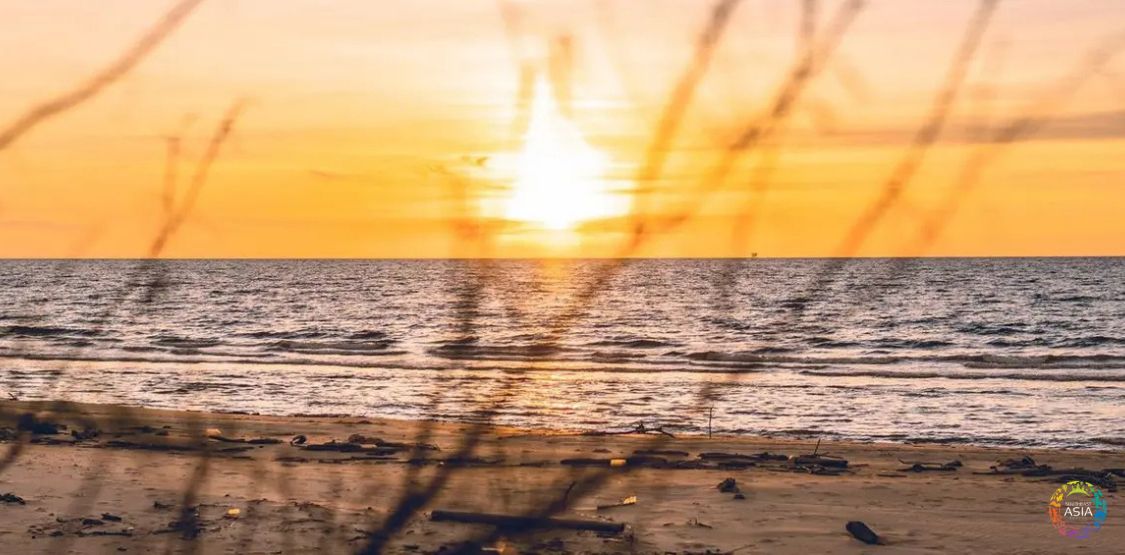
Yes, if nature is a major reason for your visit. Brunei's rainforest and beach areas offer a contrast to the capital's mosques, museums, and urban neighborhoods.
Ulu Temburong National Park is the standout choice for many visitors, with opportunities to experience lowland rainforest, observe wildlife, and explore forest environments with local guides. Meanwhile, Kampong Jerudong is perfect for a short beach stay at the end of the trip.
Sample Tour: Brunei Signature Journey
How to Combine Brunei with Other Destinations in Southeast Asia
Brunei can be combined with Malaysian Borneo or other regional countries for a trip that blends cultural discovery, wildlife, and rainforest adventures.
A possible route might begin in Bandar Seri Begawan, continue overland to Miri in Sarawak, and then proceed toward other destinations in Malaysian Borneo. Alternatively, travelers can plan a multi-stop journey based on available flights between Brunei and neighboring destinations.
Check border procedures, transport schedules, and visa requirements for every country on your route. Overland travel may take longer than expected because of border formalities and road conditions.
For more inspiration, see our Best Things to Do in Brunei article for detailed recommendations on attractions and ideas to personalize your itinerary.
5. How to Get to Brunei
Flying to Brunei International Airport
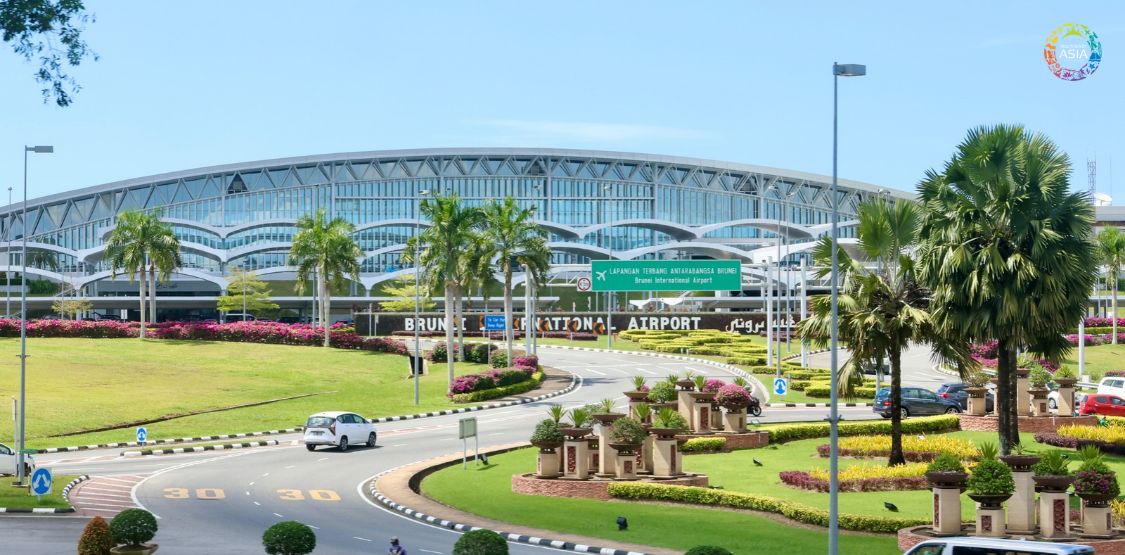
Flying is the most convenient way for many international visitors to reach Brunei. Brunei International Airport serves Bandar Seri Begawan and is the country's main international gateway.
Flight availability depends on your departure city and travel dates. Some visitors can travel directly, while others need to connect through a regional hub.
When comparing flights, consider total journey time, baggage allowances, arrival hours, and whether you will need to arrange transport late at night. Check current airline schedules before booking, as routes and frequencies can change.
Traveling to Brunei by Land from Malaysia
Brunei can be reached overland from the Malaysian state of Sarawak. This option is useful for travelers on a Borneo road trip, particularly those visiting Miri or other destinations in northern Sarawak.
The journey involves crossing international borders, so carry your passport and check entry requirements for both countries. Border checkpoints have operating hours and procedures that may affect travel time.
6. How to Get Around Brunei
Public Buses in Bandar Seri Begawan
Public buses serve parts of Bandar Seri Begawan and can be an economical way to travel. However, services are more limited than in many major Southeast Asian cities, and routes or operating hours may not align with every sightseeing plan.
If you intend to use buses, check current route information and ask your accommodation about the most practical stops. Allow extra time, especially when traveling on weekends or public holidays.
Taxis and Ride-Hailing Options
Taxis and ride-hailing services, such as Dart, provide more flexibility, particularly for visitors traveling between attractions that are not within easy walking distance. Availability and fares can vary by location and time of day, so check the app before relying on it for a tight schedule or a remote excursion.
Keep in mind that a ride-hailing service may be less readily available outside the capital. For trips to rural areas, arrange transport in advance.

Private Drivers and Guided Tours
A private driver or guided tour can make a short trip much easier, especially if you want to visit several attractions in one day.
This is also a practical option for travelers who prefer not to navigate public transport or arrange multiple transfers themselves. Guided excursions can provide valuable context about Brunei's history, customs, and natural environment.
7. Currency, Money, and Travel Costs
What Is the Currency in Brunei?
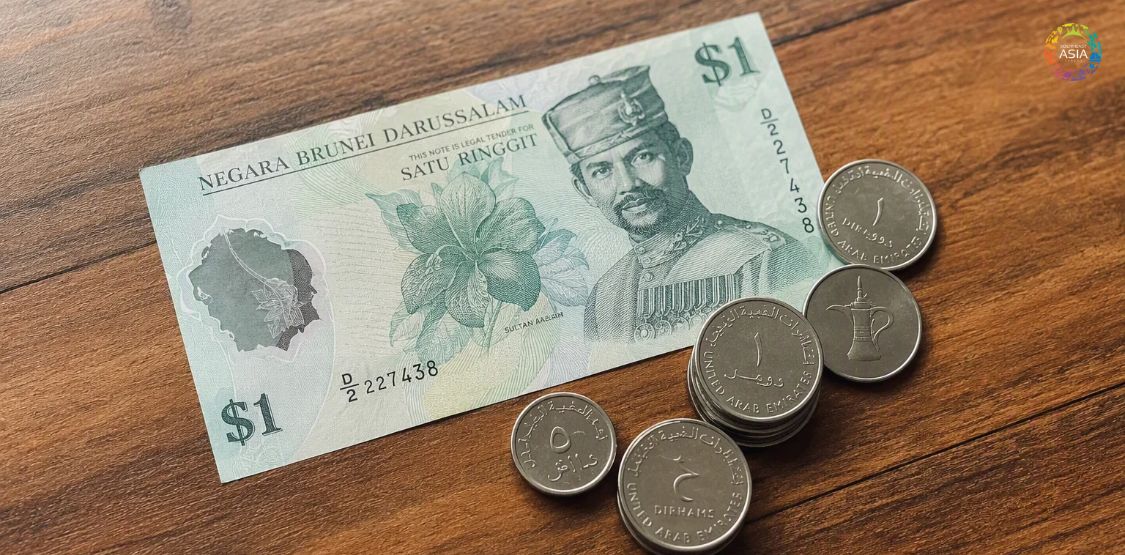
Brunei's official currency is the Brunei dollar (BND), commonly written as B$ or BND. It is pegged to the Singapore dollar at a one-to-one rate under a longstanding currency arrangement between the two countries.
Can You Use Singapore Dollars in Brunei?
Yes, Singapore dollars (SGD) are generally accepted in Brunei, thanks to the Currency Interchangeability Agreement between Brunei Darussalam and Singapore, which has been in place since 1967.
For convenience, travelers should carry some Brunei dollars, particularly when visiting smaller shops, local food stalls, or other establishments that may prefer the local currency.
Credit Cards, ATMs, and Cash
Credit and debit cards are accepted at many hotels, larger restaurants, shopping centers, and established businesses. Smaller food stalls and some local services may prefer cash.
ATMs are available in the capital and other populated areas, but access may be more limited in remote destinations. Inform your bank about international travel if necessary, and check foreign transaction fees before departure.
How Much Does a Trip to Brunei Cost?
Brunei is not always as inexpensive as first-time visitors expect. While local food can be affordable, hotel rates, private transfers, and organized rainforest excursions can increase the overall budget.
Your total spending will depend on the season, accommodation category, dining choices, and whether you travel independently or book guided experiences.
Tipping and Payment Tips
Tipping is not as firmly established as in some other travel destinations, and it is not necessary to tip at every meal. A small gratuity may be appreciated for good service, particularly on private tours, but check whether a service charge is already included.
8. Where to Stay in Brunei
Best Area to Stay in Bandar Seri Begawan
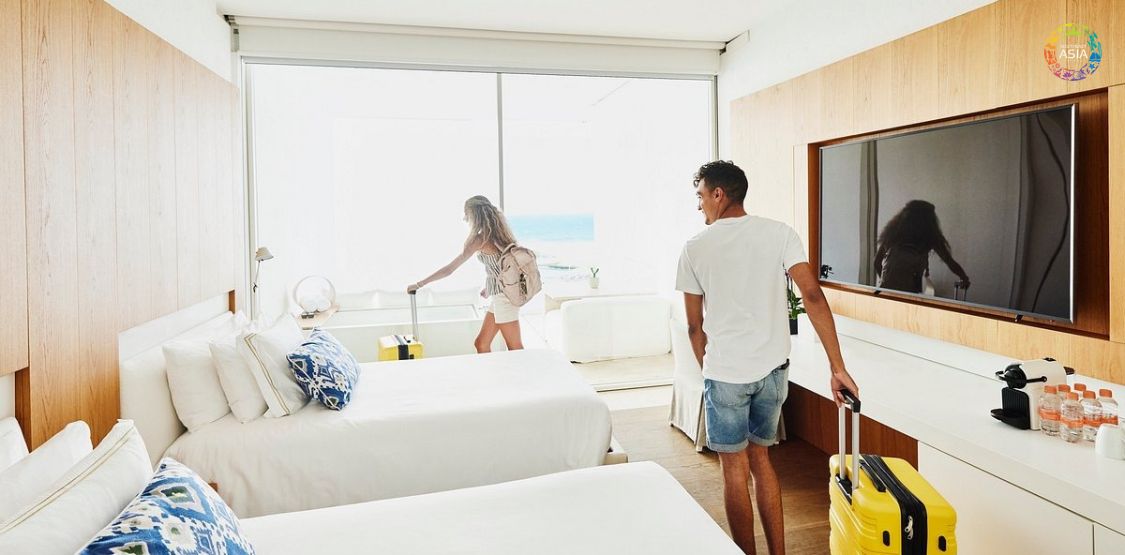
For first-time visitors, Bandar Seri Begawan is usually the most convenient base. Staying in or near the city center makes it easier to reach major cultural landmarks, local restaurants, markets, and the riverfront.
A central location is particularly helpful if you have only two or three days and want to minimize travel time between attractions.
Where to Stay for Nature and Adventure Trips
If Ulu Temburong is a priority, ask tour operators whether they recommend a day trip from the capital or an overnight stay in the Temburong area.
Accommodation choices outside the capital may be more limited, and some nature experiences are organized as packages that include transport and meals. Confirm availability and inclusions before deciding where to sleep.
For most first-time visitors, staying in Bandar Seri Begawan and booking a guided rainforest excursion is a straightforward option.
9. Food and Dining in Brunei
Traditional Bruneian Dishes to Try
Bruneian cuisine reflects Malay traditions and the country's wider Southeast Asian influences. Rice, seafood, aromatic spices, grilled meats, and coconut-based ingredients feature in many meals.
Here are some local favorites to look for:
- Ambuyat: A distinctive dish made from sago starch, served with flavorful dipping sauces and side dishes. It is often eaten using a pair of bamboo sticks called chandas.
- Nasi katok: A simple and popular meal of rice, fried chicken, and spicy sambal.
- Kelupis: A traditional sticky-rice snack wrapped in leaves, often enjoyed during gatherings and celebrations.
- Satay: Skewered meat grilled over charcoal and served with a dipping sauce.
- Local seafood dishes: Fish, prawns, and other seafood appear in a variety of grilled, fried, and spiced preparations.
- Kuih: A broad family of traditional cakes and sweet snacks, often colorful and made with rice flour, coconut, or pandan.
Where to Find Local Food and Night Markets
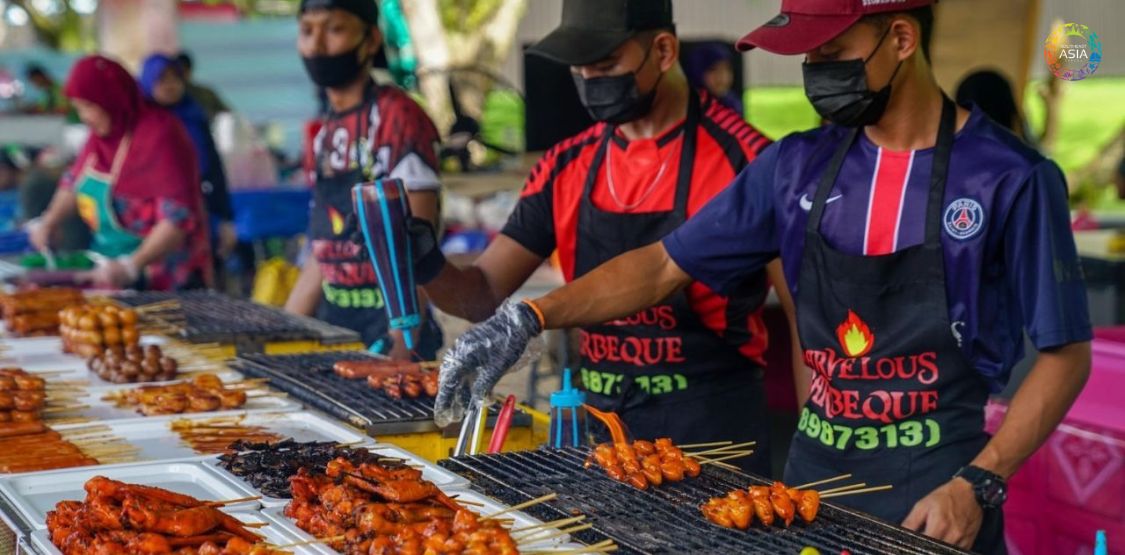
Local food markets, casual eateries, and food courts are good places to explore Brunei's everyday dining culture.
Gadong Night Market is a popular stop for inexpensive local dishes, snacks, grilled foods, and desserts. Markets can be especially lively in the evening, when residents gather to eat and shop.

Halal Food and Dining Options
Halal food is widely available in Brunei, reflecting the country's Muslim-majority population and Islamic traditions. Many local restaurants serve halal dishes, making the destination convenient for Muslim travelers.
Vegetarian travelers can also find suitable meals, although it is wise to ask about fish sauce, shrimp paste, meat stock, and other ingredients when needed.
If you have food allergies or dietary restrictions, explain them clearly to restaurant staff rather than relying only on the dish's name.
Restaurant Opening Hours and Friday Prayer Breaks
Many restaurants and shops operate on a daytime schedule, while some food stalls and cafés remain open later. Opening hours vary by business and location.
On Fridays, businesses generally close from around noon to 2 pm for Friday prayers, so plan lunch and shopping accordingly.
During Ramadan, daytime restaurant services may be limited, with takeaway and delivery arrangements varying by establishment. Check ahead if you expect to eat out during the day.
Food and Drink Etiquette for Visitors
Use your right hand when eating with your hands or passing food where appropriate, and follow the host's lead at shared meals.
Avoid eating, drinking, or smoking in public during daylight hours in Ramadan, where prohibited, and be mindful of local expectations around alcohol. If you are invited to share a meal, showing appreciation for the food is always a good gesture.
10. Local Customs, Culture, and Etiquette
Visitors do not need to be familiar with every local tradition before arriving. However, understanding the importance of religious observances and behaving respectfully will make cultural encounters more rewarding.
Understanding Brunei's Islamic Culture
Islam plays a central role in Brunei's national identity and daily life. Malay cultural traditions, royal heritage, and Islamic values shape public celebrations, architecture, social customs, and the rhythm of the working week.
What to Wear in Public and at Religious Sites
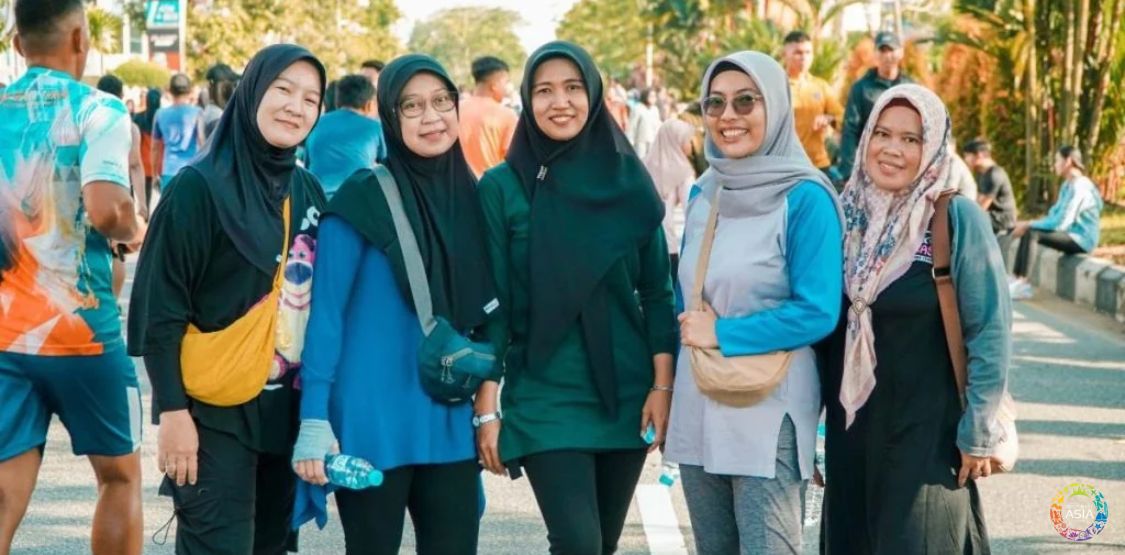
Brunei is relatively conservative in its public dress expectations. Lightweight clothing is ideal for the tropical climate, but choose outfits that cover the shoulders and knees, particularly when visiting religious or official sites.
Swimwear should be reserved for appropriate settings, such as hotel pools. When visiting rural communities or attending local events, modest clothing is a considerate choice.
Visiting Mosques: Dress Codes and Visitor Etiquette
Brunei's mosques are among its most impressive architectural landmarks, but they are active places of worship rather than simply tourist attractions.
Check visiting hours in advance, as access may be restricted during prayer times or on particular days. Visitors may be required to remove their shoes, wear suitable clothing, and use a provided robe or head covering.
Keep your voice low, follow any photography restrictions, and avoid interrupting worshippers. Some areas may be reserved for Muslims, so observe signs and staff instructions.
Greetings, Photography, and Respectful Behavior
A polite greeting and a friendly attitude are usually appreciated. When meeting someone for the first time, a smile and a respectful greeting are appropriate; follow the other person's lead regarding handshakes or other forms of contact.
Always ask permission before photographing people up close, particularly children or residents of Kampong Ayer. Be especially careful around government buildings, security facilities, and religious sites where photography may be restricted.
Comments about the royal family, religion, and sensitive political issues should be made thoughtfully. Visitors are better served by approaching cultural differences with curiosity and respect.
Friday Prayer Times and Business Hours
Friday is an important day for Muslim congregational prayer. Businesses and offices generally pause operations from noon until approximately 2 pm, and some government services follow a different weekly schedule from those in many other countries. Opening schedules can also change during Ramadan and public holidays.
Alcohol, Smoking, and Local Laws
Brunei maintains strict laws concerning alcohol, drugs, smoking, and public conduct.
Alcohol is not sold freely in the way it is in many neighboring destinations. Eligible non-Muslim travelers may be permitted to bring limited quantities for personal consumption under specific customs declaration conditions, but they must follow the applicable rules. Do not drink in public or assume that hotel policies override local law.
Drug offenses can carry extremely severe penalties. Smoking is restricted in designated public places, and visitors should observe posted rules.
If you are uncertain whether an activity is permitted, check official guidance rather than relying on what is customary elsewhere in Southeast Asia.
11. Internet, SIM Cards, and Connectivity
Is Wi-Fi Widely Available in Brunei?
Wi-Fi is available in many hotels, cafés, and other established businesses, particularly in Bandar Seri Begawan. Connection quality varies, so travelers who need reliable access for work should confirm the hotel's internet service before booking.
For maps, messaging, and online bookings while out sightseeing, a mobile data plan is often more convenient.
Buying a Local SIM Card or eSIM
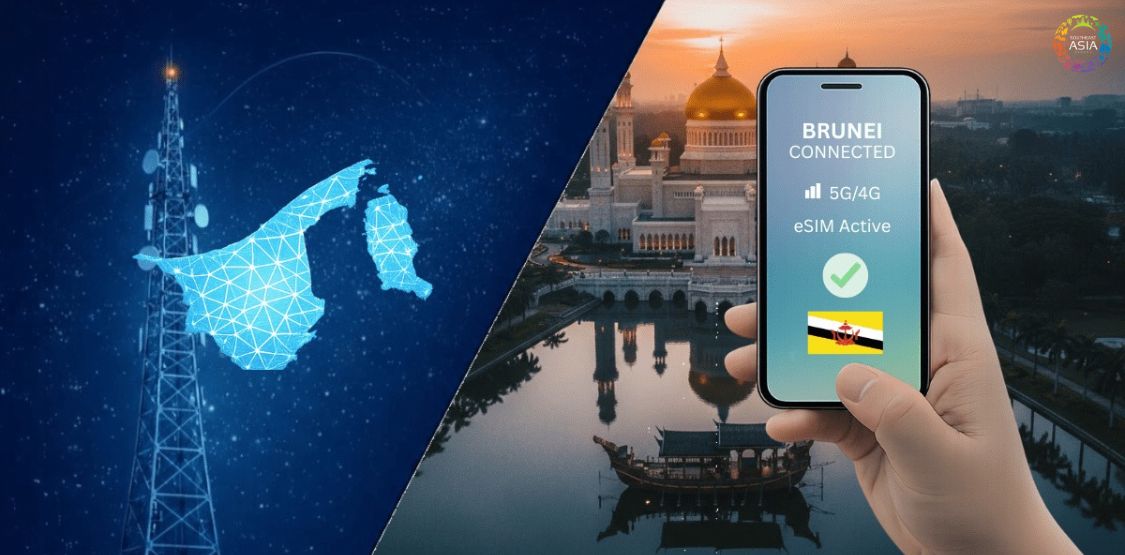
Local mobile providers offer prepaid data options, and SIM cards may be available at the airport and authorized outlets.
Check current providers, data allowances, package validity, prices, and activation requirements before purchasing. If you prefer an eSIM, confirm that your phone supports the technology and that the provider offers coverage in Brunei.
Mobile Coverage Outside the Capital
Mobile coverage is generally more accessible in populated areas than in remote rainforest environments. Signal strength may be limited during excursions into Ulu Temburong or other less-developed areas.
Download maps and important booking details before leaving the city. If you are joining a guided trip, ask your operator about connectivity and emergency communication arrangements.
12. Is Brunei Safe for Tourists?
General Safety Tips
Brunei is generally regarded as a safe destination for visitors, including those who prefer a quieter travel environment. Nevertheless, ordinary precautions still apply.
Keep valuables secure, use reputable transport providers, and avoid leaving belongings unattended. When exploring the city after dark, choose well-lit areas and arrange a reliable ride back to your accommodation.
In nature areas, follow local guidance and avoid entering unfamiliar trails or waterways alone.
Solo Travel and Family Travel
Solo travelers can enjoy Brunei's cultural attractions and city environment at a comfortable pace. The main challenge is often transportation rather than personal safety, particularly when traveling beyond the capital.
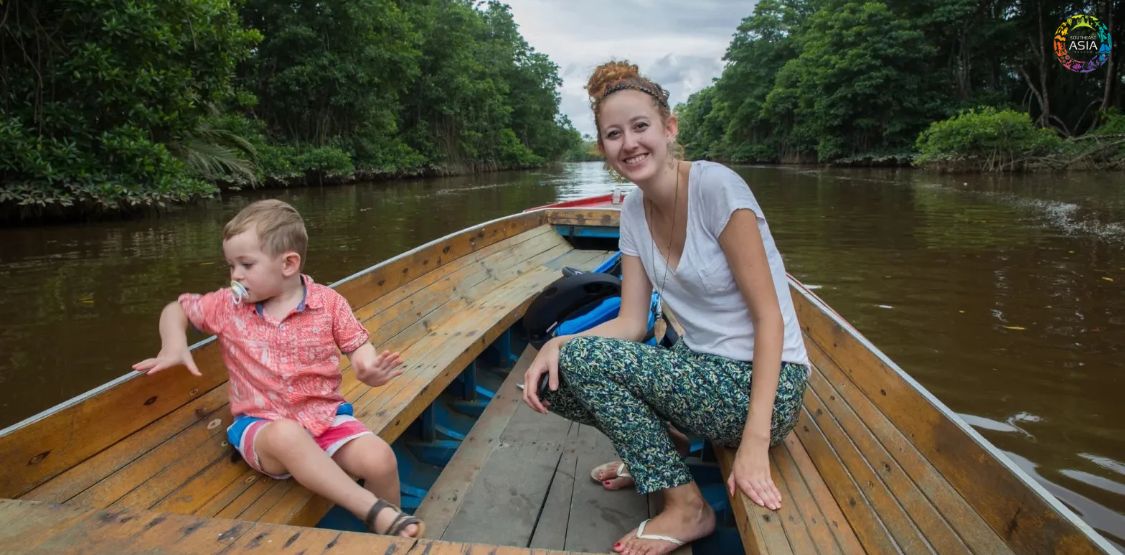
Families may appreciate the manageable city scale, cultural attractions, boat rides, and rainforest experiences. For younger children, plan around the heat and humidity, allow rest breaks, and choose guided nature excursions suitable for their ages.
Health, Hydration, Sun Protection, and Mosquitoes
Brunei's tropical weather can be tiring, particularly for travelers unaccustomed to high humidity. Drink water regularly, use sunscreen, wear a hat, and avoid scheduling strenuous outdoor activities during the hottest part of the day.
Mosquitoes can be present, especially around forests and waterways. Apply insect repellent, wear appropriate clothing, and check the latest health advice on mosquito-borne diseases before traveling.
For rainforest excursions, follow your guide's instructions and carry any personal medication you may need.
Emergency Contacts
Before departure, save the contact details of your insurer, accommodation, tour operator, and your country's embassy or consulate. Check the current emergency numbers through official sources and keep copies of important documents separate from the originals.
If you are joining a remote excursion, make sure the operator has appropriate safety procedures and communication arrangements.
13. Practical Tips for First-Time Visitors
What Language Is Spoken in Brunei?
Malay is Brunei's official language. English is widely used in tourism, education, business, and many everyday interactions, so most visitors can manage comfortably in hotels, restaurants, and major attractions.
Learning a few Malay expressions can make interactions more pleasant:
- Selamat pagi: Good morning.
- Terima kasih: Thank you.
- Tolong: Please or help, depending on context.
- Apa khabar?: How are you?
A friendly greeting and a simple thank-you are easy ways to show appreciation for local hospitality.

Time Zone and Useful Information
Brunei follows Brunei Darussalam Time, which is UTC+8 throughout the year. It does not observe daylight saving time.
The electrical supply is generally 240 volts at 50 Hz, and Type G plugs are commonly used. Check your devices and bring a suitable adapter if necessary.
Common Mistakes to Avoid
A few simple planning mistakes can make a trip to Brunei more complicated than necessary.
Underestimating transport needs: Not every attraction is within walking distance, and public transport is less extensive than in some regional capitals. Plan your routes in advance.
Trying to see everything in one day: Brunei may be small, but rainforest excursions and cross-border journeys take time. Prioritize a few experiences rather than rushing through the country.
Ignoring Friday prayer breaks: Schedule meals, shopping, and appointments around the midday pause.
Assuming all entry rules are the same: Visa requirements and supporting documents depend on nationality. Check the official rules for your passport.
Packing only summer clothing: Lightweight outfits are practical, but you will also need modest clothing for religious sites and protection from sudden rain.
Leaving rainforest excursions until the last minute: Organized transfers, guides, and accommodation may need advance reservations, especially on popular dates.
Essential Things to Arrange Before Arrival
Before leaving home, work through this checklist:
- Confirm visa requirements and passport validity
- Complete the E-Arrival Card registration as instructed by immigration authorities
- Review customs restrictions and any applicable health requirements
- Book accommodation and check the location carefully
- Confirm airport transfers and transport for any out-of-town excursions
- Reserve a guided rainforest trip if it is a priority
- Arrange mobile data, payment options, and travel insurance
- Check opening hours, Friday prayer breaks, and public holidays
- Save offline maps, bookings, and important contact details
Once these essentials are in place, you can spend less time sorting out logistics and more time enjoying Brunei's cultural and natural attractions.
Is Brunei a Good Destination for Your Next Trip?
Brunei Darussalam offers a distinctive perspective on Southeast Asia, combining Islamic architecture, royal heritage, traditional river communities, flavorful local food, and some of Borneo's lush rainforest landscapes.
For first-time visitors, two or three days can provide a rewarding introduction to Bandar Seri Begawan and its cultural landmarks. Travelers with more time can venture farther afield to discover Ulu Temburong National Park and the country's quieter natural surroundings.
Brunei may not be the busiest destination in the region, but that is part of its appeal: it offers space to slow down, observe local life, and discover a different side of Borneo.
Ready to plan your visit? Explore our related Brunei travel guides and sample Brunei itineraries to build a trip that suits your interests and travel style.