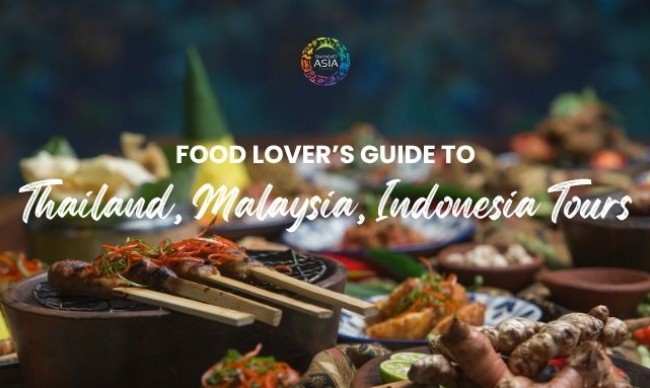




If there's one place that knows how to feed the soul, it's Southeast Asia. But with so many flavors to chase, it's easy to get lost. A trip through Thailand, Malaysia, and Indonesia is the ultimate cure for that, whisking you from the smoky, vibrant street corners of Bangkok to the multicultural hawker tables of Penang, and finally, to the lush, spice-scented warungs of Bali.
This comprehensive guide details iconic regional dishes, top dining spots, and seamless ways to combine them into a single travel itinerary.
What Makes Each Country a Food Lover's Paradise?
Each of these three nations developed a unique culinary identity shaped by distinct influences: Thailand's cuisine thrives on flavor harmony and street commerce, Malaysia's is defined by its rich multicultural fusion, and Indonesia's reflects the vast geographic scale of its more than 17,000 islands. Let us explore these distinct culinary characteristics in more detail.
Thailand: The Street Food Kingdom
Thai cooking is all about nailing that perfect balance of sour, sweet, salty, and spicy - a skill that street vendors have spent generations perfecting. It's this passion for flavor that makes Bangkok the real deal; with over 400 spots in the 2025 Michelin Guide, it's arguably Southeast Asia's culinary capital.
Must-try dishes:
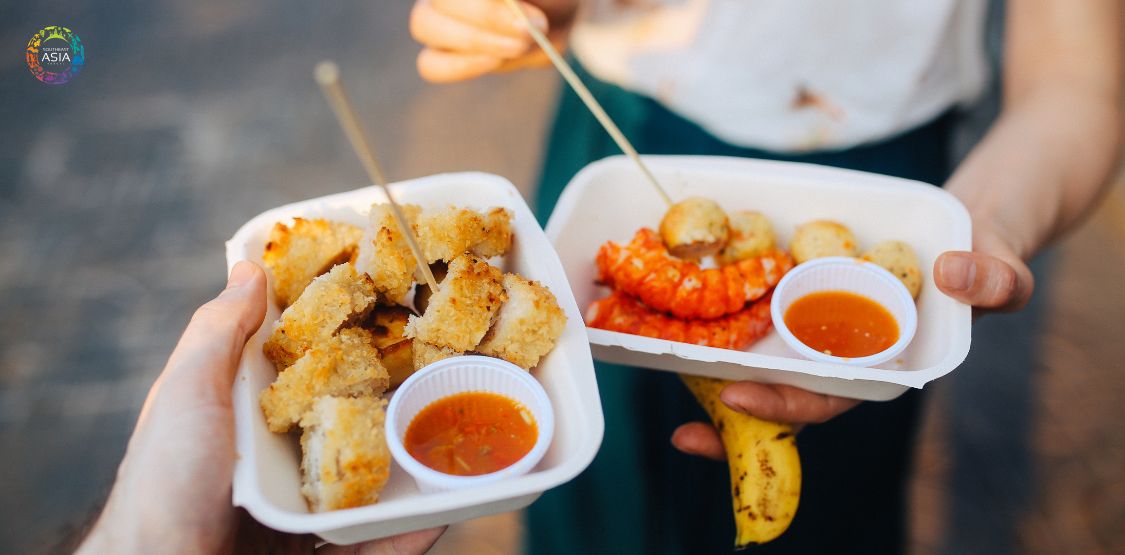
- Pad Thai: stir-fried rice noodles with egg, tamarind, and shrimp or chicken
- Tom Yum Goong: hot-and-sour shrimp soup with lemongrass and galangal
- Green Curry (Gaeng Keow Wan): coconut-based curry with Thai basil
- Mango Sticky Rice: a classic dessert pairing sweet mango with coconut-milk rice
- Som Tam: spicy green papaya salad, a Northeastern Thai (Isan) staple
- Pad Kra Pao: minced meat stir-fried with holy basil, usually topped with a fried egg
Where to taste the unique dishes:
- Bangkok: the street food capital, home to Chinatown's Yaowarat Road and dozens of Michelin-listed vendors
- Chiang Mai: Northern Thai cuisine, milder curries, and the famous Sunday Walking Street night market
- Phuket: Peranakan-influenced Southern Thai food shaped by centuries of maritime trade
Signature food experiences:
- Night markets (Rot Fai Market, Talat Rot Fai)
- Floating markets (Damnoen Saduak, Amphawa)
- Michelin-recognized street vendors
- Local cooking classes in Bangkok and Chiang Mai
→ Read More: The Ultimate Culinary Journey Through Vietnam, Cambodia, and Thailand for Food Lovers
Malaysia: Asia's Ultimate Fusion Cuisine
Malaysia is a total melting pot of flavors. Here, Malay, Chinese, Indian, and Peranakan traditions all come together at the table. You really feel this mix in George Town, where a short walk leads you to everything from spicy nasi kandar and hand-crafted dim sum to crispy, golden roti canai. With its long history as a trading hub along the Strait of Malacca, Malaysia's food scene is a living testament to that history.
Must-try dishes:
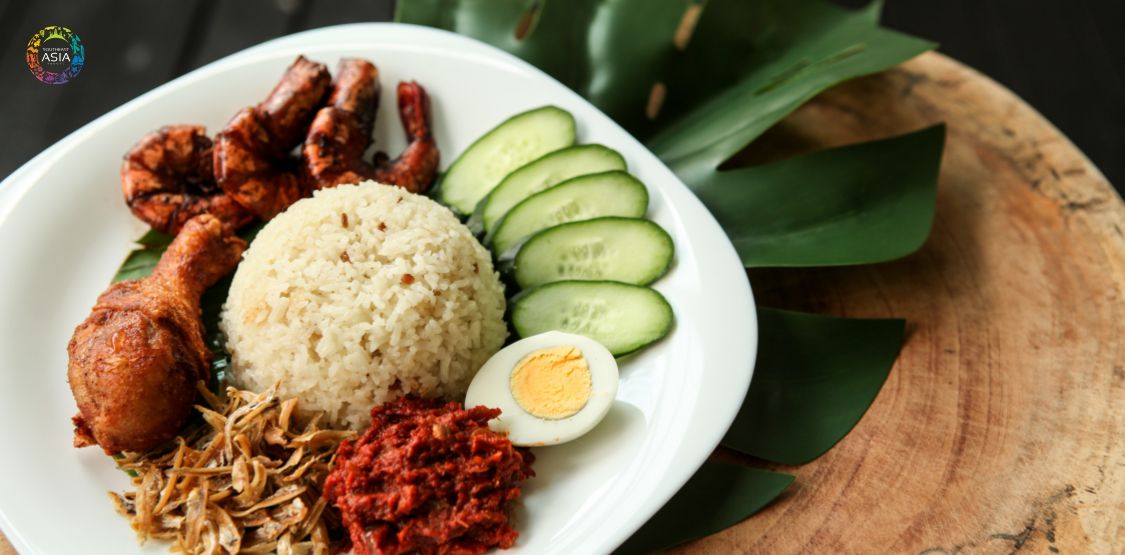
- Nasi Lemak: coconut rice with sambal, anchovies, peanuts, and egg, widely considered Malaysia's national dish
- Satay: grilled skewered meat served with peanut sauce
- Roti Canai: flaky flatbread of Indian-Muslim (mamak) origin, served with curry
- Hainanese Chicken Rice: poached chicken with rice cooked in chicken fat and broth
- Char Kway Teow: wok-fried flat rice noodles with prawns, egg, and Chinese sausage
- Laksa: spicy noodle soup, with regional versions like Penang Assam Laksa and Sarawak Laksa
Best food destinations:
- Kuala Lumpur: the capital's Jalan Alor food street and countless hawker centers
- Penang (George Town): a UNESCO World Heritage Site since 2008, widely regarded as Malaysia's street food capital
- Malacca (Melaka): the birthplace of Peranakan (Nyonya) cuisine, also UNESCO-listed
- Ipoh: known for silky bean sprout chicken and white coffee
Unique experiences:
- Hawker centers with dozens of stalls under one roof
- Mamak restaurants (Indian-Muslim eateries open late into the night)
- Night food streets like Jalan Alor
- Heritage cafés in Penang and Malacca serving Nyonya kuih and coffee
→ Read More: Discover Malaysia in 14 Days - Top 2-Week Malaysia Tours for a Perfect Getaway
Indonesia: A Culinary Adventure Beyond Bali
The culinary landscape of Indonesia is a vast tapestry that extends far beyond Bali's shores. Encompassing a staggering archipelago of over 17,000 islands, the nation's gastronomy shifts with the geography: Sumatra delights with its bold, fiery heat, Java offers a mellow sweetness defined by rich soy, and Bali provides a unique fusion of sacred ceremonial traditions and vibrant island bounty. To view Indonesian food as a singular entity is to overlook the incredible, diverse regional treasures waiting to be discovered.
Must-try dishes:
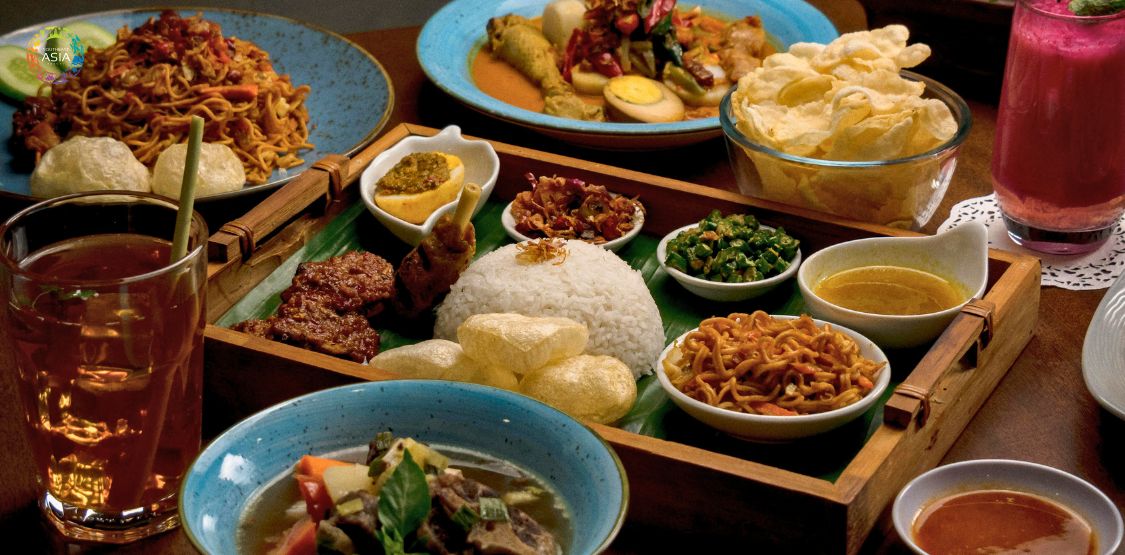
- Nasi Goreng: Indonesian fried rice, often called the national dish
- Rendang: slow-cooked beef in coconut milk and spices, originally from West Sumatra
- Satay (Sate): grilled skewers found in regional variations nationwide
- Gado-Gado: vegetable salad with peanut sauce
- Soto Ayam: turmeric-based chicken soup
- Babi Guling: Bali's roast suckling pig, tied to Balinese Hindu ceremonial cuisine
Best culinary destinations:
- Bali: Ubud and Seminyak's warung culture, plus Balinese ceremonial dishes
- Yogyakarta: Java's cultural heart, known for gudeg (jackfruit stew)
- Jakarta: a melting pot of regional Indonesian cuisines in one capital city
- Bandung: West Java's cooler climate produces a distinct, often sweeter food culture
Authentic experiences:
- Traditional warungs (small family-run eateries)
- Village cooking classes, often built around market visits
- Local markets (pasar) for produce and street snacks
- Coffee plantation visits, particularly in Bali and Sumatra
→ Read More: Exploring Unique Experiences in Bali Beyond the Usual Tourist Trail
The Ultimate Food Itinerary for Thailand, Malaysia, and Indonesia Tours
The easiest way to experience all three cuisines without piecing together your own logistics is to follow a pre-built multi-country tour. Southeast Asia Travel offers two itineraries based on this exact route.
Essence of Malaysia, Indonesia & Thailand
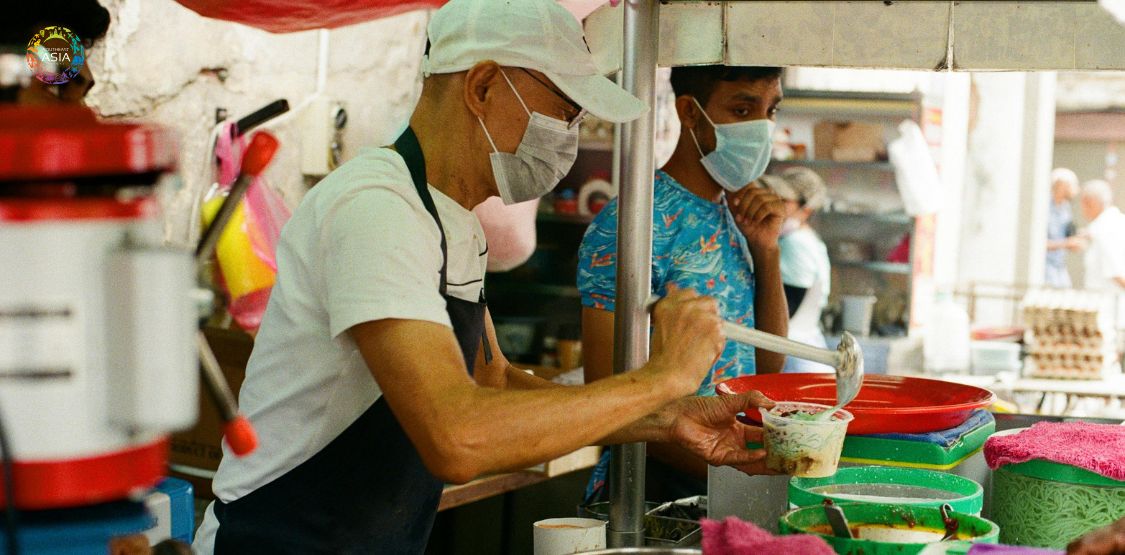
If you're serious about food, this 17-day trip is built just for you. We take you through Kuala Lumpur, Penang, Jakarta, Bali, and Bangkok to give you the ultimate taste of Southeast Asia. You'll start in Malaysia, where the food scene is both approachable and incredible. To keep the focus strictly on great eats, we've also included special stops in Ratchaburi and the Genting Highlands to mix things up.
Food angle you will love:
- Kuala Lumpur for halal-friendly hawker dining and multicultural classics.
- Penang has some of the best street food in Malaysia.
- Jakarta is for urban Indonesian dishes and coffee culture.
- Bali for resort dining, local warungs, and market food.
Mystic Trails of Southeast Asia
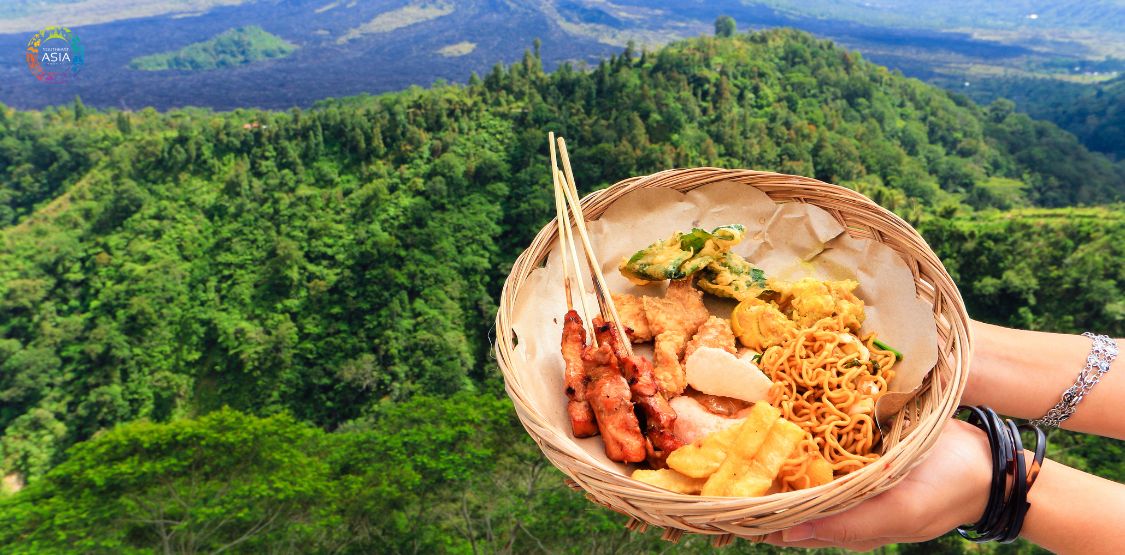
This 22-day itinerary is better suited to travelers seeking a longer, more immersive journey with a wider range of landscapes and culinary experiences. It includes Kuala Lumpur, Melaka, Bangkok, Ayutthaya, Bali, and Sabah, so the route combines heritage cities, beach time, and more adventurous stops. Because it runs longer, it gives more breathing room for meals, local markets, and unhurried dining.
Food angle you will love:
- Melaka for Nyonya-style heritage flavors.
- Bangkok for markets, riverfront dining, and street food.
- Bali for island ingredients and local specialties.
- Kuala Lumpur offers a wide range of fusion options.
Food Etiquette and Dining Tips
Street Food Safety Tips
- Choose stalls with high customer turnover: food that's cooked fresh and sold quickly is safer than food sitting under heat lamps.
- Watch for vendors who handle raw and cooked food separately, and favor stalls where locals are already queuing.
- Bottled or boiled water is safest.
- Ice at reputable stalls in Thailand, Malaysia, and Indonesia is generally made from filtered water at commercial ice factories, but it's worth asking if you're unsure.
Eating Like a Local
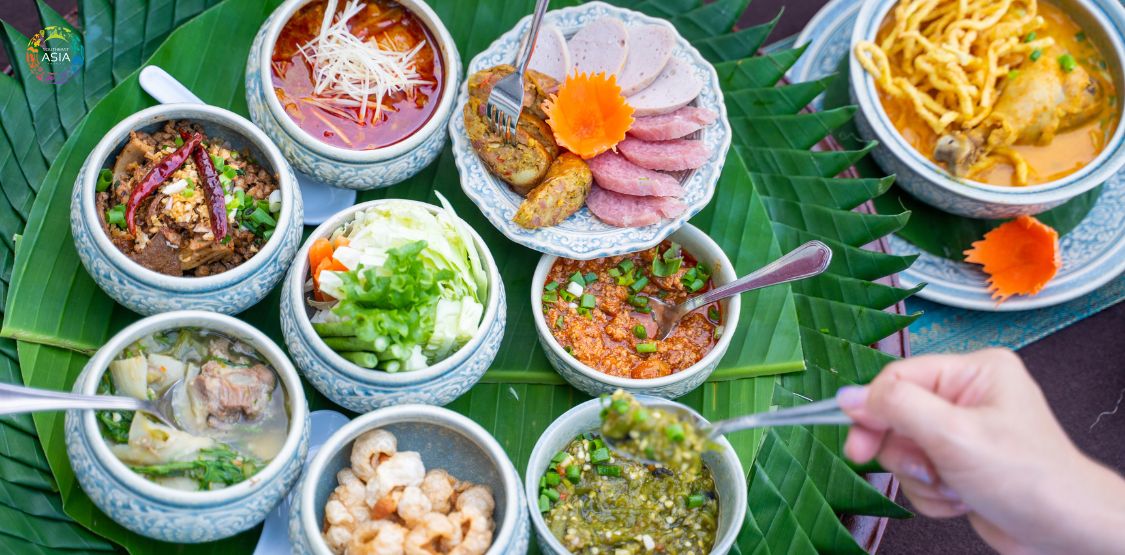
- Thailand: Use a fork and spoon. The spoon is the primary tool for eating, while the fork is used only to push food onto the spoon.
- Malaysia: Many dishes are traditionally eaten with the right hand, particularly at Malay eateries and mamak restaurants. Avoid using the left hand for eating.
- Indonesia: Right-hand customs apply in traditional settings, though cutlery is widely used in urban and tourist areas.
- Shared Practice: Across all three countries, ordering several small dishes to share is the standard dining format rather than individual main courses.
Tipping Culture
Tipping is not deeply embedded in any of the three countries, but is increasingly appreciated in tourist-facing restaurants.
- In Thailand, rounding up the bill or leaving 5–10% is common in city restaurants (street stalls generally don't expect tips).
- In Malaysia, a 10% service charge is often already included in restaurant bills, so additional tipping is optional.
- In Indonesia, tipping isn't customary at warungs, but 5–10% is welcomed at mid-range and upscale restaurants.
Vegetarian and Halal Options
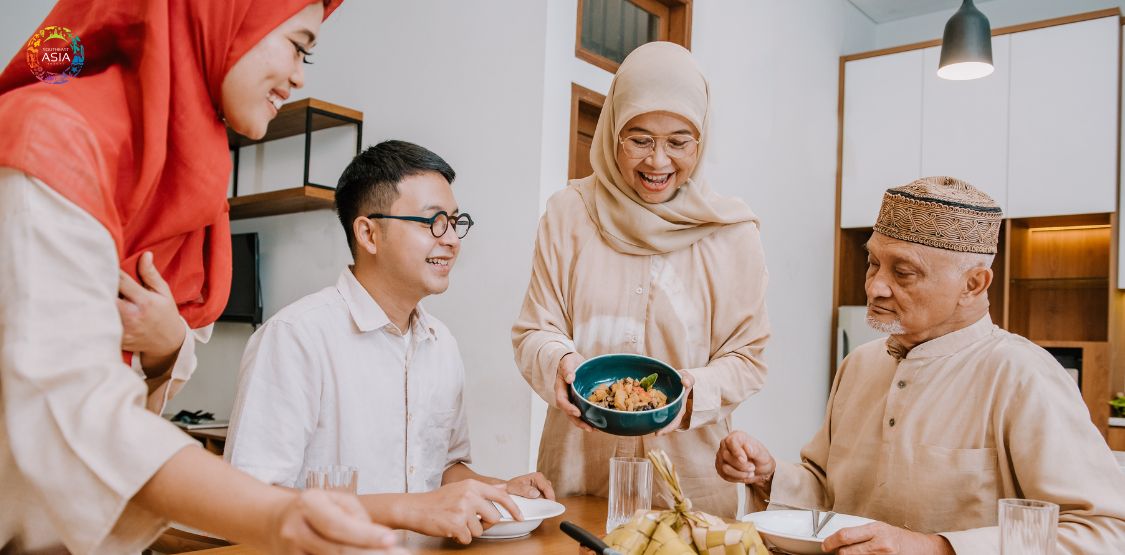
Due to its Muslim-majority population and the extensive availability of JAKIM halal certification across eateries, hawker stalls, and chain outlets, Malaysia provides one of the most accessible halal dining environments in Southeast Asia.
Excellent vegetarian choices are also available in Thailand and Indonesia. In Thailand, look for the yellow "Jay" flags that indicate strict vegetarian food. In Indonesia, you will find numerous plant-based warung options centered on tofu, tempeh, and fresh vegetables.
Practical Tips for Planning Your Food Tour
- Keep some cash on you: Most street vendors and night markets are cash-only. It's a good idea to keep small bills of Thai Baht, Malaysian Ringgit, or Indonesian Rupiah handy, as many local stalls won't have change for large notes.
- Download the local apps: Grab is your best friend in all three countries for rides and food delivery. If you're heading to Indonesia, definitely grab Gojek too; their GoFood service is a lifesaver for finding top-rated local eats in Bali or Jakarta.
- Eat like a local (timing-wise): To get the freshest food and skip the crowds, try to match the local rhythm. Many hawker centers and warungs open early for breakfast (6-7 am), take a break in the afternoon, and fire up the grills again around 6 pm for dinner.
- Time your trip for fruit seasons: If you love tropical fruit, aim for June through August. This is peak durian season in Thailand and Malaysia, and you'll also find plenty of fresh mangosteen and rambutan everywhere you look.
- Learn a few fun phrases: You don't need to be fluent, but a little goes a long way. Try "Aroy mak" (Thai for delicious) or "Sedap" (Malay/Indonesian). Asking "Berapa harga?" (How much?) shows you're trying, and vendors usually love it!
- Pack a "just in case" health kit: Even if you have a stomach of steel, new spices can be a surprise. Bring some basic stomach meds or rehydration salts. If you need a pharmacy, look for a "Farmasi" in Malaysia or an "Apotek" in Indonesia.
Frequently Asked Questions
How many days do I need for a food-focused tour of Thailand, Malaysia, and Indonesia?
Most food-focused multi-country itineraries run 10-16 days, allowing 3-5 days per country. This gives enough time for cooking classes, market visits, and multiple food cities without rushing between destinations.
Which country has the spiciest food?
Thailand and parts of Indonesia (especially Sumatra and West Java) tend to serve the spiciest dishes, driven by heavy use of chili in curries and sambals. Malaysian cuisine is generally milder, though dishes like Penang Assam Laksa can still pack heat.
Are there food festivals worth planning a trip around?
Thailand's Vegetarian Festival in Phuket (typically late September or October) and Malaysia's George Town Festival (August) both center heavily on food alongside culture and performance. Bali's Ubud Food Festival, usually held around June, showcases Indonesian chefs and regional dishes and draws food-focused travelers from across the region.
Do I need to book cooking classes in advance?
Popular cooking classes in Chiang Mai, Penang, and Ubud can sell out during peak season (December–February), so booking 1–2 weeks ahead is recommended. Smaller village-based classes in Bali or Northern Thailand are more flexible and sometimes bookable a day or two before, especially outside holiday periods.
Ready to Taste Southeast Asia for Yourself?
From Bangkok's night markets to Penang's UNESCO-listed hawker stalls to Bali's village warungs, a Thailand, Malaysia, and Indonesia food tour delivers more culinary variety per day than almost any other route in the region.
Book your specialized Malaysia, Indonesia & Thailand tour today to secure your spot on an unforgettable culinary adventure, or explore further by visiting southeastasiatravel.com to read more comprehensive travel guides. Our travel experts will help you seamlessly plan and build every detail of your upcoming dream trip to Southeast Asia.