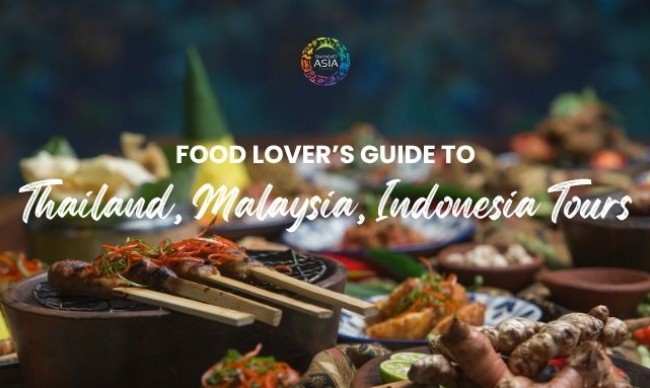




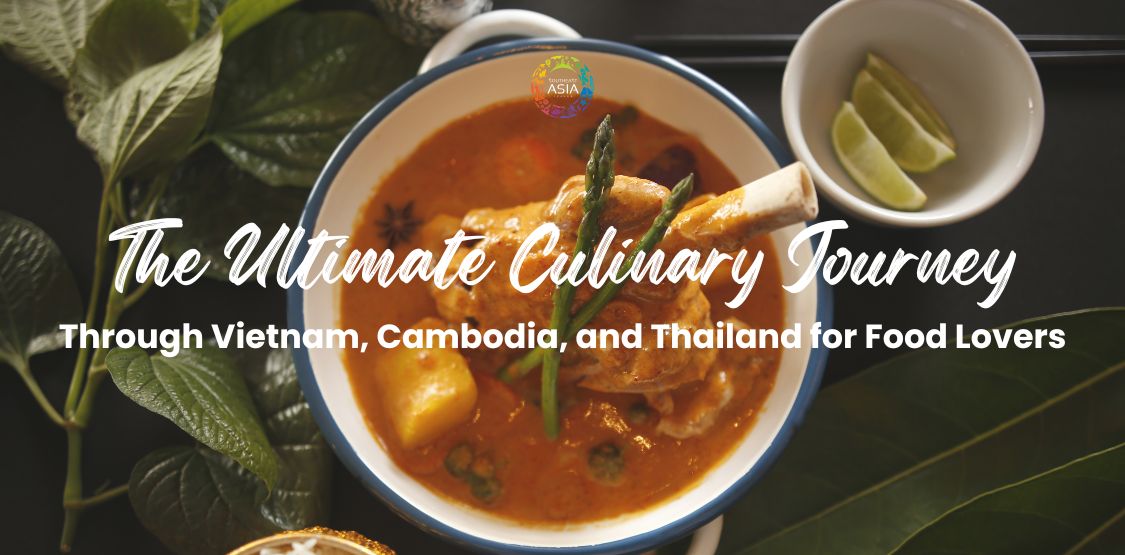
Eating your way through Southeast Asia is an exceptional travel experience, with Vietnam, Cambodia, and Thailand serving as the undisputed heart of the culinary tourism boom and offering an unmatched depth of flavor, from Hanoi's street stalls to Bangkok's Michelin-starred carts.
This guide, with a destination-by-destination breakdown of the best food experiences, is designed to help you find exactly the kind of itinerary you're after, whether you're chasing the perfect bowl of phở, learning to pound a Thai curry paste from scratch, or simply following the smoke to wherever dinner tastes best.
Vietnam: A Nation Obsessed with Food
Hanoi
Hanoi is one of those rare cities where eating is not just something you do between activities; it is the activity. The capital of Vietnam wears its culinary identity proudly, and locals will argue with considerable passion that their city serves the best food in the country. They may be right.
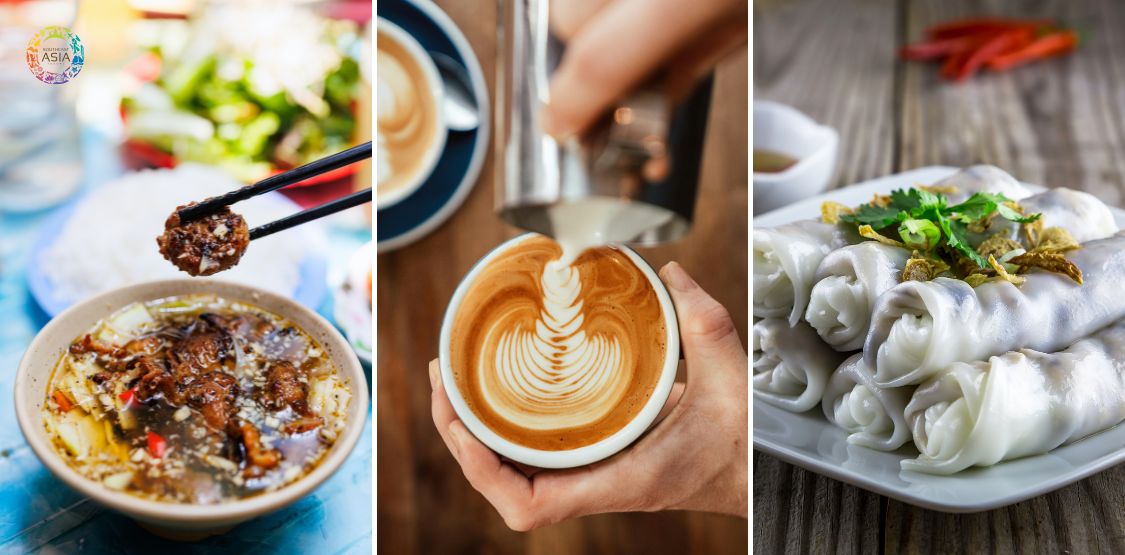
- Bun Cha is the dish that put Hanoi on the global food map, particularly after Anthony Bourdain and Barack Obama shared a bowl on plastic stools in 2016. Grilled pork patties and fatty belly slices served in a sweet-savory dipping broth alongside vermicelli noodles and a tower of fresh herbs: it is simple, smoky, and deeply satisfying. Finding the right bun cha restaurant in Hanoi is a rite of passage for any food-focused traveler.
- Egg coffee (ca phe trung) is the city's signature drink: a warm, almost dessert-like concoction of robusta coffee topped with a thick, silky foam of whipped egg yolk and sweetened condensed milk. It was invented in the 1940s, when milk was scarce, and has since become an icon of Hanoi café culture. Seek it out in one of the narrow Old Quarter cafés where it is still served in the original style.
- Old Quarter food walks are among the best ways to eat in Hanoi. The ancient 36-street district is a labyrinth of street food stalls, each specializing in a single dish: pho, banh cuon (steamed rice rolls), xoi (sticky rice), or cha ca (turmeric fish). Evening guided walks through these alleys, led by a local food guide who knows where to go and what to order, are among the most popular and most memorable experiences on any Vietnam culinary tour.
Hoi An
If Hanoi is Vietnam's most intense food city, Hoi An is its most charming. The ancient lantern-lit town on the central coast has built a remarkable reputation as a food-lovers' destination, blending centuries of culinary fusion (Vietnamese, Chinese, Japanese, and French) into a cuisine uniquely its own.
- Market-to-table cooking classes are the signature food experience in Hoi An, and they are genuinely excellent. A typical half-day class begins at the Hoi An Central Market, where a local chef guides you through the stalls, identifying ingredients, explaining flavor principles, and selecting what you'll cook.
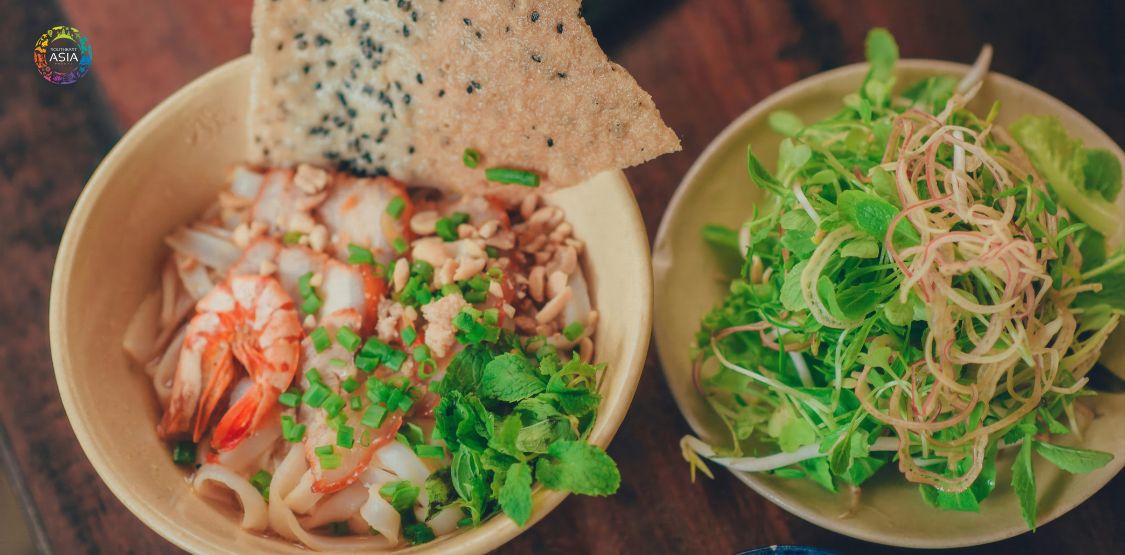
- Cao Lau is Hoi An's most famous dish, and one that demands geography: traditionally made with water drawn from the town's ancient Ba Le well, the thick, chewy noodles have a texture unlike anything else in Vietnam. Served with slices of char-siu pork, crispy rice crackers, and a tangle of fresh local herbs, it is a dish that tells the story of Hoi An's layered cultural history in every bite.
- Herb villages on the outskirts of Hoi An, particularly Tra Que Vegetable Village, offer a fascinating look at the agricultural side of the local food system. Tours include working alongside farmers, learning about the dozens of herb varieties used in Vietnamese cooking, and cooking a meal using what you've harvested. It is slow food in the most literal and delightful sense.
→ What to Experience in A Day Well Spent in Hoi An, Vietnam
Ho Chi Minh City
Vietnam's southern capital is a different kind of food city: faster, louder, more international, and with a street food energy that pulses well past midnight. Ho Chi Minh City's cuisine reflects its southern geography and its complex history: richer, sweeter, and more herb-laden than the north, with French colonial influence still visible in the bread and coffee culture.
- Southern Vietnamese street food is a category unto itself. Banh mi here arguably reaches its highest form: the baguette crustier, the fillings more lavish. Com tam (broken rice with grilled pork, egg, and pickled vegetables) is the definitive HCMC working lunch. Hu tieu, a clear pork and seafood broth with rice noodles, is the city's answer to Hanoi's pho, and it is extraordinary. Walking the backstreets of Districts 1, 3, and 4 with a local food guide unlocks a city that rewards curiosity and appetite in equal measure.
- Rooftop dining in HCMC offers a striking contrast: glass towers, city lights, and sophisticated modern Vietnamese cuisine that draws on traditional flavor profiles while presenting them in inventive new ways. The city's restaurant scene has matured dramatically in recent years, and food-forward travelers will find the high-end dining options genuinely exciting.
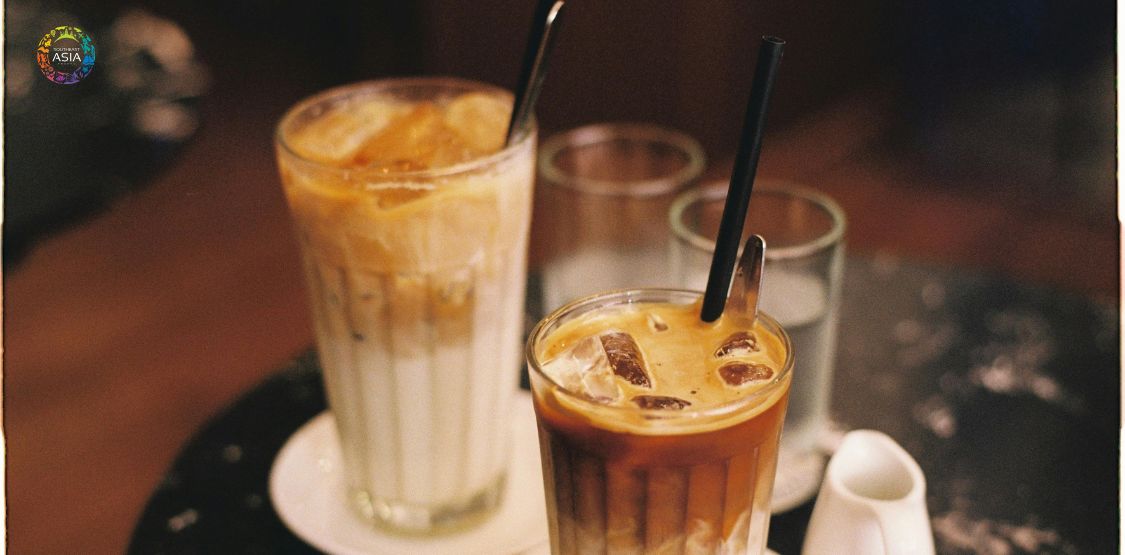
- Coffee apartment culture is one of the city's most charming food-adjacent phenomena. The Nguyen Hue Coffee Apartment, a mid-century block packed with independent coffee shops on every floor, encapsulates HCMC's sophisticated café culture. This culture blends Vietnamese robusta traditions with specialty coffee, cold brew, and a café-hopping social scene unlike anything in Hanoi.
Cambodia: The Underrated Culinary Gem of Southeast Asia
Phnom Penh
Cambodia's capital is in the middle of a culinary awakening, and Phnom Penh has emerged as one of Southeast Asia's most exciting and emotionally resonant food cities. Eating here is not just delicious; it is an act of cultural witness.
- The revival of Khmer cuisine is one of the most compelling food stories in Asia right now. A generation of young Cambodian chefs, many trained abroad and deeply committed to reclaiming their culinary heritage, are opening restaurants that honor traditional Khmer recipes while presenting them with contemporary technique and pride. Restaurants like Malis and Sra'Cha have brought Cambodian haute cuisine to the global stage, and exploring Phnom Penh's restaurant scene offers insight into this remarkable cultural reclamation.
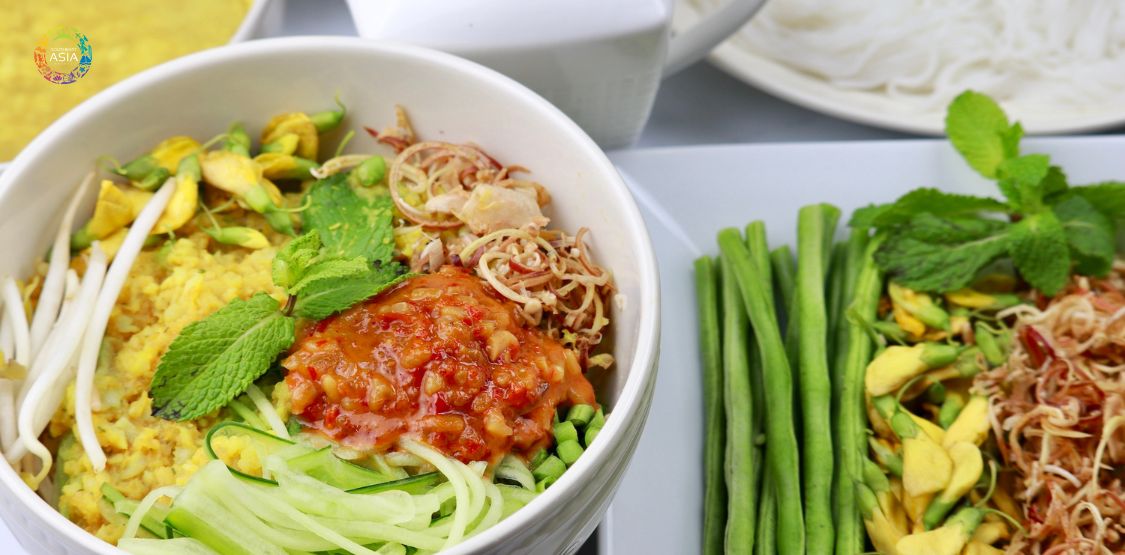
- Local breakfast culture in Phnom Penh centers on bobor - a gentle, warming rice congee served with fresh ginger, crispy shallots, and your choice of fish, pork, or century egg. Eaten at roadside stalls from dawn onwards, it is comforting, cheap, and the most authentic morning ritual a food traveler can join. Nom banh chok, fermented rice noodles topped with a green fish curry sauce and fresh herbs, is another beloved breakfast dish unique to Cambodia and not to be missed.
- Central Market food stalls (Phsar Thmei) offer a gritty, vivid look at Cambodian daily food life - dried fish and palm sugar, fresh tropical fruit, and snack vendors hawking everything from num pang (Cambodian sandwiches) to fried insects. The best market food experiences in Phnom Penh are immersive and unfiltered.
Siem Reap
Most travelers come to Siem Reap for Angkor Wat. The food-savvy ones discover that the temples are just the beginning.
- Night markets in Siem Reap have improved significantly in quality and authenticity in recent years. The Angkor Night Market and, better still, the more locally-oriented Kandal Village market area offer evening street food in a relaxed setting: grilled corn, num banh chok, fresh sugarcane juice, and the extraordinary Cambodian desserts made from coconut, palm sugar, and sticky rice that rarely make it onto restaurant menus.
- Tonlé Sap culinary traditions deserve a section of their own. The Tonlé Sap lake supplies the freshwater fish that defines Khmer cuisine. Day trips to the floating villages surrounding the lake, combined with a meal cooked and served on a local boat, offer a food experience deeply connected to the ecology, history, and daily life of Cambodian people.
- Khmer tasting menus at Siem Reap's best restaurants - La Table de Terroir, Cuisine Wat Damnak, and others - offer a sophisticated way to understand the full range of Cambodian flavors in a single sitting. Multi-course menus built around seasonal local ingredients, traditional spice pastes, and Khmer storytelling make for a remarkable dinner that goes far beyond anything the tourist strip can offer.
Thailand: Where Street Food Is Elevated to Art
Bangkok
Bangkok is a food city without rival in Southeast Asia, and arguably without equal anywhere on earth for the sheer density, quality, and variety of what you can eat within a single square mile. In 2024 alone, the city's street food scene was celebrated with multiple Michelin recognitions - a validation that serious food lovers have long known.
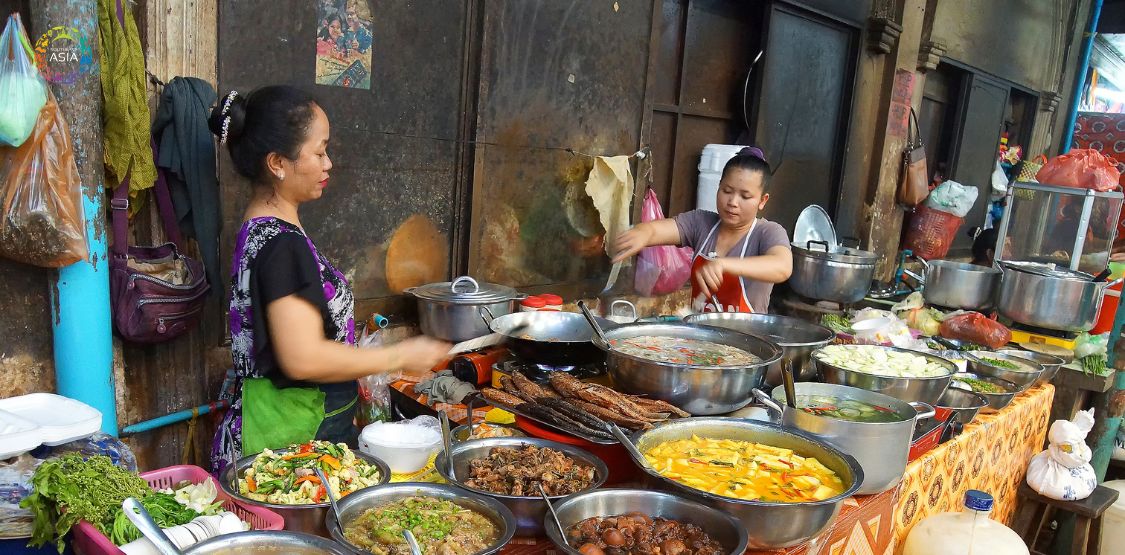
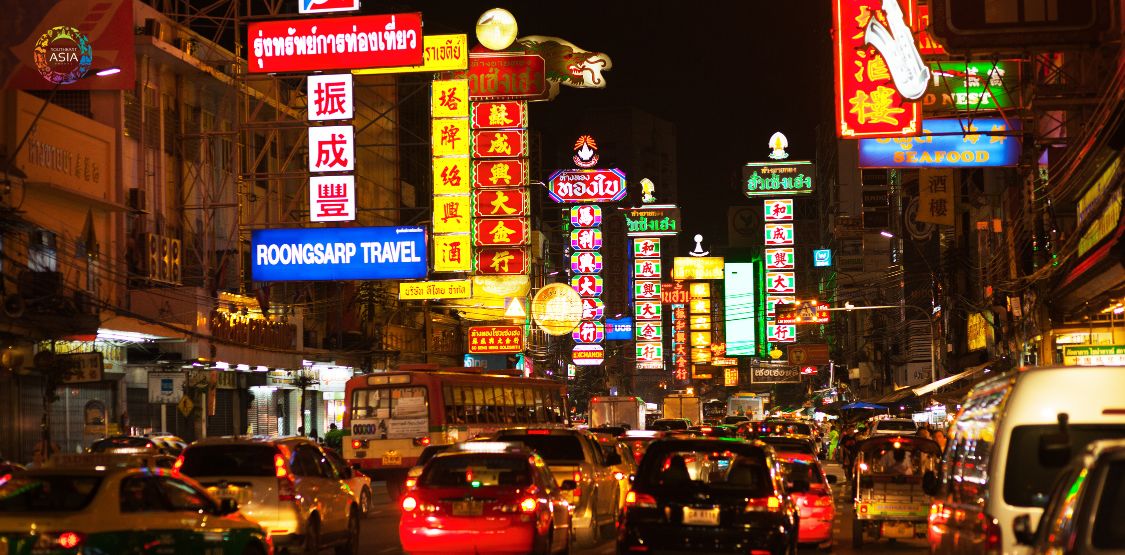
- Yaowarat - Bangkok's Chinatown - is the city's street food epicenter and one of the most thrilling places in Asia to eat after dark. The street transforms at sunset into a carnival of glowing signs, sizzling woks, and competing aromas: roast duck, grilled seafood, dim sum, boat noodles, and khao man gai (poached chicken rice). Navigating Yaowarat with a knowledgeable local guide helps you distinguish the iconic stalls from the tourist-facing imitations.
- Michelin street food culture in Bangkok is a genuinely extraordinary phenomenon. Jay Fai - a restaurant in a narrow shophouse run by a woman in ski goggles over a charcoal fire - holds a Michelin star for its crab omelet and dry tom yum. The queue is long, and the price is higher than street food norms, but the experience is one of Bangkok's most unique. Bangkok's Michelin guide has also recognized dozens of Bib Gourmand (value excellence) street stalls, providing a curated map for the serious food traveler.
- Floating markets - particularly Damnoen Saduak, Amphawa, and the more authentically local Bang Nam Pheung - offer a different kind of Bangkok food experience. Boat vendors paddle along canal networks selling bowls of pad thai, fresh coconut ice cream, and grilled corn. For couples on Southeast Asia tours, the floating markets offer a particularly romantic and memorable morning outing, ideally combined with a nearby temple visit.
Chiang Mai
If Bangkok is Thailand's culinary powerhouse, Chiang Mai is its soul. The ancient capital of the former Lanna Kingdom in Thailand's mountainous north has a food culture so distinct from central Thai cuisine that it practically constitutes its own culinary tradition.
- Northern Thai cuisine is characterized by milder spice levels, earthier flavor profiles, and dishes rarely found outside the north. Nam prik noom (a roasted green chili dip served with sticky rice and crispy pork rinds), sai ua (Chiang Mai herb sausage), gaeng hang lay (a Burmese-influenced pork curry with ginger and turmeric), and the extraordinary fermented flavors of naem (sour pork sausage) define a cuisine that rewards adventurous palates.
- Night bazaars in Chiang Mai, particularly the Saturday Night Market on Wualai Road and the Sunday Walking Street on Thanon Wualai, are among the best street food markets in Southeast Asia for exploring Northern Thai snack culture: grilled banana rotis, Northern-style khantoke dishes served on low traditional tables, and an ocean of khao niew (sticky rice) eaten with everything.
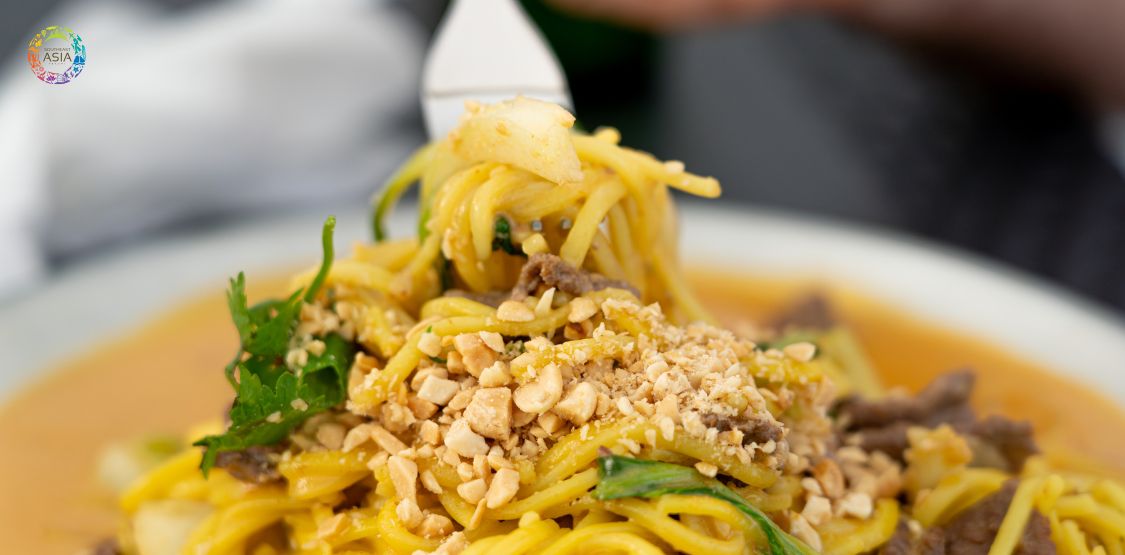
- Khao Soi experiences deserve particular mention because this dish (a rich coconut-curry broth served with egg noodles, crispy fried noodles, and your choice of protein) is Chiang Mai's culinary mascot and one of the greatest single dishes in Southeast Asia. Every food traveler to Chiang Mai develops an opinion on the best Khao Soi in the city.
Festival Time for Food Lovers
Festival periods bring out the full range of traditional food culture, including distinctive dishes rarely seen outside ceremonial contexts, street food markets operating around the clock, and a communal energy around eating that is deeply moving. Here are some notable times you should consider:
- Cambodian New Year (Khmer New Year / Bon Choul Chhnam Thmey) falls in mid-April and transforms Phnom Penh and Siem Reap with festival food stalls, traditional games, and family-centered cooking. It is an excellent time to witness authentic Cambodian food culture in a celebratory context, particularly in Siem Reap, where the celebrations are especially vibrant.
- Tet (Vietnamese Lunar New Year) occurs in late January or early February and represents the most important food event in the Vietnamese calendar. The weeks leading up to Tet see markets explode with seasonal produce, specialty sweets, and ingredients used only in traditional New Year cooking: banh chung (square sticky rice cakes filled with pork and mung bean), candied ginger, and dragon fruit pyramids. Hanoi and Hoi An are particularly atmospheric for Tet food experiences. Note that some street food stalls and markets close for several days during Tet, as vendors return home, so plan accordingly.
→ What to Know Before Traveling to Southeast Asia for Lunar New Year
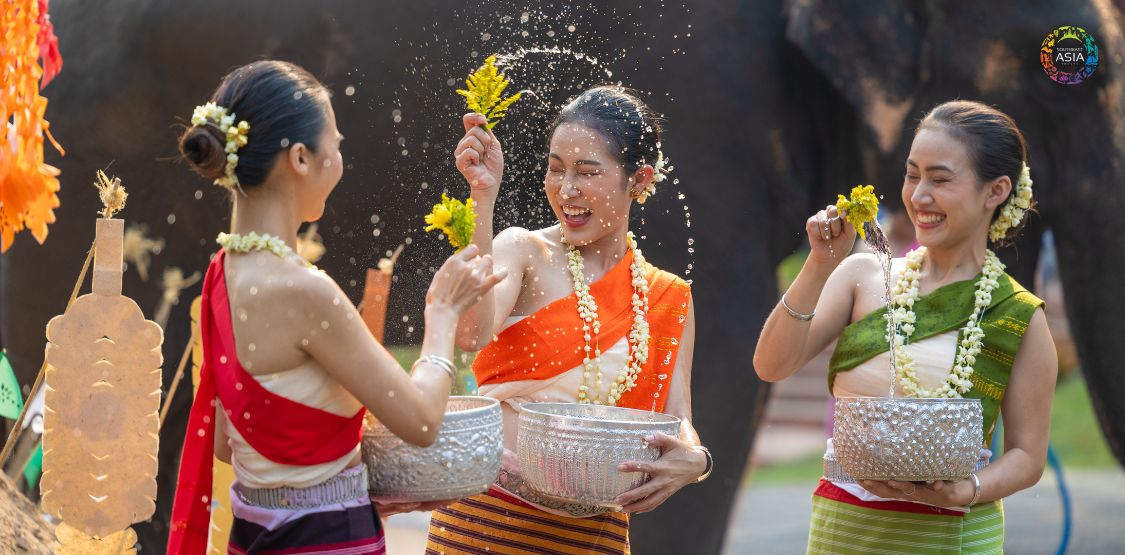
- Songkran (Thai New Year) falls in mid-April and is celebrated throughout Thailand with water fights, temple ceremonies, and a spectacular food culture. Street food vendors set up in neighborhoods that don't normally host markets; families cook traditional dishes like khao chae (jasmine-scented rice in iced water, a Songkran specialty) and share meals at community tables.
Best Vietnam, Cambodia & Thailand Tours for Food Lovers
Exciting 2-Week Food Journey
- Comprehensive Two-Week Journey: A three-country itinerary designed for food lovers to deeply absorb the culinary cultures of Vietnam, Cambodia, and Thailand.
- Logical Geographic Arc: The route minimizes transit time and maximizes immersion by moving efficiently through the region's most significant food destinations.
- Curated Culinary Activities: Highlights include authentic street food tours in Hanoi and Bangkok, hands-on market-to-table cooking classes, and guided walks through historic night markets and riverside lanes.
- Balanced Pacing: Unlike standard sightseeing trips, this tour provides "breathing room" for independent exploration, allowing travelers to revisit favorite cafés or discover local markets at their own speed.
- Best for: The mix of structured landmark experiences and flexible unscheduled time makes it an ideal choice for both couples and solo travelers.
→ View the full itinerary here
Delightful Street Food-Focused Trip
- Street Food Focus: Specifically designed for travelers who want to experience dawn noodle stalls in Hanoi, midnight wok stations in Bangkok, and riverside bun cha in Phnom Penh by stripping away standard sightseeing.
- Guided Experiences: Includes dedicated street-food walks, visits to local wet markets with expert commentary, and meals at hidden family-run restaurants.
- Authentic Dining Style: Emphasizes eating like a local with multiple small meals throughout the day and a focus on finding the most iconic versions of regional dishes.
- Best for: Ideal for adventurous eaters, food writers, and photographers for whom authentic culinary immersion is the primary goal of the trip.
→ View the full itinerary here
Frequently Asked Questions
1. Is Cambodia worth visiting for food lovers?
Absolutely, and it is arguably the most underrated culinary destination in the region. Phnom Penh's restaurant scene is evolving rapidly, Siem Reap offers excellent Khmer cooking classes, and the country's use of fermented, fresh, and foraged ingredients gives its cuisine a distinct character that differs meaningfully from both Vietnamese and Thai cooking. Travelers who skip Cambodia miss one of Southeast Asia's most interesting culinary stories.
2. How much does a Vietnam Cambodia Thailand food tour cost?
A private, guided culinary tour across all three countries typically starts around $2,500–$3,700 per person for 15–22 days, depending on the level of accommodation and the number of included culinary experiences. Budget travelers who do portions of the trip independently can spend significantly less, while luxury culinary tours with private chefs and premium accommodation can cost $5,000 or more per person.
3. Are cooking classes included in most culinary tours?
This varies by operator and itinerary. Many general Southeast Asia tours include one or two cooking experiences, but they may not be specifically curated for food lovers. Purpose-built culinary tours typically include multiple classes (market visits, hands-on cooking sessions, and farm experiences) as core components rather than optional add-ons. When evaluating a tour, it's worth asking specifically which culinary experiences are included and which are available at extra cost.
4. What is the ideal duration for a Southeast Asia culinary trip?
Three weeks is the sweet spot for covering Vietnam, Cambodia, and Thailand with genuine depth. Two weeks is feasible but requires accepting that some destinations will feel brief. Less than two weeks means making hard trade-offs between countries.
If three weeks isn't possible, consider focusing on two countries (Vietnam and Thailand are the most food-rich pairing) rather than rushing all three.
5. Can vegetarian or vegan travelers join food tours?
Yes, and Southeast Asia is generally one of the most accommodating regions for plant-based eating. Vietnam and Thailand, in particular, have extensive vegetarian traditions (often tied to Buddhist observance), and dishes like vegetarian pho, tofu-based curries, green papaya salad, and mango sticky rice are naturally plant-based. Cambodia is somewhat more meat-centric, but it is improving rapidly. Private tours can be customized to ensure vegetarian and vegan travelers have equally rich culinary experiences throughout.
Final Thoughts: Eat Your Way Through Southeast Asia the Right Way
Vietnam, Cambodia, and Thailand together form one of the world's most rewarding culinary travel combinations. Each country brings a distinct food culture to the table, and the transitions between them, experienced over the course of a well-designed itinerary, are part of what makes this journey so memorable.
The best tours don't try to squeeze every destination and every dish into the shortest possible time. They balance authentic food experiences with comfortable pacing, cultural immersion with logistical ease, and regional breadth with enough time in each place to actually taste it.
If you're ready to start planning, Southeast Asia Travel offers a range of itineraries across Vietnam, Cambodia, and Thailand that can be tailored to your travel style and culinary interests. Rather than trying to see everything, let's find the journey that matches your appetite.