
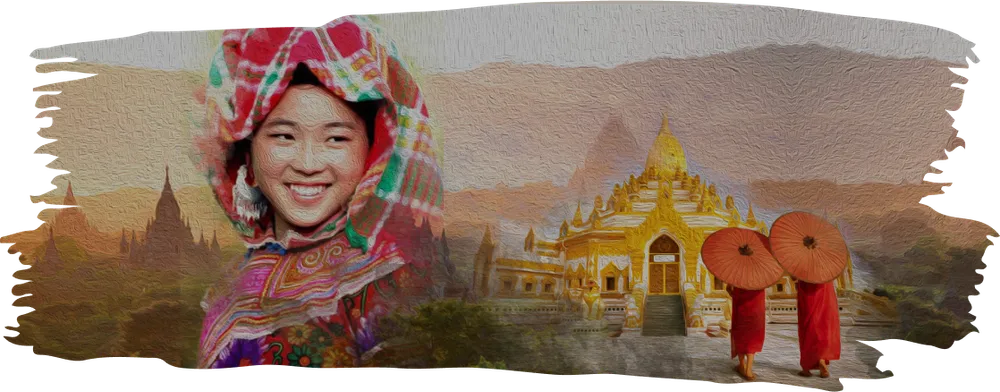


Southeast Asia is often seen as a year-round travel paradise with tropical beaches, ancient temples, vibrant markets, and incredible food. Yet many travelers hesitate to visit during the monsoon season, assuming that constant rain will ruin their holiday plans. In reality, the rainy season across Southeast Asia is far more nuanced than many people imagine. Showers are usually short and intense, followed by cooler weather, greener landscapes, and fewer tourists.
-ori.jpg)
For adventurous travelers, the rainy season reveals a more authentic and atmospheric side of Southeast Asia. From misty rice terraces in Vietnam to cozy cafés in Bangkok and lush jungles in Bali, the region takes on a magical charm during the wetter months. Of course, traveling during this season also comes with challenges, including unpredictable weather and occasional transport delays. The key is understanding both the advantages and the limitations so you can travel smarter and fully enjoy the experience.
1. Understanding Southeast Asia's Monsoon Season
What Is Monsoon Season?
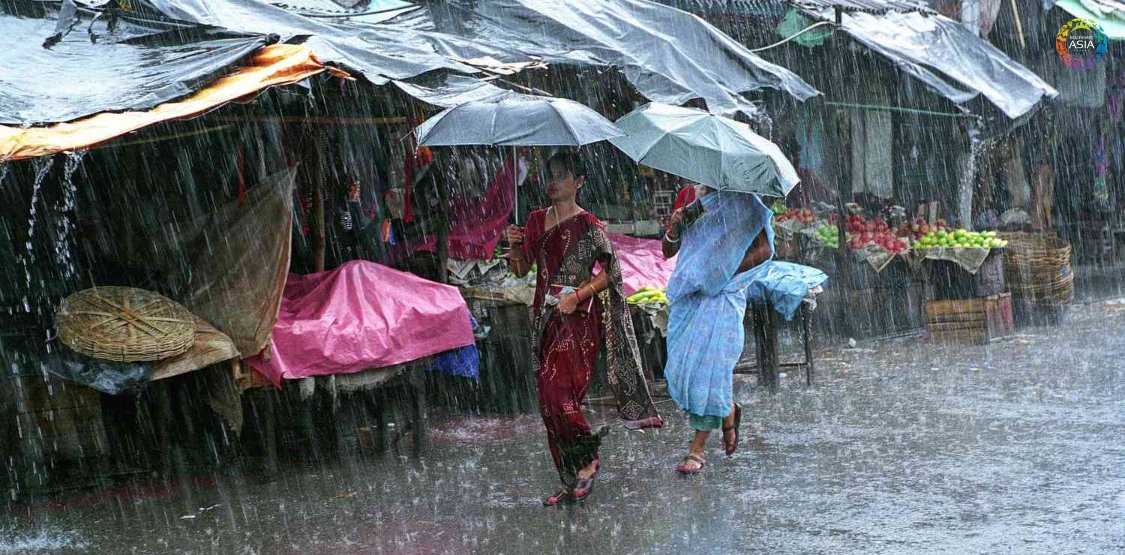
Monsoon season refers to the period when seasonal winds bring increased rainfall to tropical regions. In Southeast Asia, this usually means warm temperatures, frequent rain showers, high humidity, and dramatic afternoon storms. However, one of the biggest misconceptions is that it rains nonstop all day. In many destinations, mornings can still be sunny and clear, while heavy rain arrives only in the late afternoon or evening for a few hours.
These short tropical showers often pass quickly, leaving behind fresh air, cooler temperatures, and stunning skies. In fact, many travelers are surprised by how much sightseeing they can still comfortably enjoy during the rainy season.
Monsoon Timing Across Southeast Asia
One important thing to understand is that Southeast Asia does not experience monsoon season at the same time everywhere. Weather patterns vary greatly across the region.
Mainland Southeast Asia:
Countries such as Thailand, Vietnam, Cambodia, Laos, and Myanmar generally experience their rainy season between May and October. During this time, tropical downpours are common, especially in the afternoons.
Maritime Southeast Asia:
Meanwhile, destinations such as Indonesia, Malaysia, Singapore, and the Philippines follow slightly different weather patterns. Some islands may remain sunny while neighboring countries experience heavy rain.
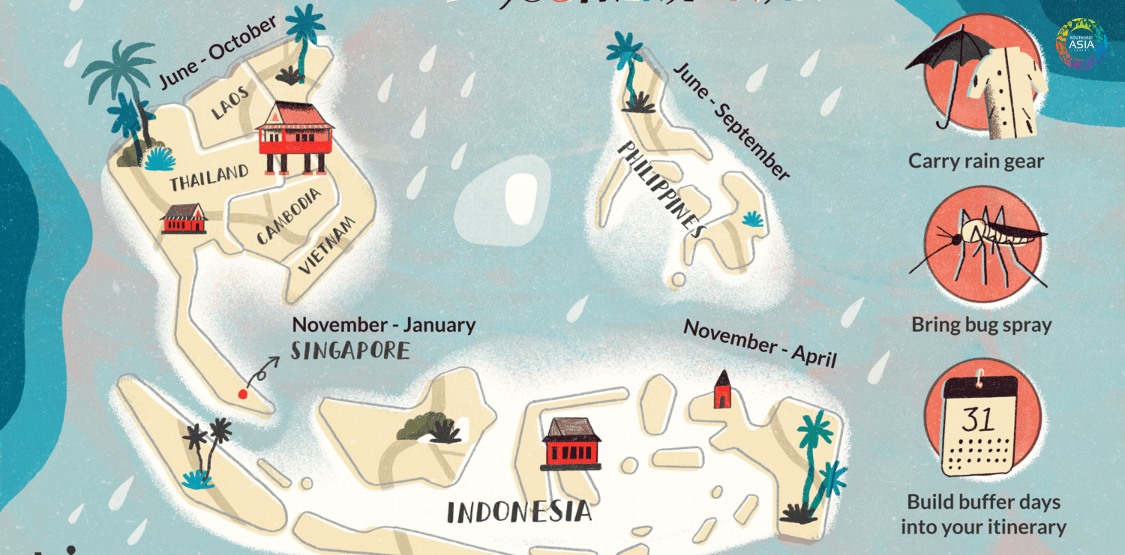
This variation is exactly why timing matters. Even during peak monsoon months, travelers can usually still find beautiful weather somewhere in Southeast Asia. Careful planning allows visitors to combine destinations and enjoy the best possible conditions strategically.
2. The Biggest Advantages of Traveling During Monsoon Season
Lower Travel Costs
One of the biggest reasons experienced travelers love the monsoon season is the significant savings it offers.
Since rainy months are considered "low season" in many countries, airlines often launch attractive promotions and discounted fares. Budget-conscious travelers can sometimes find international flights for a fraction of peak-season prices.
Accommodation costs also tend to drop considerably. Hotels, resorts, and hostels frequently reduce their rates during the monsoon season to attract visitors. This creates a rare opportunity to stay in luxury beachfront resorts, boutique jungle lodges, or high-end city hotels at much more affordable prices. Instead of paying premium dry-season rates, travelers can often enjoy upgraded rooms, complimentary services, and quieter properties for far less money.
Local excursions and activities may also be available at discounted prices during the rainy season. From cooking classes and city tours to spa packages and river cruises, travelers can enjoy more experiences while spending less overall.
Fewer Crowds & More Peaceful Experiences
One of the greatest pleasures of monsoon travel is enjoying famous attractions without overwhelming crowds. Popular temples, beaches, museums, and markets suddenly become calmer and more enjoyable. In destinations like Bangkok or Angkor Wat in Siem Reap, travelers may finally visit iconic landmarks without long lines or packed photo spots. Additionally, photography becomes far easier when scenic viewpoints and historic sites are free from constant crowds.
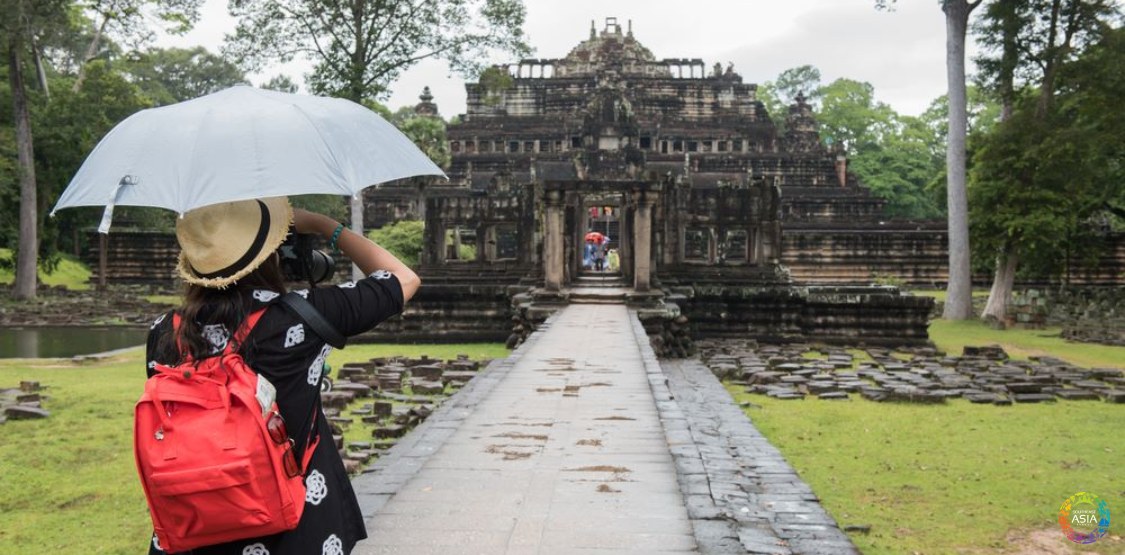
With fewer visitors around, destinations often feel more local and genuine. Travelers have better opportunities to interact with residents, chat with café owners, explore neighborhood markets, and observe everyday life at a slower pace. Rather than rushing through packed itineraries, the monsoon season naturally encourages deeper, more meaningful travel experiences.
At the same time, lighter traffic, shorter waits, quieter beaches, and quieter streets contribute to an overall sense of peace and relaxation. Without the stress and noise that frequently accompany busy tourist seasons, travelers can focus more fully on the experience itself. For many travelers, this slower rhythm becomes one of the most memorable parts of the journey.
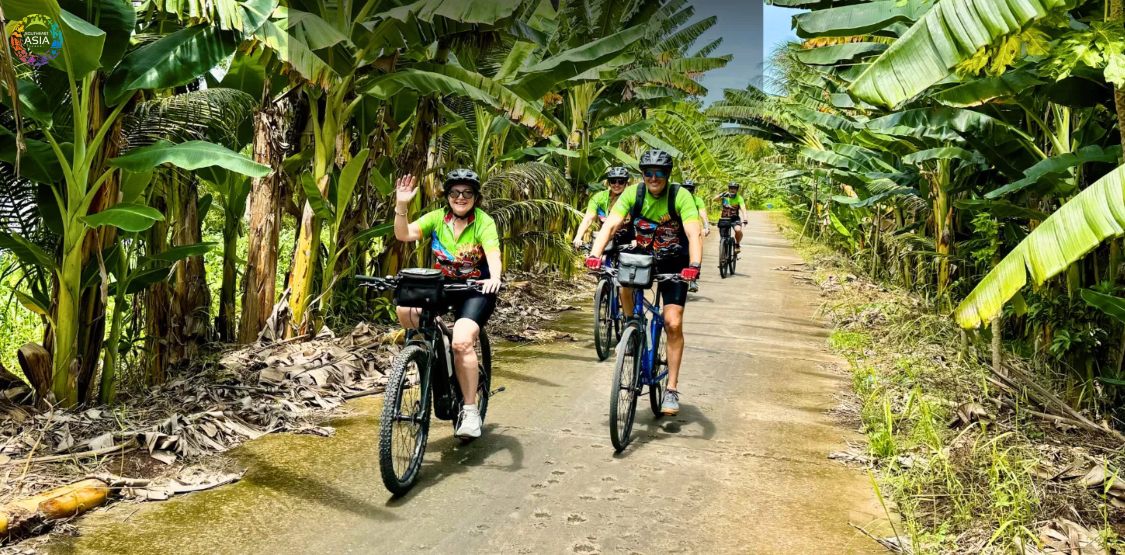
Beautiful Green Landscapes
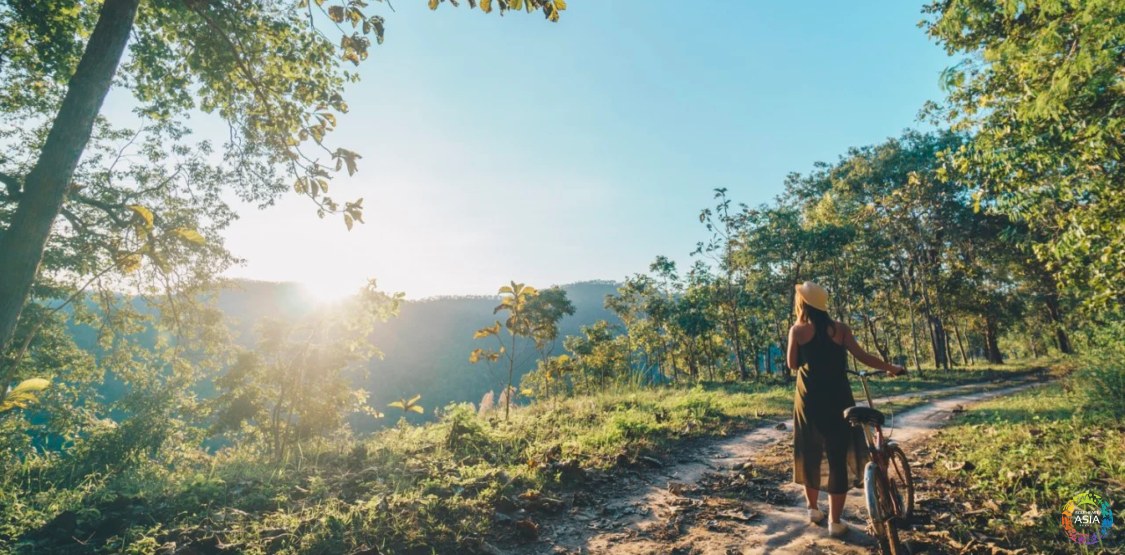
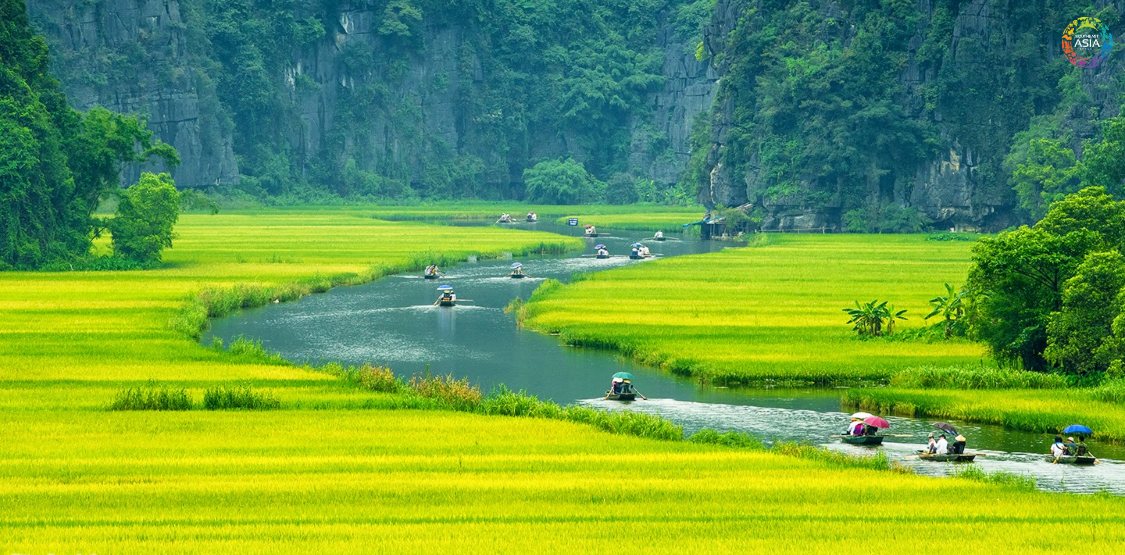
Rain transforms Southeast Asia into a lively tropical paradise. Rice terraces shimmer in brilliant shades of green, waterfalls flow with renewed power, and forests feel alive with fresh energy. Destinations such as Sapa or Ubud become exceptionally picturesque during the rainy months, when mist drifts across the mountains, and the countryside flourishes with dense vegetation and vivid colors.
Furthermore, the monsoon season can be a dream for photographers. Dramatic clouds, soft morning mist, rain-soaked reflections, and golden sunlight breaking through storms create breathtaking scenes. Many photography enthusiasts discover that rainy-season landscapes often feel more cinematic and atmospheric than the bright, dry conditions of peak season.
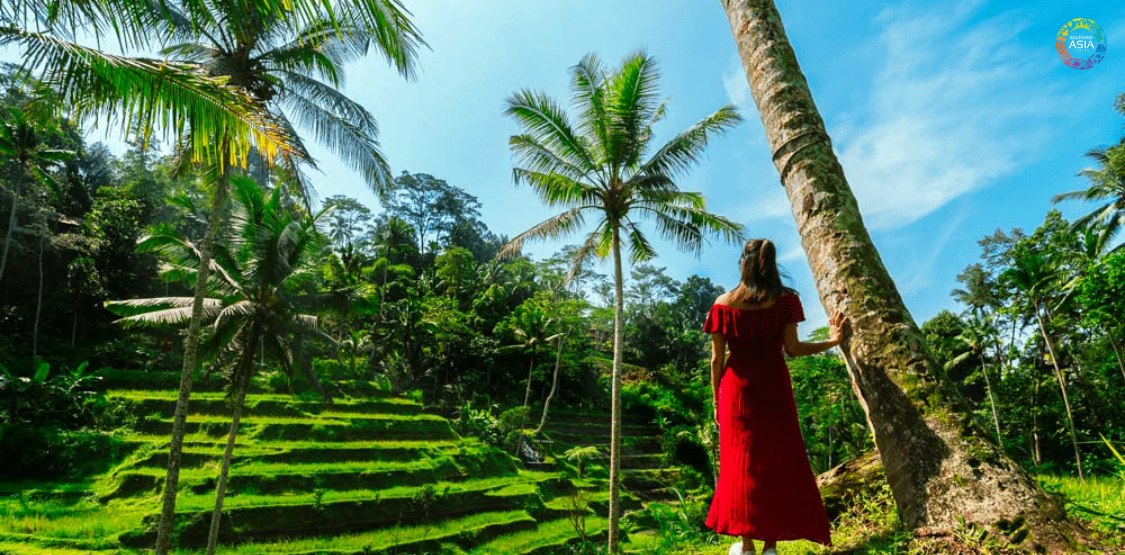
Although humidity remains high, rain can also provide relief from Southeast Asia's intense dry-season heat. Walking through cities or exploring temples can feel much more comfortable after a refreshing tropical shower.
Unique Seasonal Experiences
Beyond its natural beauty, the monsoon season coincides with several fascinating cultural celebrations across Southeast Asia. In Thailand, travelers can witness the vibrant Candle Festival, where enormous wax sculptures parade through the streets. In Vietnam, Mid-Autumn celebrations fill towns with lanterns, mooncakes, and colorful performances. Meanwhile, Bali continues to host deeply spiritual ceremonies and temple festivals throughout the year.
Rainy weather also changes the culinary experience. Warm noodle soups, spicy curries, grilled street snacks, and fresh tropical fruits feel especially comforting during wet evenings. There is something unforgettable about sitting in a small local restaurant while tropical rain pours outside and steaming bowls of pho, laksa, or tom yum arrive at the table.
3. The Challenges of Traveling During Monsoon Season
Unpredictable Weather
Of course, rainy-season travel is not perfect.
Weather conditions can change quickly, especially in tropical regions. Outdoor activities may need to be rearranged at short notice, and flexibility becomes essential. Travelers who approach monsoon season with patience and adaptability usually enjoy the experience far more.
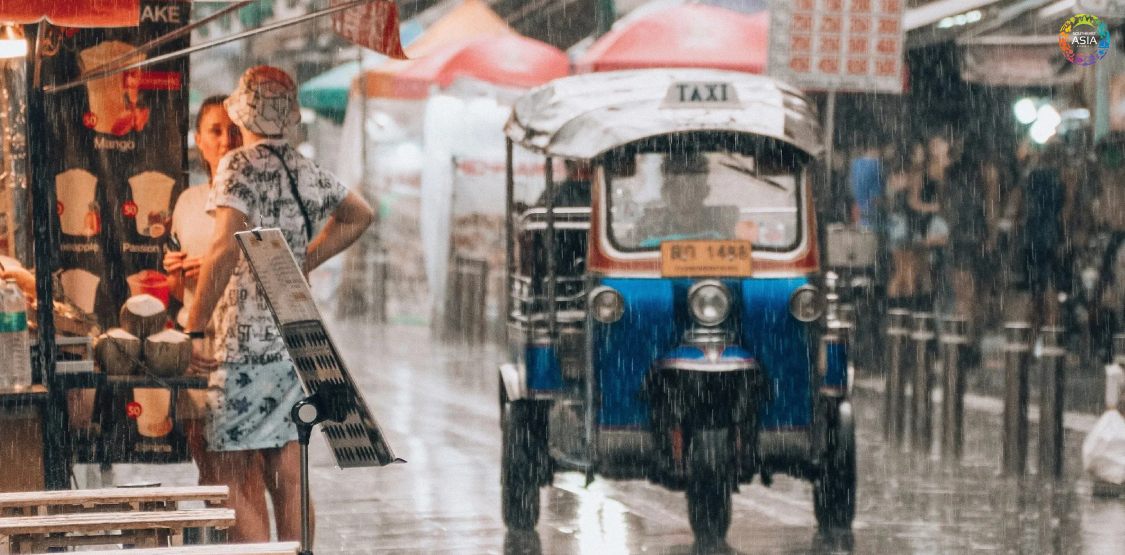
In addition, some cities occasionally experience temporary flooding after particularly heavy rain. Urban areas in countries like Thailand or Vietnam may see waterlogged streets for a few hours during severe storms. While this is usually manageable, it can sometimes disrupt transportation and sightseeing plans.
Transportation Disruptions
Island-hopping routes may be affected by rough seas or storms, especially in destinations such as southern Thailand or the Philippines. Ferry schedules can change unexpectedly during bad weather.
Similarly, regional flights occasionally face delays due to storms and heavy rainfall. Although major disruptions are relatively uncommon, it is still wise to avoid planning extremely tight connections, as weather conditions can be unpredictable.
Furthermore, heavy rain leads to traffic congestion in busy cities, making journeys longer than expected. Building extra time into travel days is always a good idea.
Outdoor Activity Limitations
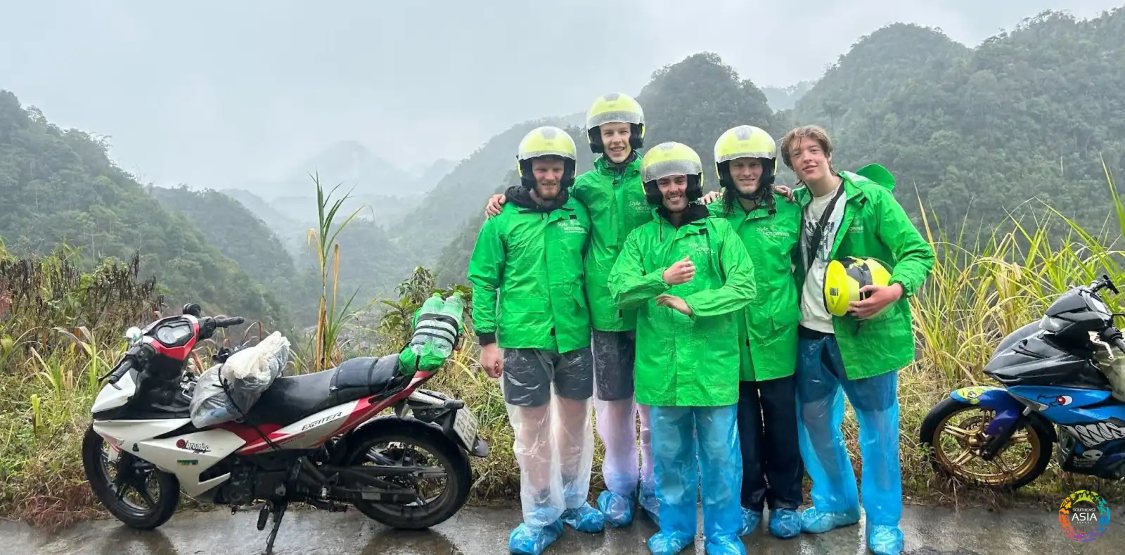
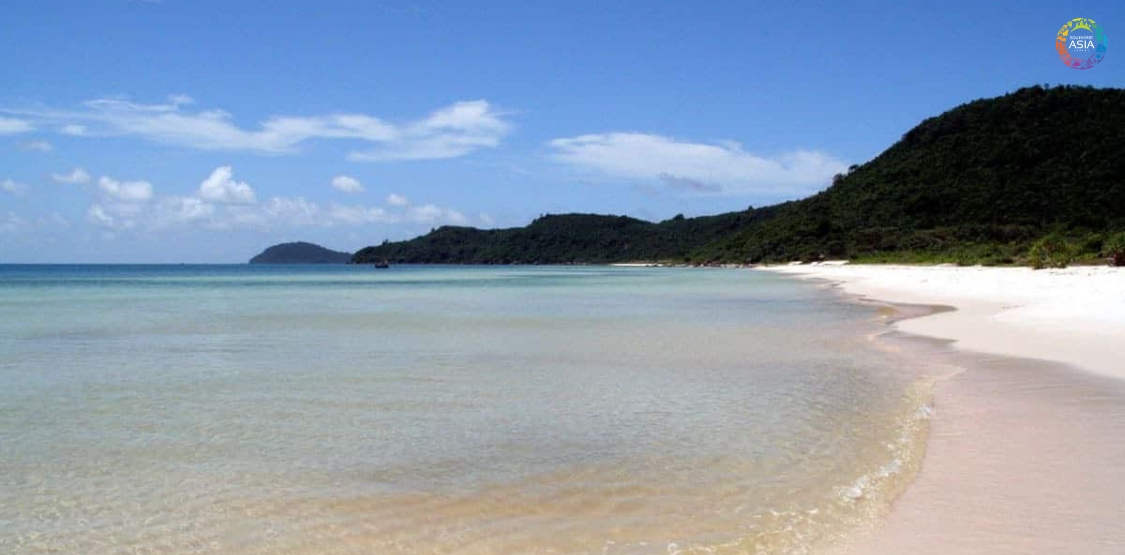
Monsoon season significantly changes the beach experience. Some beaches experience stronger waves, rougher seas, and reduced underwater visibility for diving or snorkeling. The experience may focus more on dramatic scenery, peaceful walks, and cozy cafés than on endless days of sunbathing. Travelers seeking perfect turquoise water may prefer the dry season in certain coastal destinations.
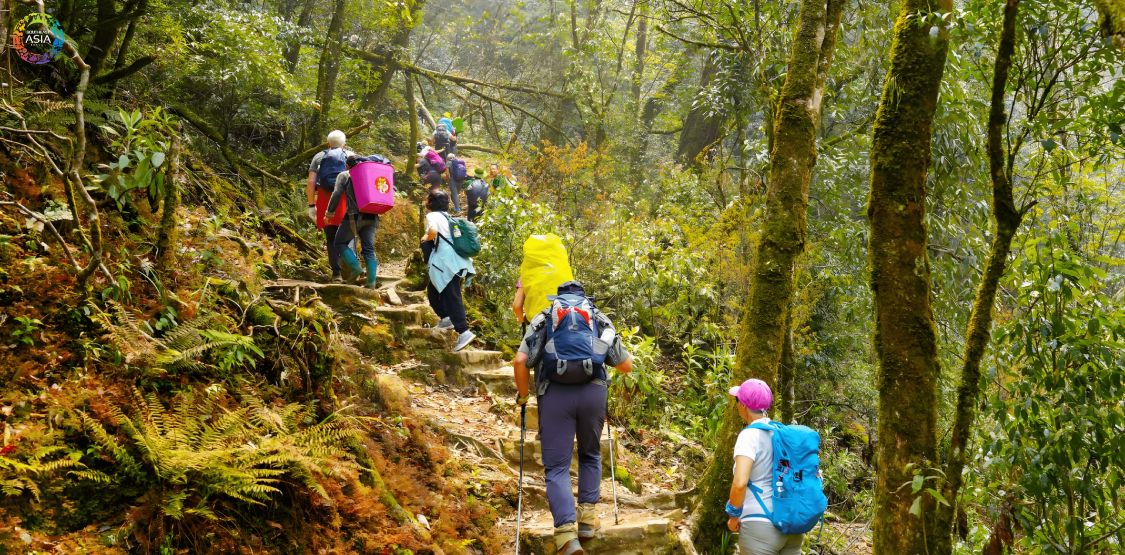
Likewise, mountain trails can become muddy and slippery after rainfall, particularly in jungle regions or national parks. As a result, hiking conditions may be more challenging, and some trekking routes may even close temporarily for safety reasons.
Humidity & Packing Challenges
Humidity in Southeast Asia can feel intense during the rainy season. Clothes dry slowly, and the tropical air can feel sticky at times. Rainy conditions also increase mosquito activity in many areas, especially near forests or rivers. Travelers should pack reliable insect repellent and wear appropriate clothing when needed.
Packing wisely becomes essential for monsoon travel. Lightweight rain jackets, waterproof bags, portable umbrellas, and quick-dry clothing can make a huge difference in comfort.
4. Best Southeast Asian Destinations During Monsoon Season
Thailand
Despite the rain, Thailand remains an excellent rainy-season destination. Bangkok thrives year-round thanks to its incredible street food, shopping malls, rooftop bars, cafés, and temples.
Meanwhile, islands such as Koh Samui experience a different monsoon schedule than other Thai islands, making them attractive alternatives during certain months.
Vietnam
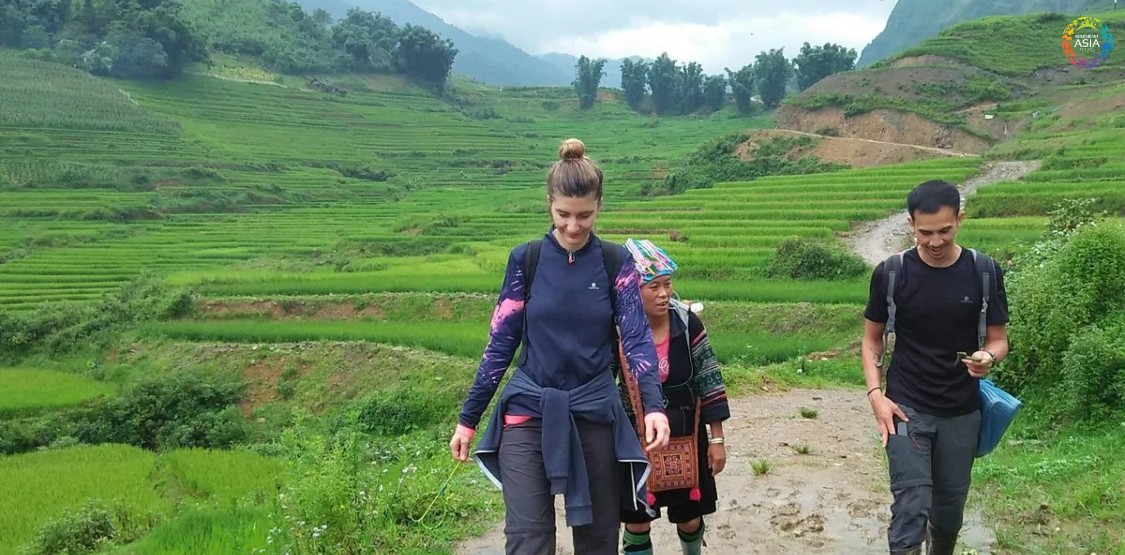
Rain transforms northern Vietnam into a spectacular landscape of emerald rice terraces and misty mountains in Sapa, which becomes especially photogenic, while Ninh Binh looks incredibly lush during the rainy season.
Indonesia
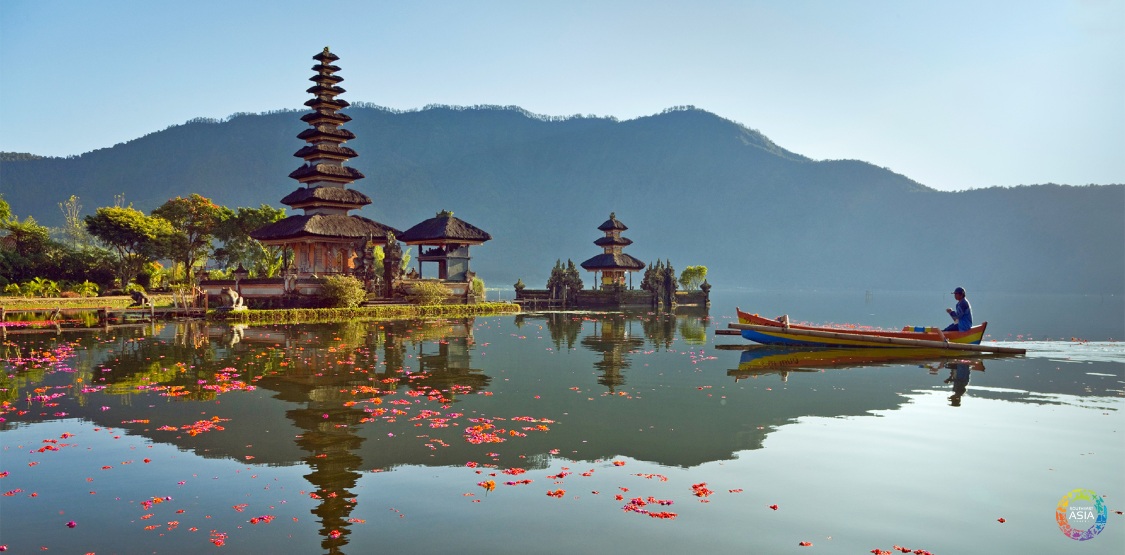
Rainy months in Bali can actually be wonderfully peaceful. Travelers enjoy quieter temples, calmer roads, lower hotel prices, and a more relaxed atmosphere compared to peak tourist season.
Malaysia
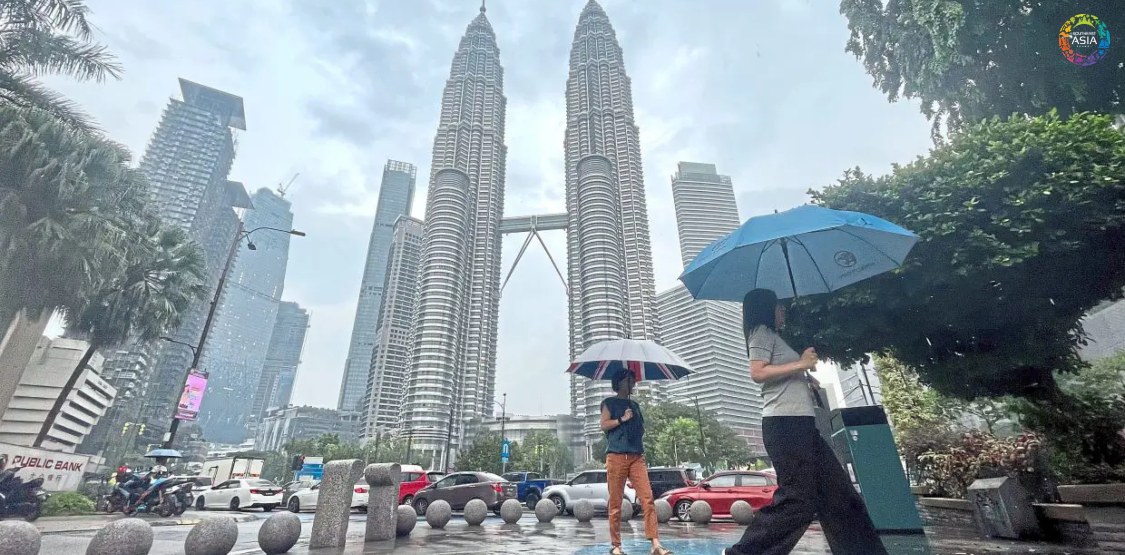
Malaysia offers an appealing combination of modern cities and tropical nature. Travelers can explore vibrant neighborhoods in Kuala Lumpur, discover famous street food in Penang, or experience rainforest adventures in Borneo.
Singapore
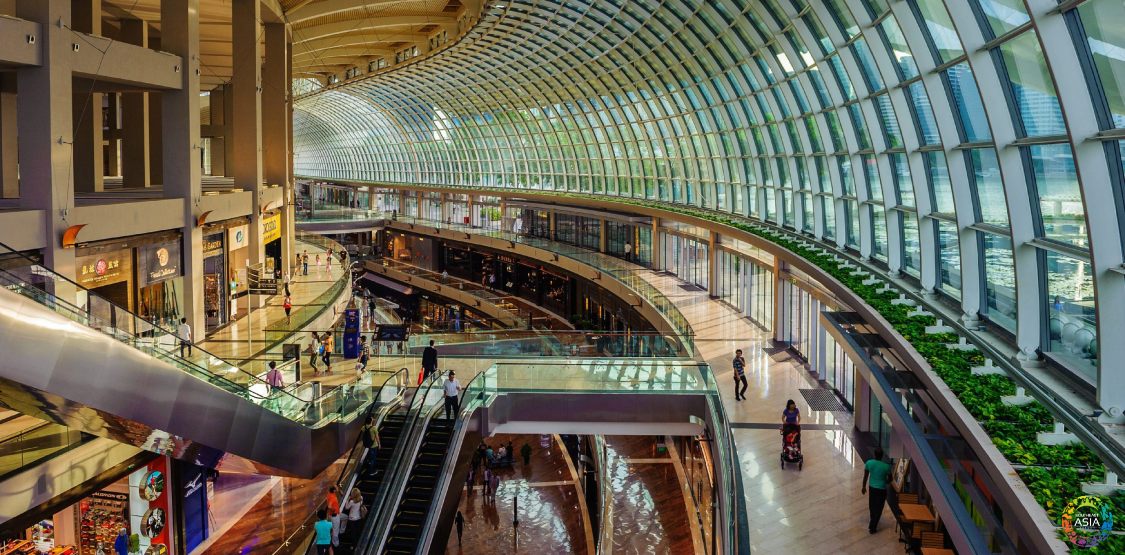
For travelers who prefer urban experiences, Singapore is ideal during the rainy season thanks to its excellent infrastructure, indoor attractions, museums, shopping centers, and efficient transportation system.
5. Essential Tips for Traveling Southeast Asia During Rainy Season
- Pack Smart: Bring lightweight waterproof gear, quick-dry clothing, dry bags for electronics, comfortable waterproof footwear, and a compact umbrella.
- Plan Flexible Itineraries: Avoid overbooking every day with rigid schedules. Leave room for weather changes and spontaneous adjustments.
- Use Weather Apps Daily: Checking local weather forecasts regularly helps travelers plan sightseeing around rainfall patterns and storms.
- Choose Accommodation Strategically: Staying in central locations reduces travel stress during heavy rain. Hotels with flexible cancellation policies also provide extra peace of mind.
- Embrace Slow Travel: Rather than rushing between destinations, the monsoon season is perfect for slow travel. Spend more time in fewer places, enjoy cafés, local culture, wellness experiences, and meaningful interactions.
6. Why Monsoon Season Can Be the Best Time to Visit Southeast Asia
Monsoon season reveals a different kind of Southeast Asia - one that feels raw, vibrant, and deeply atmospheric. Instead of chasing flawless weather, travelers discover misty mountains, glowing rice fields, cozy evenings, and spontaneous adventures.
For adventurous travelers, photographers, couples, and culture lovers, the rainy season often offers richer, more memorable experiences than peak tourist months ever could.
It is also one of the best times for value-conscious travelers. Luxury hotels become more affordable, destinations feel less crowded, and the overall pace becomes calmer and more personal.
Traveling in Southeast Asia during the monsoon season does not mean accepting a bad vacation. Yes, there may be sudden rainstorms, occasional delays, and changing plans, but there will also be quieter temples, greener landscapes, lower prices, dramatic skies, and unforgettable moments. The secret to enjoying Southeast Asia travel during the rainy season is flexibility, preparation, and an open mind. Travelers who embrace the unpredictability are often rewarded with some of their most magical travel memories.
Sometimes the most beautiful journeys happen not beneath perfect blue skies, but under clouds filled with rain, mist, and adventure.