


A Thailand and Malaysia cultural tour is one of the most rewarding journeys you can plan in Southeast Asia, weaving together Buddhist kingdoms, Chinese trading dynasties, Indian pilgrimage sites, and colonial-era architecture across two countries that share more history than most travelers realize. For heritage travelers, history enthusiasts, and first-timers to Southeast Asia who want more than beaches and resorts, this combination delivers remarkable depth.
This guide covers everything you need to plan the trip: the best cultural destinations in both countries with suggested itinerary frameworks. Whether you're booking a guided tour or planning independently, this is your starting point.
Why a Thailand and Malaysia Cultural Tour Works So Well
A Shared History of Trade, Faith, and Migration
- Global Crossroads: For over two millennia, the Straits of Malacca linked India, China, the Arabian Peninsula, and Southeast Asia, allowing Thailand and Malaysia to absorb diverse faiths, languages, and traditions.
- Cultural Blend: Thailand is primarily Theravada Buddhist with Brahmin and Chinese influences, while Malaysia blends Malay Islamic, Chinese, and Tamil Hindu heritages with colonial architecture.
- Heritage Recognition: Both countries have significant heritage, with Thailand hosting 8 UNESCO World Heritage Sites and Malaysia hosting 6, creating a strong foundation for a cultural itinerary.
Practical Reasons to Combine Both Countries
Beyond history, the logistics are genuinely straightforward:
- Visa-free entry for US, UK, Australian, New Zealand, and Canadian passport holders: 60 days in Thailand, 90 days in Malaysia
- Direct flights connect Bangkok (BKK/DMK) to Kuala Lumpur (KUL) in approximately 2 hours; budget carriers include AirAsia and Thai AirAsia
- Additional routes link Chiang Mai-Kuala Lumpur and Bangkok-Penang, allowing flexible entry and exit points
- Suggested total duration: 12-18 days for a balanced cultural tour at a comfortable pace
Cultural Highlights in Thailand
Thailand's cultural geography runs broadly north to south: ancient capitals in the central plains, a cosmopolitan river capital in Bangkok, and the distinct Lanna tradition of the mountainous north. A well-designed cultural tour sequences these regions in a logical arc, either as a standalone Thailand journey or as the first leg of a combined trip.
Ayutthaya: Thailand's Ruined Imperial Capital
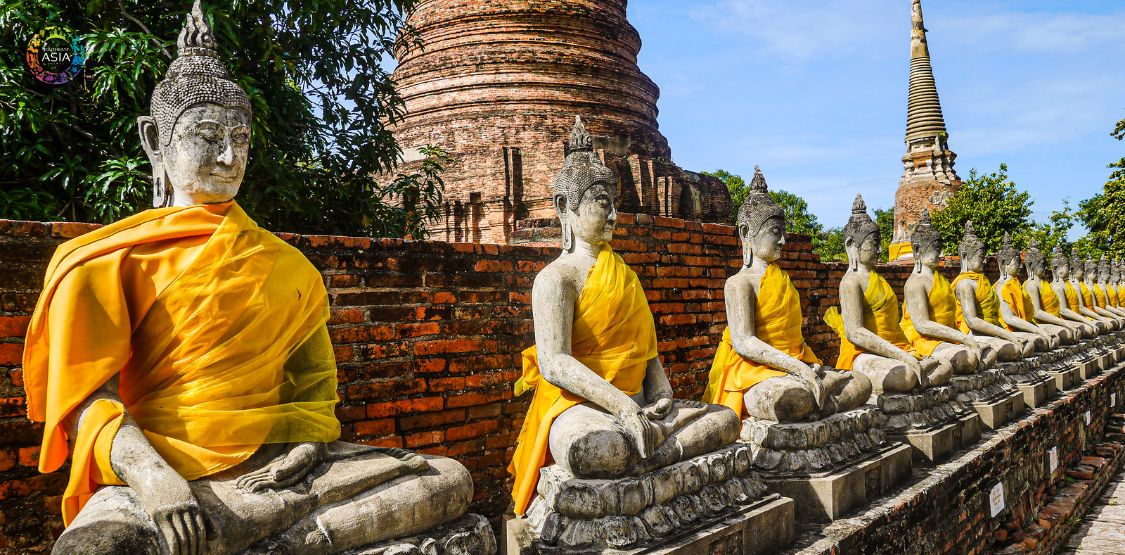
Ayutthaya Historical Park, located approximately 80 km north of Bangkok in Phra Nakhon Si Ayutthaya Province, central Thailand, is among the most atmospheric UNESCO World Heritage Sites in all of Southeast Asia. Founded in 1350 AD, the Kingdom of Ayutthaya grew into one of the wealthiest and most powerful states in the region before being sacked and burned by Burmese invaders in 1767. What remains, hundreds of ruined temples, headless Buddhas, and brick stupas slowly reclaimed by banyan roots, is haunting in the best possible sense.
The most photographed image is at Wat Mahathat: a serene stone Buddha head cradled in the exposed roots of a banyan tree, a quiet symbol of nature reclaiming what humans left behind. Nearby, Wat Phra Si Sanphet, once the royal temple within the Grand Palace grounds, displays three elegant bell-shaped chedis that define Ayutthaya's distinctive skyline.
- Practical details: The site is easily reached by train (45 minutes from Bangkok Hua Lamphong station) or minivan. The historical park covers a large area - rent a bicycle or hire a tuk-tuk for the day. Entry fees are low (around 50 THB per temple). Arrive before 9 am to beat both the heat and the tour groups. This is one of the most practical tips you'll receive for this destination.
Sukhothai: The Cradle of Thai Civilization
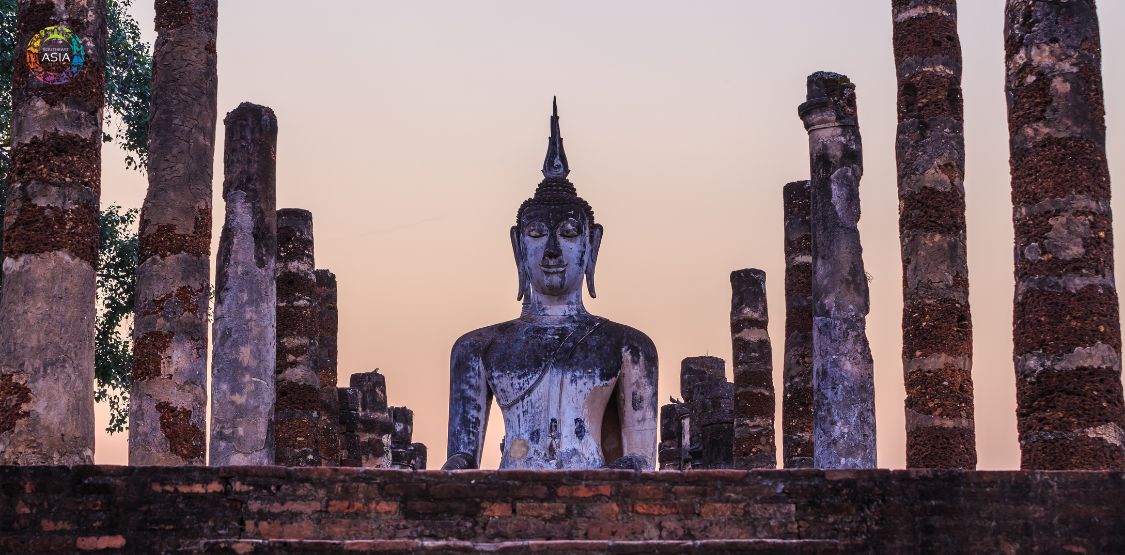
Further north, Sukhothai Historical Park in Sukhothai Province, northern-central Thailand, offers a more serene alternative to Ayutthaya and, for many travelers, a more moving one. This was the capital of the first unified Kingdom of Siam, established in the 13th century, and UNESCO listed it in 1991 as one of Thailand's original three heritage sites. The name Sukhothai translates as "Dawn of Happiness", a fitting description for a place that feels genuinely peaceful even at the height of tourist season.
The park preserves over 190 ruins across a forested landscape, best explored by bicycle on a well-maintained trail network. Wat Mahathat is the spiritual heart of the site, featuring the distinctive lotus-bud chedis that define the Sukhothai architectural style. Wat Si Chum houses one of Thailand's most impressive seated Buddha images (over 11 meters high) visible through a narrow slit in the enclosing walls.
- Practical details: Sukhothai is 427 km north of Bangkok, best reached by bus (~7 hours) or a short flight to nearby Phitsanulok. It works best as an overnight stop between Bangkok and Chiang Mai, rather than a day trip. The new city (30 minutes from the historical park) has good mid-range accommodation options.
Bangkok: Temples, River Heritage, and Living Art
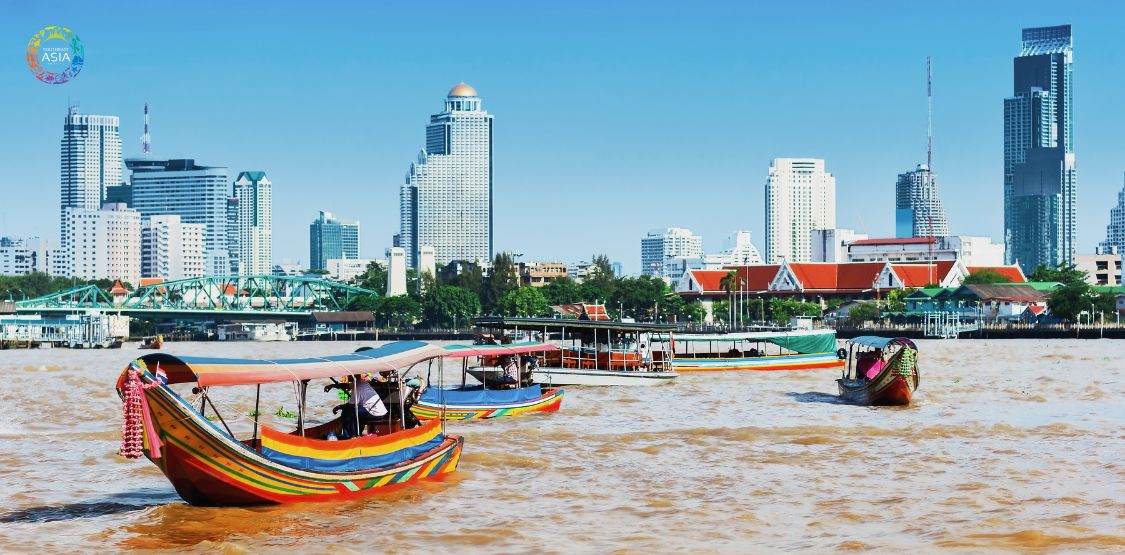
Bangkok, the capital of Thailand, needs little introduction, but its cultural riches extend well beyond the Grand Palace circuit that most first-timers follow.
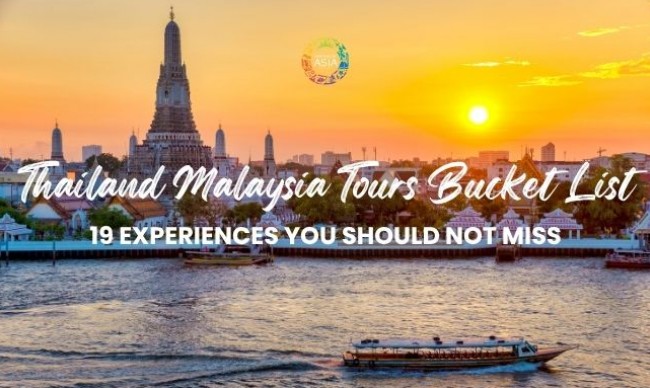
Yes, Rattanakosin Island (the historic core) is essential: Wat Phra Kaew, Wat Pho, and Wat Arun are genuinely world-class. A long-tail boat ride along the Chao Phraya River frames the city's temple skyline from the water in a way no land-based tour can replicate, and also reveals the quieter Thonburi side, where gilded riverside temples like Wat Arun glow at sunset.
But Bangkok's most overlooked cultural gem is Khlong Bang Luang Artist's Village (Baan Sillapin), one of the city's oldest surviving canal communities on the Thonburi side of the river. Home to traditional Thai artists working in shadow puppetry, painted lacquerware, and classical Thai painting, it offers something genuinely rare in the capital: an unhurried, living encounter with Thai artistic tradition. It receives a fraction of the tourist traffic of the temple circuit, yet delivers a more intimate cultural experience.
Chiang Mai: Heart of Lanna Culture
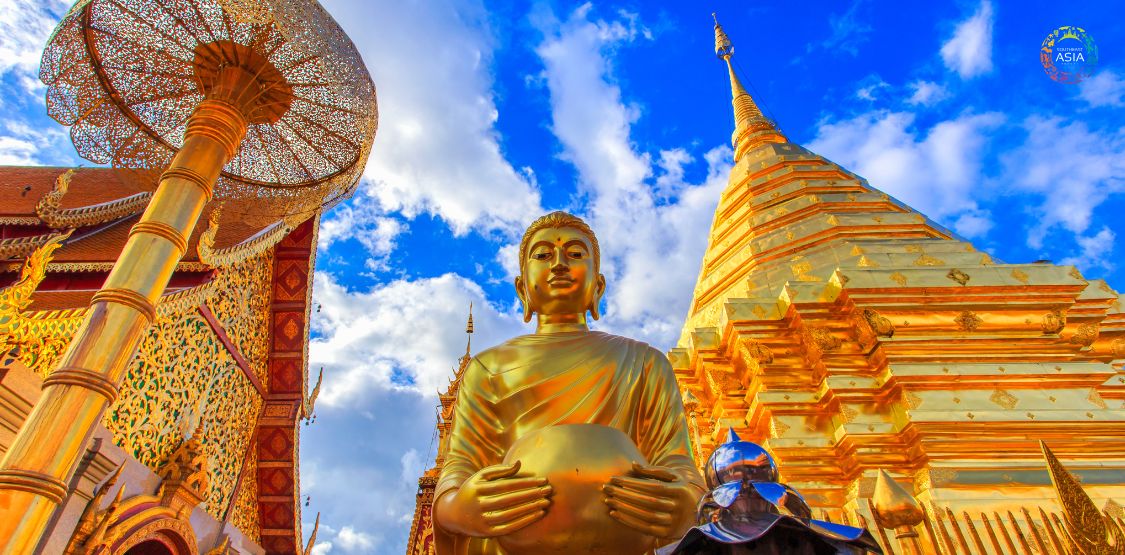
Chiang Mai, in northern Thailand, is not simply another Thai city with temples. It is the historical capital of the Lanna Kingdom, a distinct civilization that ruled the northern highlands for over 700 years before being absorbed into modern Thailand in the early 20th century. The Lanna tradition has its own artistic vocabulary: distinct temple architecture, script, culinary traditions, and festivals. UNESCO recognizes Chiang Mai as a Creative City of Crafts and Folk Art.
The ancient walled city contains over 300 temples. Wat Phra That Doi Suthep, perched on a mountain 15 km from the city center at an altitude of 1,080 meters, is the spiritual soul of northern Thailand, a gilded spire visible from the city on clear days and a site of genuine religious significance rather than mere spectacle. In the city itself, the moat-ringed Old City yields quieter discoveries: lacquerware workshops, silk-weaving studios, umbrella-making villages, and some of Southeast Asia's most renowned cooking schools.
Chiang Rai: Art, Tribes, and the Golden Triangle
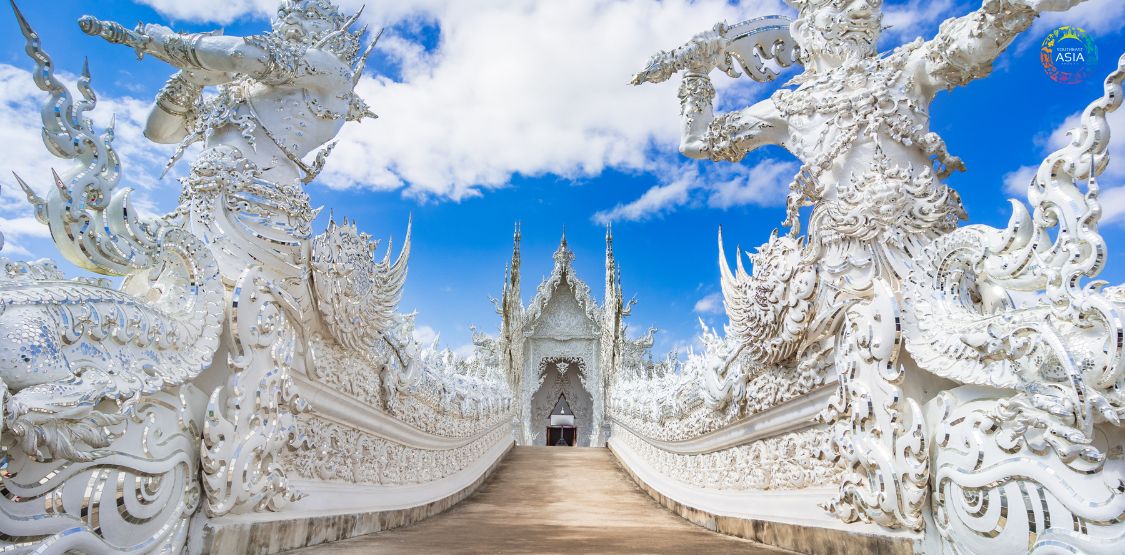
An easy 3-hour drive or bus ride from Chiang Mai brings you to Chiang Rai in northern Thailand. This smaller city is arguably where contemporary Thai art and authentic highland tribal culture intersect most dramatically, and nowhere more so than at Wat Rong Khun, known internationally as the White Temple.
Designed by Thai artist Chalermchai Kositpipat, Wat Rong Khun is a gleaming, mirror-studded Buddhist temple unlike anything else in Thailand, a living artwork still under construction, blending Buddhist iconography with contemporary imagery in deliberately provocative ways. It represents the living evolution of Thai religious art, not a museum piece. The nearby Blue Temple (Wat Rong Suea Ten) offers a similarly striking modern interpretation of Buddhist architecture.
Equally significant is Chiang Rai's proximity to genuine hill tribe communities: Akha, Karen, Yao, and Lisu villages, where traditional weaving, agricultural practices, and animist-Buddhist spirituality remain very much alive. The Hill Tribe Museum in the city provides essential context before visiting communities.
- Interesting notes: Chiang Rai is one of the few places in Southeast Asia where this cultural complexity, world-class contemporary art, and living indigenous traditions exist in such close proximity.
Cultural Highlights in Malaysia
Malaysia's cultural richness derives from one of Southeast Asia's most remarkable histories of migration and coexistence. Malay Islamic heritage, Chinese clan and Peranakan traditions, Tamil Hindu culture, and the legacy of Portuguese, Dutch, and British colonial rule layer visibly across the country's cities and towns. The result is a place where a Buddhist temple, a mosque, and a Hindu shrine can occupy the same street, and frequently do.
Kuala Lumpur: Multicultural Capital
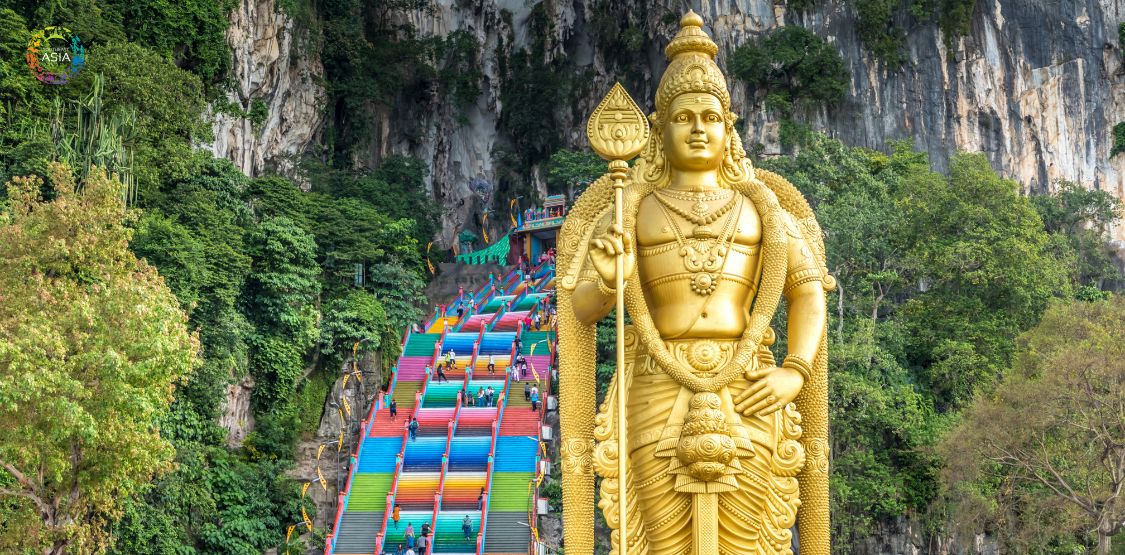
Kuala Lumpur, Malaysia's federal capital and primary international gateway, is where most Thailand–Malaysia itineraries begin or end. Most travelers see the skyline and the shopping malls. The more rewarding cultural journey involves going deeper into three specific neighborhoods.
Kampong Bharu is the last surviving traditional Malay kampung (village) within the city limits - a quiet, low-rise enclave of timber houses, small mosques, and weekend food markets just minutes from the KLCC towers. It's a living reminder that KL was a Malay river settlement before it became a global city.
Batu Caves, 13 km north of the city center, is not a museum piece. This limestone cave complex, reached by 272 rainbow-painted steps, is one of the most important Hindu pilgrimage sites in Southeast Asia, home to a towering gold-painted statue of Lord Murugan and caverns containing ancient shrines. During the Thaipusam festival (January or February), over a million devotees gather here for one of the most intense religious spectacles in the world.
Chinatown (Petaling Street) and Little India (Brickfields) complete the cultural map of central KL. Walk both in the afternoon to understand the ethnic mosaic that defines modern Malaysia. The contrast with Bangkok's more homogenous Buddhist identity is immediate and striking.
Penang: Malaysia's UNESCO Heritage Island
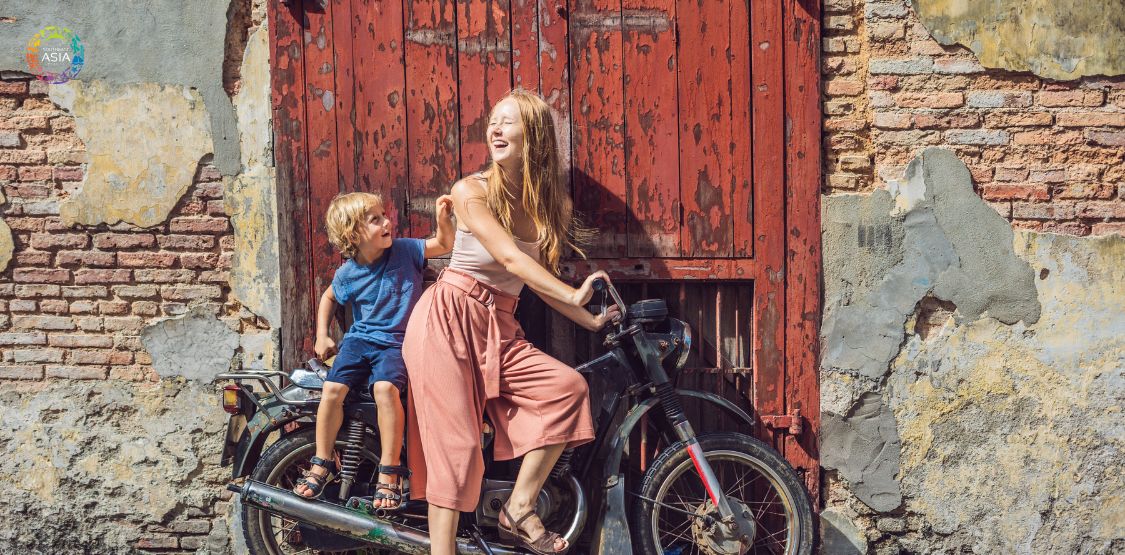
George Town, on Penang Island off the northwest coast of Peninsular Malaysia, is the beating heart of any Malaysian cultural tour. Inscribed by UNESCO in 2008 as part of the "Melaka and George Town, Historic Cities of the Straits of Malacca" World Heritage Site, George Town developed over 500 years as a multicultural trading port - British colonial administration layered over Chinese clan settlements, Tamil Hindu communities, Malay kampungs, and Eurasian Peranakan neighborhoods.
The result is a city with a physical landscape unlike anything else in Southeast Asia. Over 100 heritage sites are concentrated within the UNESCO core zone alone, from the Khoo Kongsi clan house (a 19th-century Chinese clan temple of extraordinary ornate craftsmanship) to the Cheong Fatt Tze Mansion (the "Blue Mansion," a Chinese Straits Eclectic heritage home now operating as a boutique hotel) to the iconic Chew Jetty, where a Chinese fishing community has lived in wooden houses on stilts over the water for generations.
The Armenian Street heritage trail is where George Town's celebrated street art, site-specific iron rod sculptures, and murals by Lithuanian artist Ernest Zacharevic weave through colonial shophouse lanes and temple courtyards. It's entirely free, entirely walkable, and one of Southeast Asia's most photogenic cultural experiences.
Beyond heritage, Penang is widely regarded as Malaysia's, and arguably Southeast Asia's, street food capital. Char Kway Teow (wok-fried flat rice noodles), Penang Laksa (a sharply tangy fish-based noodle soup quite unlike any other regional variant), and Nasi Kandar (Indian Muslim rice with curries) are essential eating.
- A local tip worth highlighting: visit the Pinang Peranakan Mansion in the late afternoon, when crowds thin and the light warms the jade green walls and gilded interiors, and check whether a live cultural performance is scheduled that day. The mansion houses one of the most comprehensive collections of Peranakan artifacts in the world.
Melaka: The Colonial Melting Pot
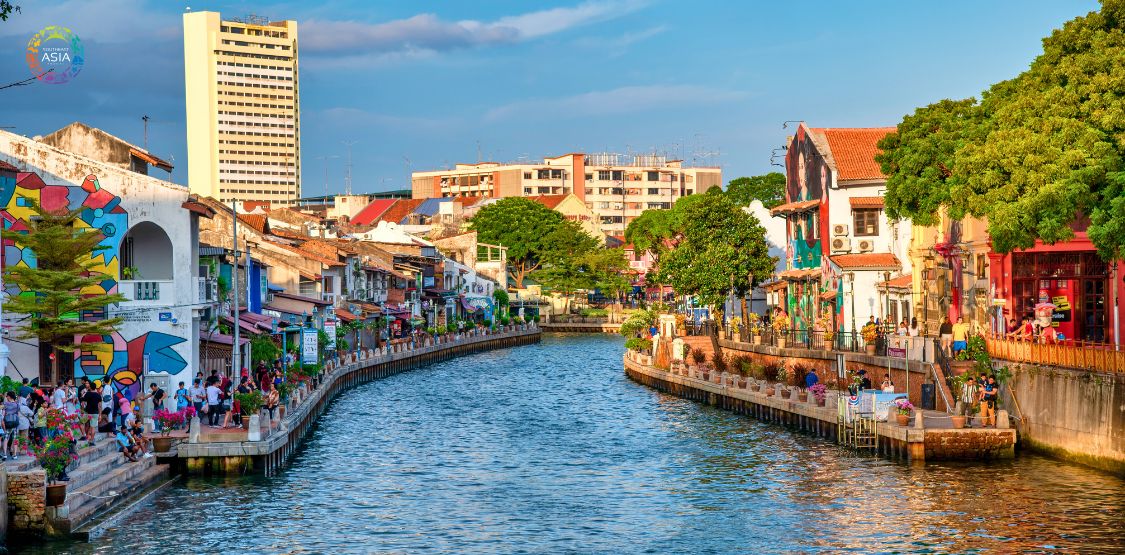
Melaka (also spelled Malacca), in Melaka State on the southwest coast of peninsular Malaysia, shares its UNESCO listing with George Town. Its 500-year history as a contested trading port begins with the Malay Sultanate of the 15th century, followed by Portuguese conquest in 1511, Dutch rule from 1641, and finally British administration from 1824. Each layer left architectural evidence that is still standing.
Jonker Street (Jalan Hang Jebat) is the axis of Melaka's Chinese quarter: antique shops, Nyonya (Peranakan) restaurants, batik boutiques, and on Friday and Saturday evenings, a lively night market that draws locals and travelers alike.
Dutch Square, the central plaza surrounded by terracotta-red Dutch colonial buildings, including the 17th-century Stadthuys (now a historical museum), is the most photographed scene in the city.
Melaka's most distinctive cultural dimension is its Baba-Nyonya (Peranakan) heritage: a fusion culture created by Chinese traders who married local Malay women over centuries, producing a distinct hybrid tradition of cuisine, dress, language, and domestic rituals found nowhere in the world at this concentration. The Baba & Nyonya Heritage Museum on Jalan Tun Tan Cheng Lock, a restored terrace of traditional Peranakan townhouses, is essential.
Malaysian Borneo (Sabah & Sarawak): Optional Extension
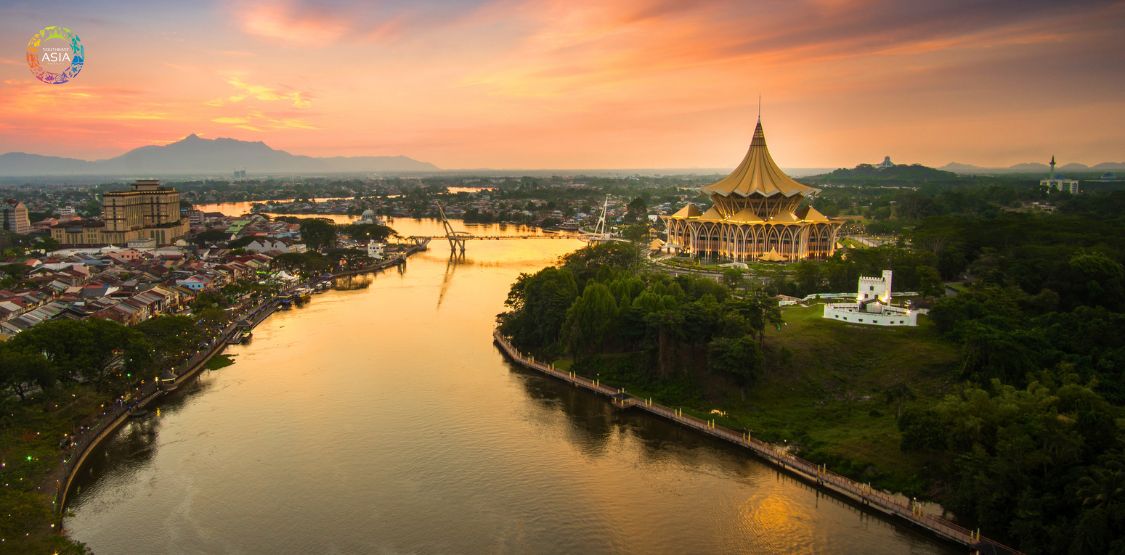
For travelers with extra time and a particular interest in indigenous cultures, Malaysian Borneo offers experiences unavailable anywhere on the peninsula.
Mari Mari Cultural Village, 25 km from Kota Kinabalu in Sabah, is a living cultural museum where five Bornean indigenous communities (Kadazan-Dusun, Bajau, Lundayeh, Murut, and Rungus) demonstrate traditional practices including fire-starting, traditional cuisine, blowpipe use, and longhouse construction. It is immersive in a way that avoids spectacle.
Sarawak Cultural Village, near Kuching in Sarawak, presents seven traditional longhouses representing the indigenous peoples of Sarawak (Iban, Bidayuh, Melanau, Orang Ulu, Malay, Penan, and Chinese) staffed by community members who live and work on site. The site is recognized as a World Heritage living museum.
- Planning note: Malaysian Borneo requires a separate flight from Kuala Lumpur (approximately 2-2.5 hours to Kota Kinabalu or Kuching). It is best added as a 3-4 day extension rather than as a leg of the main peninsula itinerary.
Suggested Thailand and Malaysia Cultural Tour Itineraries
Amazing Thailand & Malaysia (12-14 days)
Designed for travelers who want the historical depth of Thailand's central plains and northern Lanna culture combined with Malaysia's UNESCO cities, this itinerary covers Ayutthaya, Bangkok, Chiang Mai, Kuala Lumpur, Penang, and Melaka with guided visits to key cultural sites, local expert commentary, and all domestic transfers arranged.
Who might love this itinerary: First-time visitors to both countries, travelers who prefer structure, and those who want to ensure they don't miss the essential context that makes each site meaningful.
→ Explore the details: Amazing Thailand & Malaysia Tour
Thailand and Malaysia Escapade (10-12 days)
A slightly more compact itinerary that moves at a brisker pace, ideal for travelers combining a cultural journey with some downtime. This tour prioritizes the headline sites (Bangkok, Chiang Mai, Penang, Melaka) and builds in free time for independent exploration of markets, street food, and neighborhoods.
Who might love this itinerary: Experienced Southeast Asia travelers adding Malaysia for the first time, those with limited vacation days who want a curated experience without the exhaustion of trying to do everything.
→ Explore the details: Thailand and Malaysia Escapade Tour
Plan Your Thailand and Malaysia Cultural Tour
A Thailand and Malaysia cultural tour offers something increasingly rare in mainstream travel: genuine depth. These are not destinations where the highlights can be absorbed in a few hours. Ayutthaya rewards a full day. George Town rewards three. Melaka, despite its compact size, contains layers that reveal themselves only to those who slow down enough to look.
Ready to experience it for yourself? Browse our Southeast Asia guided tours and let our specialists help you build the itinerary that fits your pace, interests, and travel style.