


Southeast Asia draws millions of travelers every year, but many visitors arrive treating Vietnam, Cambodia, and Thailand as a single, interchangeable region. In reality, each country carries its own deeply distinct history, religion, social values, and unspoken rules. Understanding these cultural differences won't just help you avoid embarrassing missteps; it will transform a good trip into an unforgettable one.
Whether you're planning a multi-country itinerary through Hanoi, Siem Reap, and Bangkok, or simply trying to choose where to go first, this guide will give you the cultural grounding you need to travel with confidence and genuine respect.
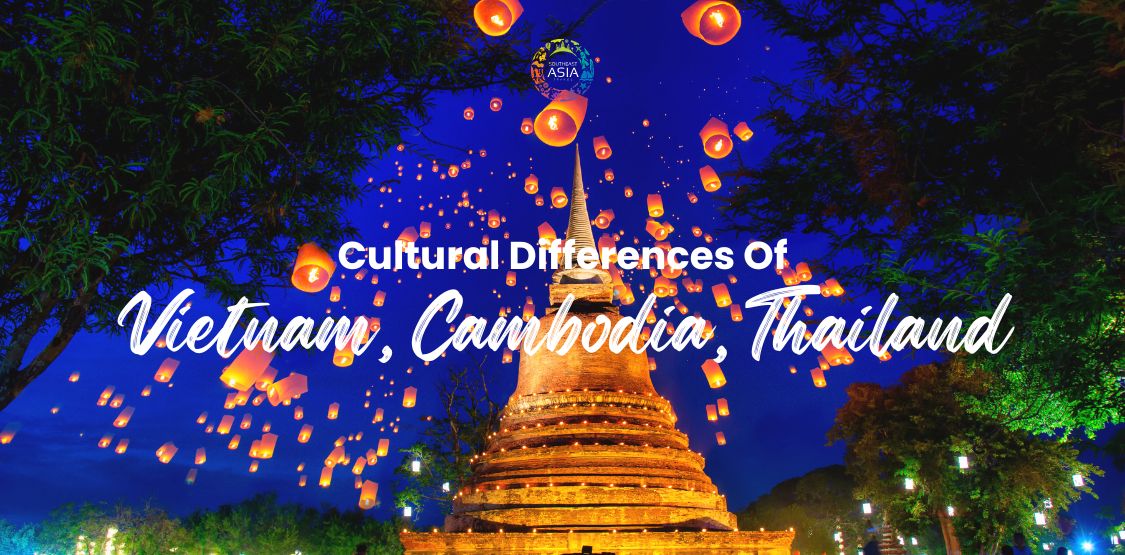
Why Culture Shapes Everything in Southeast Asia
Vietnam, Cambodia, and Thailand (among the most culturally layered regions on Earth) share a tropical geography and a Buddhist heritage, but their civilizations evolved along very different paths, shaped by distinct empires, colonial histories, and religious philosophies.
- Vietnam was profoundly influenced by over 1,000 years of Chinese rule, which embedded Confucian values of hierarchy, ancestor veneration, and collective identity deep into Vietnamese society.
- Cambodia, on the other hand, is the heir to the Khmer Empire - one of the most powerful dynasties in Southeast Asian history, whose spiritual and artistic legacy defines Cambodian identity to this day.
- Thailand, never colonized by a Western power, developed a uniquely independent culture anchored by Theravada Buddhism and deep reverence for the monarchy.
These are not just historical footnotes. They shape how people greet you, how they expect to be treated, what they find offensive, and how they experience hospitality.
* Unique insight: Vietnam is the only country of the three where Buddhism is not the dominant religion by strict practice - while over 80% identify with Buddhist culture, the majority are non-religious or follow a syncretic blend of Buddhism, Taoism, and Confucianism.
Religion: The Spiritual Foundation of Each Culture
Religion is the single most important lens for understanding cultural behavior in all three countries. Getting this right is foundational.
Vietnam: Mahayana Buddhism, Confucianism & Ancestor Worship
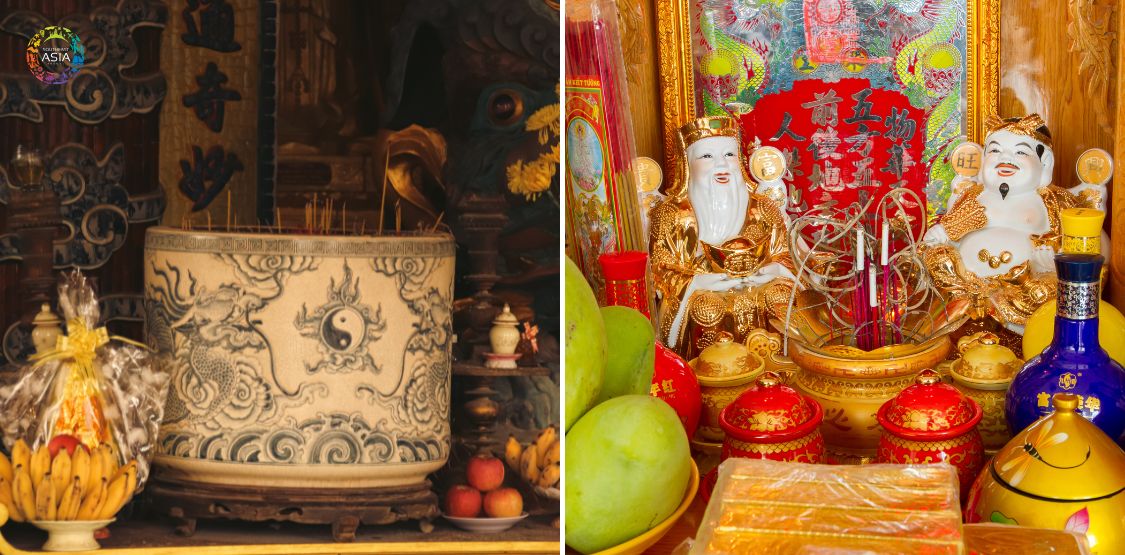
Vietnam follows Mahayana (Northern) Buddhism, the same tradition practiced in China, Japan, and Korea - a key distinction from its neighbors. But religion in Vietnam is rarely practiced in isolation. Most Vietnamese observe a syncretic blend of Mahayana Buddhism, Taoism, Confucianism, and deep-rooted ancestor worship.
The family altar, found in nearly every Vietnamese home, is the most visible expression of this belief. Offerings of fruit, incense, and flowers are made to deceased ancestors on important dates. Confucian values hold that elders are respected above all and that social harmony is maintained through deference to hierarchy.
Vietnam has 54 officially recognized ethnic groups, each with distinct beliefs and customs, particularly in the northern highlands, where animism and folk religion remain strong.
Cambodia: The Khmer Buddhist Legacy
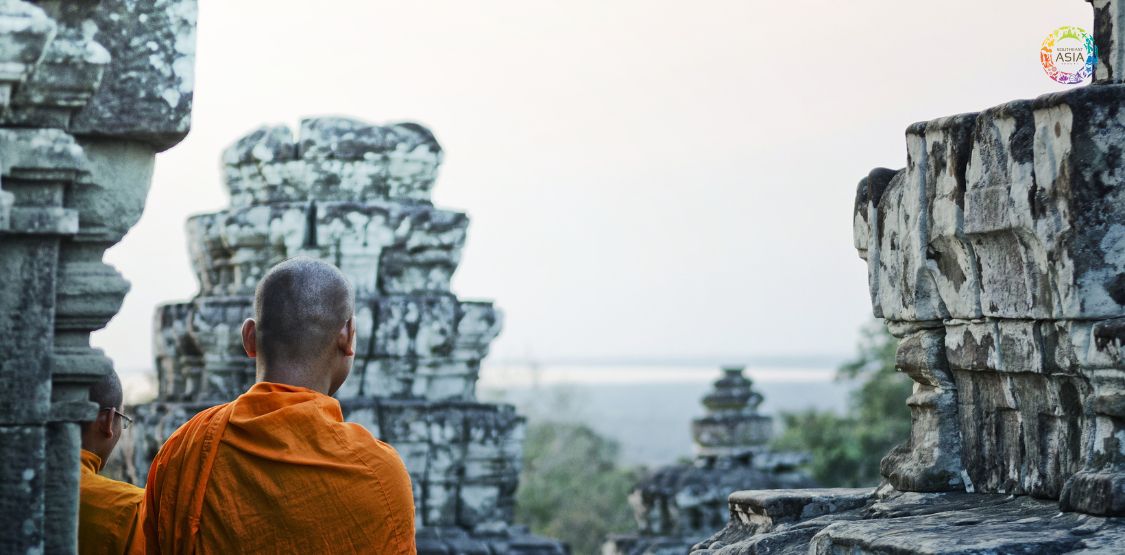
Cambodia is one of the most devoutly Buddhist nations on the planet: approximately 97% of the population practices Theravada Buddhism. This is more than a mere statistic; it is woven into the fabric of daily life.
Monks are among the most respected figures in Cambodian society. Young men traditionally spend time in a monastery as a rite of passage. The rhythms of the Buddhist lunar calendar govern public holidays, temple ceremonies, and family milestones.
Cambodian culture is also shaped by the concept of "face" (the preservation of social dignity) and a strong aversion to public conflict or raised voices. Maintaining calm, showing patience, and smiling even in frustration aligns you with deeply held Khmer values.
Thailand: Theravada Buddhism & the Sacred Monarchy
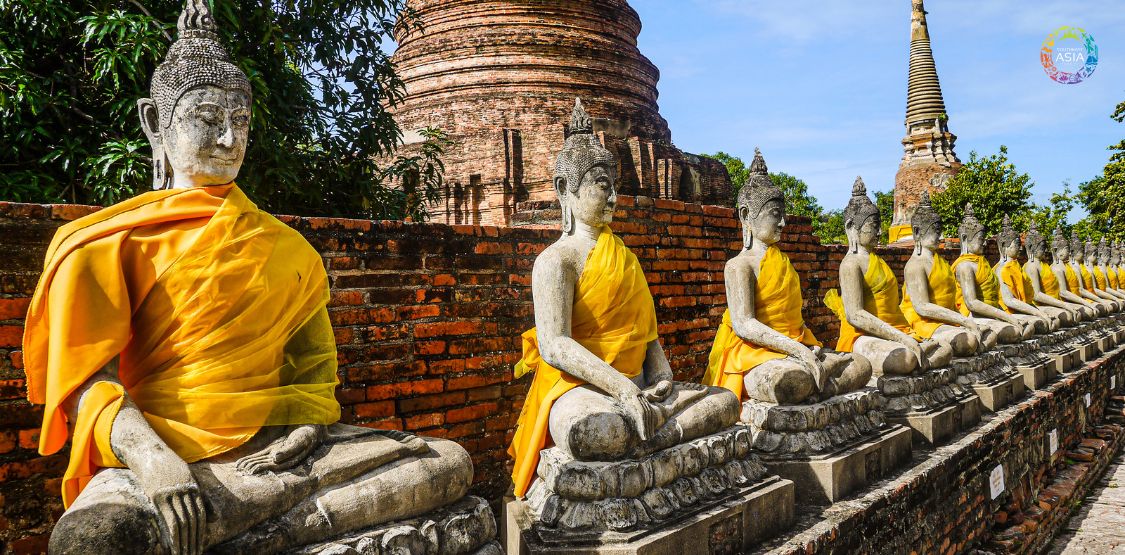
Thailand is home to approximately 68 million Buddhists, representing around 94% of the population, the largest Buddhist population by sheer number in the world, according to the Pew Research Center. Like Cambodia, Thailand follows Theravada Buddhism, placing great importance on monks, temples (called wats), and merit-making.
But Thailand carries one additional layer of reverence that travelers must never overlook: the monarchy. The Thai royal family is held in the highest esteem, and lèse-majesté laws (laws against insulting the monarchy) are actively enforced, including for foreigners. Avoid any negative comments about the royal family in any public setting.
→ Explore More: Tropical Escapes and Cultural Kingdoms of Southeast Asia
Greetings & Social Etiquette
How you say hello matters more than you might think. Each country has a distinct greeting tradition, and using the right one signals genuine respect.
Vietnam: "Xin Chào" and the Respectful Nod
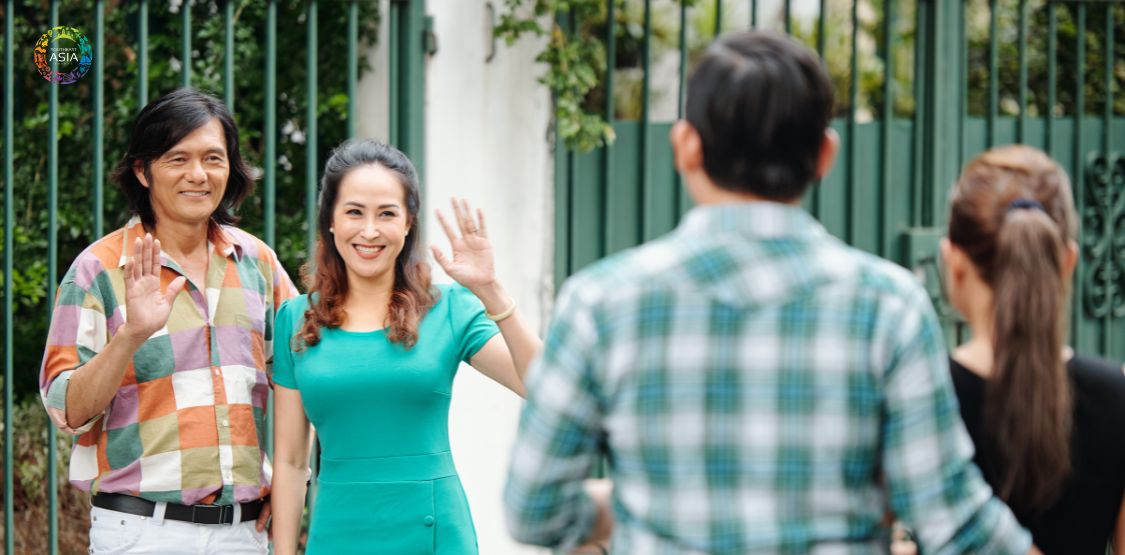
The standard Vietnamese greeting is "Xin chào" (pronounced sin chow), meaning "hello." Unlike Cambodia and Thailand, Vietnam does not have a traditional prayer-hands gesture for everyday greetings. A nod and a smile are perfectly appropriate.
Age and hierarchy govern interaction. Vietnamese people often address you based on your perceived age, using terms like anh (older brother), chị (older sister), or em (younger person). Mirroring this respectful language, even in simple phrases, is warmly received.
Key Takeaways:
✅ Use two hands when giving or receiving items (business cards, gifts, money)
✅ Bow slightly when greeting elders
❌ Avoid physical affection in public, especially between men and women
❌ Don't beckon someone with your index finger because it's considered rude; use a downward wave instead
Cambodia: The Sampeah
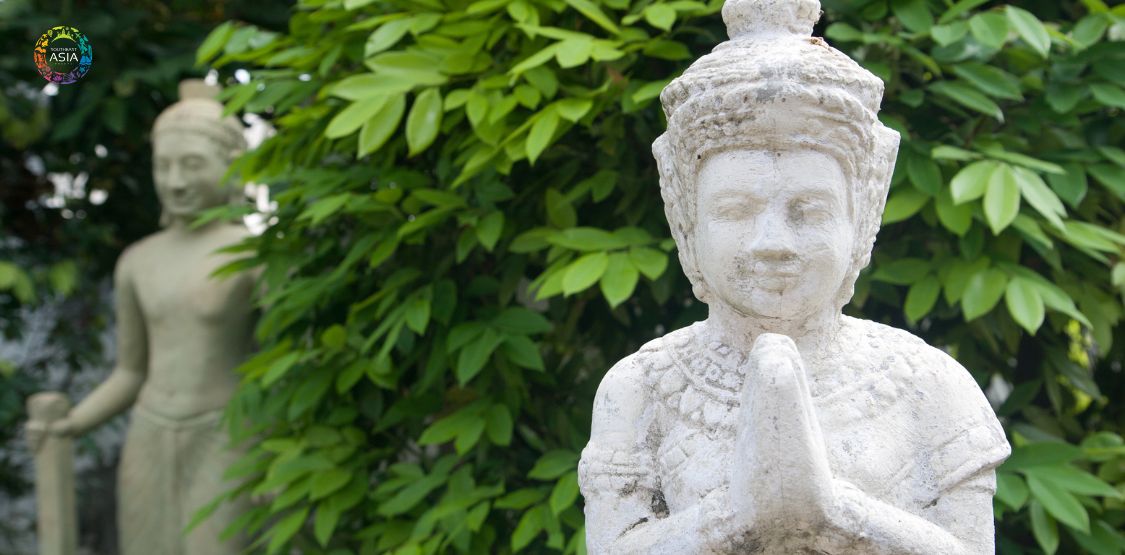
Cambodia's traditional greeting is the Sampeah, pressing both palms together in front of the chest, fingers pointing upward, with a slight bow. The height of the hands indicates the level of respect: the higher the hands toward the face, the more reverence is being shown (used for monks and elders).
In tourist areas, handshakes have become common, particularly between men. However, attempting a Sampeah, even imperfectly, will earn you immediate goodwill from locals.
Key Takeaways:
✅ Greet monks and elders with a high Sampeah (hands near forehead)
✅ Use both hands when passing items
❌ Avoid direct eye contact with elders or those of higher social status
❌ Never touch someone's head, even a child's. The head is considered the most sacred part of the body
Thailand: The Wai and the Smile
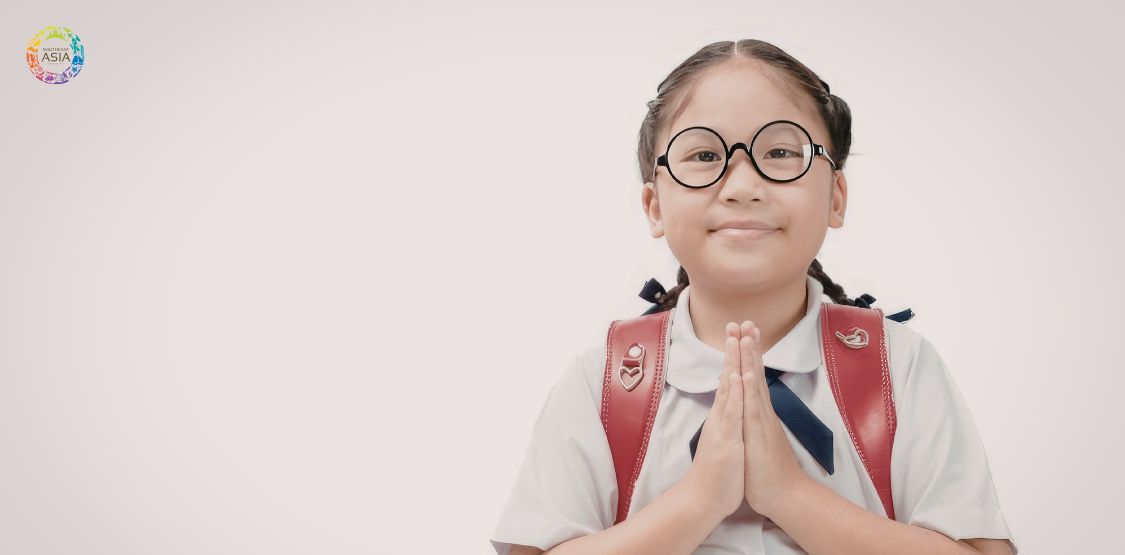
Thailand's signature greeting is the Wai: a prayer-hands gesture (similar to the Sampeah) accompanied by a gentle bow. As with Cambodia, the height of the hands indicates respect: a Wai with hands near the forehead is reserved for monks and royalty.
Thailand is famous for its warm culture and "Land of Smiles" hospitality. But smiling in Thailand also serves as a social buffer; Thais may smile to diffuse tension, express apology, or avoid confrontation. Don't mistake a smile for agreement.
Key Takeaways:
✅ Return a Wai when someone greets you, especially elders
✅ Address monks, officials, and elders with elevated Wai
❌ Never touch a Thai person's head
❌ Avoid pointing feet toward people or sacred objects; feet are considered the lowest, most spiritually impure part of the body
→ Explore More: Best of Vietnam, Cambodia and Thailand in 16 Days
Temple Etiquette & Sacred Spaces
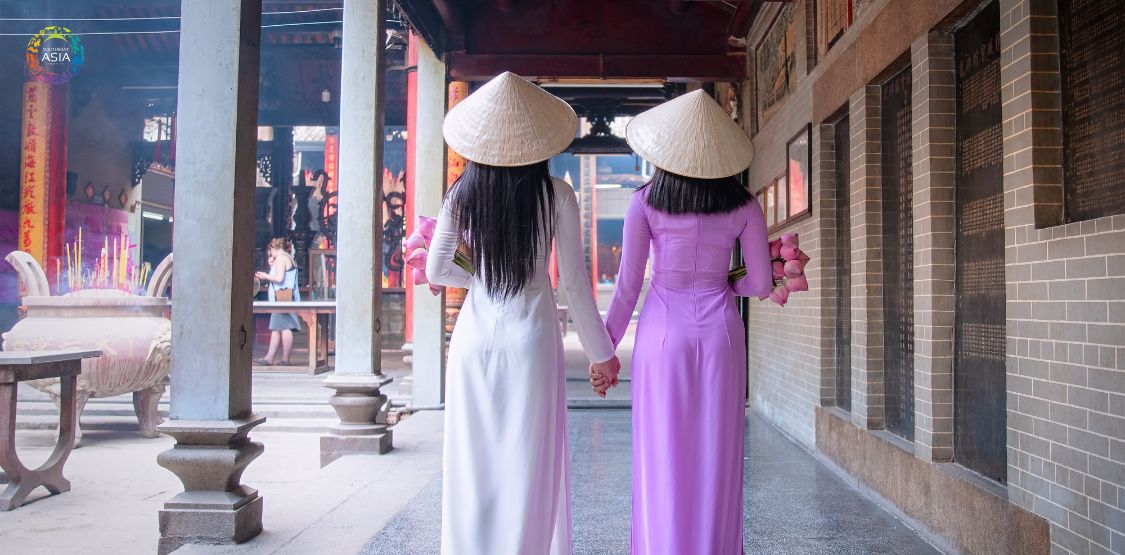
Temples are the beating hearts of these cultures and among the top travel experiences in all three countries. Whether you're entering a pagoda in Hanoi, the stunning Angkor Wat complex in Siem Reap, or a gilded wat in Chiang Mai, the same fundamental rules of respect apply.
What to Wear
Modesty is non-negotiable at all religious sites across Vietnam, Cambodia, and Thailand. This means covering your shoulders and knees - no tank tops, shorts, or sleeveless dresses.
- Many major temples (especially Angkor Wat and Thai wats) provide sarongs or wraps at the entrance for a small fee or free of charge
- Cambodia: Angkor Wat specifically requires covered shoulders and knees; guards will turn away visitors who are inappropriately dressed
- Thailand: The Grand Palace in Bangkok has strict dress codes; dedicated clothing can be borrowed on-site
- Vietnam: Hoi An Ancient Town has several active pagodas where modest dress is expected even outside temple hours
Practical Checklist Before Entering Any Temple
- Shoulders covered
- Knees covered
- Shoes removable (avoid complicated laces)
- Hat removed
- Camera-ready but not raised without checking
- Phone on silent
→ Read More: Vietnam Cambodia Thailand Travel - Best Destinations to Visit
Food Culture & Dining Customs
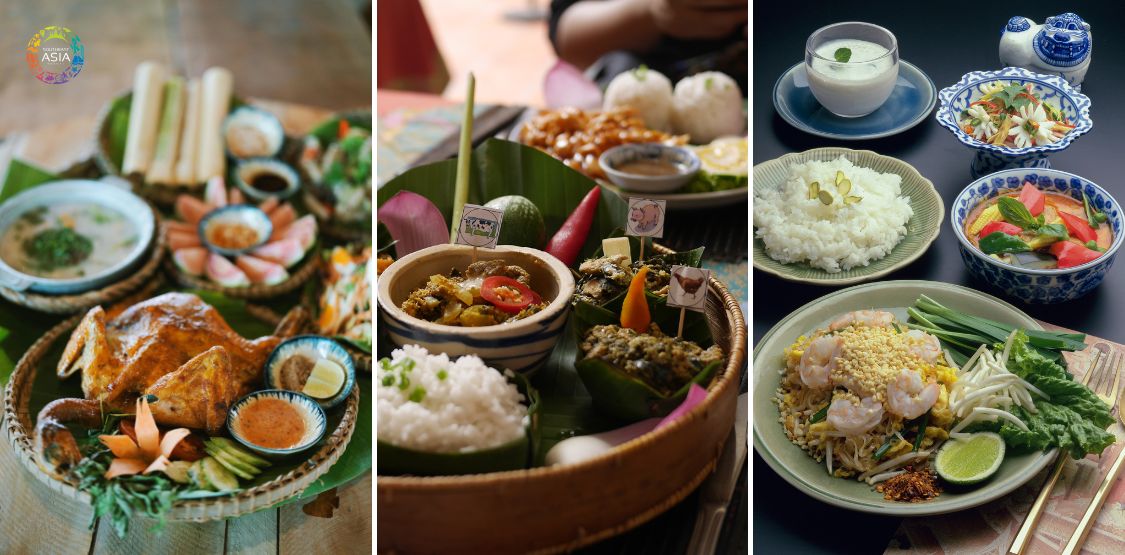
Few things reveal a culture more immediately than how people eat. All three countries have extraordinary food traditions, but the table manners, social rituals, and culinary philosophies differ in meaningful ways.
Vietnam: Communal Meals & the Art of Balance
Vietnamese cuisine is built on balance: the interplay of fresh herbs, light broths, fermented condiments, and contrasting textures. Meals are almost always communal, with shared dishes placed at the center of the table.
Rice is the cornerstone of every meal in Vietnam. Chopsticks are the primary utensil (spoons are used for soup). One important taboo: never stick chopsticks upright in a bowl of rice, as this mimics the incense sticks placed at funeral altars and is deeply inauspicious.
Key Takeaways:
✅ Wait for the elders to eat first before you begin
✅ Use both hands to pass dishes as a sign of respect
✅ Tipping: Not traditionally expected, but becoming common in tourist restaurants (5–10% is appreciated)
❌ Don't point chopsticks at people
❌ Don't pour your own drink before filling others' glasses first
Cambodia: Prahok, Amok & the Rhythm of Rice
Cambodian cuisine is less internationally known than Vietnamese or Thai food, but it is rich and nuanced. Rice (jasmine, ideally) accompanies virtually every meal. The defining ingredient is prahok: a fermented fish paste with a pungent, savory depth that appears in everything from dips to stews.
Fish Amok - a fragrant coconut curry steamed in banana leaves - is Cambodia's most iconic dish. Dining customs closely mirror Buddhist values: gratitude, patience, and communal sharing are paramount.
Key Takeaways:
✅ Wait for elders or hosts to begin eating before you do
✅ Accept food when offered; refusing can be mildly impolite
✅ Tipping: Not expected in local eateries; $1–2 USD is generous in tourist restaurants
❌ Avoid wasting food; take modest portions and finish what's on your plate
→ Discover this itinerary: Vietnam Cambodia Thailand Tour Package
Thailand: Spoon, Fork & the World of Spice
Thai dining culture has a surprising quirk for chopstick-expecting tourists: most Thai food is eaten with a spoon and fork, not chopsticks. (Chopsticks are used mainly for noodle soups.) The fork is used to push food onto the spoon, which is the primary utensil.
Thailand's food culture is arguably the most internationally celebrated of the three. Street food is central: from pad thai and mango sticky rice to som tam papaya salad. Markets like Bangkok's Or Tor Kor or Chiang Mai's Night Bazaar are gastronomic destinations in their own right.
Key Takeaways:
✅ Sharing dishes communally is standard
✅ Try the condiment caddy at local restaurants: fish sauce, sugar, chili flakes, and vinegar are Thai table staples
✅ Tipping: Not obligatory but welcomed; 20-50 THB (~$0.50-$1.50) at local spots
❌ Don't finish every grain of rice; leaving a small amount signals you are satisfied
→ Read More: Ultimate Culinary Journey Through Vietnam, Cambodia, and Thailand for Food Lovers
Festivals & Celebrations Travelers Might Encounter
Timing your visit around a local festival is one of the most rewarding travel decisions you can make, or the most logistically challenging, if you're caught unprepared.
Vietnam: Tet Nguyen Dan (Lunar New Year)
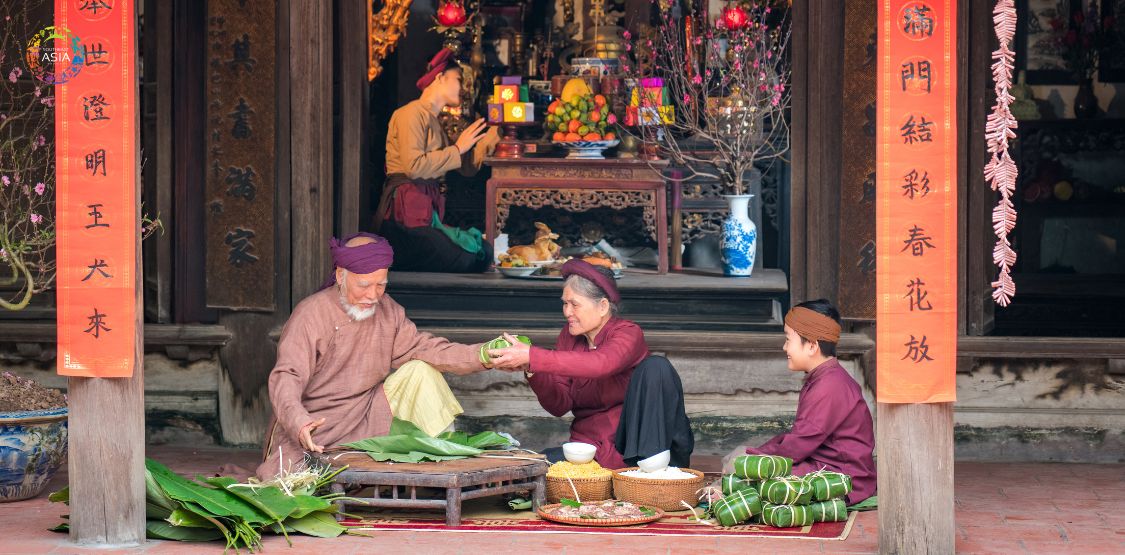
Tet is Vietnam's most sacred holiday, typically falling in late January or early February. It marks the Lunar New Year and is a time of family reunion, ancestor veneration, and renewal. The country largely shuts down for up to a week: shops close, transport is packed, and locals return to their hometowns.
* Traveler tip: If you visit Vietnam during Tet, embrace the experience (the decorations and fireworks are spectacular), but book accommodation and transport months in advance, and expect many restaurants and services to be closed.
Other key festivals include the Mid-Autumn Festival (Tet Trung Thu) in September/October (particularly beautiful in Hoi An, where lanterns light the streets) and Hùng Kings' Commemoration Day (April), a national holiday honoring Vietnam's legendary founders.
Cambodia: Khmer New Year & Pchum Ben
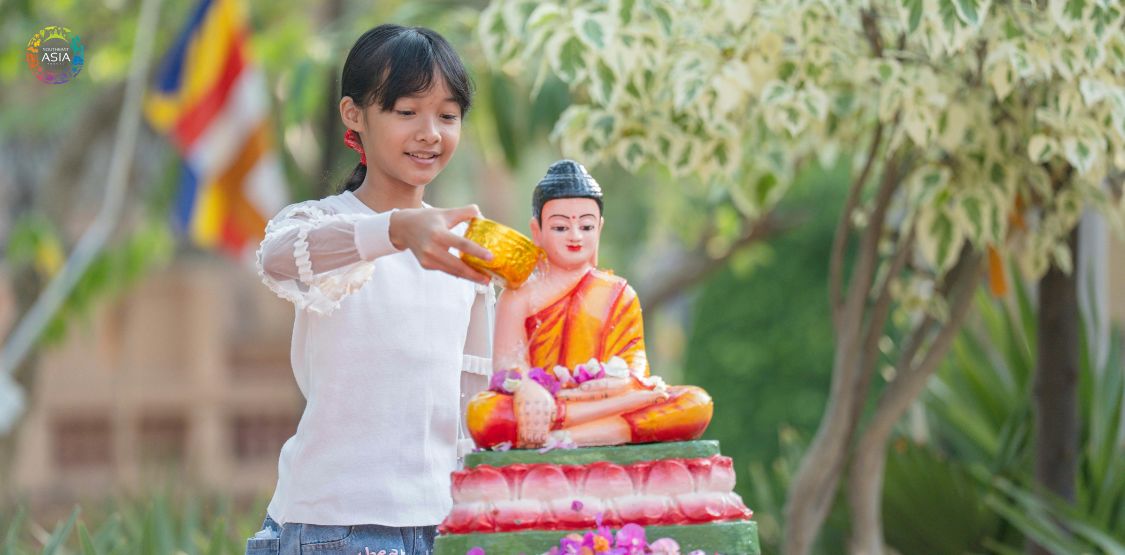
- Khmer New Year (Chaul Chnam Thmey) falls in mid-April (13th-15th) and is Cambodia's most joyful celebration. These three days are filled with traditional games, water-throwing, temple visits, and family gatherings.
- Pchum Ben (Ancestors' Day) is spiritually significant and often less visible to tourists. This is a 15-day period (usually September/October) when Cambodians make offerings at temples for deceased ancestors. It's a deeply moving time to observe local Buddhist practice.
- The Water Festival (Bon Om Touk), held in November, features dramatic boat races on the Tonle Sap River in Phnom Penh and draws hundreds of thousands of spectators.
Thailand: Songkran & Loy Krathong
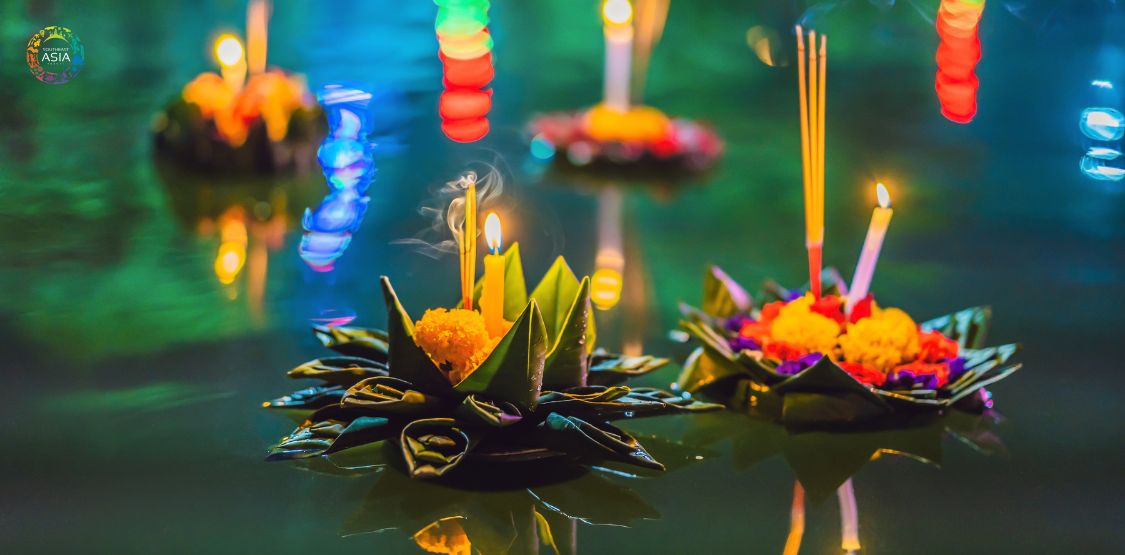
- Loy Krathong (November, full moon) is Thailand's most visually ethereal festival. Travelers might witness thousands of small lotus-shaped floats (krathong) carrying candles and incense being released onto rivers and lakes, creating an unforgettable spectacle.
- Songkran (April 13–15) is Thailand's New Year festival and one of Southeast Asia's most exuberant celebrations. It is known worldwide for its massive water fights in the streets of Bangkok and Chiang Mai. Beyond the fun, it carries deep spiritual meaning: the water symbolizes purification and the washing away of bad luck.
→ You might want to know: One Month in Southeast Asia - The Ultimate Guide
Ready to Experience These Cultures Firsthand?
Understanding cultural differences is the first step; living them is the real reward. Southeast Asia's trio of Vietnam, Cambodia, and Thailand offers one of the world's great multi-country journeys: ancient temples at dawn, street food markets at dusk, and the warmth of locals who deeply appreciate travelers who come prepared with knowledge and respect.
Ready to go deeper? Our local experts at Southeast Asia Travel design itineraries that put cultural immersion at the center of every journey, not as an afterthought, but as the whole point. Start planning your trip with us now!