



Slow travel through Indonesia, Malaysia, and Vietnam isn't just about moving less; it's a deliberate choice to trade ticking off destinations for genuine immersion. In a region where rushing is the default, this route rewards the patient: from the Confucian-Buddhist rhythms of Northern Vietnam and Malaysia's cultural mosaic to Indonesia's spiritual patchwork.
As the American Express Travel 2026 Global Travel Trends Report confirms, most modern travelers now value stories and skills over souvenirs, and this three-country corridor delivers both in abundance. Whether you have four weeks or four months, this guide will help you craft a truly intentional journey through three of Southeast Asia's most compelling nations.
Why Slow Travel Works Across Indonesia, Malaysia, and Vietnam
The phrase "slow travel" gets used loosely. At its core, it means staying in each place long enough for the novelty to fade and something more real to take over: a favorite coffee stall you return to each morning, a local who remembers your name, a neighborhood rhythm that feels almost like home.
These three countries are exceptionally well-suited to this approach, for specific and practical reasons.
- Indonesia offers sheer variety at a scale no other country in the region can match. From the rice terraces of Ubud, Bali, to the UNESCO-listed temples of Yogyakarta, Central Java, the country rewards those willing to look beyond the beach clubs of Seminyak.
- Malaysia is arguably the region's most underrated slow travel destination. It is English-friendly (a genuine practical advantage), culturally layered in a way that takes time to appreciate, and affordable. According to Agoda's 2025 booking data, Kuala Lumpur ranks among Asia's top ten cities for extended stays.
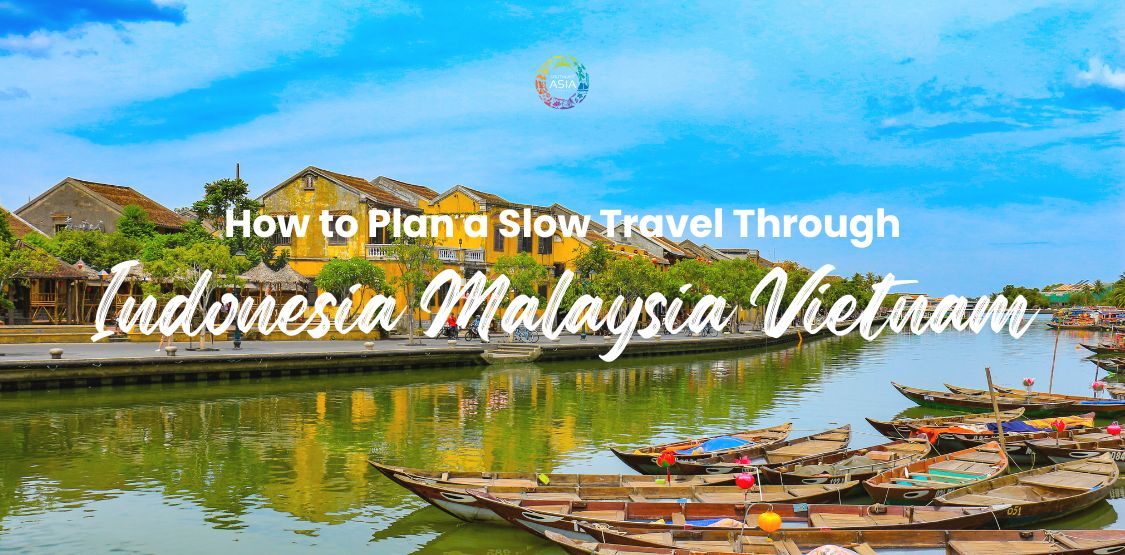
- Vietnam has been ranked the top unhurried travel destination in Asia by Agoda, based on booking data showing longer average stays than any other country in the region. Its cultural towns, for example, Hoi An Ancient Town in central Vietnam, are the kind of place where travelers plan three days and stay ten. The country's 90-day e-visa policy means Western passport holders have the legal leeway to settle in.
The Best Route for a Slow Indonesia, Malaysia, Vietnam Trip
Recommended Country Order
The geography of the Vietnamese coastline, from north to south, establishes a natural rhythm that flows seamlessly southward. From here, the Malaysian Peninsula is reachable via a brief flight, followed by the vast archipelago of Indonesia to the south and east. This creates a geographically sound, linear progression that virtually eliminates redundant backtracking while maximizing your opportunities for intentional overland and coastal exploration.
So perhaps the most pivotal logistical choice you'll make is whether to start in Vietnam and conclude your trip in Indonesia, or the reverse. Consider these two primary routing frameworks:
- North-South Route (Recommended): This is the most logical flow. Start in Hanoi, travel down the central coast to Ho Chi Minh City, then fly to Malaysia (Kuala Lumpur or Penang), and finish in Indonesia (Bali or Yogyakarta).
- South-North Route (Reverse): Start in Indonesia (Bali or Jakarta) and head north to Malaysia and Vietnam. This can be more budget-friendly if you find cheaper long-haul flights into Indonesia, and it offers the same great experience.
Insider Note: Flying open-jaw (into Hanoi, out of Yogyakarta) saves significant backtracking and is often surprisingly affordable when booked in advance through carriers like AirAsia, Scoot, or Batik Air. Intra-regional budget flights between these countries frequently cost as little as USD 30-60 if booked four to six weeks in advance.
How Long to Stay in Each Country
This stage is where traditional planning often falters: by underestimating the duration required to truly settle in, travelers inevitably sacrifice immersion for speed. To avoid a frantic pace, consider these timeframes, specifically calibrated to foster a deeper, more intentional connection with each nation.
Indonesia: 7-14 days
The sheer scale of this archipelago necessitates a deliberate choice: focusing exclusively on Bali or bridging the gap to Java.
A deeply rewarding and logistically sound framework involves splitting time between the spiritual center of Ubud, Bali (5-6 nights), and the cultural heart of Yogyakarta, Central Java (3-4 nights), allowing for intentional visits to the ancient temple complexes of Borobudur and Prambanan.
→ You might want to read: Java Island - Wonders of Indonesia's Heartland
Malaysia: 5–10 days
Often the most underrated segment of this route, Malaysia is perfectly suited to a focused, slow-travel experience.
George Town, Penang, stands as the undisputed highlight, meriting at least 4-5 nights to fully appreciate its UNESCO-listed shophouses and storied food scene. Complement this with 2-3 days in Kuala Lumpur to experience the capital's urban sophistication. For a longer stay, the Cameron Highlands offers a cool, high-altitude retreat amidst rolling tea estates, while Langkawi provides a serene island finale.
→ Explore More: Fantastic Places of Interest for First-Time Visitors to Malaysia
Vietnam: 7-14 days
While a week is technically feasible, it often feels like a race against the clock. For those new to the region, 14 days represents the ideal balance, permitting a linear journey from north to south without the frantic pace of a sprint. Extending to 21 days or more unlocks the ability to truly settle into the rugged landscapes of the north (like the Ha Giang loop or the karst scenery of Ninh Binh) while lingering longer in the imperial heart of the country.
For a journey that prioritizes depth over distance, consider this intentional framework:
- Hanoi: 4-5 nights (establish a base in the Old Quarter; utilize it for rural escapes to Ninh Binh)
- Hoi An: 4-5 nights (the undisputed capital of unhurried travel; allow yourself the luxury of time here)
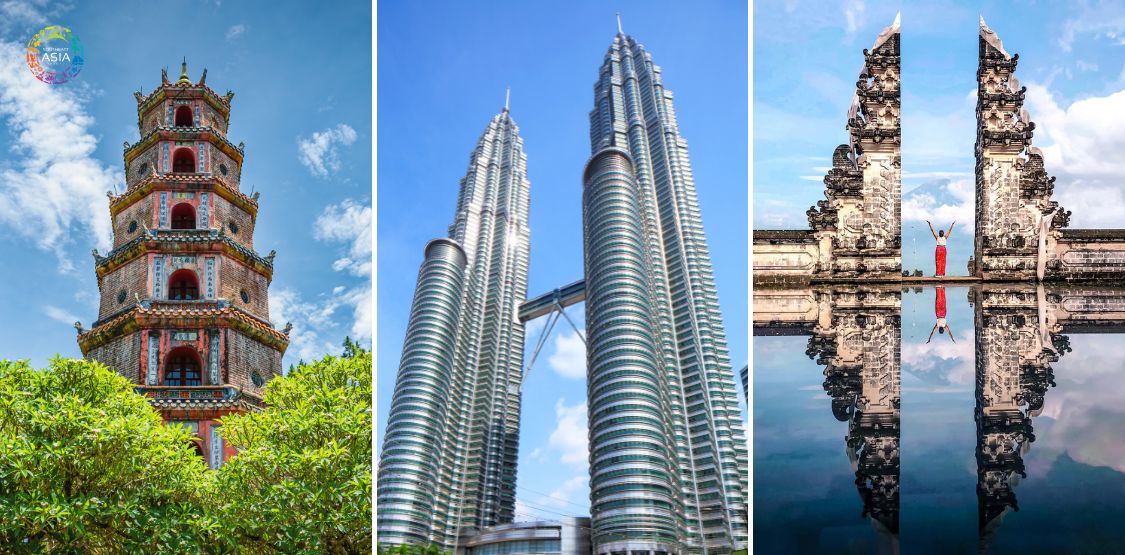
- Hue: 2-3 nights (absorbing the quiet dignity and royal legacies along the Perfume River)
- Ho Chi Minh City: 3-4 nights (a high-energy departure point, ideal for a final immersion into the Mekong Delta)
→ Do not miss: Best Cities to Visit in Vietnam For Your First Trip
Recommended Time Distributions
- The Three-week Snapshot: Focus your energy with 8 days in Vietnam, 6 days exploring Malaysia, and 7 days across Indonesia.
- The Six-Week Immersion: Deepen the experience by dedicating 18 days to Vietnam, 8 days to Malaysia, and 16 days to the Indonesian archipelago.
- Three Months and Beyond: Grant yourself roughly 30 days per nation, allowing sufficient latitude to venture far beyond the primary tourist hubs.
→ You might love this tour: Malaysia, Vietnam, and Indonesia Odyssey
Best Destinations for a Slower Pace
Not all destinations in these countries reward lingering equally. Below are the places where slow travel genuinely flourishes, and a note on which stops are better treated as brief overnights rather than extended bases.
Indonesia: Where to slow down
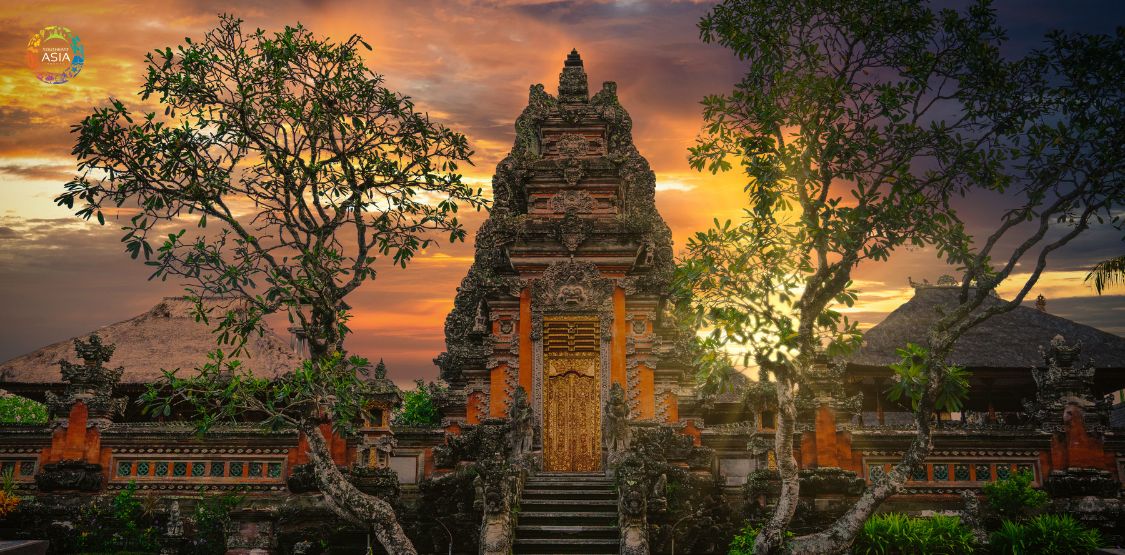
- Ubud, Bali, has a well-earned reputation as Southeast Asia's spiritual capital for slow travelers, though it requires a degree of resistance to the wellness-industrial complex that has colonized its center. The genuine magic of Ubud lies in the villages around it: Penestanan, Sayan, and Campuhan Ridge reward long morning walks, and the rice-terrace landscape of Tegallalang is best appreciated at dawn, before the tour groups arrive. Cooking classes, traditional dance performances, and temple ceremonies are available almost daily.
- Yogyakarta, Central Java, is one of Indonesia's most culturally rich cities and is consistently underrated by travelers who fly straight to Bali. It is the base for visiting Borobudur, the world's largest Buddhist monument and a UNESCO World Heritage Site - best experienced at sunrise, before the heat and crowds build. The city itself has a thriving batik and wayang (shadow puppet) tradition, excellent street food (gudeg, bakpia), and a creative arts scene centered around Jalan Malioboro.
* For the best leisurely trip: Seminyak/Kuta (beach resort strips, not cultural depth), Jakarta (fascinating for 2-3 days but exhausting for longer).
Malaysia: Where to slow down
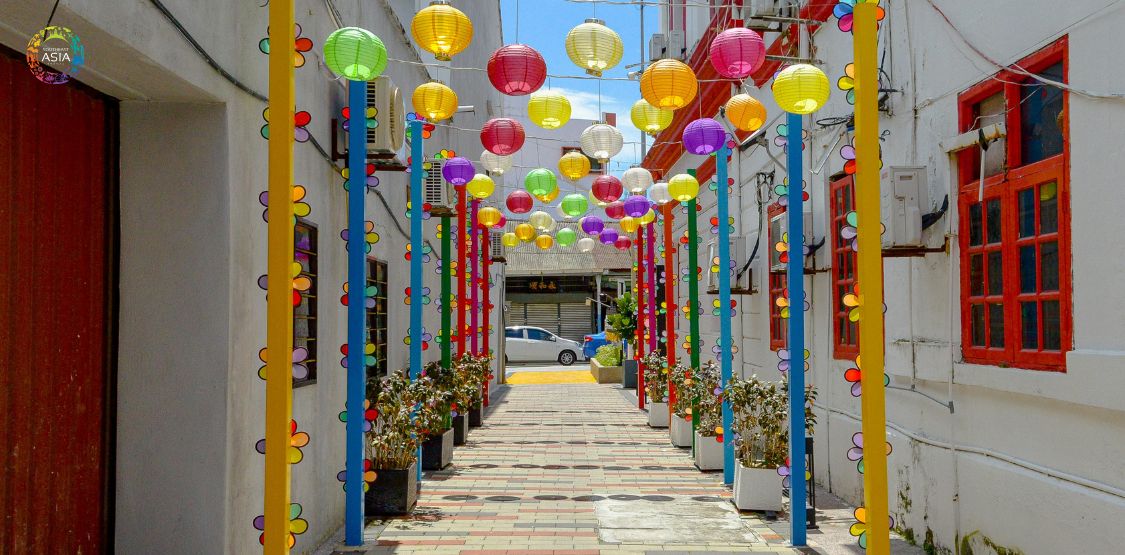
- George Town, Penang Island, is a world-class slow travel destination that consistently surprises first-time visitors. Listed as a UNESCO World Cultural Heritage Site since 2008, the historic core contains over 1,700 protected pre-war shophouses in various states of beautiful decay. The street food scene (a layered fusion of Malay, Chinese, and Indian cuisines) is widely considered one of the finest in Southeast Asia. A week here barely scratches the surface: there are clan jetties, street art trails, Nyonya heritage mansions, and the verdant Penang Hill all within easy reach.
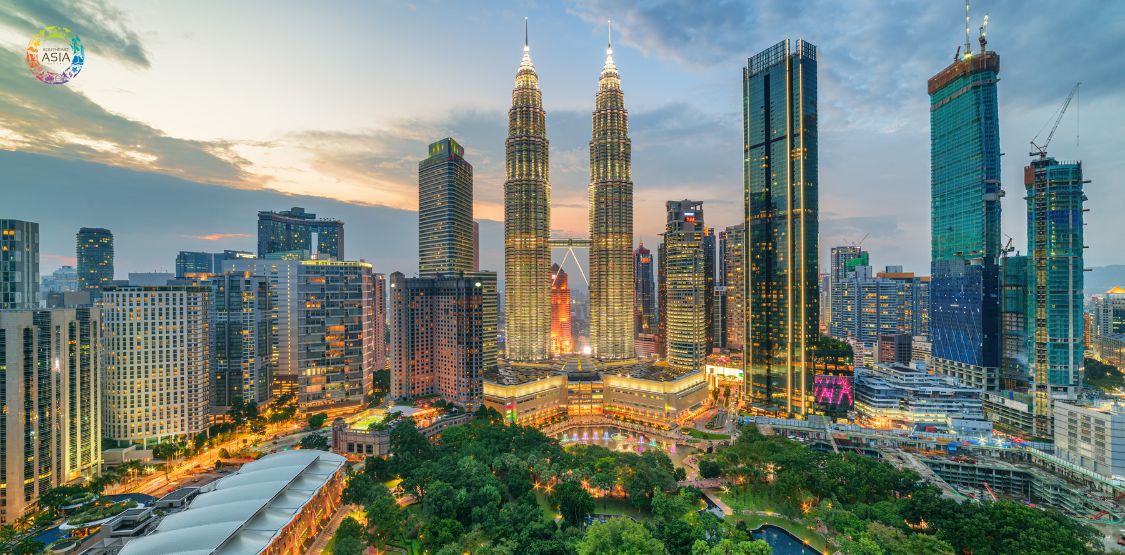
- Kuala Lumpur, Wilayah Persekutuan, works surprisingly well as a slow-travel base if you immerse yourself in a neighborhood rather than bouncing between tourist attractions. The districts of Bangsar (café culture, independent bookshops) and Chow Kit (authentic wet markets, Malay-Indian street food) offer a grittier, more lived-in experience than the KLCC tower district.
* For the best leisurely trip: Melaka (wonderful for 2 days, then done), Langkawi (better as a beach holiday add-on than a slow cultural base).
Vietnam: Where to slow down

- Hoi An Ancient Town, Quang Nam Province, is the undisputed capital of slow travel in Vietnam and, arguably, in all of Asia. Agoda's 2025 booking data ranks it as the number-one slow-travel destination on the continent. It's easy to understand why: the UNESCO-protected Old Town is compact and largely pedestrianized, the street food scene is extraordinary, and the surrounding rice paddies and beaches (Cua Dai is only 4 km away) add natural variety. Slow travelers frequently book three nights and stay ten.
- Ninh Binh, about 90 km south of Hanoi, offers limestone karst landscapes similar to Halong Bay but without the cruise ship crowds. The Trang An scenic complex is a UNESCO World Heritage Site, and the surrounding countryside rewards cycling, boat trips, and the kind of rural wandering that tourist-dense areas rarely allow.
- Hue, Thua Thien Hue Province, moves at a different pace from anywhere else in Vietnam. The former imperial capital of the Nguyen Dynasty carries a quiet dignity: the cuisine is famously nuanced (bun bo Hue, banh khoai), the city is manageable on a bicycle, and the surrounding countryside includes royal tombs, pagodas, and the Hai Van Pass.
* For the best leisurely trip: Halong Bay (best as a 1-2 night cruise, not a lingering base), Da Nang (great beach but moves fast), Ho Chi Minh City (excellent 3-4 days but hard to slow down in).
When to Go: Timing Your Three-Country Trip
Weather is arguably the single most important planning variable for this trip, and the challenge is that Vietnam, Malaysia, and Indonesia have different, and sometimes opposing, rainy seasons.
The Regional Weather Differences
Navigating the climate across these three nations requires a bit of strategy, as rainy seasons often overlap or conflict. Here is a practical breakdown of the ideal windows for each region:
- Indonesia: Both Bali (Ubud) and Central Java (Yogyakarta) are at their best during the dry season from May to September. This is the perfect time for sunrise temple visits and rural walks before the November rains arrive.
- Malaysia: The Peninsula (Penang and KL) is a year-round destination, but March to April and October to November offer the most balanced weather for exploring street food and heritage trails.
- Vietnam: For the North (Hanoi & Sapa), aim for October to April for cooler, drier days. Central Vietnam (Hoi An & Hue) shines from February to July, avoiding the late-year flood risks. The South (Ho Chi Minh City) is most pleasant during the dry season from December to April.
The Practical Solution
If you are planning a north-to-south trajectory, the window between February and April serves as the most strategic sweet spot for all three nations. During this period, Central Vietnam enjoys dry, temperate days, while Indonesia's Java and Bali begin to emerge from the wet season into clearer skies, and Malaysia maintains its year-round accessibility.
Alternatively, November through January offers its own charm: Southern Vietnam enters its most pleasant dry phase, and the Malaysian Peninsula hums with a distinct seasonal energy. While Bali remains lush and prone to tropical afternoon bursts, the atmosphere is vibrant. Travelers should note that the Hoi An Lantern Festival, held monthly on the 14th of the lunar month, reaches its most atmospheric peak during the January-February Tet celebrations.
* One critical note: Hoi An and Hue can experience serious flooding during October and November. If your journey falls within this window, maintaining some logistical flexibility is essential for a smooth experience.
Practical Tips for a Smoother Slow Trip
Navigating Visas and Immigration Requirements
- Vietnam: Most Western travelers, including those from North America and Australia, must secure an e-visa prior to arrival. These are issued for durations of up to 90 days and cost USD 25 for a single entry or USD 50 for multiple entries. We recommend applying via the official portal at least 14 days in advance.
- Malaysia: Exceptionally straightforward for slow travel, Malaysia grants 90 days of visa-free entry to citizens of the US, UK, Canada, and Australia upon arrival. No prior paperwork or digital application is required to enter.
- Indonesia: Entry requirements here demand closer attention. While major nations currently receive 30 days of visa-exempt entry at international hubs, those wishing to linger can apply for a further 30-day extension once inside the country. Given the shifting landscape of Indonesian immigration, verify all current protocols at imigrasi.go.id before your departure to ensure a seamless crossing.
* Insider Note: Always maintain accessible digital or physical copies of your onward flight confirmations. While not always requested, border officials in this corridor frequently require proof of departure as a condition of entry.
Regional Connections and Air Travel
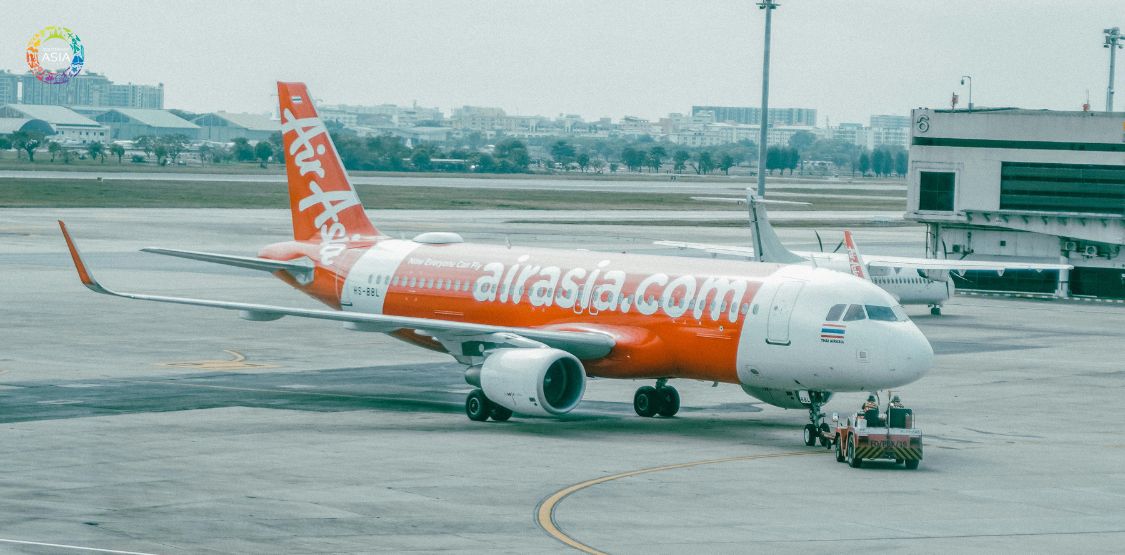
To navigate the segments between nations (from Vietnam to Malaysia and onward to Indonesia), use regional carriers such as AirAsia, Scoot, Batik Air, or VietJet Air. These corridors remain among the global market's most economical options when booked four to six weeks in advance. Maintain a lean packing strategy; ancillary fees for checked luggage on budget airlines often eclipse the base fare.
In Vietnam, the legendary Reunification Express serves as a cornerstone of the slow-travel ethos, linking Hanoi and Ho Chi Minh City along the coastline. The sleeper journey from the northern capital to Da Nang (the gateway to Hoi An) takes roughly 15 hours and costs between USD 20 and 40 for a soft-berth cabin. Reservations should be made via the official dsvn.vn portal or through 12Go.Asia to ensure your place on this iconic route.
Packing for the Tropical Corridor
- Prioritize lightweight, breathable textiles to manage the persistent tropical heat and humidity.
- Utilize local laundry services, available at most guesthouses and hotels for approximately USD $1–2 per kilogram, to keep your luggage lean.
- Pack one refined ensemble for upscale dining experiences.
- Include modest attire that covers both shoulders and knees for respectful visits to temples and religious sites.
- Bring durable, comfortable footwear suitable for navigating uneven urban streets and rural terrain.
Keeping Your Plans Flexible
The secret to a great slow travel trip is being willing to throw out the script. If a place doesn't quite click for you, don't feel guilty about moving on early. On the flip side, if you fall in love with a local neighborhood or a specific coffee shop, give yourself permission to stay an extra week.
To make this work, stick with bookings that offer free cancellation and choose airlines that don't charge steep fees for changing your dates. By keeping things loose, you remove the pressure of a "must-see" schedule and let the journey unfold naturally.
Plan Your Journey
Slow travel through Vietnam, Malaysia, and Indonesia is not a race to the highlights; it's a gradual immersion into three of the world's most culturally complex and geographically beautiful nations. The planning, honestly, is the easy part. Build a flexible framework, secure your visas, book your first few nights, and trust that the trip will find its own rhythm once you're on the ground.
Ready to embrace a slower pace through these hidden gems? Explore our destination guides and start mapping out your own intentional Southeast Asia adventure today!