


Few travel itineraries in the world offer the sheer variety of a Vietnam Cambodia Laos tour. These three countries, collectively known as Indochina, share a layered history, a geographic logic, and a cultural depth that makes traveling them together feel less like a multi-country expedition and more like one long, evolving story.
This guide covers the best cities and destinations across all three Southeast Asian countries: where they are, what makes each one essential, how long to spend, and how to connect them into a journey that flows. Whether you have 10 days or three weeks, this is the framework you need.
Why Vietnam, Cambodia & Laos Work Together
The Indochina trio (Vietnam, Cambodia, and Laos) works together as a cohesive travel narrative, offering perfectly balanced and distinct experiences:
- Vietnam: Dynamic and visually dramatic, characterized by motion, crowds, and delicious food.
- Cambodia: Offers a slower pace focused on reverence and weight, centered around one of the world's greatest archaeological sites.
- Laos: Provides quiet serenity with riverside towns, temple bells, and a radically slower pace of life.
The journey is also geographically efficient with practical entry notes:
- The countries share borders, allowing for short flights (under two hours) or scenic overland routes via the Mekong River.
- Most nationalities require a visa for all three countries.
- Vietnam and Cambodia offer convenient e-visa options online.
- Laos offers a visa-on-arrival at most international entry points.
- Always verify current requirements before booking.
Best Cities to Visit in Vietnam
Vietnam is the backbone of most Indochina itineraries. The country stretches over 1,600 km from north to south, and each region has its own food culture, architecture, and personality. Most tours follow a north-to-south route, which mirrors the natural geography and keeps travel logical.
Hanoi: Capital of the North
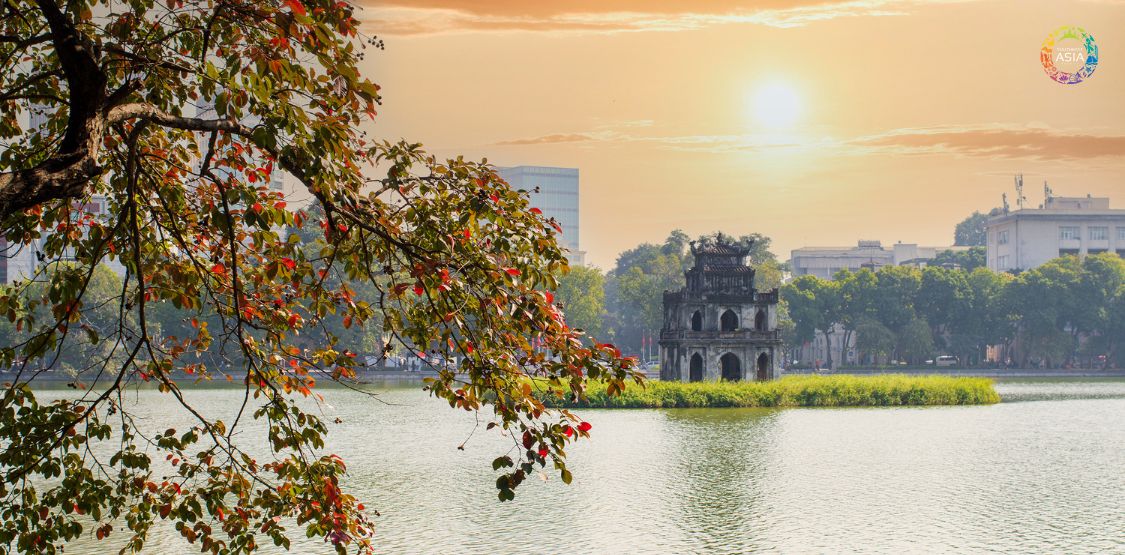
Hanoi, the capital of Vietnam, is where most international tours begin. The Old Quarter, 36 narrow streets originally organized by trade guilds, is one of the most atmospheric urban neighborhoods in Southeast Asia, where ancient temples sit between coffee shops and street-food stalls serving bún chả (grilled pork vermicelli), the city's signature dish.
Beyond the Old Quarter, Hoan Kiem Lake anchors the city center, and the Ho Chi Minh Mausoleum complex provides essential political and cultural context. Hanoi also serves as the gateway to Ninh Binh (1.5 hours south), where karst formations rise dramatically from rice paddies, or a dramatic precursor to Halong Bay for travelers who want to see these landscapes without crowds.
- Days recommended: 2-3 nights
- Don't miss: Bun cha for lunch, Hoan Kiem Lake at dawn, the Temple of Literature
- Best for: Culture-seekers, history lovers, food travelers
Halong Bay: UNESCO Natural Wonder
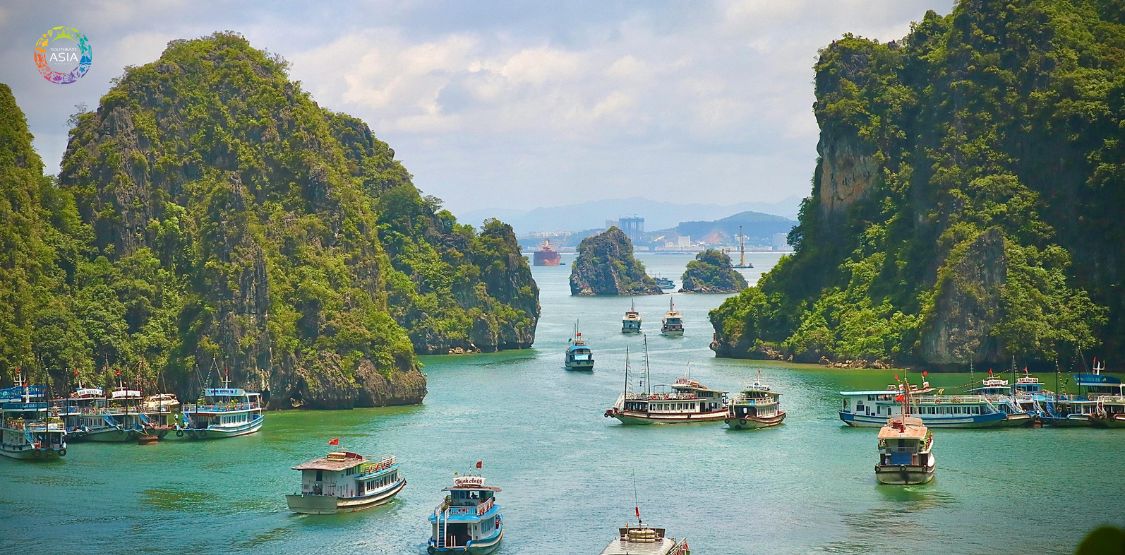
Strictly speaking, Halong Bay (in Quang Ninh Province, northeastern Vietnam) is not a city, but it is the single most non-negotiable stop on any Vietnam itinerary. Recognized as a UNESCO World Heritage Site, the bay contains nearly 2,000 limestone islands and islets rising from emerald-green water, best experienced on an overnight cruise.
The difference between a day trip and an overnight cruise is significant: early mornings on the bay, mist rising off the water, and near-total silence are among the most memorable experiences in all of Southeast Asia. For a less-crowded alternative, Lan Ha Bay (adjacent to Cat Ba Island) offers equally dramatic scenery with notably fewer boats.
- Days recommended: 2 nights (overnight cruise + buffer)
- Don't miss: Kayaking into hidden caves, sunrise from the top deck
- Best for: Nature lovers, couples, photographers
Hue: Imperial City of Central Vietnam
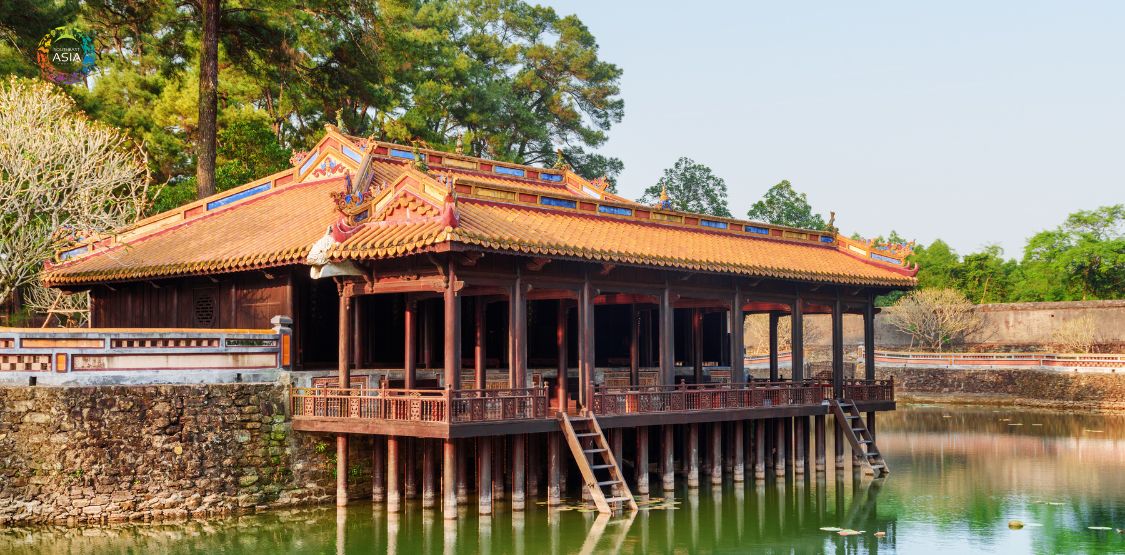
Hue (central Vietnam) was the imperial capital of the Nguyen Dynasty for over 140 years, and the weight of that history is still palpable. The Imperial Citadel, a walled complex modeled on Beijing's Forbidden City, is a UNESCO World Heritage Site, and the royal tombs scattered along the Perfume River are among Vietnam's most photogenic and under-visited historical sites.
Hue also claims one of Vietnam's most distinctive regional cuisines, shaped by royal court traditions: bánh bèo (steamed rice cakes), bún bò Huế (spicy beef noodle soup), and elaborate multi-course meals served in restored royal settings. It's a city that rewards slow travel: one afternoon exploring the citadel, a morning by the river, an evening in the local market.
- Days recommended: 1-2 nights
- Don't miss: Sunrise at Thien Mu Pagoda, royal tombs by boat, bun bo Hue
- Best for: History buffs, food lovers, photographers
Hoi An: Ancient Town on the Thu Bon River
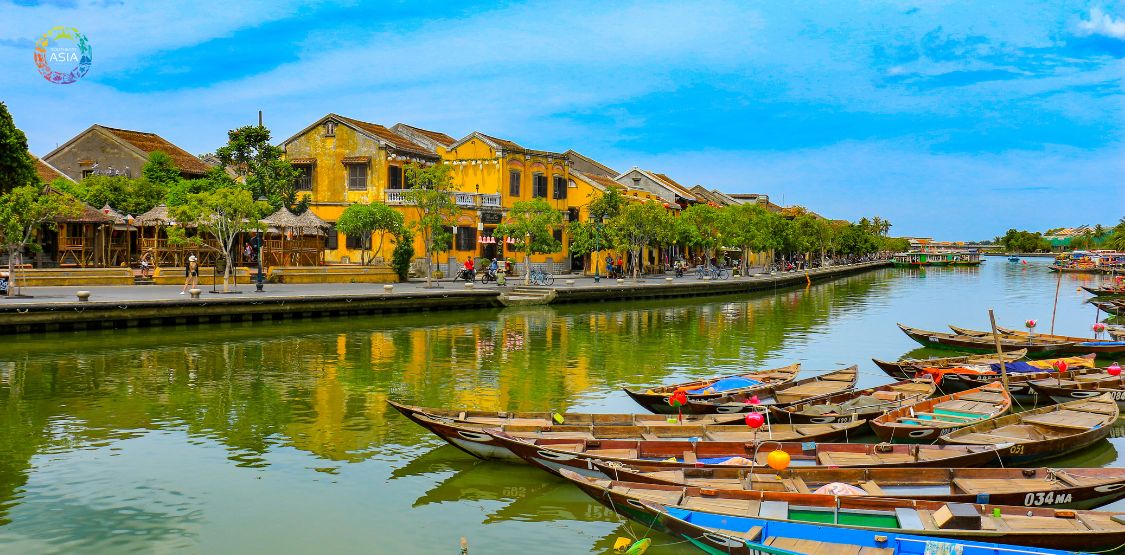
Hoi An Ancient Town (Quang Nam Province, central Vietnam) is perhaps Vietnam's most photogenic city and one of the most beloved destinations in Southeast Asia. The entire old town is a UNESCO World Heritage Site, characterized by yellow-washed merchant houses, Japanese covered bridges, and lanterns that turn the riverfront into something dreamlike at night.
What makes Hoi An distinctive is how livable it feels. Unlike many heritage towns, it hasn't been hollowed out by tourism: tailors still work the streets, fishing boats still leave at dawn, and the Thu Bon River still shapes daily life. The nearby beaches of An Bang and Cua Dai are within easy cycling distance. Hoi An also offers some of the best cooking classes in Vietnam: a half-day market tour followed by hands-on cooking is consistently one of travelers' most memorable experiences.
- Days recommended: 2-3 nights
- Don't miss: Old Town at dusk, a tailor-made outfit, cooking class, sunrise at An Bang Beach
- Best for: Couples, slow travelers, culture enthusiasts
Ho Chi Minh City: Southern Gateway
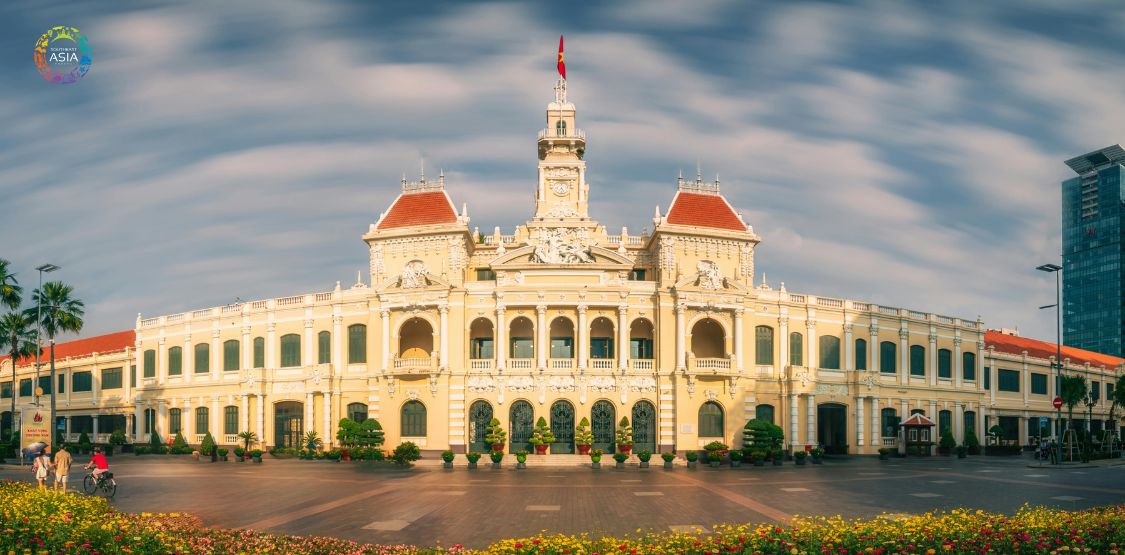
Ho Chi Minh City (formerly Saigon) is where Vietnam's energy reaches its peak. The city moves faster than anywhere else in the country: motorbikes, rooftop bars, and a food scene that draws serious culinary travelers from around the world. The War Remnants Museum provides one of the most sobering and important historical experiences in Southeast Asia, and the Reunification Palace offers direct insight into the country's 20th-century turning points.
For most Indochina itineraries, Ho Chi Minh City also serves as the departure point for the Mekong Delta: a half-day or full-day excursion to floating markets, river villages, and fruit orchards that offer a striking counterpoint to city life. If your tour includes Cambodia, Ho Chi Minh City is also the logical jumping-off point: flights to Siem Reap take under 1.5 hours.
- Days recommended: 2-3 nights (+ 1 day Mekong Delta optional)
- Don't miss: War Remnants Museum, Ben Thanh Market, Mekong Delta day trip, rooftop dinner
- Best for: Urban travelers, history seekers, foodies
Unmissable Destinations in Cambodia
Cambodia requires a shift in perspective. It is a nation where the grandeur of ancient civilizations meets the sobering reality of modern history, creating a journey of profound emotional resonance. Most regional circuits focus on two key anchors: Siem Reap, the gateway to the temples, and Phnom Penh, the capital defined by its complex and layered narrative.
Siem Reap: Gateway to the Angkorian Legacy
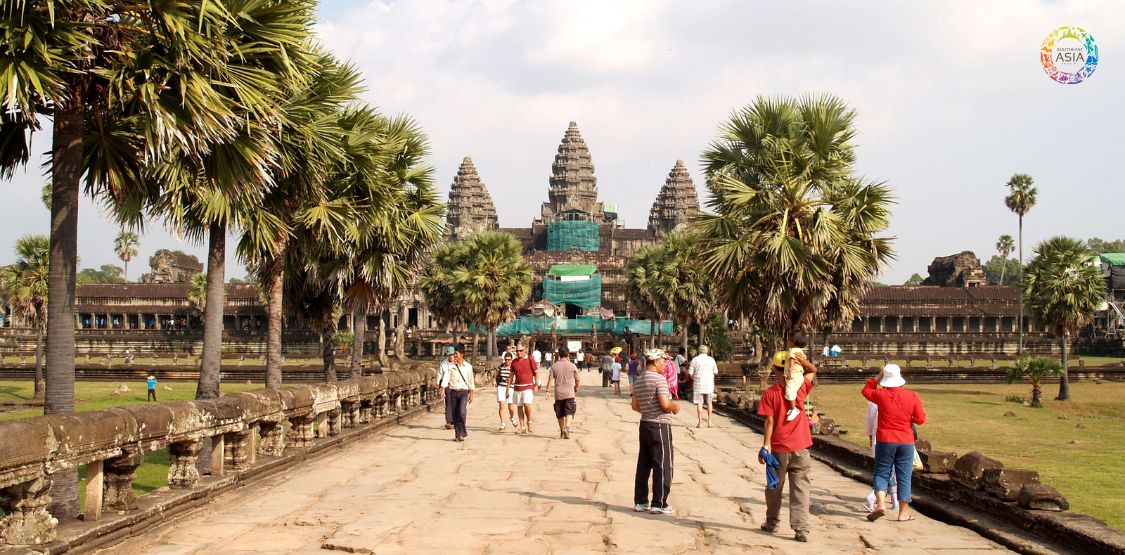
Siem Reap (northwestern Cambodia) serves as the threshold to the Angkor Archaeological Park, a UNESCO World Heritage Site and the most vital historic treasure in Southeast Asia. While the majestic Angkor Wat is the primary draw, the park spans 400 km² and includes the walled majesty of Angkor Thom, the root-entwined ruins of Ta Prohm, and the delicate pink sandstone of Banteay Srei.
For a meaningful visit, do not rush the temples. Spreading exploration over three days lets you experience different lighting and quieter corners, helping prevent the fatigue that often comes with a single-day sprint. Beyond the stones, Pub Street offers a lively contrast, though sunrise at Angkor Wat remains the quintessential Southeast Asian experience.
- Days recommended: 3-4 nights
- Don't miss: Dawn at Angkor Wat, Ta Prohm, the artistry of Banteay Srei, Phare Circus
- Best for: History enthusiasts, photographers, and spiritual seekers
Phnom Penh: The Beating Heart of the Mekong
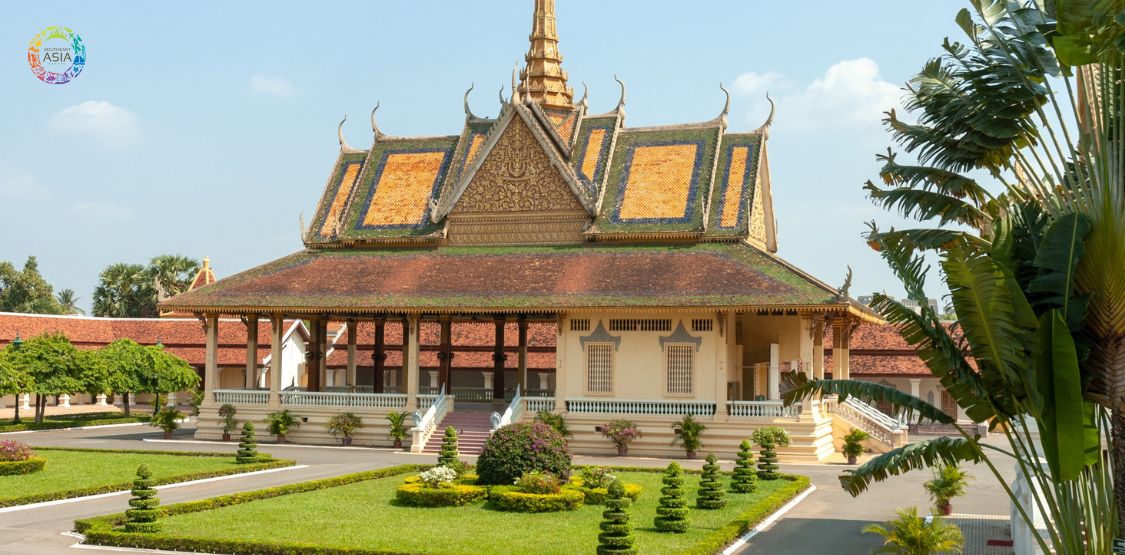
This capital is often overlooked by those rushing to the temples, but it offers a vital piece of the Cambodian puzzle. Located at the meeting of the Mekong and Tonle Sap rivers, Phnom Penh’s riverside promenade comes alive at sunset, with the Royal Palace providing a golden backdrop to city life.
Visits to the Tuol Sleng Genocide Museum and the Choeung Ek Killing Fields are somber, necessary encounters that provide essential context for the country's resilience. The city balances this weight with a flourishing café scene and the colonial elegance of the National Museum. It is also the perfect springboard for those heading south to the coastal charm of Kampot and Kep.
- Days recommended: 1-2 nights
- Don't miss: Tuol Sleng, the Royal Palace complex, sunset on the riverfront
- Best for: History seekers and travelers with a desire for deep cultural context
Must-See Locations in Laos
Laos often becomes the favorite chapter of an Indochina journey. It is the quietest sibling - less developed and more tranquil - rewarding those who embrace a slower pace. The narrative usually focuses on Luang Prabang in the mountainous north and Vientiane in the south, with the idyllic 4,000 Islands serving as a scenic finale.
Luang Prabang: The Spiritual Jewel
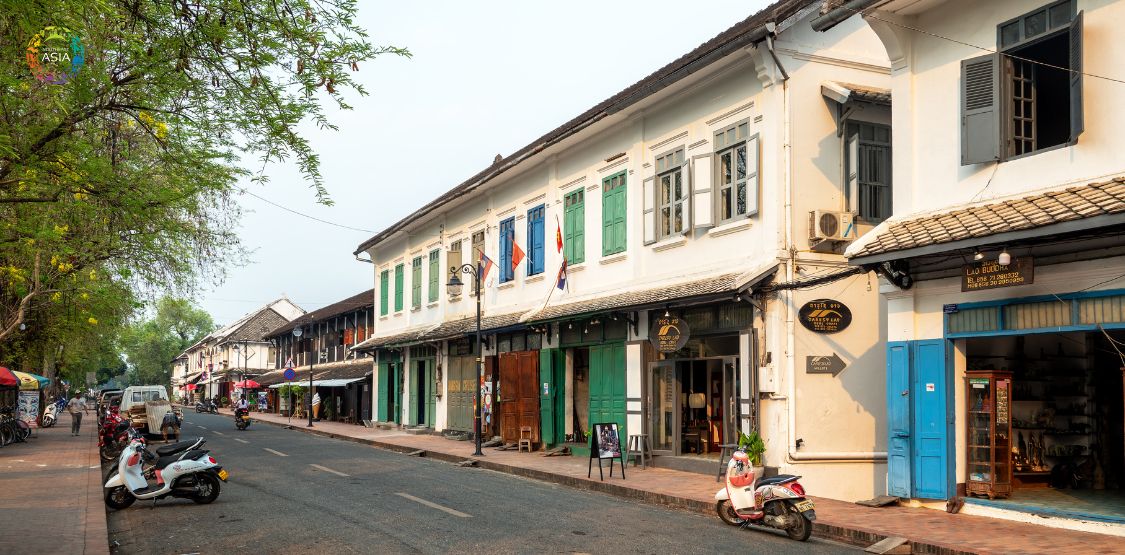
Known as the region's most serene city, Luang Prabang’s UNESCO status protects a "living heritage" that includes French colonial villas and over 30 gilded wats lining the banks of the Mekong and Nam Khan rivers.
The dawn tak bat (alms-giving) ceremony is a profound ritual of saffron-robed monks moving through misty streets. It is a sacred tradition, best witnessed with quiet respect. A short trip away, the Kuang Si Waterfalls provide a stunning natural escape, with turquoise pools terraced through the jungle.
- Days recommended: 3-4 nights
- Don't miss: Alms-giving at dawn, Kuang Si Falls, Wat Xieng Thong, a sunset river cruise
- Best for: Couples, photographers, and those seeking spiritual tranquility
Vientiane: The World's Most Relaxed Capital
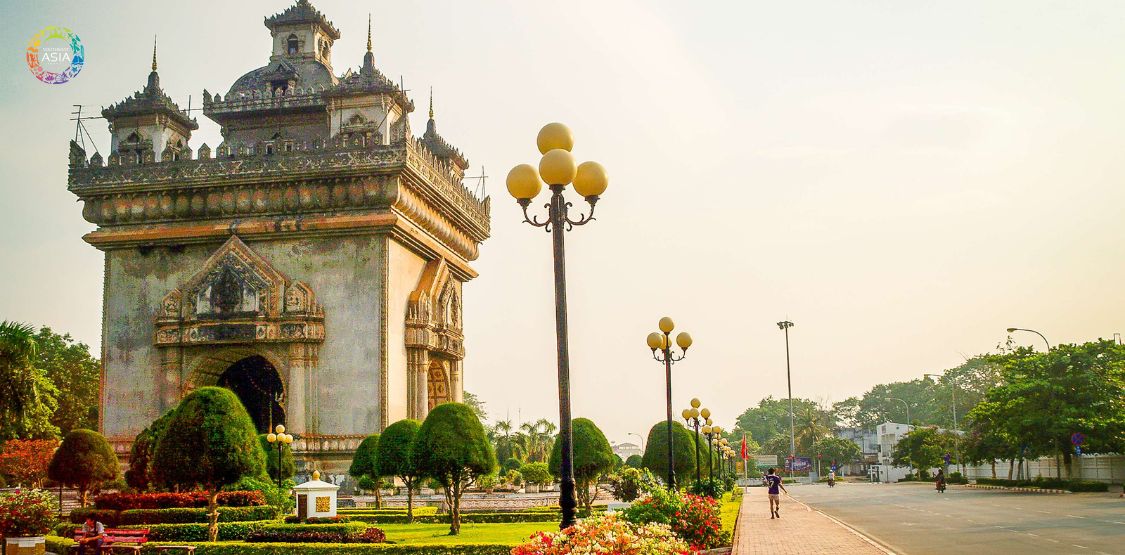
Vientiane is a capital where time seems to slow down, and the main evening event is a stroll along the Mekong riverfront. Key sights include the Patuxai monument, the thousand-Buddha niches of Wat Si Saket, and the important documentary work at the COPE Visitor Center.
Often used as a transit hub, Vientiane rewards those who stay longer with a distinct coffee culture and a colonial streetscape that feels like the perfect urban counterpoint to the busy cities of Vietnam.
- Days recommended: 1-2 nights
- Don't miss: Patuxai at dusk, Wat Si Saket, and Lao pastries
- Best for: Travelers seeking a slow-paced urban experience
How to Plan Your Vietnam Cambodia Laos Route
The most logical route for a Vietnam Cambodia Laos tour runs north to south through Vietnam, then loops into Cambodia and Laos - or alternatively, reverses the order. Both directions work; the choice depends primarily on flight availability and your preferred emotional arc.
Here is an overview of the essential destinations and recommended stays:
- Hanoi (Vietnam): Plan for 2-3 nights to fully explore the vibrant Old Quarter and sample the street food scene. Best for culture and history enthusiasts.
- Halong Bay (Vietnam): A 2-night stop is necessary to include the essential overnight cruise. Ideal for nature lovers and couples.
- Hue (Vietnam): Spend 1-2 nights visiting the Imperial Citadel and experiencing the royal cuisine. A must for history and food travelers.
- Hoi An (Vietnam): Dedicate 2-3 nights to the Ancient Town, famous for its lanterns and cooking classes. Perfect for slow travel and culture.
- Ho Chi Minh City (Vietnam): Allow 2-3 nights to cover the city's key war history sites and the Mekong Delta. Suited for urban travelers and history seekers.
- Siem Reap (Cambodia): Requires a committed 3-4 nights to fully appreciate the Angkor Wat sunrise and surrounding temples. Recommended for all types of travelers.
- Phnom Penh (Cambodia): A 1-2-night stay allows for essential visits to Tuol Sleng and the Royal Palace. Essential for history seekers.
- Luang Prabang (Laos): Schedule 3-4 nights for the sacred tak bat ceremony and the Kuang Si Falls. Best for slow travelers.
- Vientiane (Laos): A 1–2 night stop is sufficient for seeing the Mekong sunset and Patuxai monument. Works well as a transit point or for relaxation.
Some key logistics and travel times you should consider:
- Fly between Vietnam and Cambodia (Hanoi/HCMC → Siem Reap): ~1.5 hours
- Travel between Luang Prabang and Vientiane: ~1 hour by domestic flight or 10 hours by bus (scenic but slow)
- Cross from southern Laos into Cambodia by bus via Stung Treng: ~5-6 hours
- The Mekong slow boat from Huay Xai (near the Thai border) to Luang Prabang: 2 days - one of Southeast Asia's great journeys
Practical Travel Tips For A Perfect Vietnam Cambodia Laos Tour
Best Time to Visit
Vietnam, Cambodia, and Laos span different climatic zones, so timing matters. The broad consensus among seasoned travelers is that November through February offers the most comfortable conditions across all three countries: dry, moderate temperatures, and manageable crowds.
Here is a closer look at the seasonal breakdown:
- November-February (The Ideal Dry Season): This is the best time for regional travel. Conditions are cool and dry in Northern Vietnam and Laos, while Central and Southern Vietnam are pleasantly dry and warm. Cambodia enjoys its prime dry season.
- March-April (The Hot Transition): Temperatures rise significantly. Northern Vietnam remains warm and dry, but Central/South Vietnam transitions to hot, pre-rain conditions. Cambodia and Laos are both hot and dry, demanding careful planning.
- May-September (The Rainy Season): This is the official rainy season for Cambodia and Southern/Central Vietnam. Northern Vietnam is hot, with occasional rain, while Laos experiences a rainy season that turns the landscape lush.
- October (Transitional Risks): Conditions begin to shift. Northern Vietnam faces the risk of rain and typhoons; Central/South Vietnam is transitional; Cambodia sees the end of the rains; and Laos enters its scenic greening season.
Travelers should also be mindful of the festival time in these countries:
- Tet (Vietnamese Lunar New Year) typically falls in January/February, so there might be domestic travel crowds, higher prices, and some business closures. Plan around it or embrace it as a cultural spectacle
- Khmer New Year (mid-April, Cambodia) brings festive energy but also domestic travel congestion.
- Luang Prabang's Pi Mai (Lao New Year, mid-April) is a joyful water festival and worth experiencing if timing aligns.
Visas & Entry
- Vietnam: E-visa available online for most nationalities (30 days, single or multiple entry)
- Cambodia: E-visa online (US$36) or visa on arrival at major entry points
- Laos: Visa on arrival at international airports and most land crossings (US$30–50 depending on nationality)
Budget Context (mid-range tour, per person)
- 10-14 day tour: approximately US$2,000-$4,000 (guided, mid-range hotels)
- 15-22 day tour: approximately US$3,500-$6,000+
- Luxury private itineraries start around US$6,000+ for two
Packing Essentials
- Modest clothing (long pants/scarf) for temples; mandatory at Angkor, Luang Prabang temples, and Vietnamese pagodas
- Lightweight, breathable fabrics; temperatures average 27–35°C across most of the region
- High-SPF sunscreen, insect repellent, and a rehydration plan for hot-season travel
Plan Your Indochina Journey
A well-designed Vietnam Cambodia Laos tour isn't a checklist, but it's a progressive journey through one of the world's most layered and rewarding travel regions. The key is building a route with intentional pacing: give Angkor the three days it deserves, linger in Hoi An longer than you think you need to, and resist the urge to rush through Luang Prabang.
The travelers who come away most transformed aren't the ones who saw the most; they're the ones who slowed down enough to feel it.
Ready to start planning? Browse our expert-curated Southeast Asia tour packages and choose the best itinerary with a seamless pace, meaningful depth, and memorable experiences.