



Vietnam, Cambodia, and Laos have long captured the imagination of travelers with iconic destinations, and they remain among the most extraordinary things Southeast Asia has to offer. But this area is far larger and far more layered than its most famous postcards suggest.
In 2026, a growing number of travelers are choosing to go deeper. They visit the classics, and then they keep exploring: adding a few extra days in a direction nobody else is heading, following a local recommendation, taking the slow boat instead of the flight.
This guide will reveal the best hidden gems across Vietnam, Cambodia, and Laos that most tourists haven't discovered yet, and, along the way, offer practical guidance on how to reach them, how long to stay, and how to experience them the right way.
Why Travelers Are Choosing Hidden Gems in 2026
Overtourism Is Changing Travel Decisions
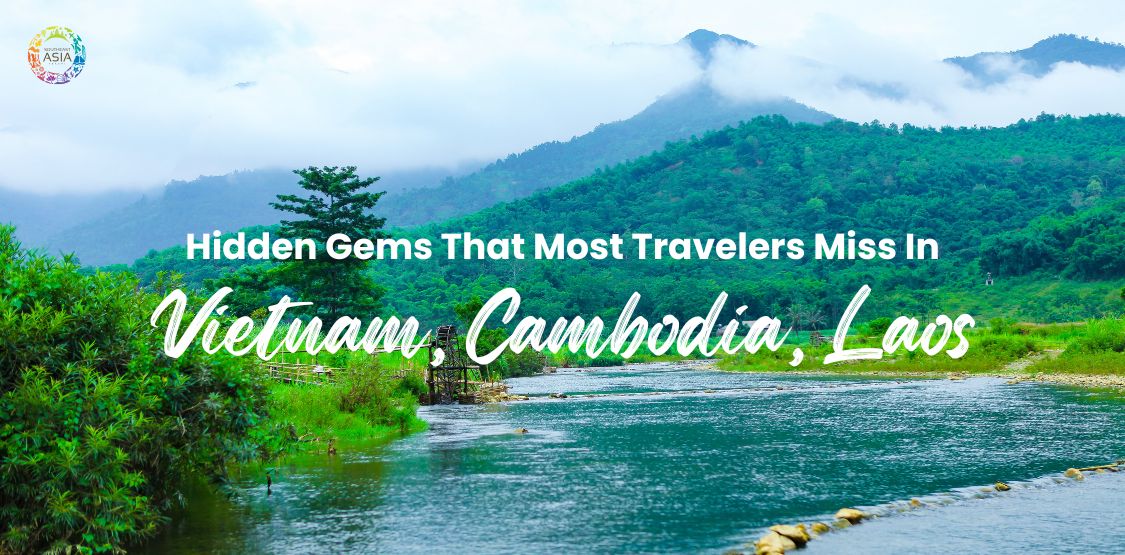
The figures are hard to ignore. Tourist arrivals in Southeast Asia's most visited destinations have largely returned to pre-2020 levels. The result has been a growing tension between the appeal of a place and the reality of visiting it.
The "seen it but didn't feel it" problem has become one of the most commonly articulated disappointments in travel forums and post-trip reflections. Travelers arrive at iconic destinations having built weeks of anticipation, only to spend their most photogenic morning jostling for position with five hundred other people who had the same idea.
This is not a fringe complaint. It is reshaping how a significant and growing segment of travelers, particularly those who have visited the region before, or who are investing serious time and money in a long-haul trip, are making decisions. The question is no longer just "where is beautiful?" but "where will I actually be able to feel it?"
The Rise of Slow & Experiential Travel
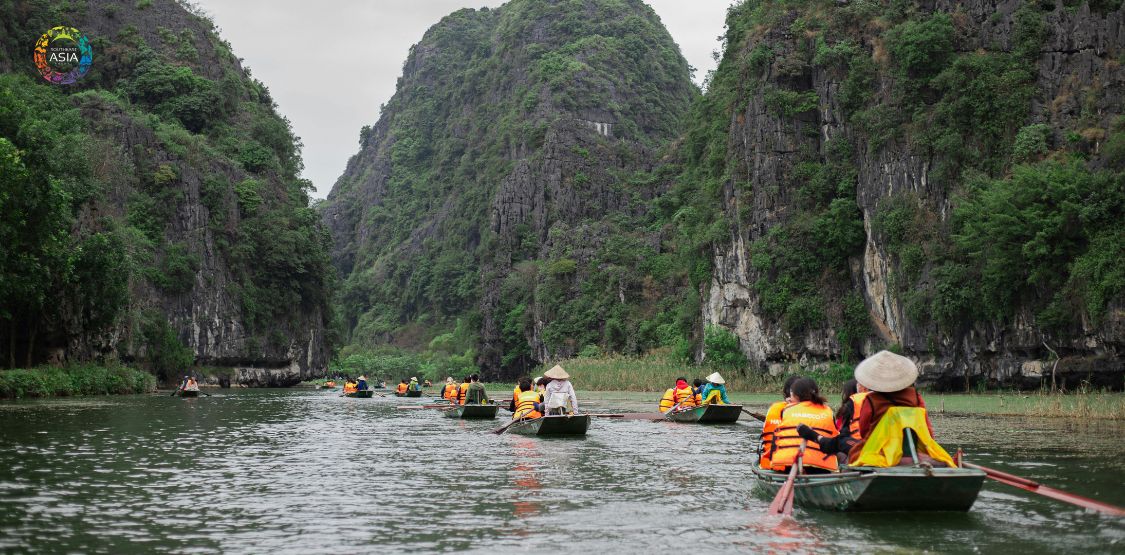
Alongside the frustration with overcrowding, a broader shift in travel philosophy has taken hold. Fewer destinations, visited more deeply, rather than a checklist of highlights across multiple countries. A week in one region rather than three days in four. Meals with families rather than at restaurants are designed to turn tables quickly. The slow boat instead of the budget flight.
Experiential travel, which prioritizes what you do and who you meet over how many places you visit, has moved from niche to mainstream. And the hidden gems of Vietnam, Cambodia, and Laos are uniquely positioned to deliver it. These are places where cultural immersion is not a product you buy but something that happens naturally when there are few enough visitors that local life hasn't reorganized itself around accommodating them.
What Makes a Place a "Hidden Gem"?
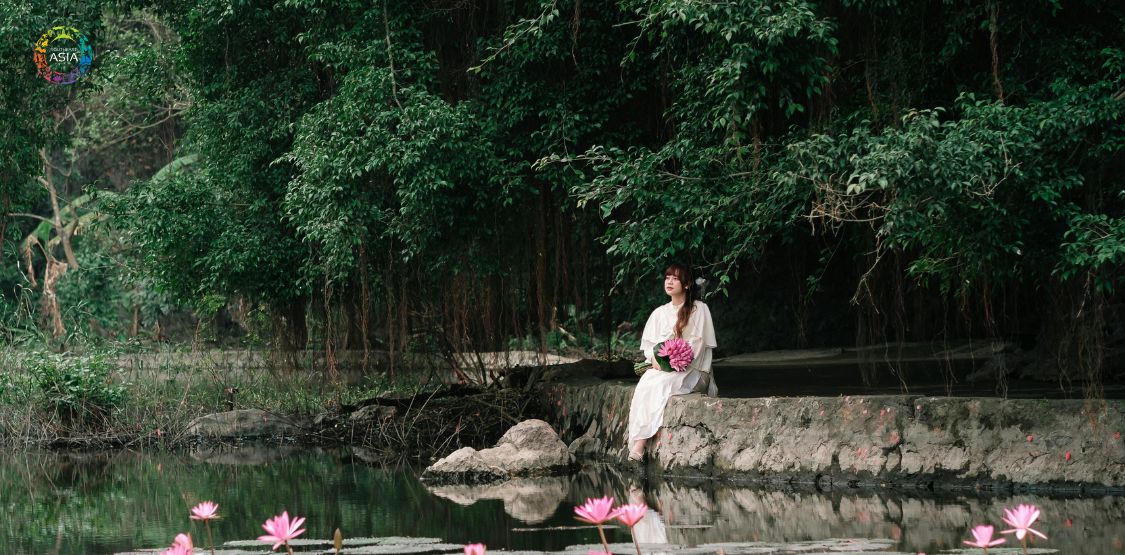
It's worth being precise about this, because "hidden gem" is a phrase that has been stretched almost to meaninglessness by travel marketing. For the purposes of this guide, a hidden gem is not simply a less popular place. It is a place that meets three specific criteria:
- Authentic local life: The community lives and functions primarily for itself, not for visitors. Tourism is welcome but incidental rather than the organizing principle.
- Limited mass tourism: Visitor numbers are low enough that the experience is not mediated by crowd management, roped-off zones, or the feeling of being processed.
- Unique experience value: The place offers something, a landscape, a culture, a food, a feeling, that is genuinely distinctive and not replicable elsewhere on the standard circuit.
Every destination in this guide meets all three. Some require more effort to reach than others. All of them are worth it.
Hidden Gems in Vietnam (Beyond the Tourist Trail)
Ha Giang Loop - Vietnam's Most Dramatic Road Journey
- Hidden features: Adventure travel, Ethnic cultures, UNESCO Geopark
- Getting there: 6-8 hours by bus from Hanoi to Ha Giang town
- Best for: Adventure travelers, photographers, cultural explorers
- Best time: Oct-Nov (buckwheat flowers); Mar-Apr (rapeseed flowers)
- Duration: 3-4 days minimum for the full loop
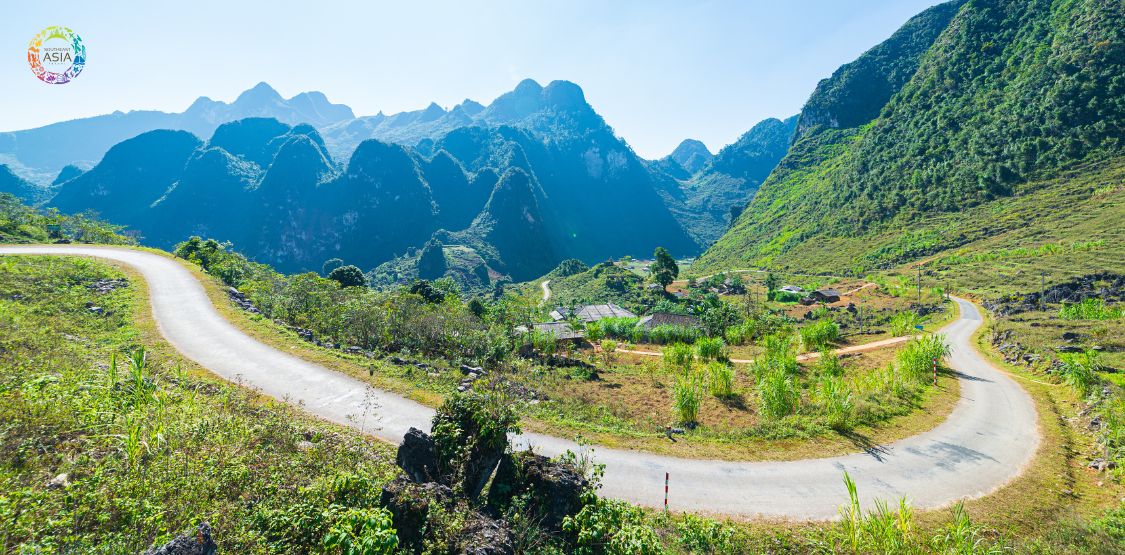
Ha Giang province, where Vietnam's northern border bends dramatically into China, contains the country's most spectacular landscapes and arguably its most authentic remaining frontier. The Dong Van Karst Plateau, a UNESCO Global Geopark, is a vast expanse of bare limestone peaks, plunging gorges, and remote villages where sixteen distinct ethnic groups, including H'mong, Dao, Lo Lo, and Pu Peo communities, continue to live largely as they have for generations.
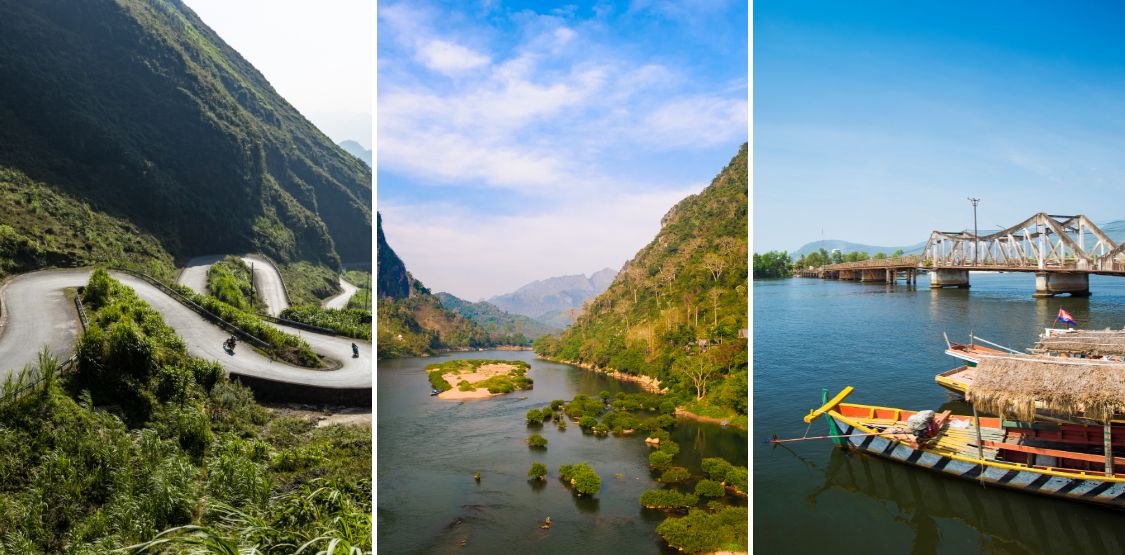
The classic Ha Giang Loop is a three-to-four-day motorbike circuit from Ha Giang town, traversing the Ma Pi Leng Pass, one of Vietnam's four great mountain passes, along the edge of a canyon so deep and severe it feels implausible. The Nho Que River runs as a ribbon of turquoise far below, framed by cliffs that rise hundreds of meters on both sides. The Sunday market at Dong Van town draws communities from across the plateau for a genuine weekly gathering: not a tourist market, but a real one, where animals are traded, and cloth is bartered.
Ha Giang requires a permit for foreign travelers, a minor administrative step, easily arranged in Ha Giang town, that also keeps visitor numbers at a level that preserves the experience.
Pu Luong Nature Reserve - Rice Terraces Without the Crowds
- Hidden features: Rice terraces, Homestays, Slow travel
- Getting there: 3-3.5 hours by car or bus from Hanoi
- Best for: Couples, photographers, slow travelers
- Best time: May-June or Sept-Oct for golden paddy season
- Stay: Village homestays in Ban Hieu; several ecolodges
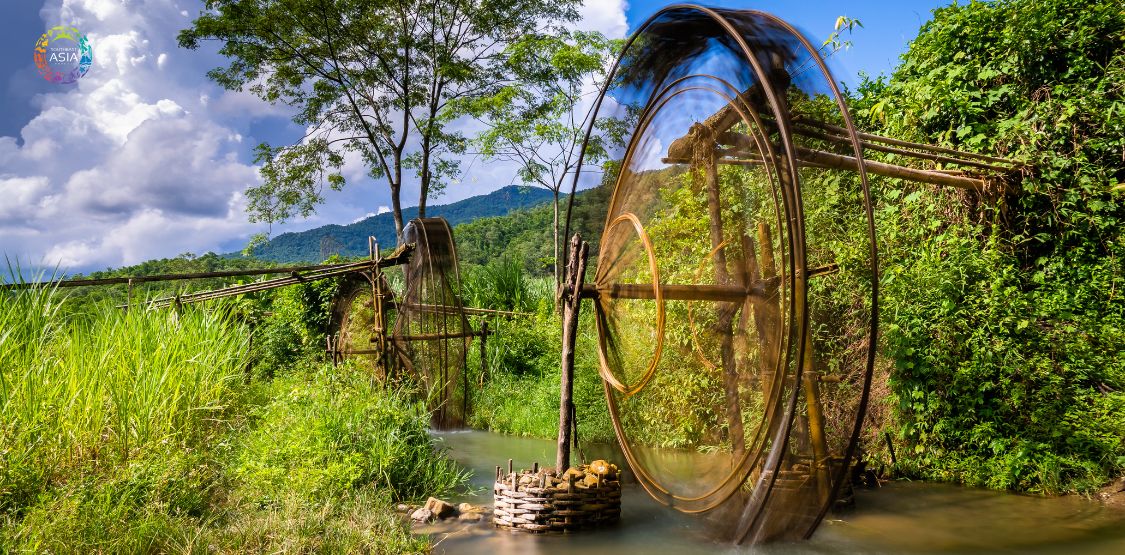
It is one of the more baffling oversights in Vietnam travel planning: Pu Luong Nature Reserve, in Thanh Hoa province, delivers virtually everything that draws travelers to Sapa, sweeping terraced rice paddies, mountain streams, traditional Thai and Muong villages, accessible trekking, and bamboo water wheels turning slowly in irrigation channels. And it sits only three hours from Hanoi, making it achievable even on a tight itinerary.
What makes Pu Luong feel different from the more commercialized hill regions is its pace. The villages here have developed tourism carefully, with locally run homestays that typically involve sitting around a communal meal with the family, sharing rice wine, and watching the sunset paint the paddies in gradients of amber and gold. Motorbike loops through the valley pass, working water mills, water buffalo, and children whose response to encountering a foreign traveler is unguarded delight rather than practiced indifference.
For couples and slow travelers in particular, Pu Luong offers a quality of quiet that is increasingly rare in northern Vietnam. A morning on the ridge above Ban Hieu village, watching mist rise from the valleys below, is an experience that needs no enhancement.
Phong Nha - Underground Worlds & Jungle Adventures
- Hidden features: Caves & karst, National park, Adventure
- Getting there: 2 hours by train from Hue or Dong Hoi station
- Best for: Nature lovers, adventure travelers, cave enthusiasts
- Best time: Feb-Aug (dry season for cave access)
- Book ahead: Cave tours sell out weeks ahead in peak season
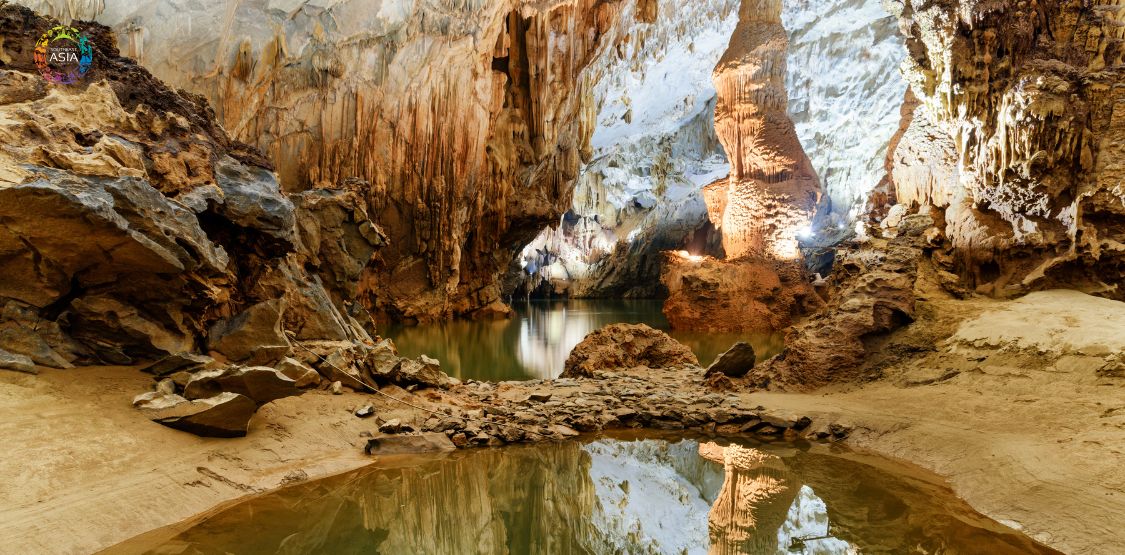
While Halong Bay receives the majority of Vietnam's nature-seeking visitors, the karst landscapes of Phong Nha-Ke Bang National Park in Quang Binh province arguably surpass it in scale, drama, and diversity, and do so with a fraction of the visitor numbers. Son Doong, discovered in its full extent only in 2009, is the world's largest cave by volume: large enough to contain an entire city block with skyscrapers, with its own localized weather system and jungle ecosystem inside. Expeditions are limited to a few hundred visitors per year.
But Son Doong is just the headline. The national park contains over three hundred caves, including Phong Nha cave (accessible by river boat through its ancient, cathedral-scale interior) and Hang En, a cave so vast that it serves as a camping site for multi-day expeditions, with a natural skylight illuminating an underground beach beside a clear river. Above ground, the jungle trekking and cycling routes through the park's limestone forest reward those who spend more than a day.
The town of Phong Nha itself is small, charming, and currently at a sweet spot of development, with enough infrastructure to be comfortable, but not yet commercialized beyond its character.
Hidden Gems in Cambodia (Beyond Angkor Wat)
Koh Rong Samloem - Cambodia's Undisturbed Island Escape
- Hidden features: Island escape, Beach, Bioluminescence
- Getting there: Ferry from Sihanoukville (1.5 hours)
- Best for: Beach lovers, couples, digital detox
- Best time: Nov-May (dry season); Jul-Feb for bioluminescence
- Note: M'Pai Bay is quieter than Saracen Bay, which is worth the extra effort
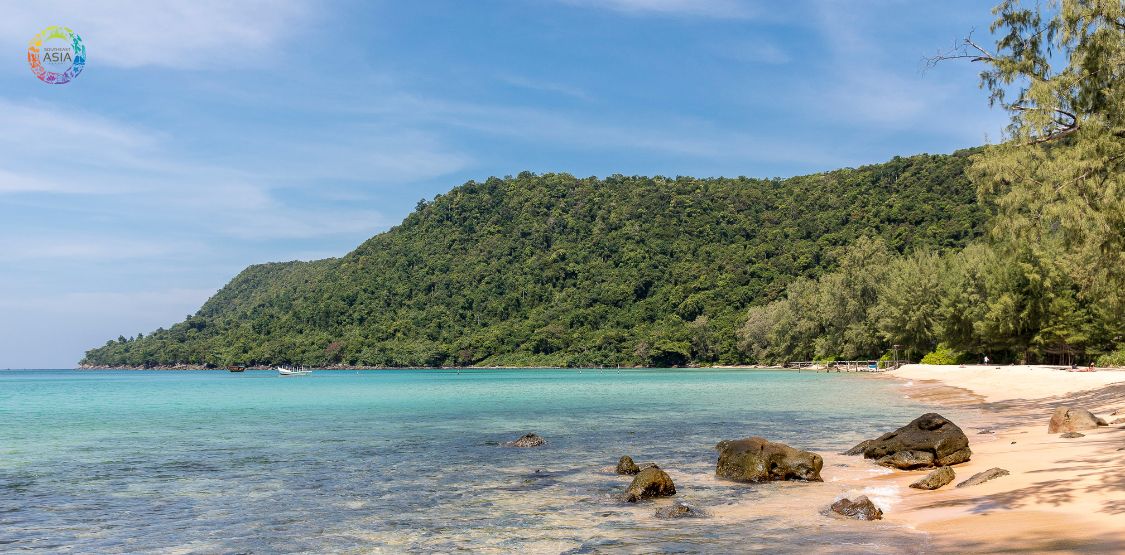
The Gulf of Thailand holds several remarkable Cambodian islands, but while Koh Rong has begun to acquire the infrastructure and party reputation of a developing beach destination, its smaller sibling Koh Rong Samloem has so far retained a very different character.
The island has no roads, no motorbikes, and limited electricity. Its beaches (particularly Saracen Bay and M'Pai Bay) are among the most beautiful in the region: fine white sand, clear water over coral, and the kind of underwater visibility that makes even a casual snorkel feel like a genuine discovery.
At night, the bioluminescent plankton that blooms in Saracen Bay between July and February turns the water into something that looks like a science fiction film prop, every movement in the shallows traced in cold blue light. It is the kind of experience that, described to someone who hasn't seen it, sounds like an exaggeration.
Koh Rong Samloem is genuinely less commercial than the Thai islands, less developed than Bali, and less overrun than the more famous Cambodian beaches at Sihanoukville. It is also unlikely to stay this way indefinitely, which makes visiting it in 2026 a window that's worth taking.
Kampot & Kep - Riverside Charm & Coastal Slow Life
- Hidden features: River town, Food culture, Colonial history
- Getting there: 3 hours from Phnom Penh by bus or shared taxi
- Best for: Food lovers, couples, slow travelers
- Best time: Nov-Apr; rainy season (May-Oct) is quieter but atmospheric
- Don't miss: Pepper farm tour; Kep crab market at lunch; sunset boat trip
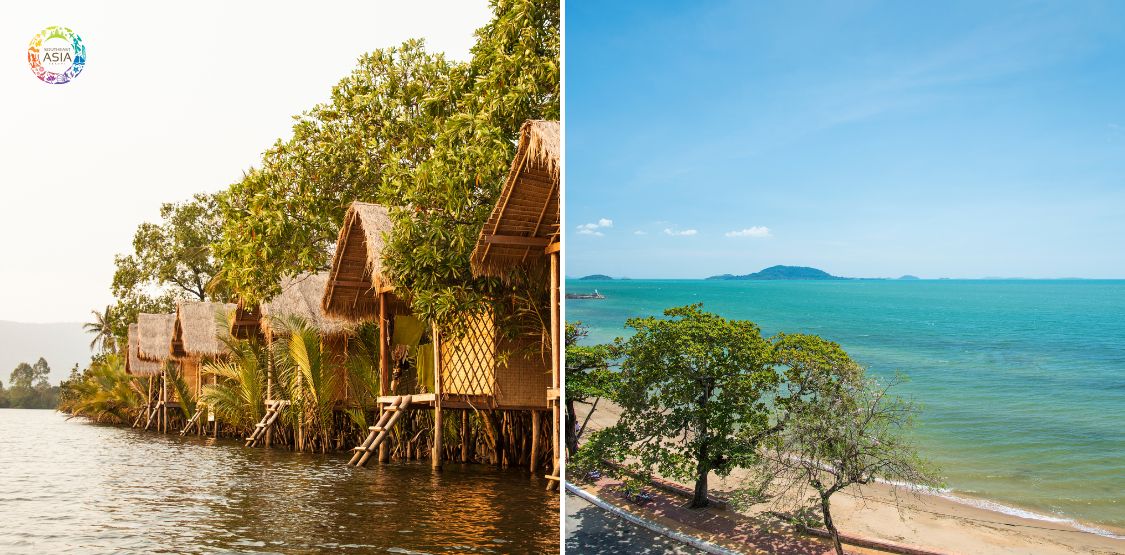
The coastal south of Cambodia remains one of Southeast Asia's better-kept travel secrets, and the twin destinations of Kampot and Kep (an hour apart and best visited together) represent a rare combination: a genuinely pleasant place to stop doing things for a while, in a region where the default mode is constant movement.
Kampot is a small river town famous among those who know it for several things: its pepper plantations (widely considered among the finest in the world by serious culinary assessors), its crumbling French colonial architecture that hasn't yet been aggressively restored, slow-boat river trips at sunset, and a density of excellent restaurants per capita that seems improbable for a town of this size.
Kep, twenty minutes further along the coast, is the ghost of a seaside resort that Cambodia's French colonists built for weekends and that the Khmer Rouge systematically destroyed. The ruins of grand villas still stand in the jungle behind the crab market, with the Kampot pepper sauce completing the combination into something memorably close to perfection.
For food lovers and couples in particular, this stretch of southern Cambodia delivers an experience of an authentic Cambodian lifestyle that feels entirely its own, not performance, not tourism infrastructure, just a place living at its own speed.
Hidden Gems in Laos (Southeast Asia's Quiet Secret)
Nong Khiaw - Misty Mountains & River Serenity
- Hidden features: River village, Karst scenery, Trekking
- Getting there: 3 hours by minivan from Luang Prabang
- Best for: Photographers, slow travelers, trekkers
- Best time: Oct-Apr; mist is best Oct-Dec
- Extend to: Muang Ngoi Neua (1 hour slowboat north)
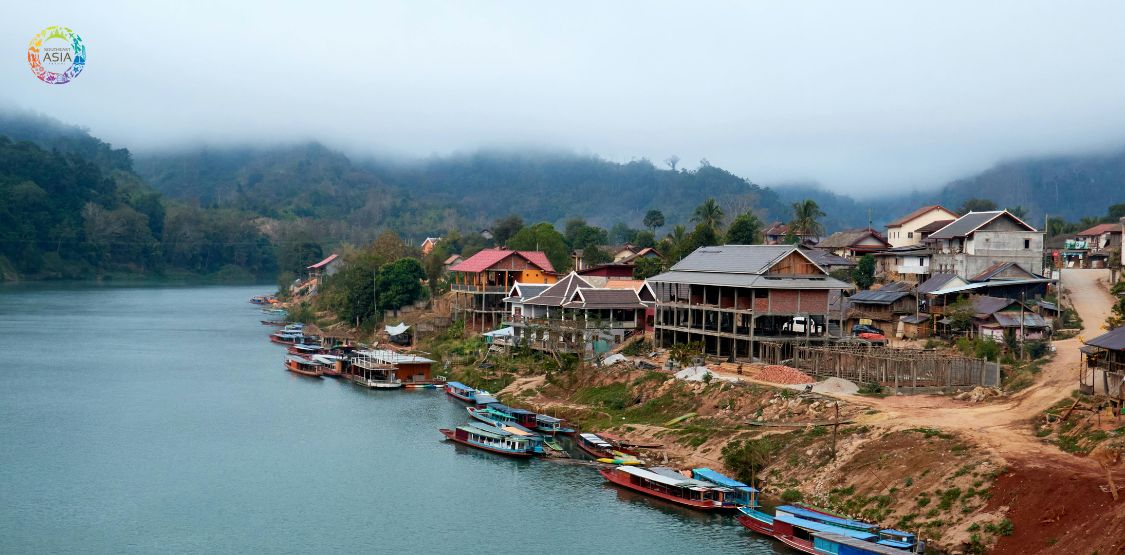
Three hours north of Luang Prabang by road, Nong Khiaw sits where a bridge crosses the Nam Ou River between two walls of karst that rise almost vertically from the water. The town has just enough infrastructure to be comfortable but not enough to feel touristy or overrun. It is one of those rare places that has reached what might be called a stable equilibrium: visited, but not consumed by visitors.
The viewpoints above the town require a climb but reward with panoramas that photographers specifically travel to Nong Khiaw to capture, layers of karst dissolving into mist in the early morning, the river a silver thread below. Village walks in the surrounding area connect to minority communities where life operates at a pace entirely removed from the region's more developed tourist centers.
An hour further upriver by slowboat, Muang Ngoi Neua is even quieter: a village accessible only by water, with no road access, that distills the Nong Khiaw experience to its essentials. The journey between the two, past layered karst and riverbank villages, is an experience unto itself.
Bolaven Plateau - Waterfalls & Coffee Culture
- Hidden features: Coffee culture, Waterfalls, Motorbike loop
- Base: Pakse; rent a motorbike here for the loop
- Best for: Coffee lovers, cyclists, culture-nature seekers
- Loop duration: 2-3 days; approx. 200-250km total
- Best time: Oct-Apr; waterfalls fullest just after the rainy season
Southern Laos is most often treated as a transit zone, with travelers moving through Pakse toward the Mekong islands. Those who take two or three extra days to loop the Bolaven Plateau by motorbike tend to describe it as a trip highlight they almost missed entirely.
The plateau is the coffee-growing heartland of Laos, and the arabica produced here, particularly around the village of Paksong, is remarkable by global standards. Stopping at a roadside processing station to drink a cup of coffee with a view of the plantation it just came from is a quietly perfect travel moment.
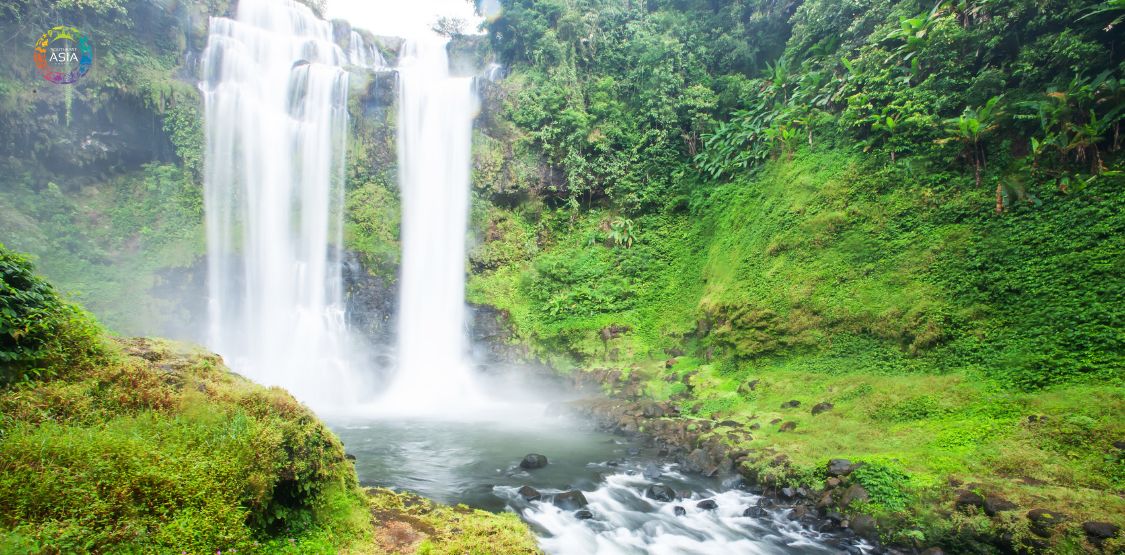
The plateau is also threaded with waterfalls. Tad Fane, twin falls plunging over a hundred meters into a forested gorge, is the most dramatic, but the lesser-known Tad Yuang and Tad Champi reward those who venture off the main loop.
The cultural and natural blend of the Bolaven, coffee country, highland minority villages, extraordinary water features, and the sense of traveling through a landscape that has its own complete internal logic make it one of Laos' most distinctive and underrated experiences.
Si Phan Don (4,000 Islands) - Life at the Pace of the Mekong
- Hidden features: Mekong islands, River life, Digital detox
- Getting there: 4 hours south of Pakse by bus; short ferry to islands
- Best for: Digital detox, cyclists, hammock philosophers
- Best time: Nov-Feb (cool and dry); river dolphin sightings year-round
- Tip: Don Khon is quieter and more characterful than Don Det
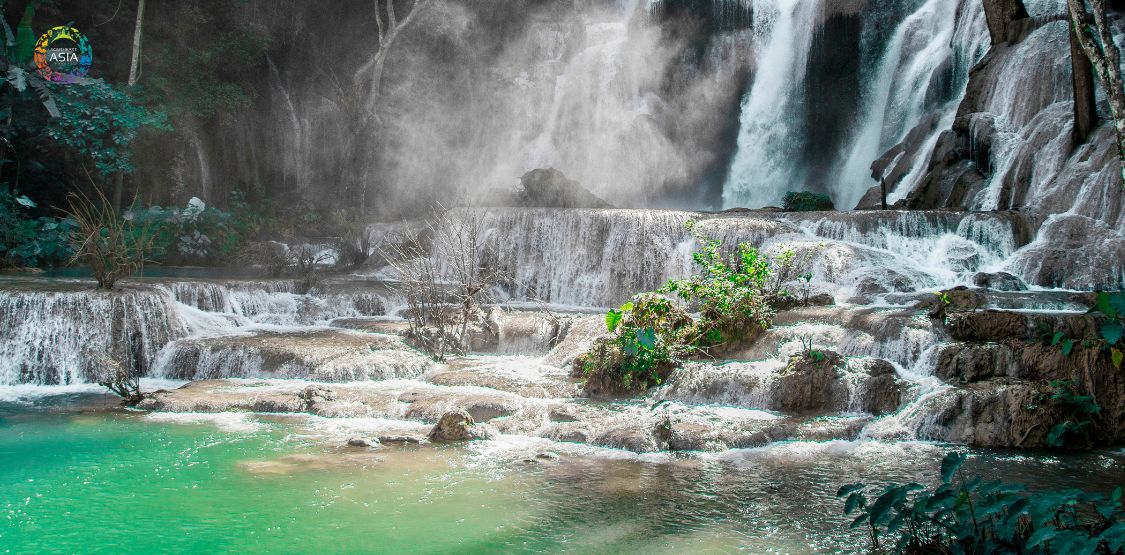
At the southern tip of Laos, where the Mekong spreads across its widest point, up to fourteen kilometers in the wet season, it fragments into thousands of islands, sandbars, and channels that together form Si Phan Don, "the Four Thousand Islands."
Of the inhabited islands, Don Khon and Don Det are the most visited; Don Khon in particular has maintained a character that is genuinely different from anywhere else in Southeast Asia.
Life on Don Khon moves at the pace of the river: slow, unhurried, entirely oriented around the water. The island has no cars. Paths connect wooden villages, rice paddies, and the remains of a French colonial narrow-gauge railway that once bypassed the Khone Phapheng Falls, the widest waterfall in Southeast Asia by volume, and arguably one of the most dramatic. The rare Irrawaddy dolphins that survive in this stretch of the Mekong can sometimes be spotted near the Cambodian border.
For those seeking a genuine digital detox, or simply the experience of a place where the default activity is lying in a hammock watching the river move, Si Phan Don delivers it completely. It is the kind of place you arrive planning to spend two nights and leave having stayed five.
A Trip Around These Hidden Gems: A Suggested 2–3 Week Route
One of the most common questions from travelers inspired by off-the-beaten-path destinations is a practical one: “How do I actually connect these places into a coherent trip?” The good news is that Vietnam, Cambodia, and Laos share overland borders and well-established, if sometimes slow, transport connections. The routing can be logical, scenic, and genuinely rewarding to travel, not just to arrive at.
Below is a north-to-south route through Vietnam, then crossing into Laos and Cambodia, a direction that tends to work well with seasonal patterns and transport connections.
- Hanoi (1-2 nights)
Begin your journey in Vietnam's capital. Wander the Old Quarter, enjoy the street food scene, and ease into the pace of Southeast Asia. Travel onward: Bus to Pu Luong (3-3.5 hours).
- Pu Luong or Ha Giang (3-4 nights)
Choose between the peaceful rice terraces of Pu Luong or the dramatic mountain landscapes of Ha Giang. Both offer beautiful scenery and a deeper look at rural Vietnam. Travel onward: Return to Hanoi, then take an overnight train or bus south.
- Phong Nha (2-3 nights)
Head to one of Vietnam's top nature destinations, known for caves, jungle landscapes, and adventure activities. Travel onward: Bus to Hue, then continue by train or bus to the Laos border.
- Nong Khiaw to Bolaven Plateau (4-5 nights)
Slow down in Laos with riverside mountain views in Nong Khiaw, then continue south to the Bolaven Plateau for waterfalls, coffee farms, and cooler highland air. Travel onward: Slowboat along the Mekong or bus to Pakse.
- Si Phan Don (2-3 nights)
Unwind in the laid-back Four Thousand Islands region, where life moves gently along the Mekong. Travel onward: Bus to the Cambodian border, then shared taxi to Phnom Penh.
- Kampot & Kep (2-3 nights)
Enjoy Cambodia's relaxed southern coast, famous for pepper plantations, seafood, and charming countryside views. Travel onward: Bus to Phnom Penh, then ferry or flight to Koh Rong Samloem.
- Koh Rong Samloem (2-3 nights)
End your trip on a tropical island with white-sand beaches, turquoise water, and time to fully recharge. Travel onward: Ferry back to Sihanoukville, then flight home.
How to Experience These Hidden Gems the Right Way
Independent Travel vs Tailor-Made Tours
Independent travel through Vietnam, Cambodia, and Laos is entirely viable for most of the destinations in this guide. Buses, shared minivans, local ferries, and hired motorbikes connect almost everything described above, and the cost of independent travel in this region is low enough that budget is rarely the decisive factor.
For experienced travelers who are comfortable with ambiguity, moving slowly, and the occasional logistical hiccup, going independently has real appeal: you can stay longer where you want, leave earlier than expected, and follow recommendations from people you meet along the way.
But independent travel in genuinely remote areas (multi-day trekking in Virachey National Park in Cambodia, the deeper sections of the Ha Giang plateau, the river routes beyond Nong Khiaw in Laos) can require permits, local guides, and logistical arrangements that are difficult to sort out on arrival. In these cases, getting the logistics wrong doesn't just waste a day; it can mean missing the experience entirely.
Why Tailor-Made Itineraries Make a Difference
For travelers who want to access the places described in this guide deeply, efficiently, and with local context built in, a well-designed tailor-made itinerary changes the equation significantly.
The distinction matters: not a group tour that deposits you at the famous spots, but a customized plan built around your specific interests, pace, and travel style; one that handles the permits, pre-books the locally run guesthouses, and connects you with guides who have relationships in the communities you're visiting.
The practical benefits are significant. You avoid the specific frustrations that derail independent travel in remote areas: arriving in Ha Giang to find the permit office closed for a local holiday; discovering that the only boat to Muang Ngoi left an hour ago and the next one is tomorrow; and realizing that the cave trek you came to Phong Nha for requires a booking made three weeks in advance. A good operator absorbs this friction before it reaches you.
But the deeper benefit is experiential. A local guide in Kampot who knows the pepper farmer families personally provides a visit that no amount of independent research can replicate. A connection to a genuine community homestay in Pu Luong, rather than the tourist-facing version, produces evenings that become the story you tell for years.
Want to Explore These Places Without the Planning Stress?
A customized Southeast Asia itinerary built around these hidden gems, tailored to your pace, interests, and travel style, can give you access to the experiences described in this guide while removing the logistical friction that stops many travelers from reaching them. The best parts of Vietnam, Cambodia, and Laos are not on the standard circuit. Let us, experts from Southeast Asia Travel, help you explore the best customized Indochina journeys!