



Crafting your inaugural journey through Vietnam and Cambodia isn't about nailing the "ideal" travel plan. It's about selecting one that meshes with your travel preferences. Given the multitude of routes and their variations, the real hurdle isn't a shortage of choices; it's figuring out which one truly complements your schedule, travel speed, and what you're hoping to get out of the trip.
For many first-time travelers to Southeast Asia, particularly those coming from far-flung places, the objective is often straightforward: see the key sights, immerse yourself in the local culture, and sidestep travel-related exhaustion. A thoughtfully designed itinerary can make a significant impact here. Instead of cramming in as many destinations as possible, concentrating on route efficiency and a balanced experience often proves to be the smarter approach.
This guide offers a straightforward overview of the most effective tour options, what you can anticipate from each, and how to select an itinerary that aligns with your travel style, available time, and key priorities.
Why Vietnam and Cambodia Are Ideal for First-Time Visitors
If you’re visiting Southeast Asia for the first time, one question naturally comes up: Should I focus on just one country or try to experience more in a single journey?
But the surprising answer is: For many first-time travelers, combining Vietnam and Cambodia isn’t more complicated; it’s actually more rewarding, more balanced, and often more logical. And here is why this combination works so beautifully.
Two Countries, One Seamless Journey
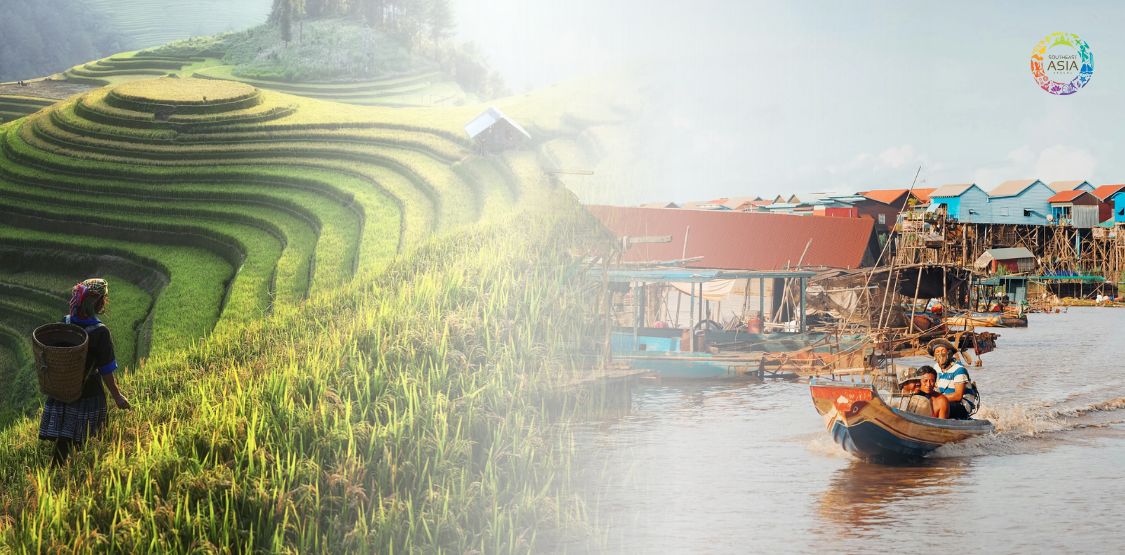
At first glance, Vietnam and Cambodia might seem like two separate worlds. However, there is a sweet spot between these two destinations, varied enough to keep it exciting, connected enough not to suck up your vacation in transit.
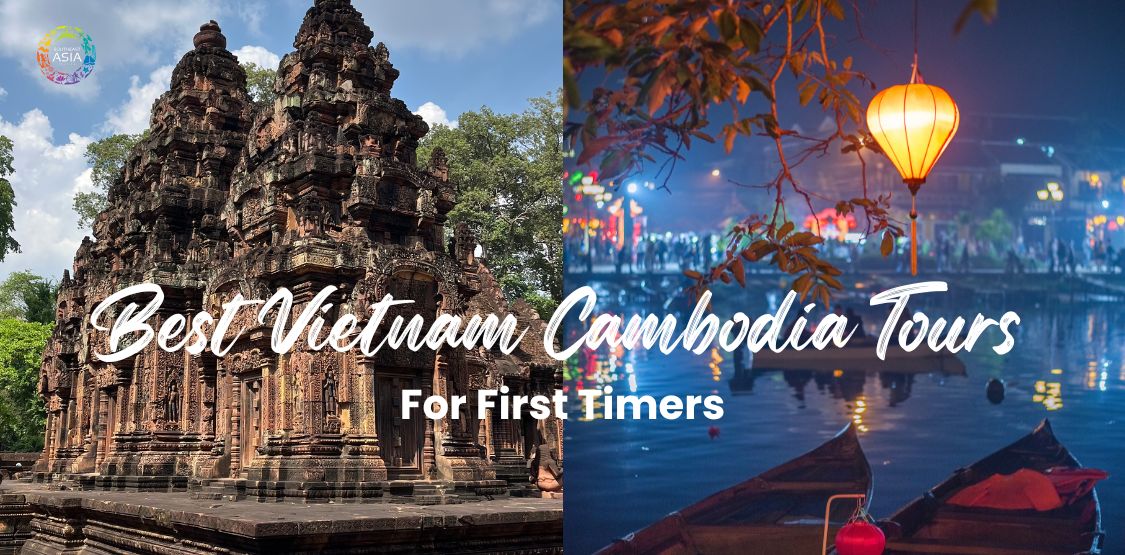
Vietnam's allure is undeniable, a vibrant tapestry woven from emerald karsts that jut from Halong Bay's waters, the golden lanterns of Hoi An dancing in the wind, and the lively street-food scene of Ho Chi Minh City.
Cambodia, on the other hand, offers a quieter, more contemplative experience: the soaring spires of Angkor Wat at sunrise, temples hidden within the jungle that speak of vanished civilizations, and a tenacious spirit that endures.
The true enchantment lies in the contrasts. It's not simply a matter of visiting places; it's about experiencing different rhythms, textures, and narratives. Fast-paced to tranquil. Modern to timeless.
Easy Travel Connections (Easier Than You Think)
One of the biggest misconceptions? That traveling between two countries must be complicated. However, Vietnam and Cambodia are surprisingly well-linked, which makes getting between them a breeze, even if it's your first time.
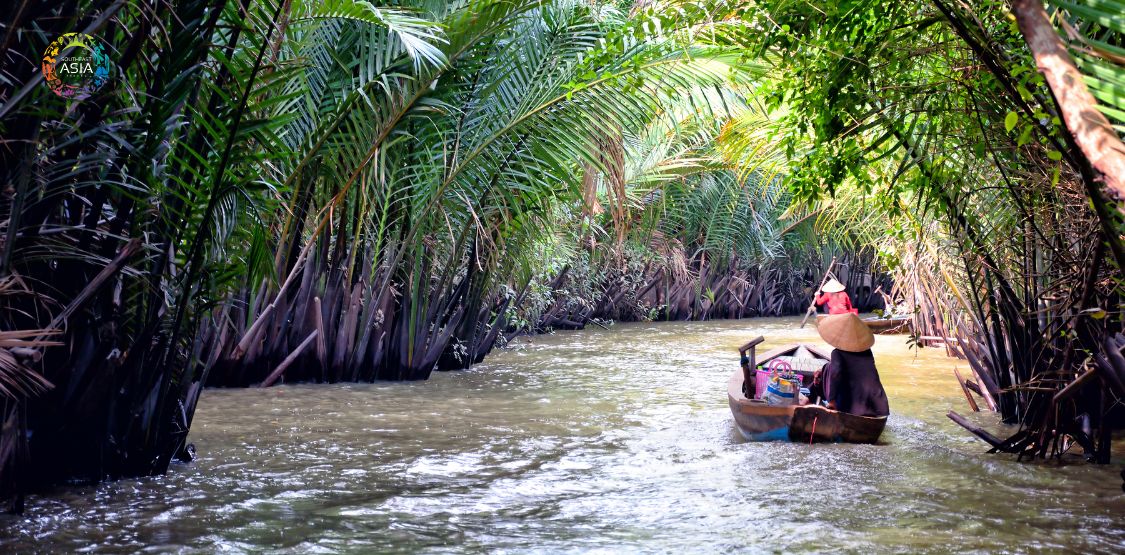
There are several ways to go: Quick regional flights, usually taking less than two hours, link the main cities. You can take the scenic route along the Mekong River for a more leisurely experience. For those who prefer to travel overland, there are easy border crossings.
Since the distances aren't far and the logistics are simple, you cannot miss a wonderful trip between these two nations.
The Perfect Balance of Culture, Nature & Relaxation
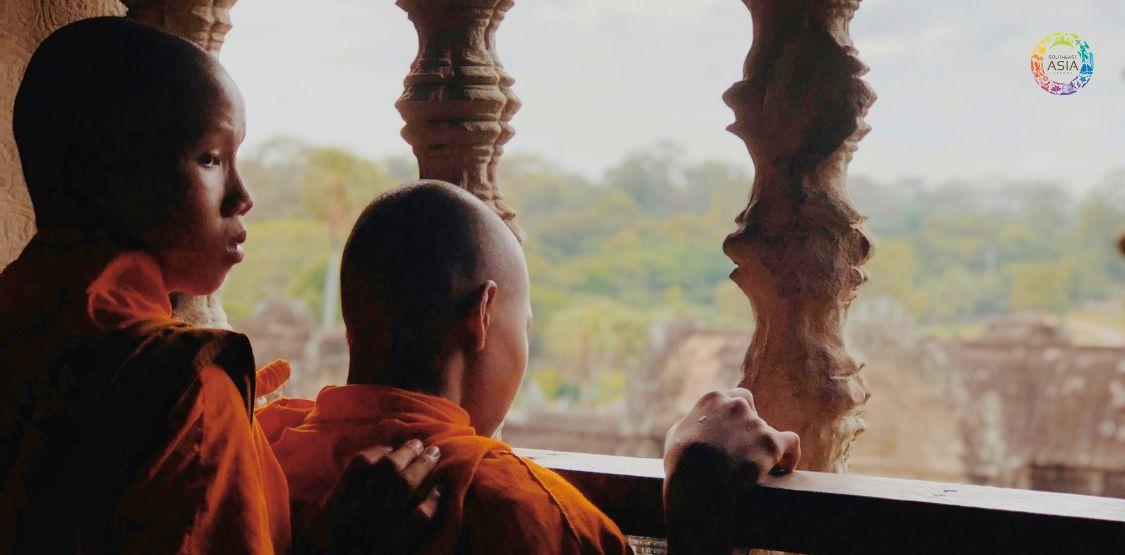
The combo of Vietnam and Cambodia just hits different since it has got this natural flow that keeps things fresh without wearing you out. You kick off in Vietnam's north with all that exploring: buzzing cities, epic bays, lantern streets. Things ease up as you head south, then Cambodia brings the deep, thoughtful vibes with its temples and history.
It dodges the usual traps, like cramming in too many spots or looping the same old scenery. If you're after a trip that feels whole and chill, not frantic or half-baked, this setup is your jam.
Quick Picks for First-Time Travelers
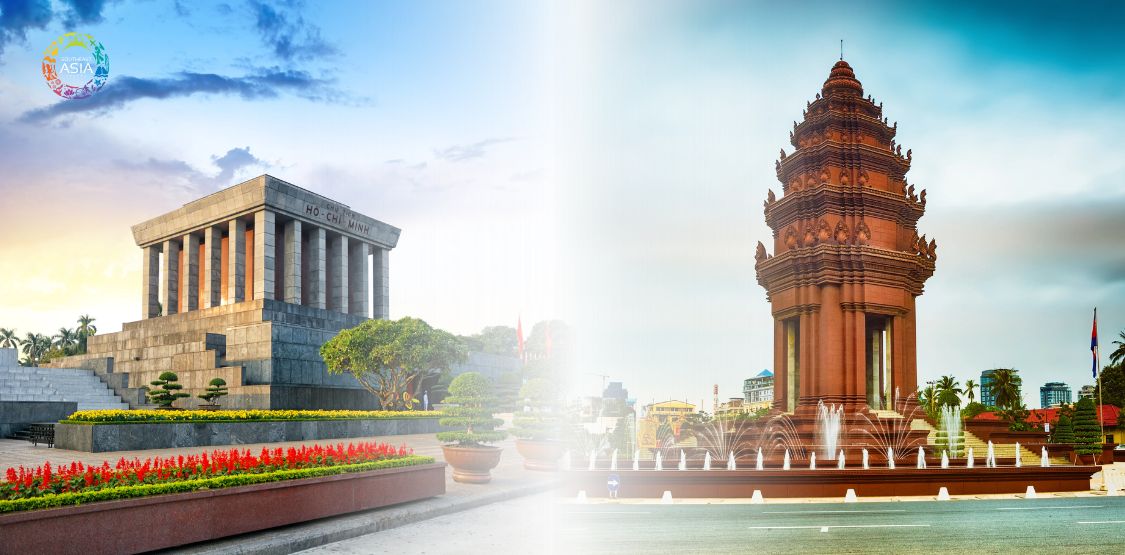
Duration: The Key Constraint
How many days do you need for a Vietnam and Cambodia tour?
For those venturing here for the first time, a two-week window is the sweet spot, which lets you see the highlights in both nations without feeling like you're sprinting.
Less than ten days might sound pushing and travelers can be cramped in both places. But eighteen days or more can give you time to truly unwind and dig deeper.
If you're still on the fence, a 15-16 day itinerary is often the best bet to begin with.
Route Design and Flow
The best itineraries usually follow one of two classic paths:
Vietnam from north to south, then Cambodia (Hanoi → Halong → Hoi An → HCMC/Mekong → Siem Reap): This route builds momentum, starting in the cooler highlands and ending in the tropical heat, culminating in the quiet majesty of Angkor.
Cambodia first, then Vietnam (the reverse order): This approach begins with reflection and then moves to vibrant energy, perfect if temples are your primary focus.
Experience Balance
A well-planned trip to Vietnam and Cambodia isn’t about ticking boxes; it’s about mixing different kinds of experiences so nothing feels repetitive.
- City Life: Spend time in Hanoi’s Old Quarter, where narrow streets are packed with street food stalls and tucked-away cafés. In Ho Chi Minh City, the pace shifts - think rooftop bars, busy boulevards, and reminders of history in places like the War Remnants Museum.
- Nature & Landscapes: Cruise through Halong Bay’s limestone islands, or kayak into quieter corners away from the main routes. In the Mekong Delta, wake up early for floating markets, then cycle through villages and fruit orchards.
- Culture & History: Walk through the temples of Angkor, especially Ta Prohm where tree roots wind through the ruins. In Vietnam, explore Hoi An’s old town and visit Hue’s Imperial Citadel to understand the country’s royal past.
Best Vietnam Cambodia Tours to Consider
Below are the most practical tour structures for first-time visitors, based on how travelers typically plan their time and priorities.
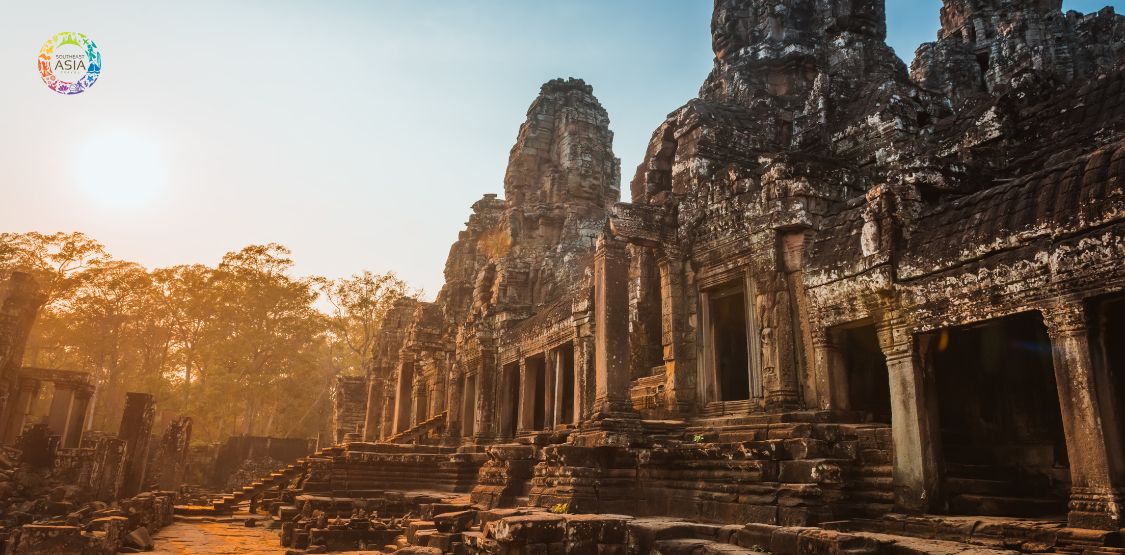
Best Overall: 16-Day Voyage Across the Legacy of Vietnam & Cambodia
Who This Itinerary Is Best For
This route is particularly effective for travelers who want clarity and structure without sacrificing variety:
- First-time visitors with 2+ weeks
- Travelers seeking a comprehensive introduction to Southeast Asia
- Those who prefer a guided, well-paced journey
Why the Pacing Works So Well
This route is impossible to ignore because it avoids two common problems: trying to see too much, too quickly, and repeating the same kind of experience in different places.
Each stop along the way has a clear role. Hanoi introduces you to Vietnam’s rhythm, Halong Bay slows things down, and Hoi An offers a more relaxed, cultural pause. When you reach Cambodia, Angkor feels like a natural high point rather than just another temple visit.
Travel days are also spaced out thoughtfully. You’re not constantly packing and moving, which makes a big difference in how the trip feels. There’s enough time in each place to settle in, explore at your own pace, and actually enjoy where you are.
Most importantly, the experience keeps evolving. Travelers move from busy cities to quiet landscapes, from street life to historical sites. That sense of progression keeps the journey engaging, so it never feels repetitive or tiring.
What You Actually Experience Along the Way
You begin in Hanoi, a city where centuries-old traditions coexist with modern urban life. From there, the journey transitions into the calm, almost surreal landscape of Halong Bay, where thousands of limestone islands rise from emerald waters, often experienced best through an overnight cruise.
According to the tour design, travelers then move south through Vietnam, stopping in culturally rich destinations like Hoi An before continuing to Ho Chi Minh City and the Mekong Delta. This progression is intentional: it allows you to experience Vietnam not as isolated stops, but as a gradual shift in geography, culture, and pace.
By the time you reach southern Vietnam, the energy changes. Cities become faster, rivers wider, and daily life more intertwined with water, especially in the Mekong Delta, where floating markets and riverside communities offer a different perspective on local life.
The final transition into Cambodia (typically via a short flight to Siem Reap) feels like a natural shift rather than a disruption. Here, the journey slows again, culminating in the temples of Angkor, where history becomes the central focus.
Let’s get more details about this 16-day route of Legacy of Vietnam & Cambodia to experience both countries in a meaningful and well-structured way.
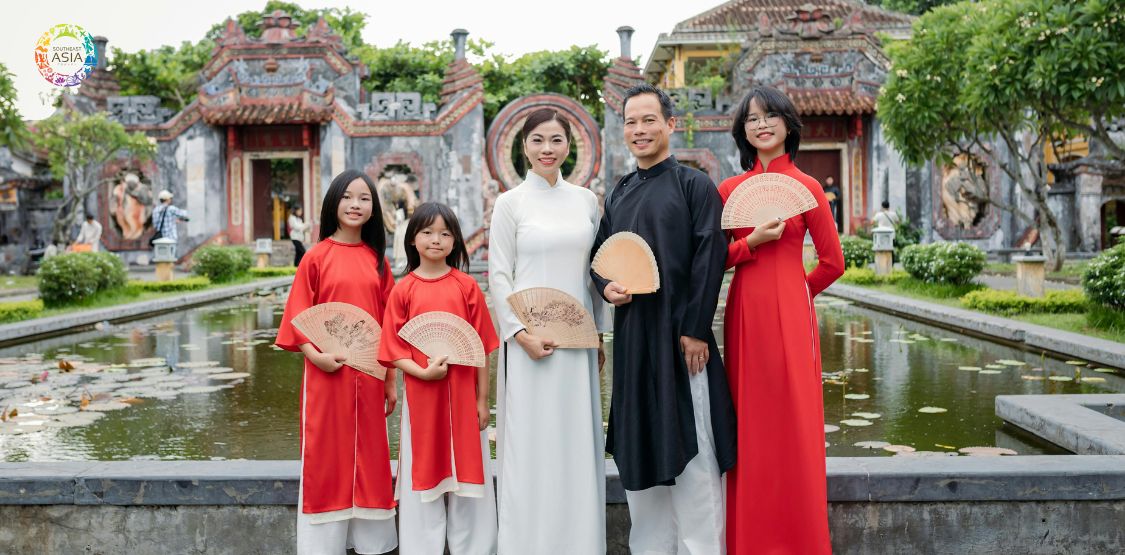
Best for Families: 12-Day Vietnam & Cambodia Family Adventure
Who This Itinerary Is Best For
This itinerary is structured to balance cultural discovery with hands-on, engaging activities, making it particularly effective for families traveling with children.
Why This Itinerary Works for Families
- Variety Without Overload: Multiple destinations, but each serves a clear purpose. No single segment feels repetitive
- Interactive Experiences: There are full of joyful activities (cooking classes, cycling, boat rides) with wildlife encounters and local workshops
- Thoughtful Pacing: Alternating between high-energy and relaxed segments, together with built-in moments for rest and flexibility.
What Your Family Would Love About This Trip
Family travel is not just about where you go, but how each experience keeps everyone engaged. This 12-day Vietnam and Cambodia itinerary is designed to balance cultural highlights with interactive, kid-friendly activities, making the journey both enjoyable and manageable.
The trip begins in Hanoi, where lively streets, local markets, and casual street food create an easy and engaging introduction for children. From there, Halong Bay offers a shift in pace, with activities like kayaking, swimming, and simple cooking sessions onboard, turning sightseeing into hands-on fun.
In Hoi An, the atmosphere becomes more relaxed. Families can cycle through the countryside, join cooking classes, and enjoy basket boat rides, all of which encourage active participation rather than passive touring.
Ho Chi Minh City introduces a more dynamic environment, while the Mekong Delta offers a contrasting, slower experience. Boat trips and visits to local workshops give children a direct look at daily life, making the experience more tangible and memorable.
The journey ends in Siem Reap, where exploring Angkor Wat is balanced with lighter, family-friendly experiences such as visiting Kulen Elephant Forest. The cultural aspects are accessible without overwhelming younger travelers.
However, if you want to tailor this Unforgettable Vietnam and Cambodia Family Adventure 12 Days according to your preferences, do not hesitate to talk to Southeast Asia's experts now.
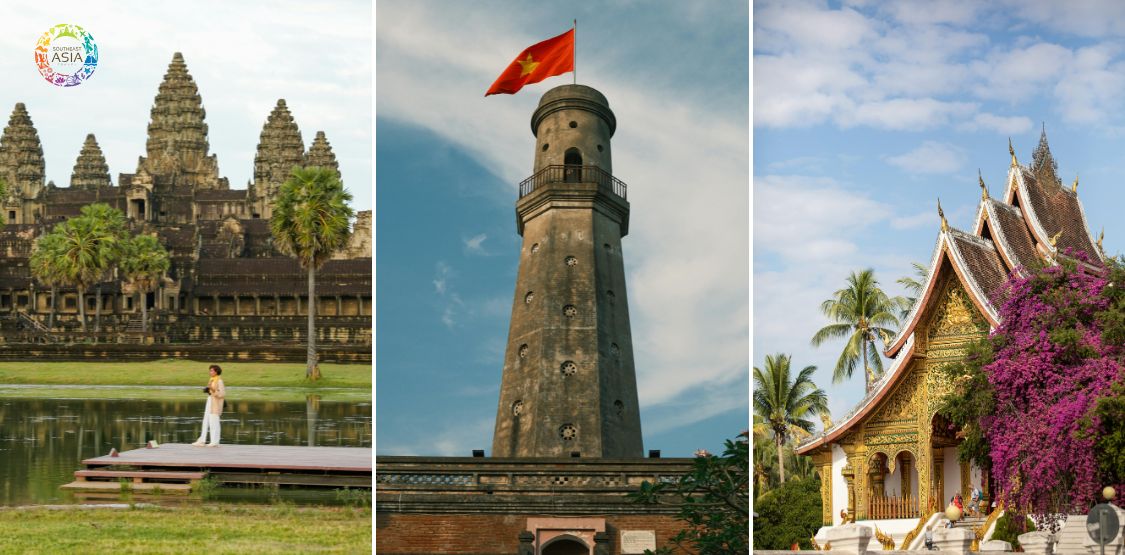
Best for Multi-Country Travel: 22-Day Indochina Tours (Vietnam - Cambodia - Laos)
Who This Type of Tour Is Best For
- Travelers with 3+ weeks available
- Those returning to Southeast Asia or seeking deeper exploration
- Visitors who value cultural nuance over checklist-style travel
What Laos Adds to the Experience
For travelers who are not just visiting Southeast Asia but trying to understand it more holistically, extending your itinerary to include Laos changes the nature of the trip quite significantly.
If Vietnam brings diversity and Cambodia provides historical depth, Laos introduces something else entirely: stillness and spiritual atmosphere. The journey becomes less about movement and more about reflection, highlighting Laos’s cultural and natural appeal through temples, waterfalls, and rural landscapes.
Instead of a two-country journey that balances variety and depth, this becomes a three-country narrative, one that moves across different rhythms, landscapes, and cultural identities.
A More Layered Route To Explore
Compared to a standard 16-day Vietnam and Cambodia itinerary, this extended version introduces not only additional destinations but also a broader range of experiences. The journey becomes less about covering highlights and more about building depth, both culturally and geographically.
The itinerary typically begins in Siem Reap, where you explore the Angkor temple complex. Visits to iconic sites such as Angkor Wat and Angkor Thom establish a strong historical foundation early in the journey. This segment provides essential context, allowing you to understand the region’s cultural significance before moving on to more varied experiences.
The Vietnam portion remains a central part of the itinerary, but with more time allocated to each destination, the experience feels more complete.
You will explore Hanoi and the surrounding cultural landmarks before continuing to Halong Bay for a cruise through its distinctive limestone landscapes. In central Vietnam, destinations such as Hue and Hoi An add historical and cultural depth, and Hue offers insight into imperial heritage and UNESCO-listed sites.
Further south, Ho Chi Minh City introduces a more dynamic urban environment, while the Mekong Delta provides a contrasting look at rural life shaped by the river. With the extended timeframe, these destinations are not just visited; they are experienced at a more comfortable and immersive pace.
What distinguishes this itinerary from more typical routes is the inclusion of Laos, which adds a quieter and more reflective dimension to the journey.
In Luang Prabang, you encounter a blend of temples, traditional markets, and daily cultural rituals that offer a slower and more contemplative atmosphere. Natural highlights such as Kuang Si Waterfalls provide opportunities to engage with the landscape in a more relaxed setting.
Further south, regions like Pakse and the Bolaven Plateau introduce rural life, coffee plantations, and a series of waterfalls that feel far removed from the more frequented tourist routes. Along the way, sections of the Mekong River connect these destinations, reinforcing a sense of continuity across countries.
Check out this more immersive regional exploration: 22-Day Enchanting Trail through Vietnam, Laos and Cambodia
How to Choose the Right Vietnam Cambodia Tour for You
Choosing the “best” Vietnam Cambodia tour is rarely about picking the most popular itinerary. It’s about selecting the one that aligns with how you prefer to travel, what you value most, and how much flexibility you need. The structure below will help you filter options quickly and make a confident decision.
Step 1 - Define Your Travel Style
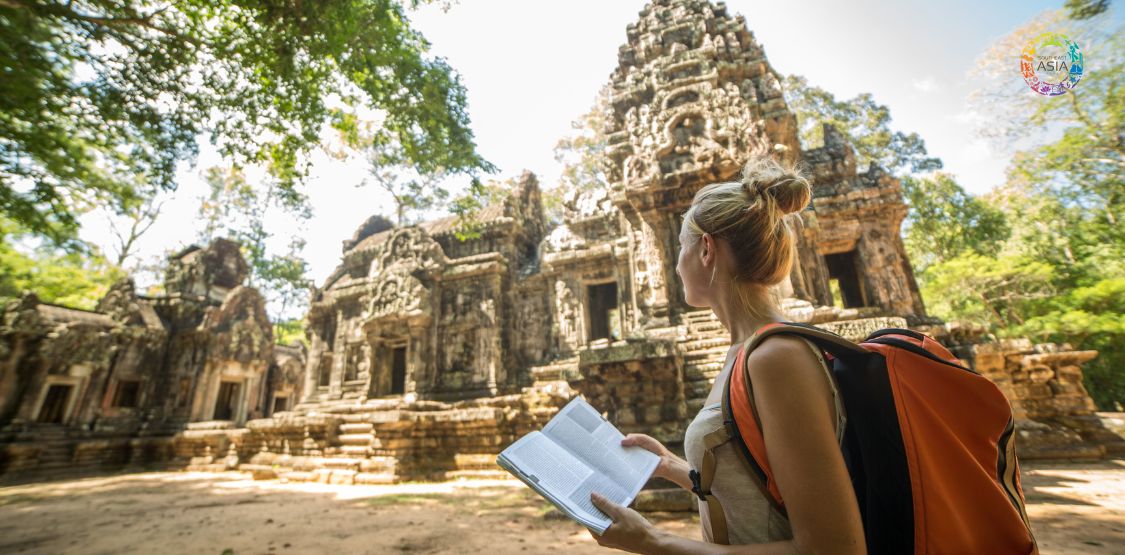
Before looking at specific itineraries, you should first clarify your preferred pace and travel rhythm. This is one of the most overlooked factors, yet it directly impacts your experience.
Ask yourself:
- Do you prefer to see as much as possible, even if it means moving frequently?
- Or do you value slower travel, with more time in each destination?
Most Vietnam and Cambodia tours fall into two clear styles:
1. Fast-paced itineraries that cover more destinations in a shorter time, often include early starts and frequent transfers and are ideal if you have limited days. This works well if your goal is to see the highlights and maximize coverage.
2. Slower, more relaxed journeys with fewer stops, but more time in each destination, giving apace to explore, rest, and enjoy the experience, and offer less physically demanding. This is a better fit if you want a trip that feels immersive rather than rushed.
Key takeaway: There is no “better” option. There is only what fits your energy level and expectations.
Step 2 - Set a Realistic Budget

Once your travel style is clear, the next step is to define what level of comfort and service you’re willing to invest in.
Vietnam and Cambodia can be surprisingly flexible in terms of budget, but the price difference usually comes down to a few key factors: (1) Hotel quality, (2) Group vs. private travel, (3) Level of service with guides, transfers, and included experiences.
Instead of asking “What’s the cheapest option?”, a better question is: “What kind of experience do I want, and what am I willing to pay for it?” Here’s how the options typically break down.
Budget tours
- Larger groups, fixed itineraries
- Standard hotels and shared services
- Lower cost, but limited flexibility
Mid-range to premium tours
- Smaller groups or private setups
- Better hotels, more thoughtfully designed experiences
- A good balance between comfort and cost
Luxury tours
- Fully private and customized
- High-end hotels, seamless logistics
- Minimal effort on your side and everything is taken care of
Key takeaway: A slightly higher budget often makes a noticeable difference, not just in comfort, but in how smooth and enjoyable the entire journey feels.
Step 3 - Decide What Matters Most
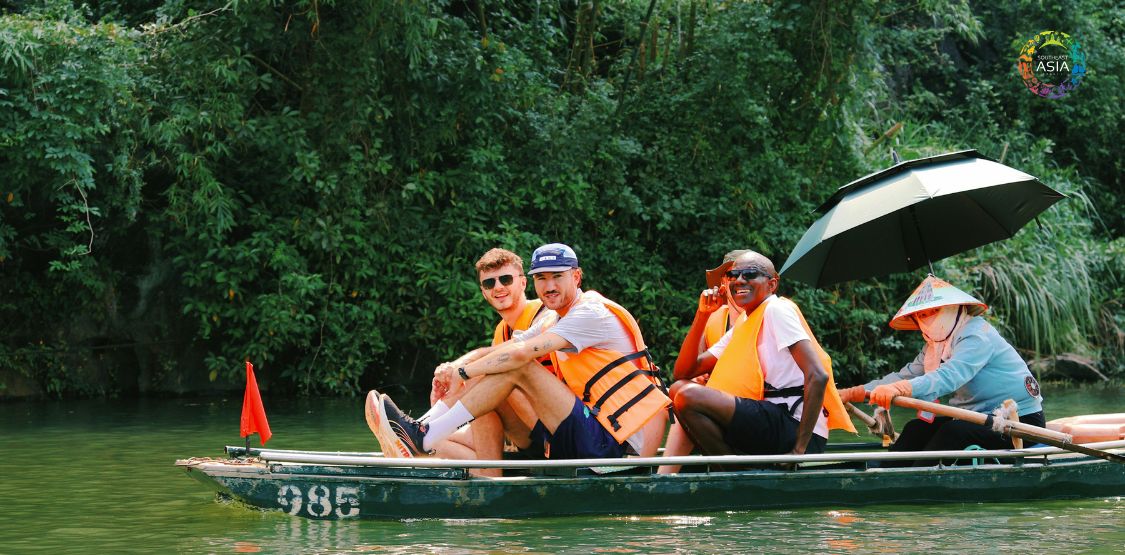
At this point, it’s time to get clear on your priorities. No itinerary can do everything equally well. The best trips are the ones that lean into what you care about most.
Think about what you want to remember most after the trip:
- Culture & history → ancient temples, local traditions, heritage sites
- Nature & scenery → landscapes, cruises, outdoor experiences
- Comfort & ease → slower pace, better hotels, less logistical stress
For example:
- If you’re drawn to history and culture, you’ll want more time in places like Angkor and Hanoi
- If nature is your priority, look for itineraries that highlight Halong Bay or the Mekong Delta
- If you value comfort, a private and slower-paced tour will make a big difference
Key takeaway: This step helps you avoid a common mistake: choosing a “well-rounded” tour that doesn’t fully deliver on what you actually care about.
FAQs
1. Is it safe to travel to Vietnam and Cambodia?
Both Vietnam and Cambodia are generally considered safe destinations for tourists. They boast low rates of violent crime, making them welcoming for travelers. The most common issues you'll encounter are petty theft or scams in busy tourist areas, but basic precautions (like keeping your valuables secure and staying alert) prove sufficient for most visitors.
2. When is the best time to visit Vietnam and Cambodia?
The best overall period is November to April, when the weather is generally dry and more comfortable.
- North Vietnam: cooler winters (from December to February)
- South Vietnam & Cambodia: warm year-round, dry season preferred
- Shoulder months (from March to April, from October to November) often offer the best balance of weather and crowds.
→ Read More: Vietnam and Cambodia Travel - When & Where?
3. How much does a Vietnam Cambodia tour cost?
Costs vary depending on duration and travel style:
- Mid-range tours (14-16 days): $2,000 to $4,000 per person
- Luxury tours: $4,000+
- Budget travel: lower, but less structured
Internal flights, accommodation level, and private vs group tours significantly affect pricing.
4. Do you need a visa for Vietnam and Cambodia?
Most travelers require visas for both Vietnam and Cambodia. Vietnam offers a convenient e-visa option for many nationalities, making the process straightforward online. Cambodia provides visas on arrival at airports and borders or through an e-visa system. Requirements can vary significantly by nationality, so it's essential to check official sources well in advance of your trip.
5. Should you book a guided tour or travel independently?
It depends on your travel style and comfort level.
Guided tours handle all the logistics, save you time with efficient itineraries, and provide a structured experience complete with expert insights. Independent travel offers greater flexibility to linger where you like, but it demands more upfront planning for transport, accommodations, and activities.
For first-time visitors to Vietnam and Cambodia, guided tours often deliver a smoother, less stressful introduction to the region.
6. What is the best way to travel between Vietnam and Cambodia?
The most efficient option for traveling between Vietnam and Cambodia is taking short regional flights. These flights typically last 1 to 2 hours and connect major hubs like Hanoi or Ho Chi Minh City to Siem Reap with ease.
While overland bus journeys or scenic Mekong River routes are possible, they take considerably longer (often 8 hours or more) and can feel more taxing.
For first-time itineraries, flights usually prove the best choice, minimizing travel fatigue and maximizing your time for exploration.
7. What should you pack for a Vietnam Cambodia tour?
- Pack with a warm, tropical climate in mind, as temperatures often hover in the 80s°F (27-32°C) with high humidity across both countries.
- Opt for lightweight, breathable clothing like quick-dry shirts, shorts, and convertible pants that you can layer for cooler evenings.
- Don't forget comfortable walking shoes or sandals for temple treks and city streets, along with sun protection essentials (hat, sunglasses, high-SPF sunscreen, and a lightweight rain jacket for sudden showers.)
- For cultural sites like Angkor Wat or Hoi An's shrines, include modest clothing such as long pants or a scarf to cover shoulders and knees.
- Weather varies by region, so layering proves useful, especially in northern Vietnam where Hanoi nights can dip cooler; a fleece or light sweater handles that nicely.
- Keep your bag versatile and under 15kg for easy buses and flights. Also, laundry services are cheap and everywhere.
8. Can I customize Vietnam Cambodia tours?
Yes, most reputable tour operators allow customization to fit your unique preferences and schedule. You can adjust the overall duration, whether shortening it for a quick highlights trip or extending it for deeper exploration. It's also straightforward to swap in or out destinations, like adding a beach escape in Phu Quoc or skipping busier spots for quieter gems.
Accommodation upgrades, from cozy guesthouses to luxury riverside resorts, are commonly available too. This flexibility shines brightest if you're craving a slower pace with extra downtime, or tailoring for specific passions like foodie detours, cycling adventures, or family-friendly tweaks.
Start Planning Your Trip
If Vietnam-Cambodia tours are calling your name, kick things off with one of our battle-tested routes, each lovingly designed for seamless flow and maximum wow.
At Southeast Asia Travel, you can explore a range of curated itineraries, from classic highlights to more in-depth journeys, each built to balance experience, comfort, and efficiency. Whether you prefer a structured plan or a customized route, these tours provide a practical starting point that you can refine based on your preferences.
Explore available Vietnam Cambodia tours and find an itinerary that fits your timeline, travel style, and expectations now!