




If you’re staring at a map of Southeast Asia and trying to figure out how to squeeze two incredibly dense, soul-stirring countries, Vietnam and Cambodia, into a single request, you’re not alone. It’s the most common puzzle travelers face.
The "right" answer isn't about how many pins you can stick in a map; it's about avoiding that mid-trip burnout where every temple starts looking the same because you’re too tired to care. Having planned and survived these routes many times, here is the reality of how much time you actually need.

Recommended Trip Length for a Vietnam Cambodia Tour
- 7-9 Days: The "Greatest Hits" sprint. It’s doable, but you’ll be living out of your suitcase and relying heavily on domestic flights.
- 10-14 Days: The Sweet Spot. You can see the north and south of Vietnam and still have "breathing room" in Cambodia.
- 15+ Days: The Deep Dive. This is for the slow-travelers who want to find a favorite coffee shop in three different cities.
7-9 Days: A Fast-Paced Highlights Tour
If you only have one week to explore both Vietnam and Cambodia, you’re stepping into what travel experts often call a “highlight sprint”, a carefully curated journey that prioritizes iconic experiences over depth.
What You Can Cover
A typical 7-9 day itinerary is built around efficiency and impact. Instead of trying to cover everything, it focuses on:
- One major region in Vietnam (usually the North or the South)
- One key destination in Cambodia (almost always Angkor Wat)
A common route might look like:
- Days 1-2: Hanoi → cultural introduction, Old Quarter, street food
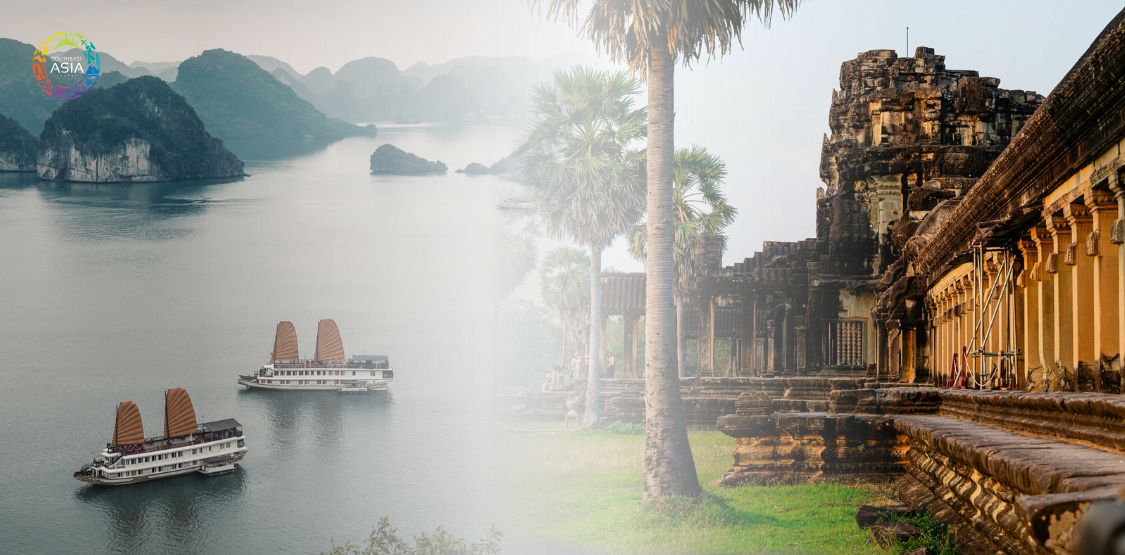
- Days 3-4: Halong Bay → overnight cruise among limestone karsts
- Days 5-7: Siem Reap → Angkor Wat, Angkor Thom, Ta Prohm
This structure isn’t random; it is based on real-world travel logistics to maximize what you see while minimizing time lost in transit.
- Hanoi → Halong Bay: ~2.5-3 hours by road
- Vietnam → Siem Reap: ~1-1.5 hour flight
What to Expect
Even within a short timeframe, this itinerary delivers a surprisingly rich mix:
- Cultural immersion: Wander through Hanoi’s Old Quarter. Explore ancient temples in Angkor
- Natural wonder: Cruise through the UNESCO-listed Halong Bay
- Iconic moments: Sunrise over Angkor Wat, Sunset on a limestone karst deck
These are not just “places” but are bucket-list experiences that define Southeast Asia. In fact, most 7-day itineraries are intentionally designed to include the core landmarks, fast transfers, and iconic sights only.
Expert Insight: Who This Trip Is Perfect For
Despite the pace, this itinerary works beautifully for the right traveler:
- Have limited vacation time (7-10 days max)
- Want to see the absolute highlights
- Don’t mind a structured, efficient schedule
10-14 Days: The Ideal Balance for a Vietnam Cambodia Tour
If there’s one timeframe that consistently stands out (across travel experts, tour operators, and real traveler experiences), this 10-to-14-day duration is widely considered the “sweet spot” for a Vietnam and Cambodia tour.
Not too rushed. Not too slow. Just enough time to experience both countries meaningfully, without turning your trip into a logistical marathon.
What You Can Cover
With this timeframe, your itinerary opens up significantly. Instead of choosing between regions, combining diversity with depth is absolutely possible.
In Vietnam, you are free to explore two or three key regions, such as:
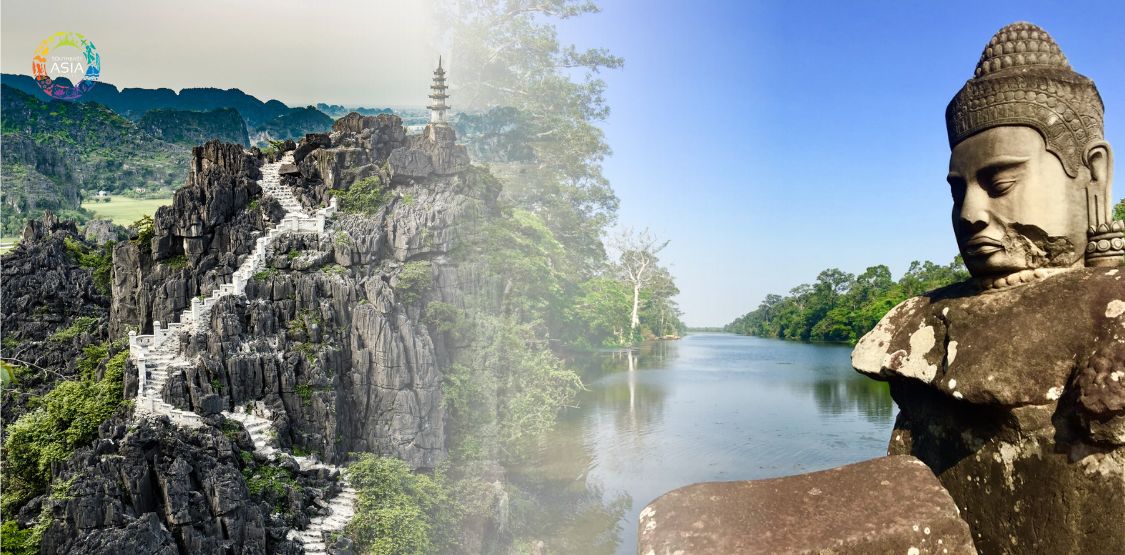
- North → Hanoi, Halong Bay, maybe Ninh Binh
- Central → Hoi An, Da Nang, Hue
- South → Ho Chi Minh City, Mekong Delta
In Cambodia, your journey can comfortably include:
- Siem Reap (Angkor Wat) → the highlight
- Phnom Penh (optional) → culture, history, local life
This creates a well-rounded Southeast Asia experience that still offers every traveler essential time to relax.
Why This Itinerary Is Perfect
- Travel Without Constant Pressure
Unlike shorter trips, where every day feels tightly scheduled, a two-week itinerary allows you to move at a much more comfortable pace. You no longer need to rush from one destination to the next or squeeze multiple highlights into a single day.
Instead, you can stay two to three nights in each place, giving you enough time to settle in, understand the rhythm of the destination, and explore without constantly watching the clock.
The result is a journey that feels smooth and enjoyable, rather than rushed and exhausting.
- Experience, Not Just “Check In”
With more time, your travel style naturally shifts. Instead of simply visiting landmarks and taking photos, you begin to engage more deeply with each destination.
You might find yourself joining a cooking class in Hoi An, cycling through the peaceful rice fields of Ninh Binh, or watching the sunrise over Angkor Wat without the pressure of an early flight waiting afterward.
These moments go beyond sightseeing. They create meaningful, hands-on experiences that help you connect with the culture more authentically.
- Maximize the Value of a Long-Haul Trip
If you’re traveling from far away, such as Europe, the United States, or Australia, the journey to Southeast Asia is a significant investment of time and energy.
A 10-14-day trip ensures that this effort is worthwhile. Instead of spending a large portion of your trip adjusting to jet lag, you have enough time to immerse yourself in the experience fully.
Do not miss the opportunity to explore multiple regions, appreciate the cultural contrasts between Vietnam and Cambodia, and return home feeling that you’ve truly made the most of your journey.
Expert Insight: Who This Trip Is Perfect For
- First-time travelers wanting a comprehensive overview
- Couples or small groups seeking a well-paced itinerary
- Travelers who want cultural depth without overextending
15-21 Days: A More Immersive Experience of Vietnam and Cambodia
If 10-14 days helps you see Vietnam and Cambodia, then 15-21 days is when you truly start to feel them. This is the pace where your journey shifts from a well-paced itinerary into something far more meaningful - slower, richer, and deeply connected to local life.
What You Can Cover
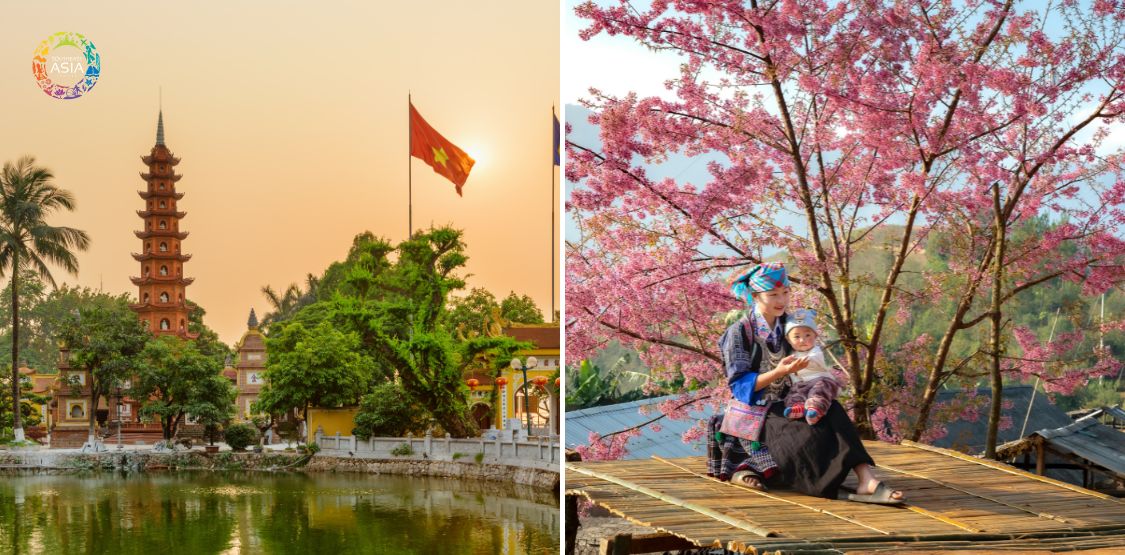
A 15-21 day tour offers the chance to comfortably travel the entire length of Vietnam without cutting corners. A typical route might include Hanoi, Sapa, Halong Bay, Hue, Hoi An, Ho Chi Minh City, Mekong Delta, etc.
A north-to-south journey often works well for longer trips, as it gives a clearer sense of how Vietnam changes from region to region, from the mountains in the north to the coastline and river life in the south.
With more time, the pace becomes easier to manage. A few extra nights in places like Hoi An or Sapa make a noticeable difference, especially when adding activities such as short treks, local workshops, or a homestay. Plans can also stay flexible, leaving room to slow down in destinations that feel worth it.
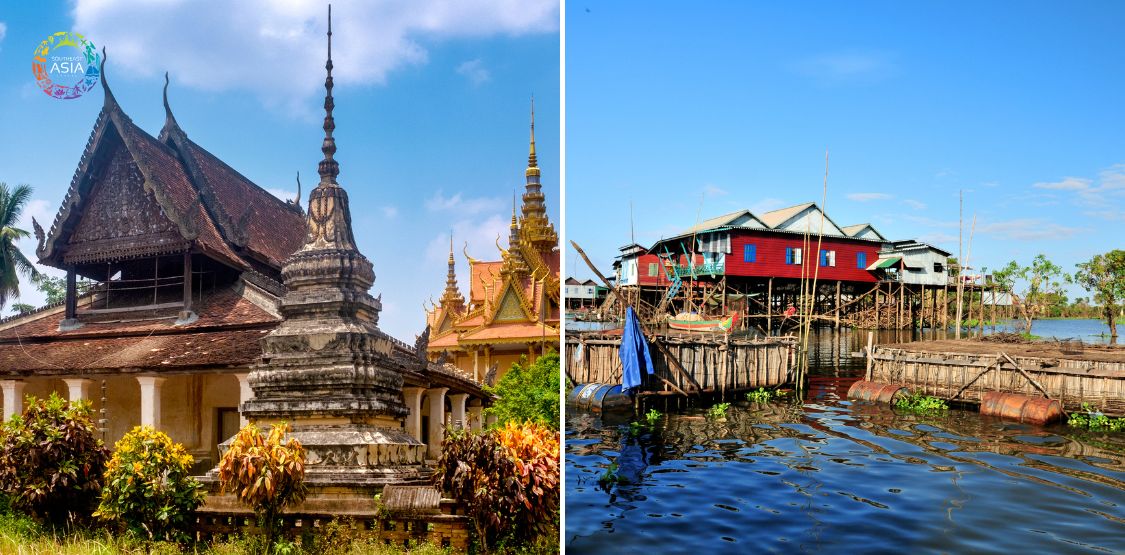
Meanwhile, Cambodia is often treated as a quick stop: fly into Siem Reap, visit Angkor Wat, then move on. It works if time is tight, but it only shows one side of the country. But with a bit more time, the experience opens up in a noticeable way.
Phnom Penh, for example, adds important context. Beyond the main sites, it’s a city where history and everyday life sit side by side. Further west, Battambang feels quieter; the town itself is low-key, but the surrounding countryside is where it stands out.
Since Cambodia’s Tourism Insights Study in 2024 had recommended Phnom Penh and secondary destinations as potential destinations to visit with deeper history, culture, and daily life, these stops don’t just add more places to the map; they change how you explore the whole trip.
Why This Itinerary Is Tempting
- Go Beyond the Surface: Having more time means experiencing everything more deeply.
Instead of just stopping by a destination, you can spend a few days in the mountains of northern Vietnam, join a hands-on cooking class, or visit small craft villages where traditions are still part of daily life. In Cambodia, guided visits help travelers understand not just what is visually seen, but the stories behind it.
- Make Room for Lesser-Known Places: There is no limit to just the highlights within 2-3 weeks.
It is perfect to include places like Battambang, known for its laid-back creative scene, or to spend time in quieter parts of the Mekong Delta where daily life unfolds at a slower pace. Some travelers also add a few days on Cambodia’s islands for a complete change of scenery. Interestingly, these “in-between” stops are often the ones people remember most.
- Travel at a More Natural Pace: A longer trip changes how the journey feels.
You’re not rushing from one place to another or trying to fit everything into a tight schedule. There’s time to slow down, notice small details, and experience each destination more fully.
You might start to pick up on the differences between regions, or simply enjoy having an unplanned afternoon without feeling like you’re missing out. That balance is what makes longer trips feel more rewarding, rather than more tiring.
Expert Insight: Who This Trip Is Perfect For
A 2-3 week journey is ideal if you:
- Prefer slow travel over fast sightseeing
- Are curious about culture, history, and local lifestyles
- Want to go beyond the typical tourist route
Ideal Itinerary: 14-Day Journey Through Vietnam and Cambodia
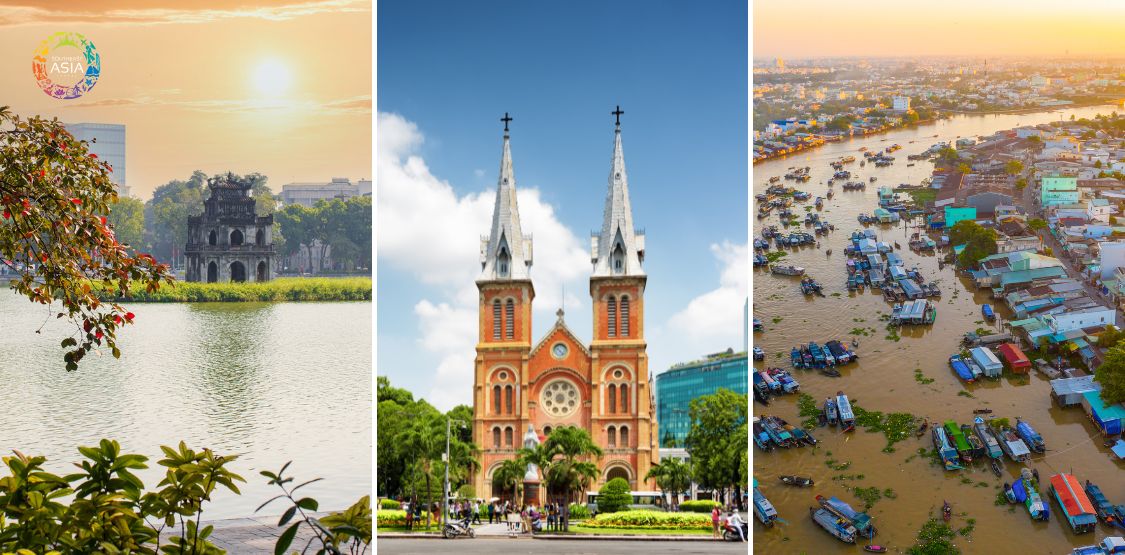
- Route: Hanoi → Ninh Binh → Halong Bay → Ho Chi Minh City → Mekong Delta → Siem Reap
- Logical geography: North Vietnam → South Vietnam → Cambodia
- Balanced pacing: Alternating between cities, nature, and cultural sites
- Experience layering: From iconic landmarks to local immersion
- Efficient logistics: Minimizes unnecessary travel fatigue
This well-crafted trip typically spans six key destinations across Vietnam and Cambodia, blending vibrant cities, natural wonders, and cultural landmarks into one seamless journey.
Days 1-3: Hanoi & Ninh Binh
Hanoi is a strong starting point: busy, layered, and full of small details that take a bit of time to appreciate. Street food, old neighborhoods, and historical sites all sit close together.
A short trip to Ninh Binh offers a contrast. Boat rides through limestone formations and rice fields feel a world away from the city, especially in the early morning when things are quieter.
Days 4-5: Halong Bay
An overnight cruise in Halong Bay gives you time to experience it properly, rather than rushing in and out. You can enjoy kayaking, short hikes, or visiting caves. Evenings and early mornings tend to be the most memorable, when the bay is calmer and less crowded.
Days 6-8: Ho Chi Minh City & Cu Chi Tunnels
Flying south, the atmosphere shifts quickly. Ho Chi Minh City feels more fast-paced, with a mix of modern buildings, colonial architecture, and constant traffic.
A visit to the Cu Chi Tunnels adds context to the country’s recent history. It’s not a long excursion, but it tends to leave a strong impression.
Days 9-10: Mekong Delta
The Mekong Delta offers a slower rhythm. Time here is often spent on the water or cycling through small villages, with stops at local homes or orchards along the way.
Staying overnight, if possible, makes a difference. The area feels very different once the day-trippers leave.
Days 11-14: Siem Reap & Angkor
The final stretch is in Siem Reap, home to the Angkor temple complex. The main sites (Angkor Wat, Angkor Thom, Ta Prohm) are well known, but spacing them out over a few days helps avoid fatigue. If time allows, places like Banteay Srei or Phnom Kulen add variety and tend to be less crowded.
→ Explore More: Vietnam Cambodia Tour Package
How to Choose the Right Duration
Destination Priorities
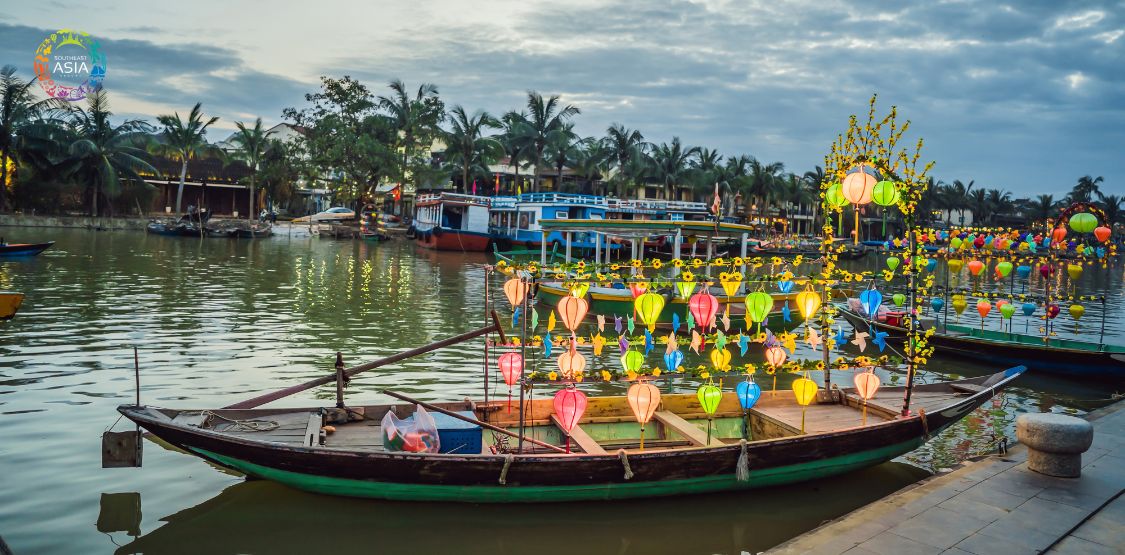
Not every destination needs the same amount of time, and this is where a lot of itineraries fall short.
If Angkor Wat is high on your list, it’s worth setting aside at least two to three full days in Siem Reap. The temple complex is much larger than most people expect, and trying to fit it into a single day usually feels rushed. Spreading it out gives you time to explore different areas, visit at quieter hours, and understand more of the history behind what you’re seeing.
On the other hand, if Vietnam is your main focus, it helps to think of it as a series of regions rather than one destination. The north, central coast, and south all feel quite different. Trying to squeeze everything into a few days often turns the trip into a checklist, without much sense of connection between places.
A simple way to approach it:
- If Vietnam is the priority, spend most of your time there and keep Cambodia shorter.
- If Angkor is the highlight, allow more time in Siem Reap and be selective about how many places you visit in Vietnam.
→ Explore More: Fascinating Experiences Await in Siem Reap Beyond Angkor Wat
Think About The Travel Time (Not Just Distance)
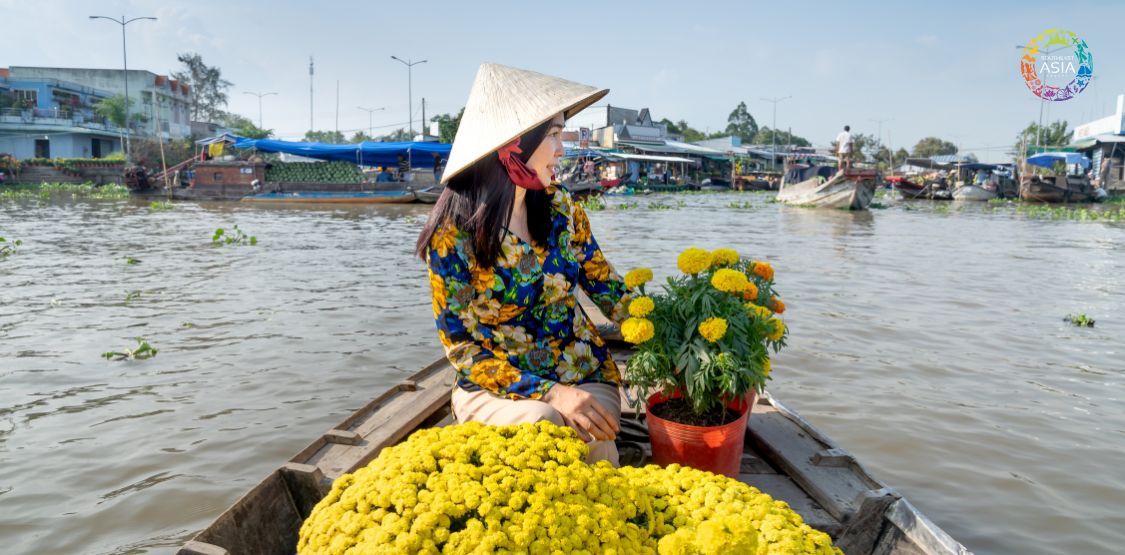
On a map, Southeast Asia can look easy to navigate. In reality, getting from one place to another takes more time than expected.
Flights between cities like Hanoi, Da Nang, Ho Chi Minh City, and Siem Reap are relatively short. Still, once you factor in airport transfers, check-in, and waiting time, it often takes up a good part of the day.
Overland routes, by bus or boat, can be interesting, but they’re slower and less predictable, especially when crossing borders. What looks like a short distance can easily turn into a full day of travel.
This is why the overall route matters. A north-to-south journey through Vietnam before heading into Cambodia usually feels more efficient and avoids unnecessary backtracking.
Key Takeaway: A small adjustment in routing can free up an extra day or two-time that’s often better spent actually enjoying a destination.
Consider the Time of Year
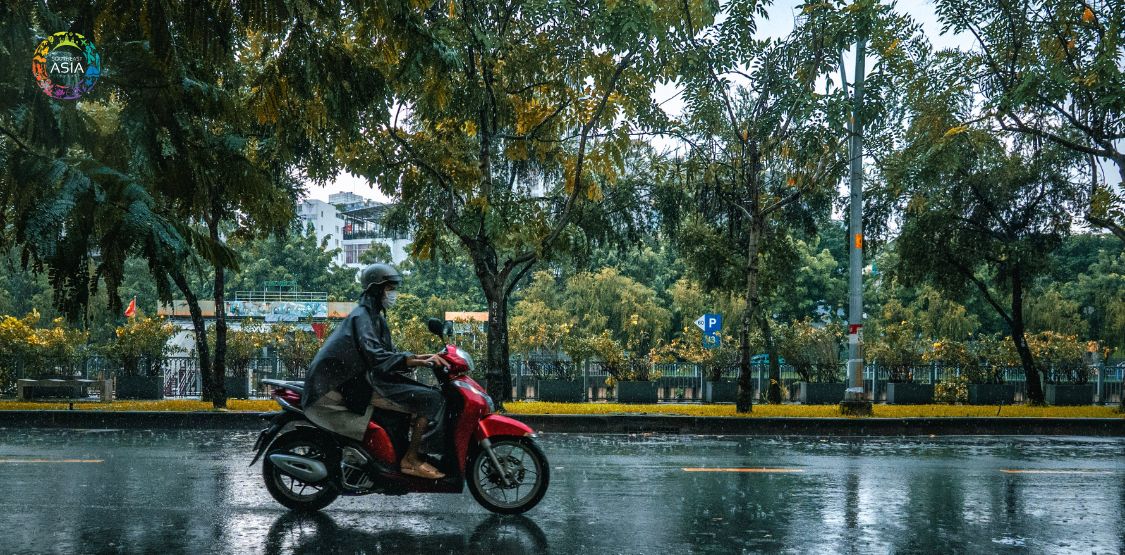
Weather plays a bigger role than many travelers expect, especially in Vietnam.
Because the country stretches over a long distance, the north, central region, and south can have completely different conditions at the same time. It’s not unusual to have cool, dry weather in the north while central Vietnam is dealing with heavy rain.
Southern Vietnam stays warm throughout the year, but shifts between dry and wet seasons. Cambodia is a bit more predictable, with a clear dry season and a rainy season. Here are some notes you should know:
- Traveling during the drier months (roughly November to February) usually makes it easier to move around and stick to your plan
- During rainy or transitional periods, it’s worth allowing a bit more flexibility in your schedule
Key Takeaway: The “right” trip length can change depending on these factors. Good weather often means you can move more efficiently, while less predictable conditions may require a slower pace.
Planning Your Trip
At the end of the day, the ideal trip length isn’t just a number; it’s the foundation for the kind of experience you want to have. Whether you have 10 days or 3 weeks, the real goal of a Vietnam and Cambodia tour is to make every moment count without feeling overwhelmed.
That’s where thoughtful planning makes all the difference, turning a good trip into a truly memorable one.
With thoughtful planning, even a complex multi-country trip can feel surprisingly effortless. Let Southeast Asia Travel transform your timeframe into a journey filled with meaningful moments. Tell us how you want to travel, and we’ll shape a journey that reflects it perfectly.