
Best Tours

ONLY FROM $7590/person

Enquire Tour
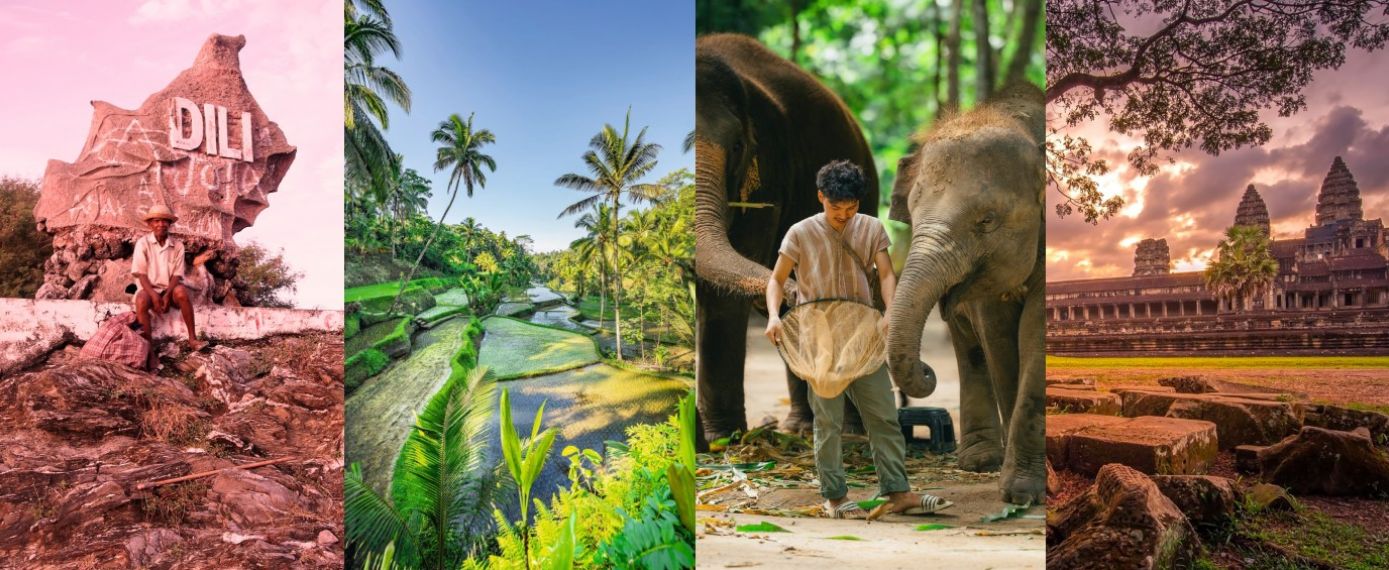
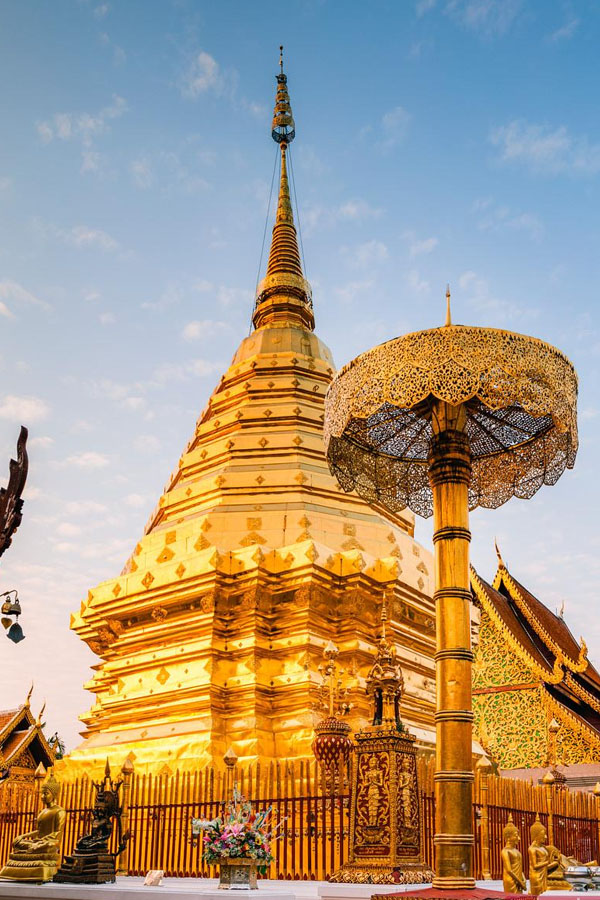
Take an epic 30-day journey across the diverse cultures, landscapes, and hidden gems of Southeast Asia, from the rugged beauty of Timor-Leste and the spiritual heart of Bali to the vibrant streets of Malaysia, Thailand, Vietnam, and Cambodia. Meet local communities in Dili, soak up Bali's temples and volcanic landscapes, and experience the contrasting charms of Kuala Lumpur and historic Melaka. Continue north to the energy of Bangkok and the mountain culture of Chiang Mai, before discovering Hanoi's timeless Old Quarter and the emerald waters of Halong Bay. End your adventure in Siem Reap, where the magnificent Angkor temples await. From scenic journeys and cultural encounters to delicious local cuisine, this is Southeast Asia at its most diverse, and an adventure you'll remember long after you return home.
Highlights of this Tour


Our tour includes
Stay at
Hotel(28 nights), Cruise(1 night)
Read more...Transfers
Travel by private & shared vehicle with driver according to daily schedule
Read more...Local Team
Private guides, drivers, your own travel expert
Read more...Meals
Daily scheduled meals including breakfast at hotel and lunch at local restaurant
Read more...Activities
24 Interesting Experiences
Read more...Services
In-tour offerings including entrance fees, boat trips, in-tour flights...
Read more...Trip Overview
Southeast Asia Grand Explorer - 30 days
Dili
Maubisse
Balibo
Dili
Denpasar
Ubud
Kintamani
Sanur
Denpasar
Kuala Lumpur
Melaka
Kuala Lumpur
Bangkok
Chiang Mai
Hanoi
Ninh Binh
Halong Bay
Hanoi
Siem Reap

Authentic

Flexible

Persionalized

24/7 Support

With over 16 years of experience, our team will help you choose the perfect for your adventure.
Destinations of this tour
Dili
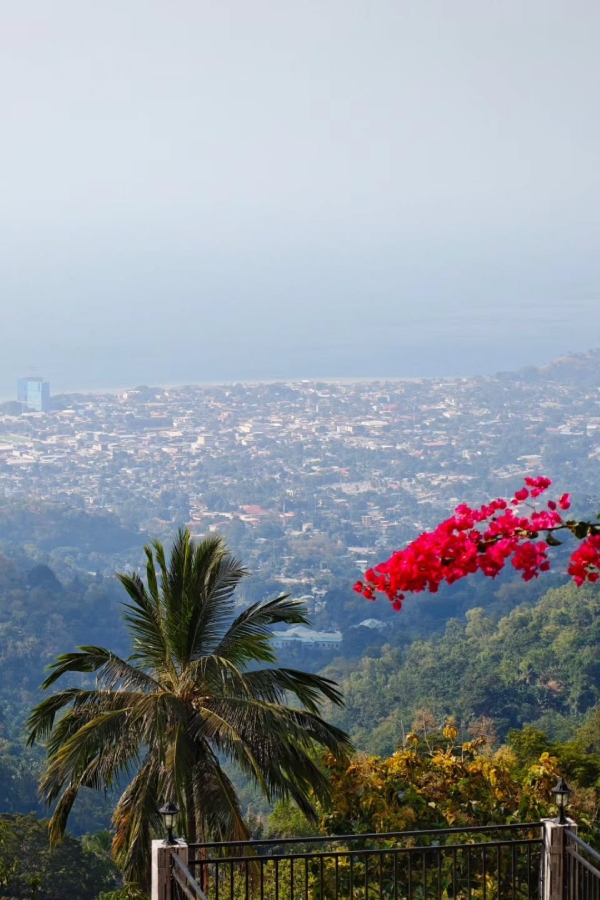
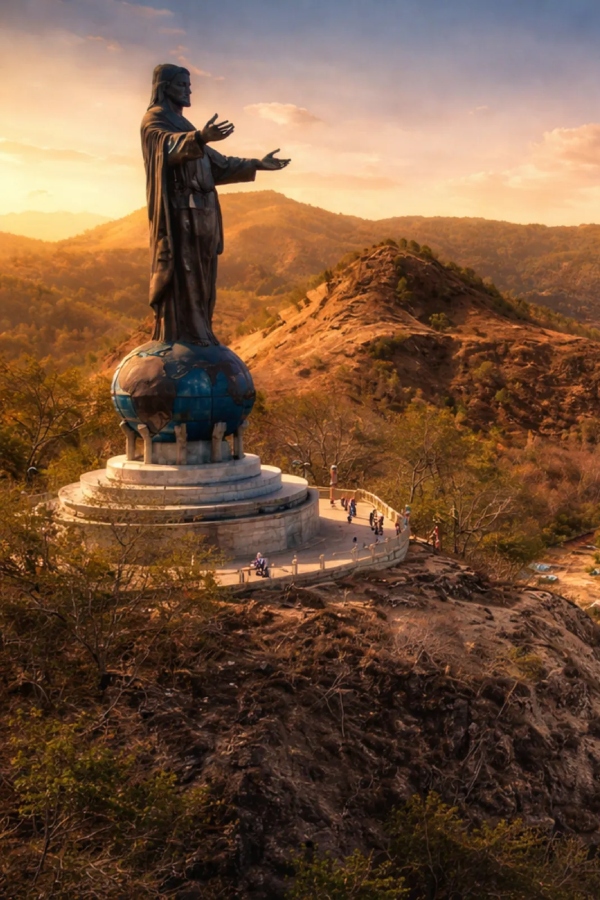
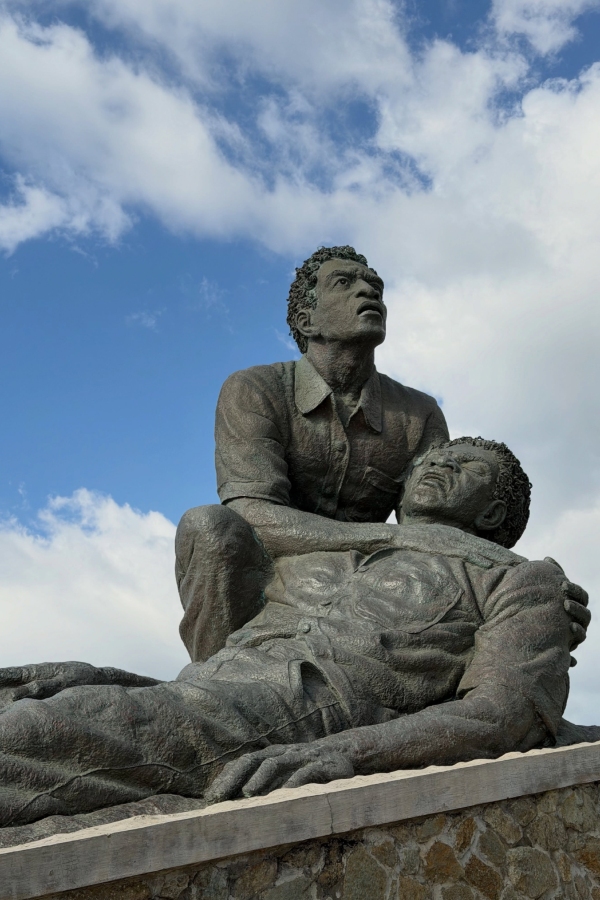
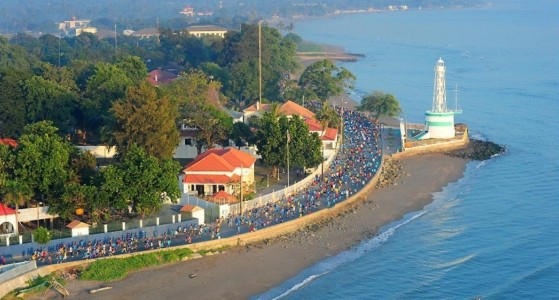
Dili, the capital and largest city of Timor-Leste, is a relaxed coastal city nestled between the mountains and the turquoise waters of the Ombai Strait. Known for its Portuguese heritage, friendly atmosphere, and excellent diving opportunities, it remains one of Southeast Asia's most underrated destinations. Set along the picturesque Bay of Dili, the city boasts a scenic waterfront promenade, beautiful sunsets, and crystal-clear waters ideal for snorkeling and diving. One of its most iconic landmarks is the towering Cristo Rei statue, which overlooks the sea and rewards visitors with panoramic views of the coastline after a short climb. Dili's colonial-era architecture reflects its Portuguese past, while sites such as the Santa Cruz Cemetery and the Timorese Resistance Archive & Museum offer meaningful insights into the nation's struggle for independence. Visitors can browse vibrant local markets for traditional tais textiles, handcrafted souvenirs, tropical fruits, and spices, offering a glimpse into everyday Timorese life. With colorful coral reefs and thriving marine life just minutes from the city center, Dili is also one of the region's most accessible diving destinations. Its calm, uncrowded atmosphere makes it an ideal place to unwind and serves as the perfect gateway to explore Timor-Leste's rugged mountains, coffee plantations, traditional villages, and pristine beaches.
Maubisse
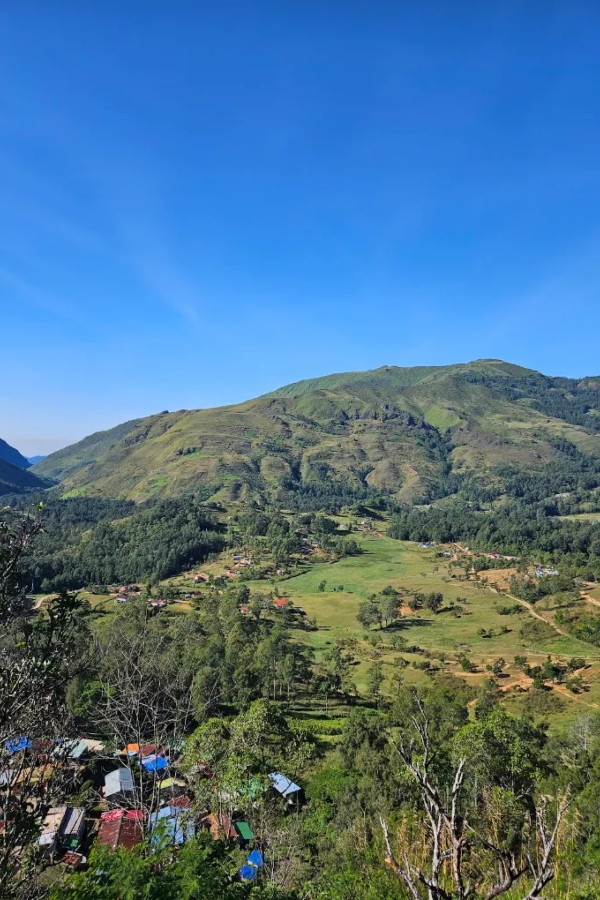
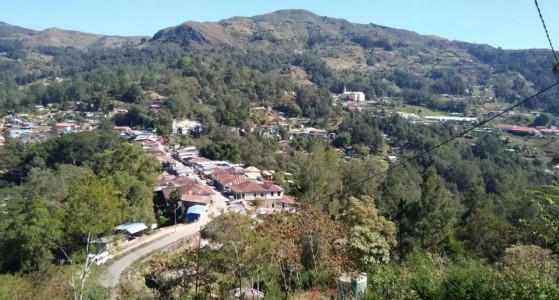
Nestled in the cool central highlands of Timor-Leste, Maubisse is a charming mountain town renowned for its spectacular scenery, rich coffee-growing tradition, and authentic rural culture. Surrounded by rolling hills, terraced farmland, lush forests, and dramatic valleys, it offers a refreshing escape from the country's tropical coastline. As the heart of Timor-Leste's coffee-growing region, Maubisse invites visitors to tour coffee plantations, learn about traditional cultivation methods, and sample locally produced Arabica coffee. The town also serves as a gateway to Mount Ramelau, the country's highest peak and a popular destination for unforgettable sunrise hikes. Its Portuguese colonial heritage is reflected in the historic Pousada de Maubisse, a former Portuguese Governor's retreat perched on a hillside with sweeping views across the valley. Nearby traditional mountain villages offer opportunities to experience local markets, highland customs, and warm Timorese hospitality. With its cool climate, breathtaking landscapes, and a wealth of outdoor activities, from hiking and birdwatching to photography and scenic drives, Maubisse is one of Timor-Leste's most rewarding destinations for nature lovers and cultural explorers alike.
Balibo
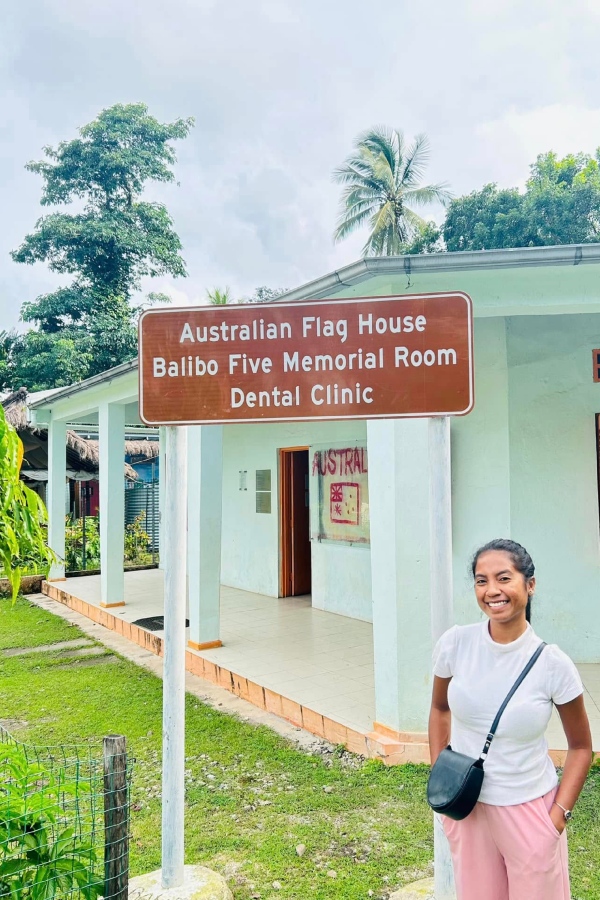
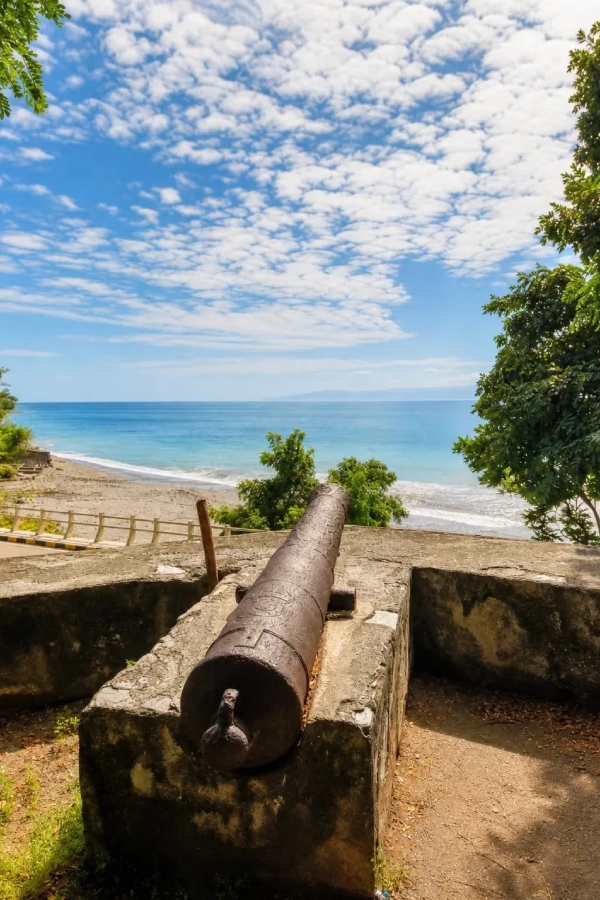
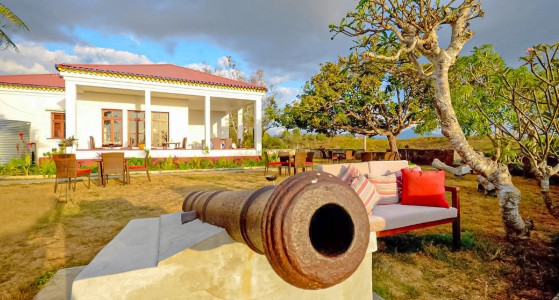
Perched in the cool highlands just 10 km from the border with Indonesian West Timor, Balibo is one of Timor-Leste's most historically significant destinations. This peaceful hilltop town is renowned for its well-preserved Portuguese colonial heritage, dramatic mountain scenery, and rich cultural legacy. At its heart stands the 17th-century Balibo Fort, one of the country's finest colonial landmarks, offering sweeping views of the surrounding hills and valleys. Within its historic walls, part of the 400-year-old fort has been beautifully restored as the Balibo Fort Hotel, a boutique heritage hotel and museum that opened in 2015. Blending colonial charm with modern comforts, it offers visitors a unique and memorable place to stay. Beyond the fort, Balibo's stone churches, traditional buildings, and quiet streets reflect centuries of Portuguese influence, while its location near the international border has made it an important crossroads for trade, culture, and history. Surrounded by rolling hills and blessed with a pleasantly cool climate, Balibo is an ideal destination for travelers seeking history, heritage, scenic landscapes, and an authentic glimpse into the enduring spirit of Timor-Leste.
Denpasar
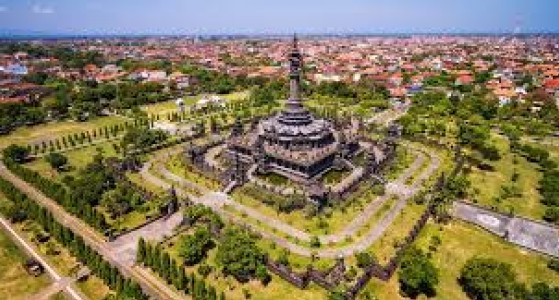
Denpasar is Bali's capital and the island's main gateway. The city serves as a hub for neighboring cities in the Lesser Sunda Islands. With the fast rise of Bali's tourism sector, Denpasar has fostered and promoted commercial activities and endeavors, resulting in the province's highest growth rate. Denpasar's population was 897,300 in 2017, up from 788,445 in the 2010 census. The neighboring metropolitan region contains around 2 million persons.
Ubud
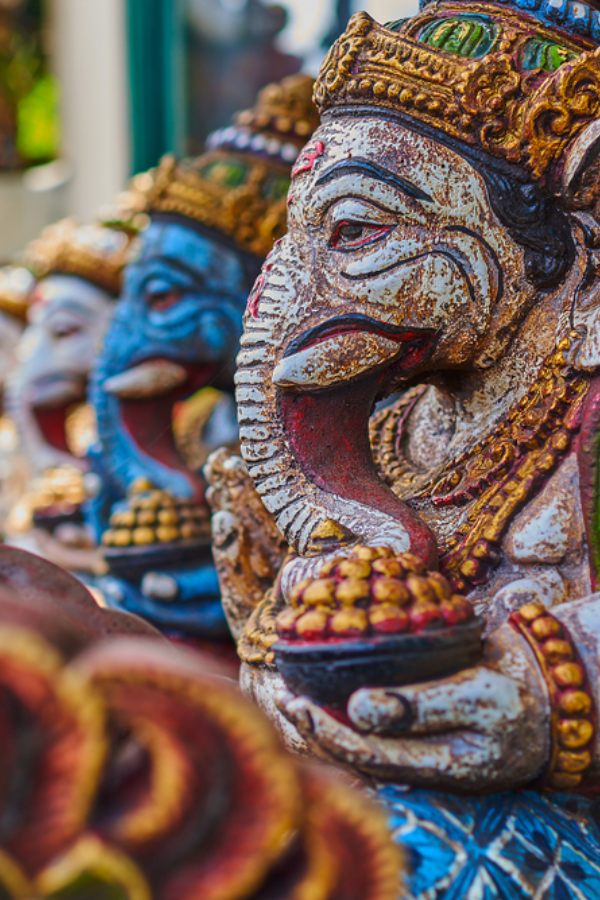
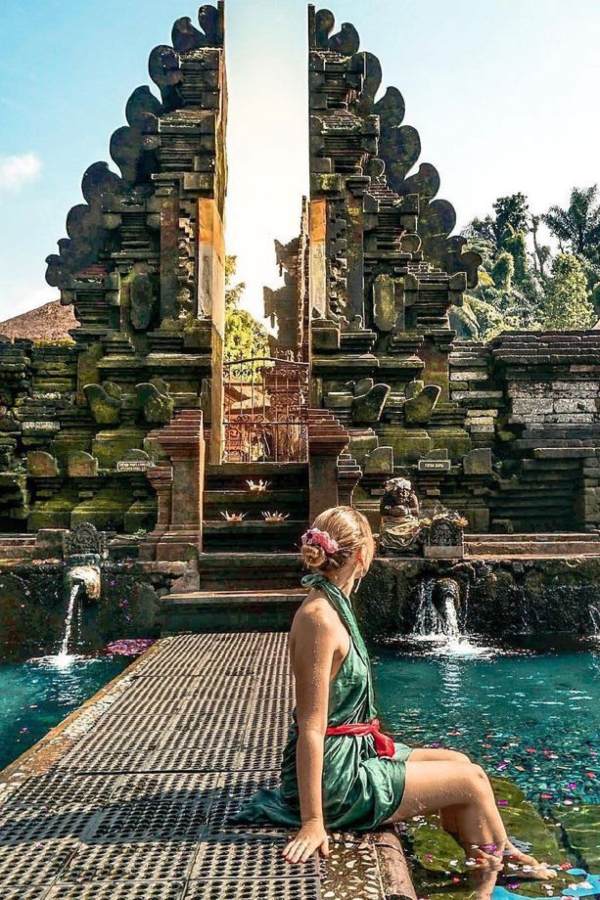
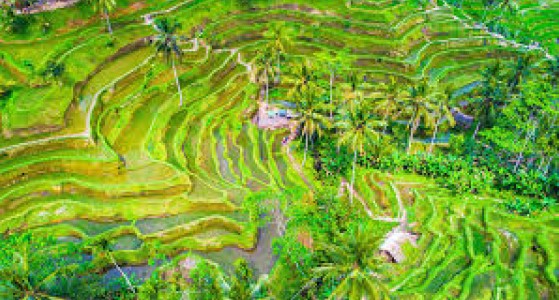
Ubud is a town located in the central part of Bali island, known for its rich arts and culture, as well as its lush landscapes of rice fields and tropical jungle, offering a contrast to the southern beach areas.
Kintamani
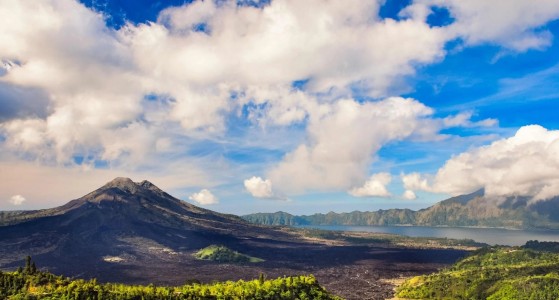
Kintamani is a village on the western border of the bigger caldera wall of Mount Batur (Gunung Batur) in Bali Island, Indonesia. It is located on the same north-south route as Penelokan and has served as a rest point for visitors to observe the Mount Batur region. Kintamani is also notable for Pura Tuluk Biyu's 1,000-year-old 'Rites of Peace' stone tablets, as well as the Kintamani dog breed. It is located adjacent to Mount Batur.
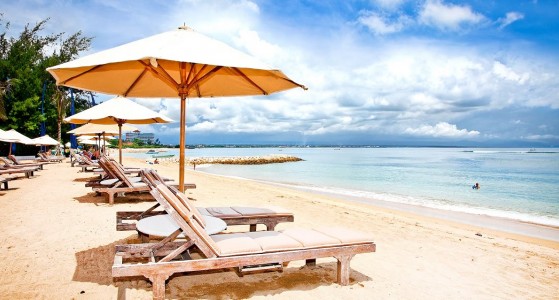
Sanur
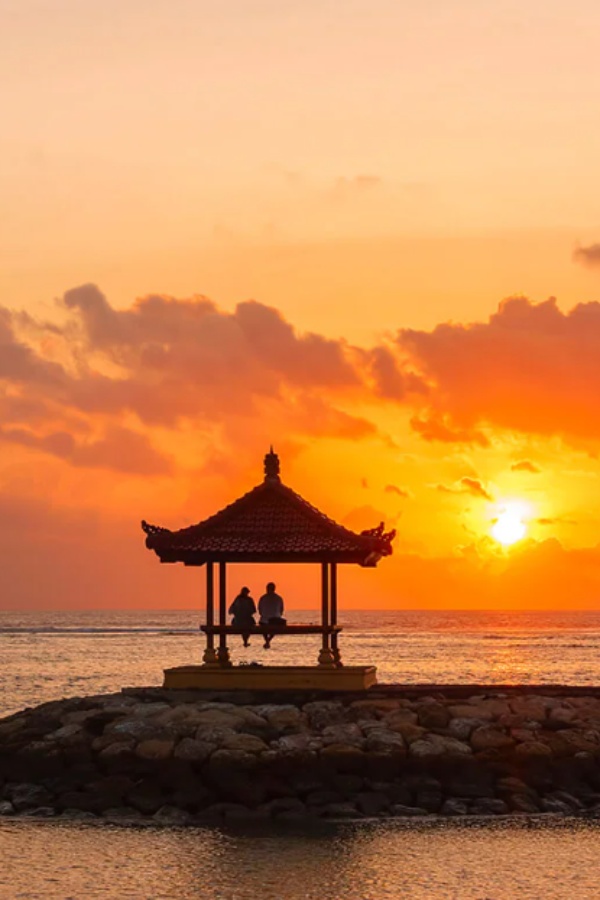
Southeast of Bali sits the seaside town of Sanur. Shallow waters can be found on its extensive beach. With a paved bike path behind them, vibrant jukung fishing boats are laid out on the sand. The 10th-century inscriptions in the coral-built Pura Blanjong temple date back to that time. Restaurants and art galleries line Jalan Danau Tamblingan, the lush main boulevard.
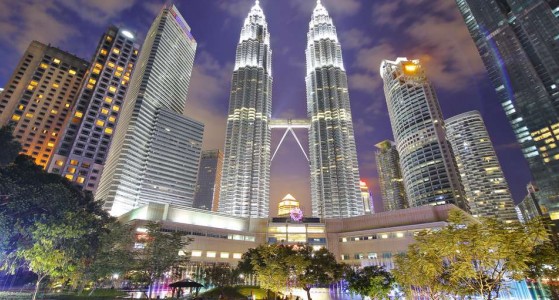
Kuala Lumpur
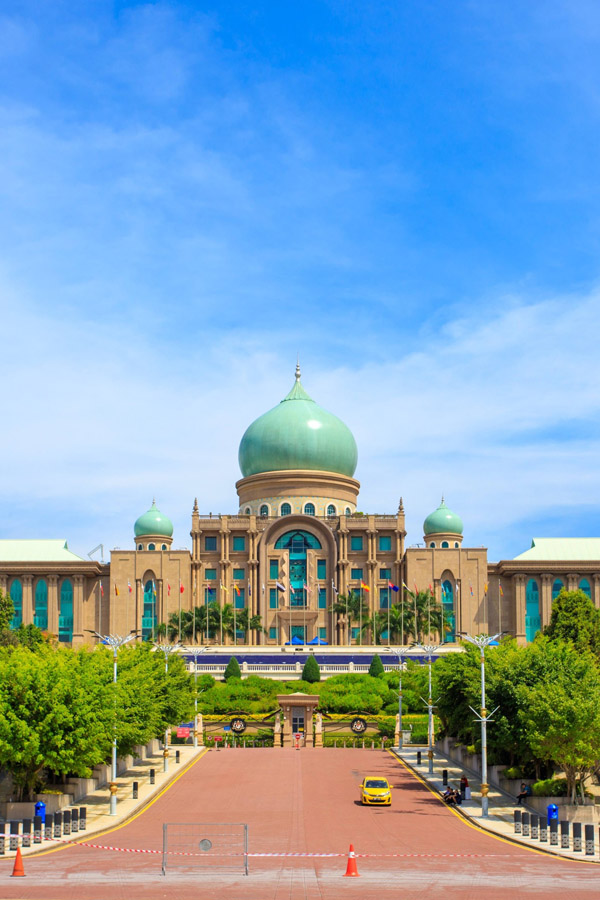
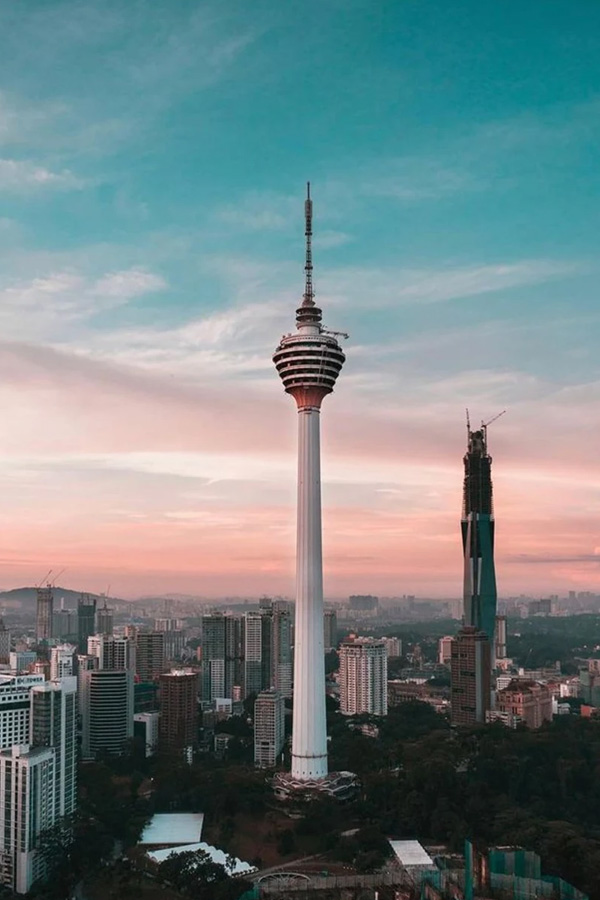
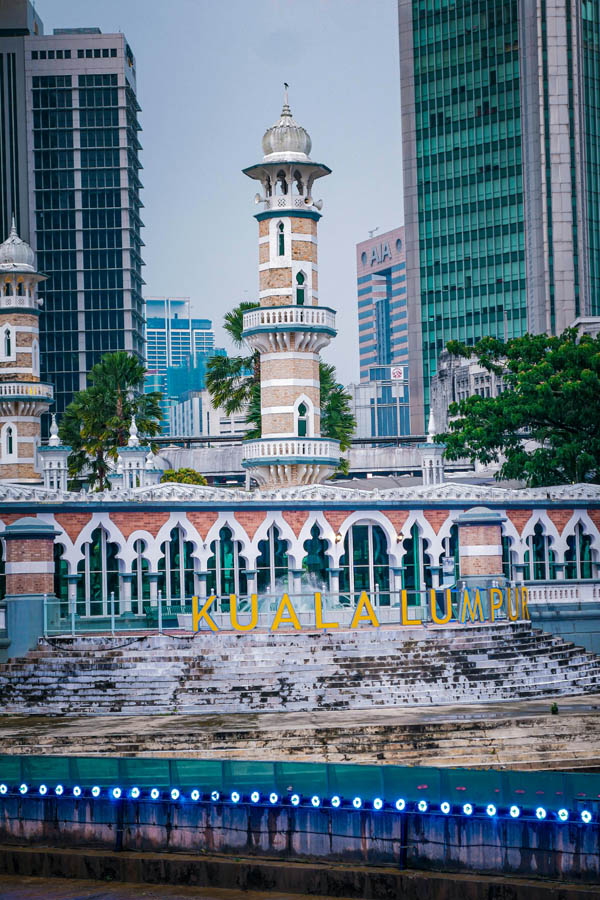
Kuala Lumpur is a diversity cultural melting pot, where jade-topped Chinese gates open out onto palm-lined squares, Indian restaurants serve banana leaf curries in marigold-scented alleyways, and old-fashioned Malay villages lie squeezed between the skyscrapers. Founded in 1857 under British rule as a tin mining outpost, Kuala Lumpur is fairly new as far as Malaysian cities go and does not have the rich history like Georgetown or Malacca. After a couple of decades of fluctuation, Kuala Lumpur began to prosper and was made capital of the Federated Malay States in 1896. Today, Kuala Lumpur is the capital of one of the economic powerhouses of Asia. Kuala Lumpurites come in all sorts. Malaysian and Chinese make up 80 percent of the population, and about 7 percent are Indians. Among the rest are offspring of intermarriages between races. Most Kuala Lumpurites speak at least two languages, one of which is Malay, or Bahasa Malaysia, the national language; some speak up to five – including Chinese and Indian dialects.

Melaka
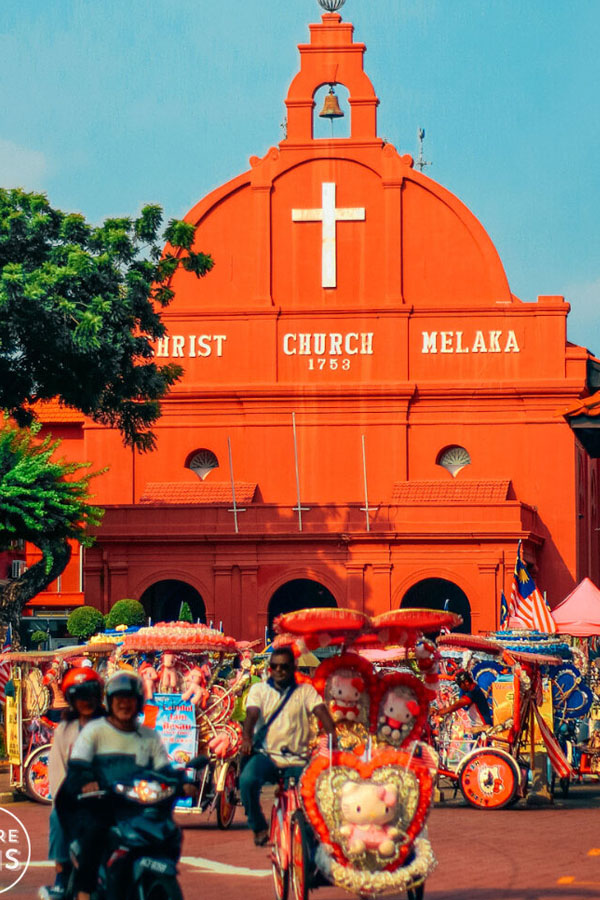
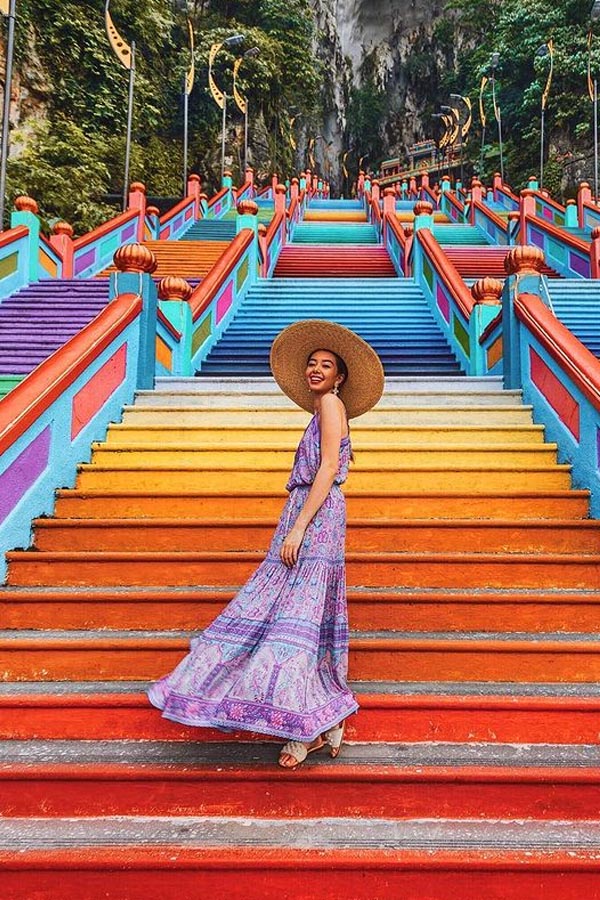
Melaka, or Malacca as it is previously known, is one of the most important port cities in the history of world trade. As a UNESCO World Heritage Site declared in 2008, Melaka showcases a fusion of Asian and European influences. It is also a perfect example of the perfect mix of different cultures and religions in Southeast Asia. Melaka’s history started as an independent sultanate. Later on, the Portuguese conquered it during its explorations in the 16th century. Some signs of Portuguese occupation still remain. After that, it became part of the Dutch empire. Most of the colonial buildings in the city came from that period. Situated in the Malacca Strait that connects the South Asian Sea and Europe to the East, the city was once the seat of the Malay Kingdom and has gone through several periods of prosperity as well as neglect. The city now offers a blend of cultural heritage, vibrant street art, and mouthwatering cuisine. It is well known for its colonial architecture, unique Nyonya traditions and colorful old town. For a visit, the historic city of Melaka is divided into two core zones on either side of the Melaka River. The first is St Paul's Hill Civic Zone with a number of government buildings, museums, churches, urban squares and the original fortress town from the 16th century Portuguese and Dutch periods. The second, on the other side of the river, is the Historic Residential and Commercial Zone, with more than 600 shophouses, commercial and residential buildings, religious buildings and tombs. A visit on foot along the old streets of Melaka past its ruins reflecting the rich history of hundreds of years of Asian and European influence, that will showcase Melaka's cosmopolitan journey over the centuries.
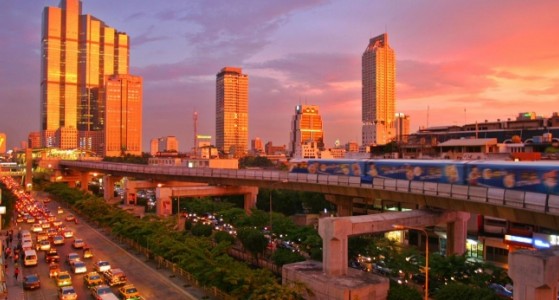
Bangkok
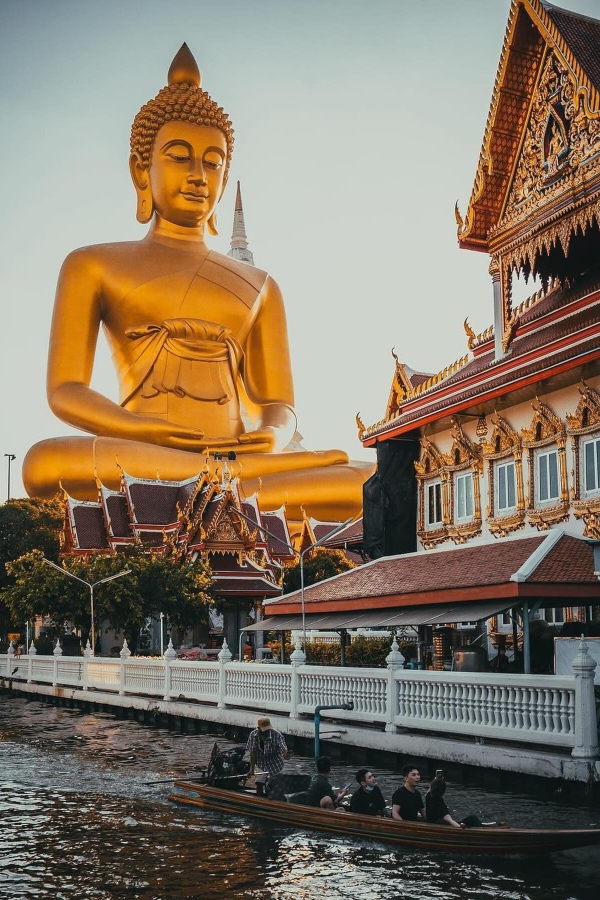
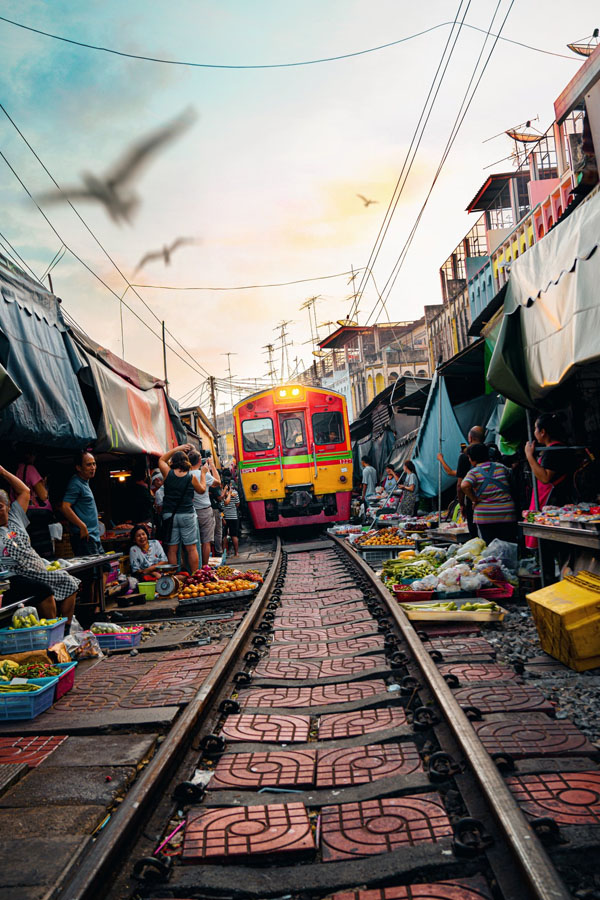
Buzzing, humid and energetic, Bangkok is the city where magnificent temples, historic markets, skyscrapers and rooftop bars create an intoxicating vibe that's hard to resist. The city is a mesmerizing blend of old and new, East and West, and dizzying contradictions. Historical sites next to vibrant nightlife areas, bustling markets near modern shopping malls, and street food vendors close to world-class restaurants. Hence, the city is still fascinating for its traditional culture. Saffron-robed monks weave among the morning rush hour to collect alms; communities dwell in stilt houses by the Chao Phraya River, eking out a living using centuries-old skills. A city tour in Bangkok often begins in Rattanakosin, drawn by the Grand Palace and Wat Pho. It's here the Chao Phraya River separates the city proper from its old capital Thonburi, a spot where quitet, narrow canals and floating markets illustrate why Bangkok was once called 'Venice of the East'. East of the canals is modern Bangkok, a hive of activity with countless businesses, markets and shopping malls handily connect by the BTS Skytrain. As a city that feels alive day and night, Bangkok is the destination for all, from foodies, shopaholics, culture seekers, history lovers, urban explorers, even party animals. That makes the well-known Southeast Asian gateway one of the world's most visited cities.
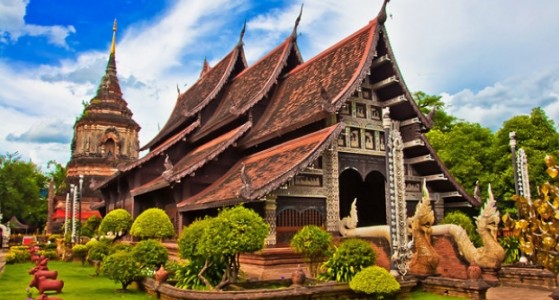
Chiang Mai
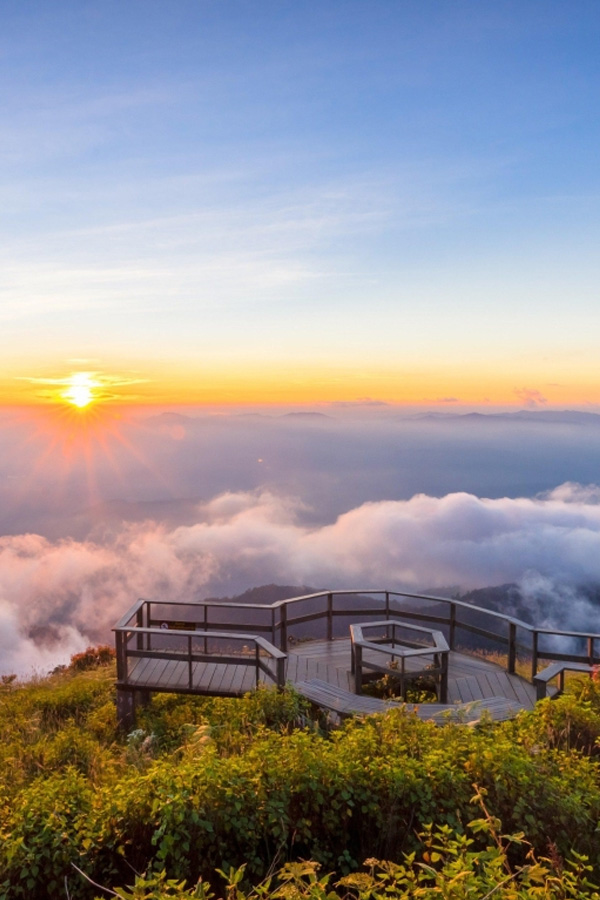
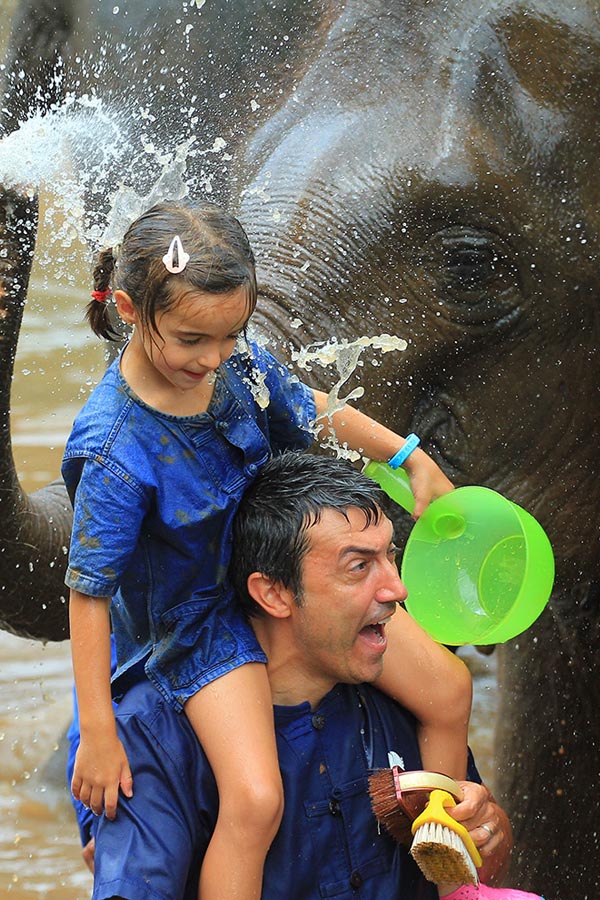
Fame as 'the rose of the North', Chiang Mai is an alluring city brimming with glittering temples, lush jungle, delicious streetfood and the bustle of lively markets. As the gateway to the mountains in northern Thailand, Chiang Mai has grown far beyond the medieval city walls that once marked it as the ancient capital of Lanna Kingdom. Nevertheless, its temple-lined backstreets still conjure up the glory of the old empire and it is still possible to get a feel for Chiang Mai's Thai culture and traditions. Ancient shrines and traditional wooden houses jostle for space with boutique hotels, stylish restaurants and trendy bars of this northern town as well as its welcoming customs and laidback pace of life leads to a rising footfall of enthusiastic tourists with each year. Home to a vast number of national parks, lush tropical jungles, hidden waterfalls, stunning rivers, and animal sanctuaries, Chiang Mai is an unmissable stop-off point for many outdoor adventure-seeking travellers. From trekking to the villages of Thailand's hill tribes to other adrenaline activities including mountain biking, white-water rafting, rock climbing expeditions and zip-lining through the rainforest canopy that makes Chiang Mai a perfect getaway.
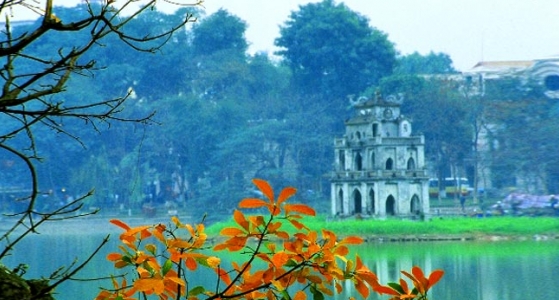
Hanoi
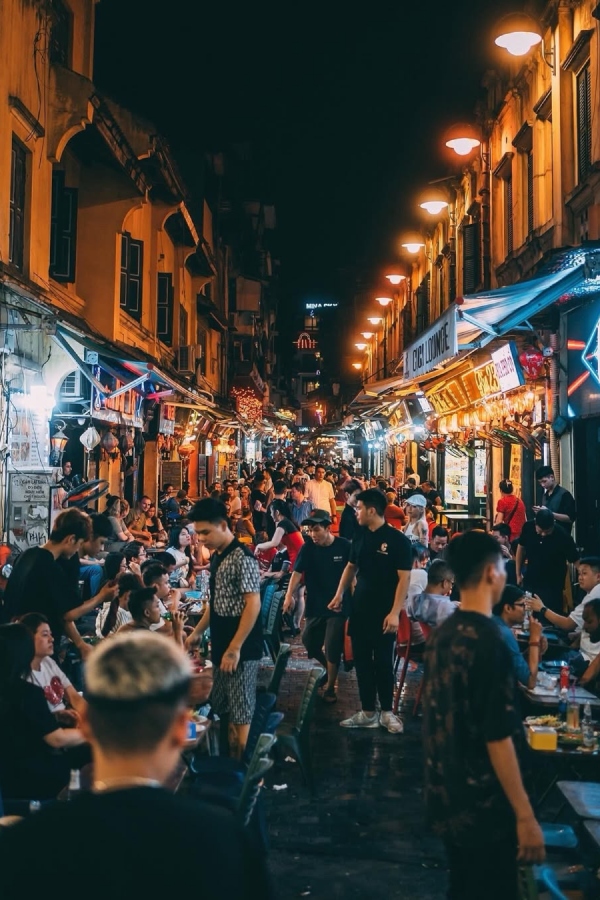
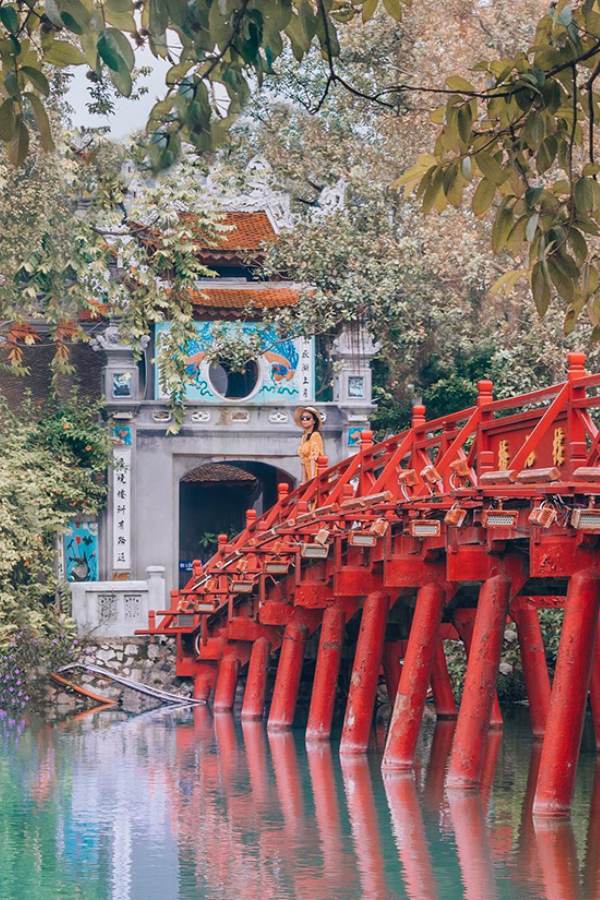
Perched on the banks of the Red River, Hanoi is Vietnam's capital and one of the world's most ancient cities. Its beauty lies in its liveliness of bustling streets where workshops and cafes spill out onto the streets and roadsides. As the intersection point where east meets west, Hanoi is a fascinating mix of old and new, Asian and European. With Chinese and French influences, an ancient culture, colonial architecture, broad tree-lined boulevards and beautiful lakes, the iconic architectural appearance of the Old Quarter and the elegance of the French Quarter, Ho Chi Minh’s Mausoleum and the Temple of Literature, etc... gives Vietnam’s capital city a unique charm of the ancient and modern. Hanoi is also home to one of Asia’s strong indigenous culinary traditions, with bustling wet markets and a rowdy street-food culture, as well as some five star international dining options. It is also very affordable by urban Asian standards, with the majority of hotels and restaurants offering plenty of value.
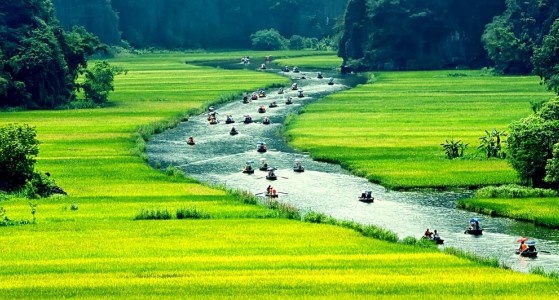
Ninh Binh
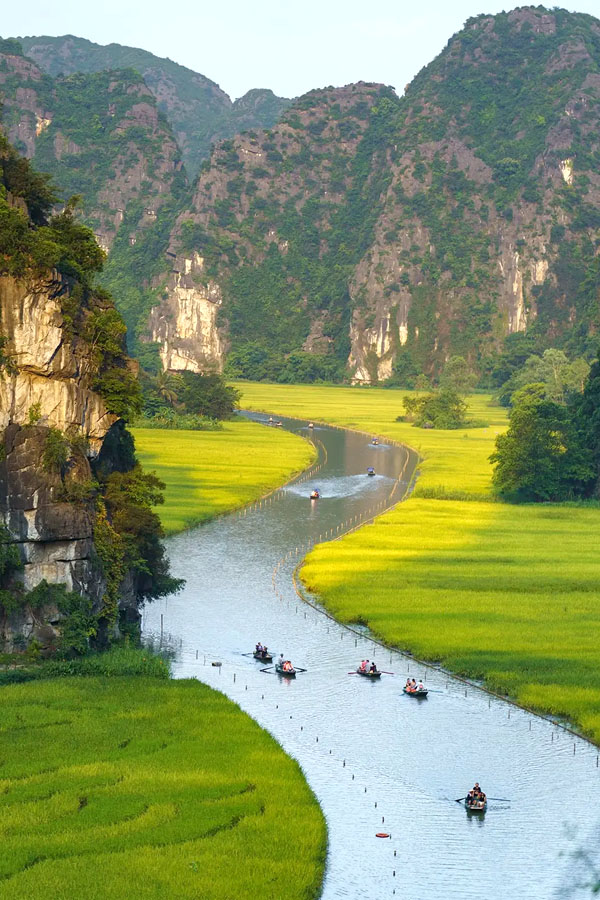
Ninh Binh is a wonderful region in northern Vietnam in the Red River Delta. Breathtaking scenery, vivid green fields, flowing rivers beneath limestone mountains and caves, and a laid back atmosphere that contrasts with the bustle of Hanoi. Approximately 1.5 hours to 2 hours from Hanoi by road, Ninh Binh was once the ancient capital in the 10th to 11th centuries, and now a heaven for nature lovers. Spend time exploring the paddy fields, age old temples and pagodas on foot, cycling or taking a gentle boat ride through a network of waterways opening out on to lakes with limestone mountains towering above. While a day trip to Ninh Binh from Hanoi is easy, staying a few days means you will get more out of exploring this intriguing and charming area.
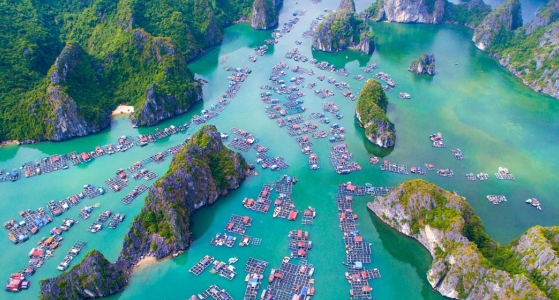
Halong Bay
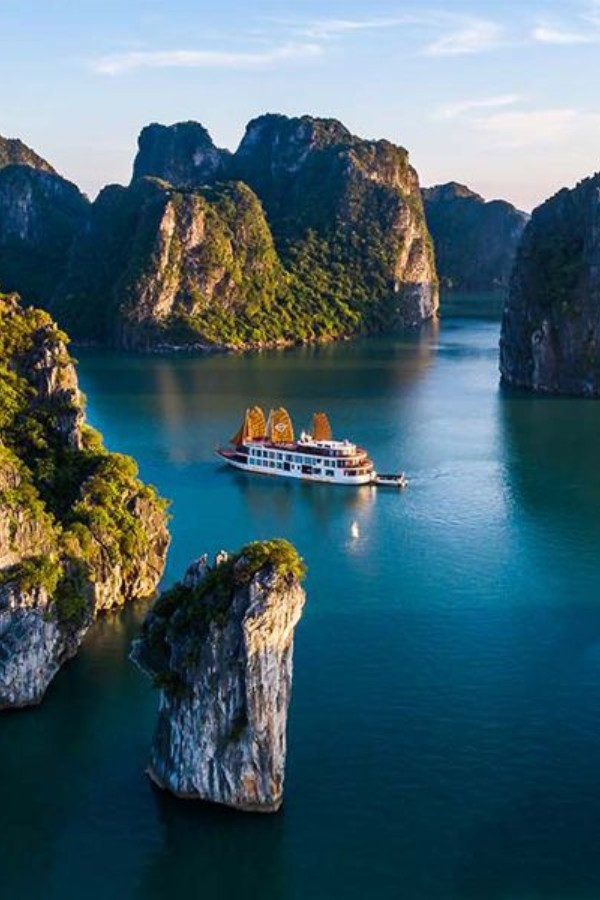
Halong Bay, listed as a UNESCO World Heritage Site in 1994, is located 170km east of Hanoi. It is made up of three neighboring bays: Halong, Lan Ha and Bai Tu Long bays, although Halong Bay is undeniably the most famous and most well-known of the three. Widely considered a natural wonder of the world, the UNESCO World Heritage Site is breathtaking with thousands of majestic limestone, peaks and islets rising dramatically out of the sparkling emerald waters of the bay. The most common way to explore is by taking an overnight night cruise or day-trip which cruises among the limestone pillars and islets. Many also include an island drop off and cave explorations. Visiting floating villages in the area gives a chance to interact with the local community whose livelihoods depend on the waters. Another way to immerse oneself close up in the bay is by kayaking near and around the limestone pillars and some of the caves that are possible to enter by kayak.
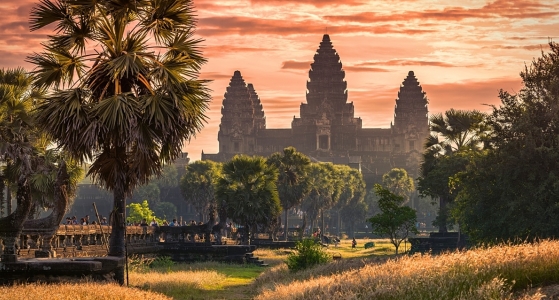
Siem Reap
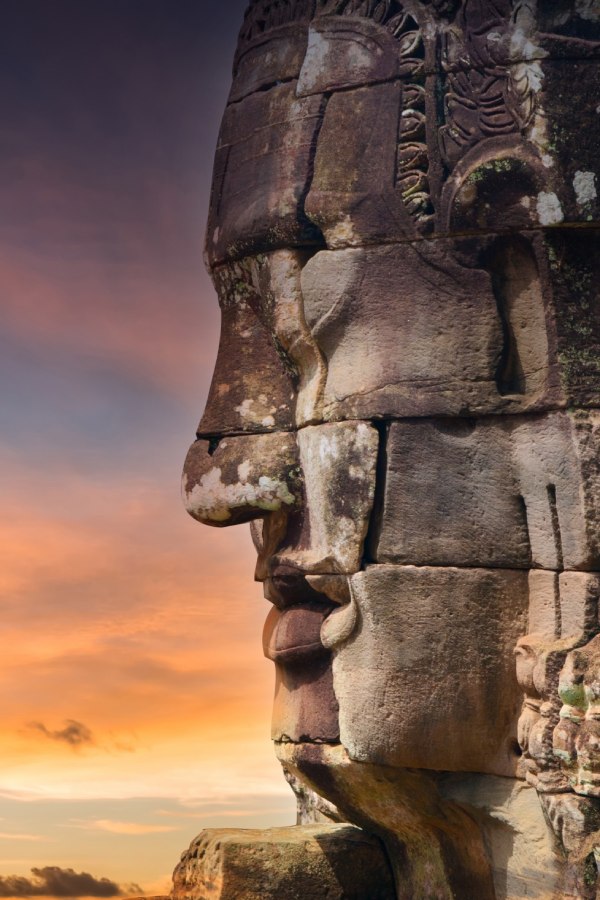
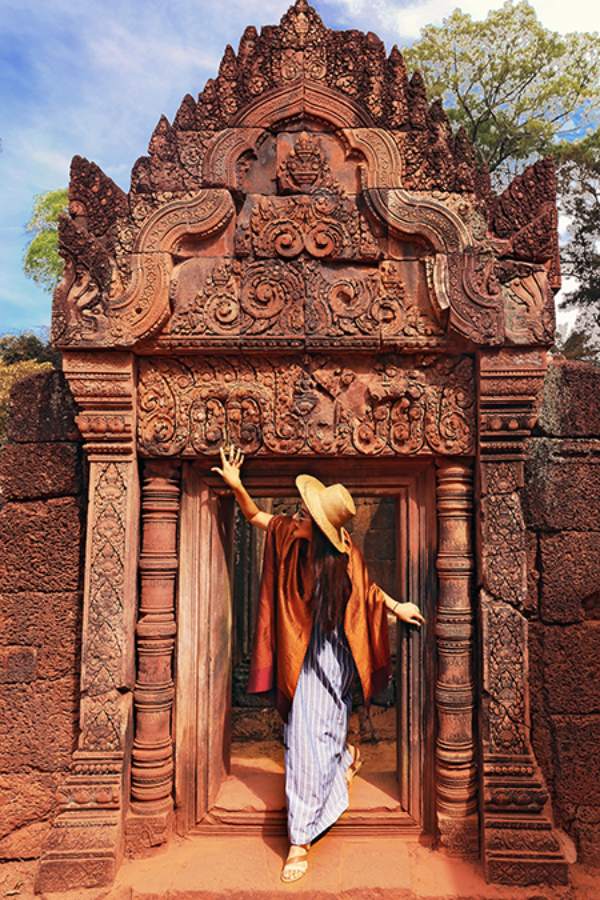
Siem Reap is the gateway to Cambodia’s vast and spectacular temples of Angkor undoubtedly one of the world's greatest archaeological sites. Constructed between the 9th and 15th centuries, these magnificent temples were once the grounds for the Khmer Empire’s capitals. The Angkor Archaeological Park covers around 400 sq km, and the largest, most well-known temple is Angkor Wat. The mysterious architectural techniques used to construct these temples still amaze the world today. Apart from the temples, one can take a Vespa ride and weave through the streets with a local guide on a street food tour. Head into the countryside for a cooking class, cycle or even ride a quad bike along the backroads, passing villages, paddy fields and taking in a more peaceful side to the city. Further afield is Southeast Asia’s largest freshwater lake - the Tonlé Sap. Cruise past the villages of stilt houses rising from the lake, such as Kampong Phluk town that soars above the water in the dry season and sits on top of the water in the rainy season. Welcoming 2.6 m tourists annually, Siem Reap is one of the biggest tourism hubs in Southeast Asia. From exploring ancient temples and floating villages to indulging in exquisite Khmer cuisine and relaxing in luxurious resorts, the town promises an unforgettable experience that blends cultural immersion with modern comforts.
OTHER TOURS YOU MAY LIKE

Private Tour
Vietnam, Thailand, Philippines
Ready, set… flip-flop! This epic family adventure brings you from vibrant rivers to tropical beaches, ancient temples to buzzing cities, perfect for curious kids and adventurous grown-ups. Start in Vietnam with the charm of Hanoi, the magic of Halong Bay, and the scenic beauty of Ninh Binh. Then head to Thailand for elephant encounters and street food fun in Chiang Mai and Bangkok. Finally, island-hop your way through the Philippines, from the colorful chaos of Manila to the crystal-clear waters of El Nido, Bohol, and Cebu. Sun, culture, nature, and nonstop family fun - flip-flops required!
26 days
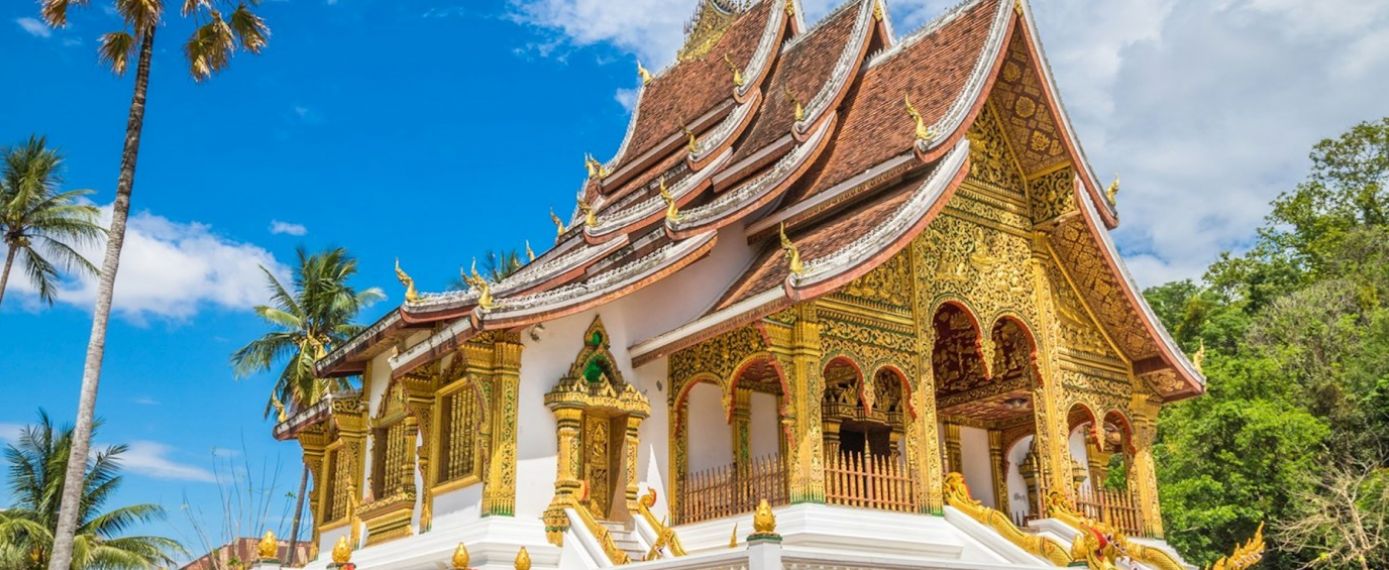
Private Tour
Vietnam, Cambodia, Laos, Thailand, Indonesia
Get ready to embark on a once-in-a-lifetime journey through the heart of Southeast Asia, where ancient civilizations, breathtaking landscapes, and vibrant cultures come together in an unforgettable 30-day adventure. From the iconic limestone cliffs of Halong Bay to the terraced rice fields of Bali, this tour is a deep dive into the beauty, spirituality, and soul of five fascinating countries. Explore the world-famous Angkor Wat, find tranquility in the laid-back town of Luang Prabang, and experience the contrasts of Thailand, from the historic charm of Ayutthaya to the lush mountains of Chiang Mai. Along the way, you’ll connect with local traditions, savor authentic cuisine, and create stories that will last a lifetime. Are you ready to explore?
30 days
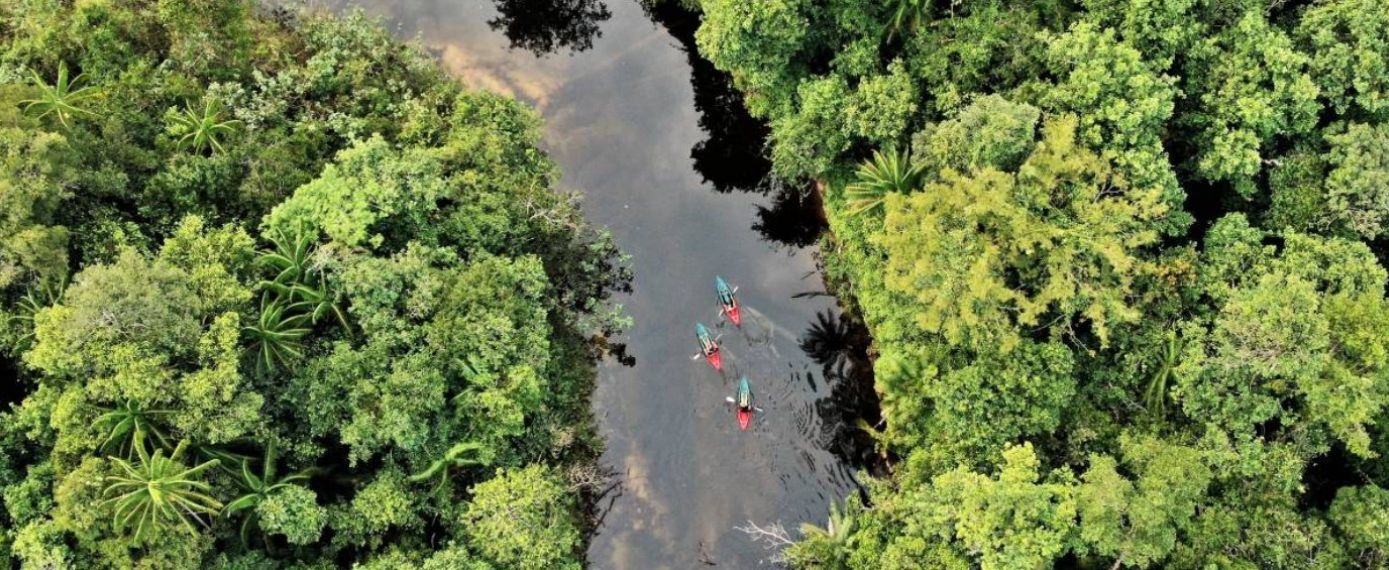
Private Tour
Thailand, Malaysia, Cambodia
Starting in Bangkok and ending in Phnom Penh, this 26-day tour takes you on an incredible adventure through Thailand, Malaysia, and Cambodia, with cultural discovery, natural beauty, and local connection. Wander through the sacred temples of Chiang Mai, explore the vibrant streets of Kuala Lumpur, stand in awe before the majestic Angkor Wat, and experience life in the rural Banteay Chhmar community. Cruise through the wilderness of Botum Sakor National Park, uncover hidden gems in Battambang, and finally, unwind on the serene beaches of Koh Rong Sanloem. From ancient history to tropical paradise, this journey invites you to slow down, dive deep, and connect with the timeless spirit of Southeast Asia.
26 days











SOUTHEAST ASIA TRAVEL COMPANY LIMITED
Southeast Asia Travel is an award-winning travel company specializing in bespoke, private and luxury tour packages across Vietnam, Laos, Cambodia, Thailand, Singapore, Malaysia, Indonesia, Myanmar, the Philippines and beyond. With over 15 years of industry expertise, we have guided more than 30,000 travelers on unforgettable journeys through the heart of Southeast Asia. Every Southeast Asia Tour we create is fully customized to reflect your interests, whether you seek hidden gems, iconic landmarks or personalized experiences.
Read more Follow us
You can visit us at: